Put ownCloud on HTTPS with Let’s Encrypt and Nginx
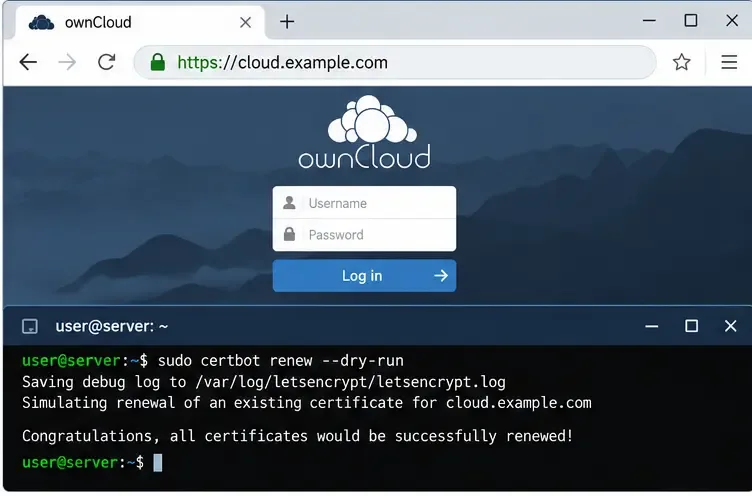
Choose HTTP-01 or DNS-01, configure an ownCloud reverse proxy, and verify Certbot renews HTTPS certificates automatically.
If you know your Microsoft Teams meetings or classes repeat frequently, you can set up a recurring meeting in Microsoft Teams. This way, you don't have to create a meeting manually every time you want to notify everyone about the meeting. You can create a meeting once and use the repeat option to set up recurring meetings or classes.
Steps to create recurring meetings in Microsoft Teams
Step 1. Click the Calendar tab > Select Schedule meeting .
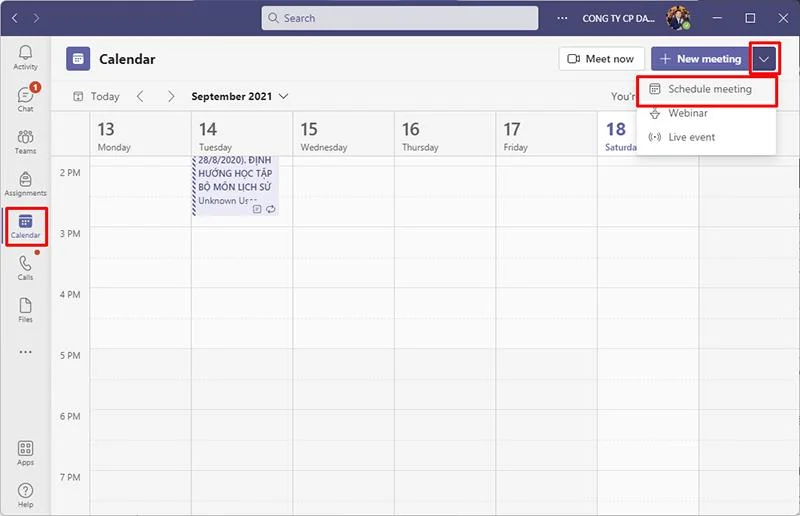
Step 2. Enter the meeting details and notice the Repeat option 
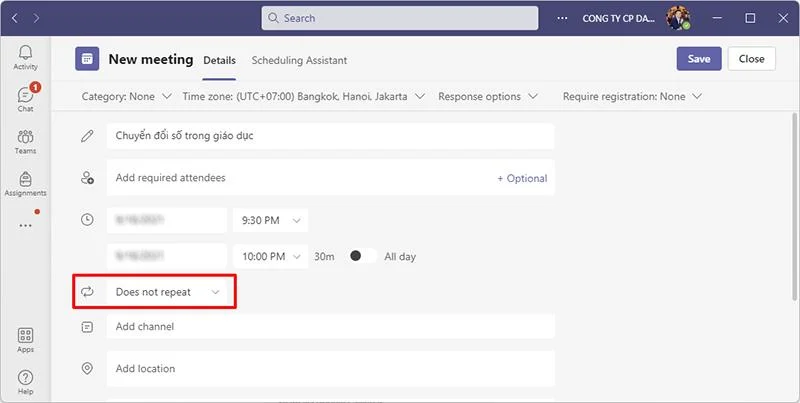
Step 3. In the Repeat box, select the appropriate period for your meeting or class.
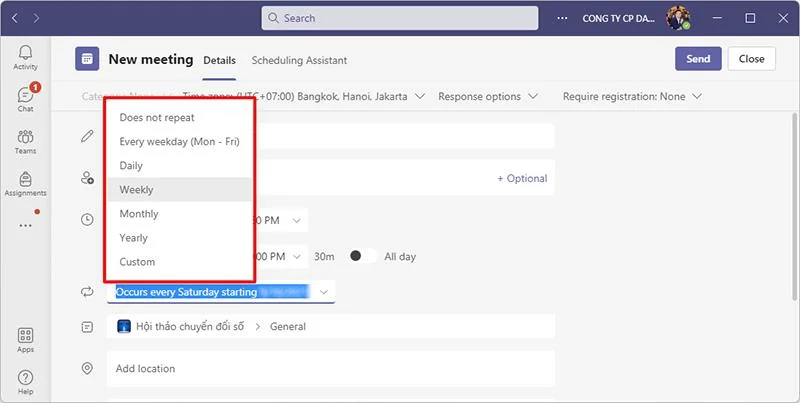
Then click Send to send the calendar.
That way, all guests and people in your organization can receive recurring meetings or classes on Microsoft Teams. Very simple, right?
Note: Depending on your version of Teams, you may be able to set up recurring meetings directly on the Microsoft Teams desktop app, or you may have to set up recurring meetings in Teams by setting set it up through Outlook.
Conclude
To create a recurring meeting or class, you need to schedule a meeting in Microsoft Teams and set up the repeat option in the Repeat section to set up recurring meetings or set up recurring meetings via Outlook and set your preferences. Choose Reapeat to tailor meeting meetings to your needs.
Explore more:
Choose HTTP-01 or DNS-01, configure an ownCloud reverse proxy, and verify Certbot renews HTTPS certificates automatically.
Configure oCIS LDAP sign-in, align user and group lookups, and verify TLS and schema settings before rollout.
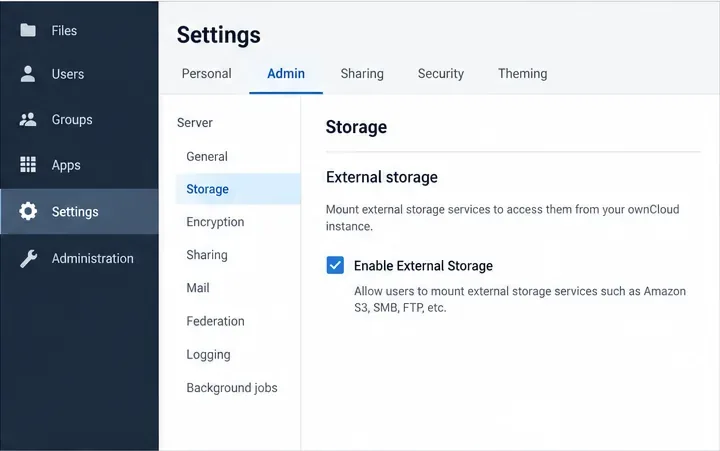
Add an Amazon S3 bucket to ownCloud 10, prepare compatible credentials and endpoints, and check access without confusing a mount with primary storage.
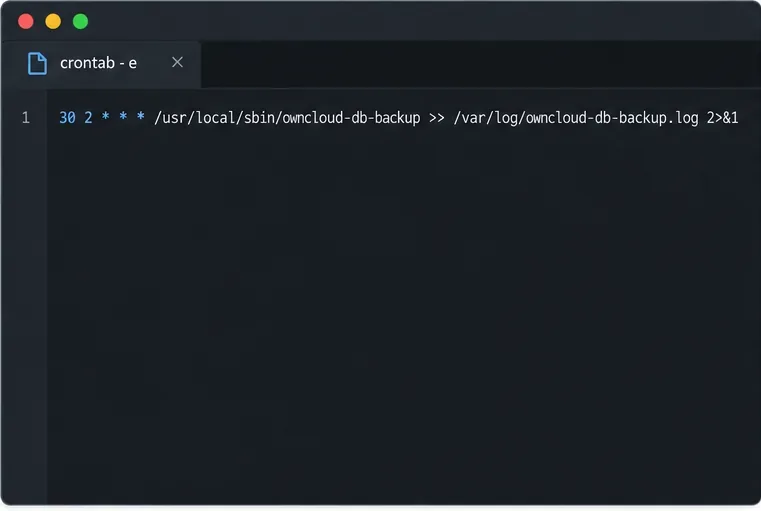
Schedule protected MariaDB dumps for ownCloud Server, handle maintenance mode safely, and verify each backup before relying on it.
Plan an ownCloud 10 to oCIS migration with the supported app, ordered commands, identity checks, and a clear list of data that needs separate handling.
Replace ownCloud Classic 10 logos and tune web UI colors with a theme app, while avoiding upgrade and integrity-check pitfalls.
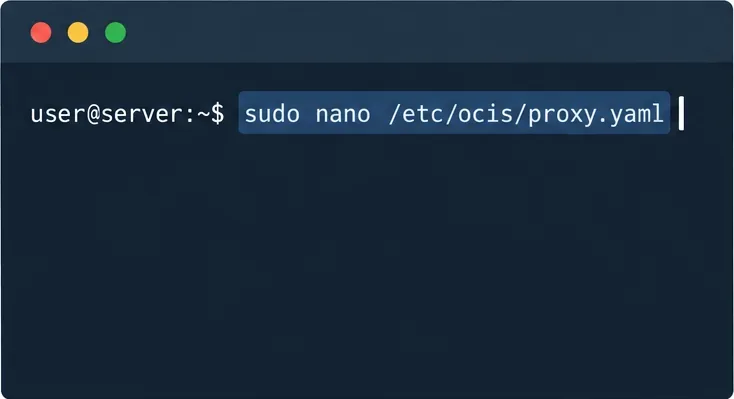
Assign byte-based storage limits to new ownCloud Infinite Scale users by role, with a proxy.yaml example and a safe verification checklist.
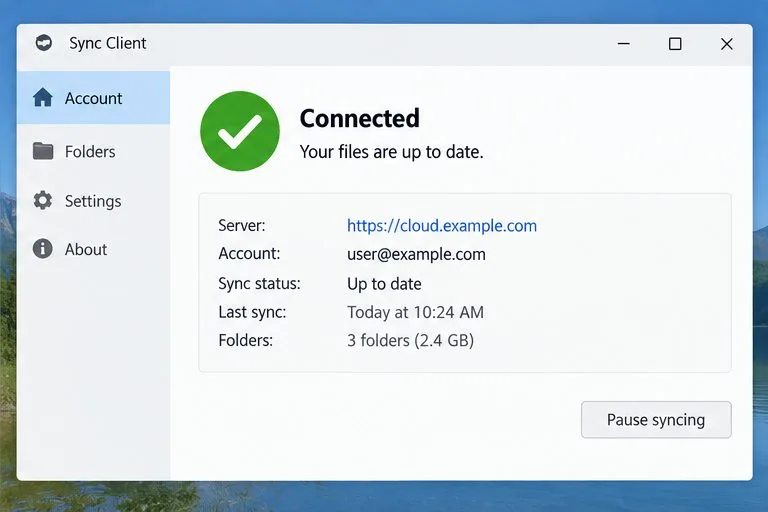
Restore ownCloud desktop syncing by checking the server hostname, certificate chain, private CA trust, and captive portal issues without disabling TLS verification.
Use the invalid-file report to identify mismatched core files or app signatures, restore the correct release files, and verify the integrity check safely.
Deploy ownCloud Infinite Scale from its official Compose example, configure domains and persistent storage, then verify TLS, containers, and first login.