



Encrypt Pi-hole Upstream DNS on Ubuntu Server 24.04

Set up dnscrypt-proxy as Pi-hole’s local DoH bridge on Ubuntu 24.04, with a localhost-only listener, resolver selection, and checks before switching DNS.
When you update to iOS 18 beta 5, you will be able to use the feature of hiding ads in Safari to avoid distraction when reading web content. This feature will hide all items that affect you, such as ads, banners, ... Users can completely choose which content they want to hide on Safari. Below are instructions for hiding ads on Safari
Instructions to hide ads on Safari
Step 1:
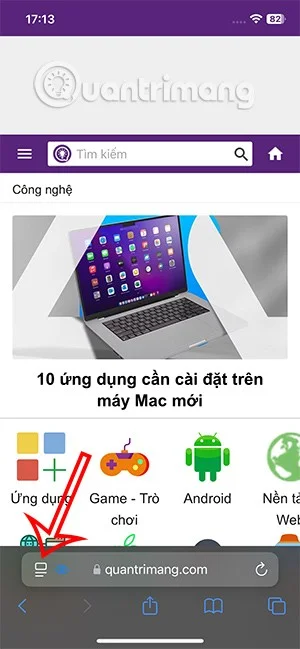
First, you access the website on Safari as usual. Now you will see the ad displayed above the interface.

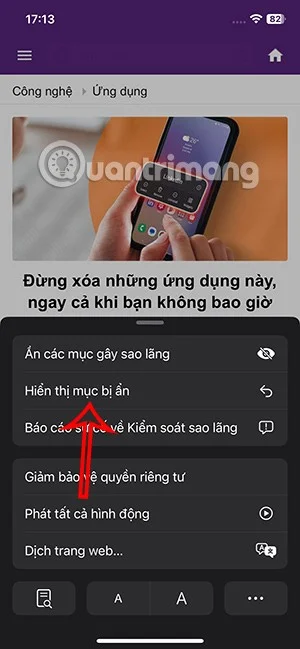
You click on the options icon in the browser address bar as shown. Then below displays the options for the browser as shown, you click on Hide distracting items .
Step 2:
Display the notification as shown, click OK to execute. We need to click on the area we want to hide on Safari and then click Hide to hide Safari ads. You will immediately see the ads on Safari have been hidden. Click Done to save and exit the area selection interface.
Step 3:
Continue to do the above to hide ads in other areas of Safari that you want.
Thus, through this feature, the web page reading interface on Safari is made much more compact.
Instructions to unhide website ads on Safari
When you enable hide distracting content on a particular website, you'll see a small blue cross icon in the address bar. This lets you know that hide is active on that site.
Step 1:
You click again on the menu icon in the browser address bar. When the options are displayed, we will click on Show hidden items .
Step 2:
Then we are asked if we are sure we want to show those items again, click Show to do so.

The ad results have been re-displayed on the Safari interface.

Set up dnscrypt-proxy as Pi-hole’s local DoH bridge on Ubuntu 24.04, with a localhost-only listener, resolver selection, and checks before switching DNS.
Check Ubuntu’s touchpad settings, confirm Wayland, and test GNOME’s built-in swipes before troubleshooting apps or hardware.
Create and verify a two-disk Debian 12 RAID 1 data array, format it safely, and configure it to assemble and mount after reboot.
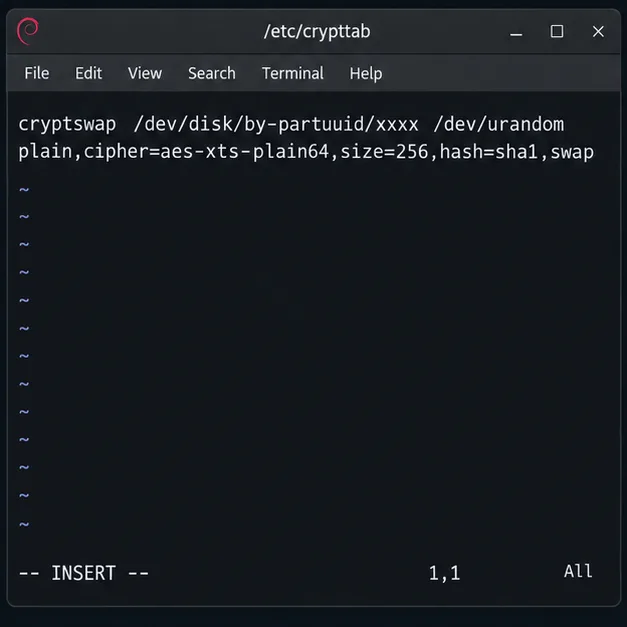
Set up random-key encryption for an existing Debian 12 swap partition, verify the active dm-crypt mapping, and understand the hibernation trade-off.
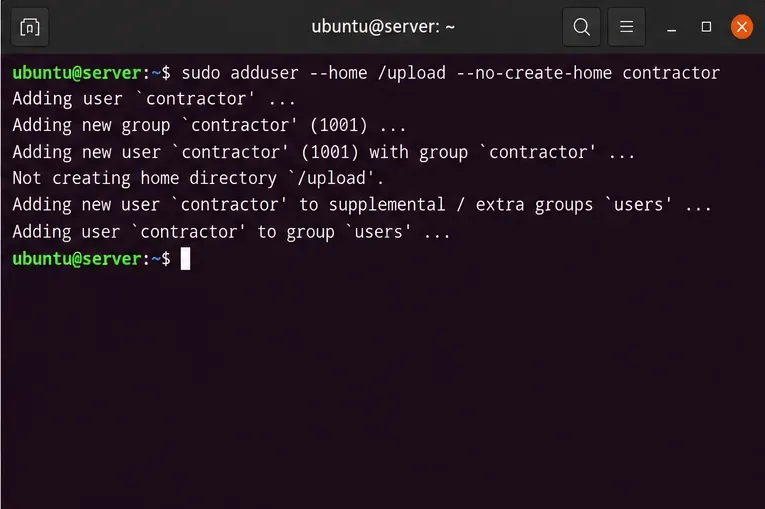
Restrict Ubuntu 24.04 SSH accounts to designated SFTP folders with chroot, proper permissions, Match rules, and safe tests—without granting shell access.
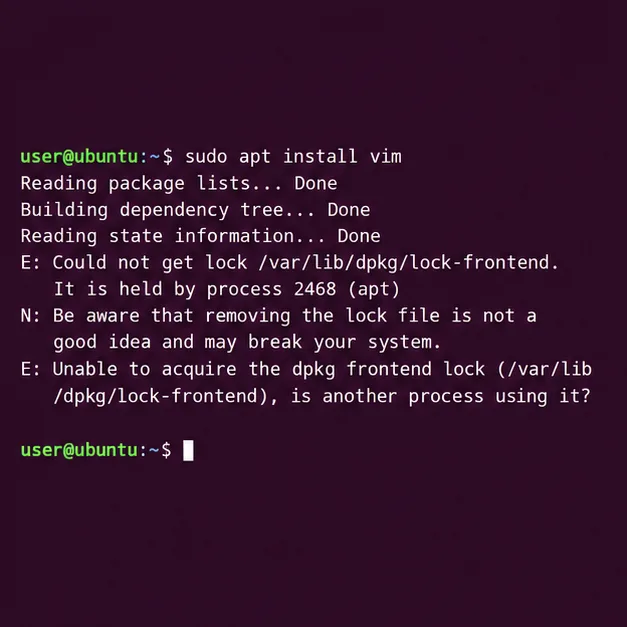
Find which process owns Ubuntu’s dpkg frontend lock, let package work finish, and repair interrupted installations without deleting lock files.
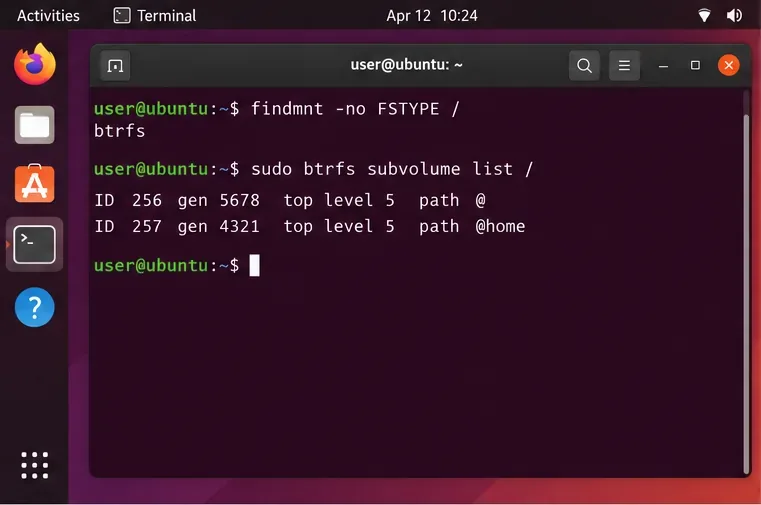
Set up scheduled Btrfs system snapshots on Ubuntu Desktop with Timeshift, verify the Ubuntu subvolume layout, choose retention, and understand what snapshots cannot protect.
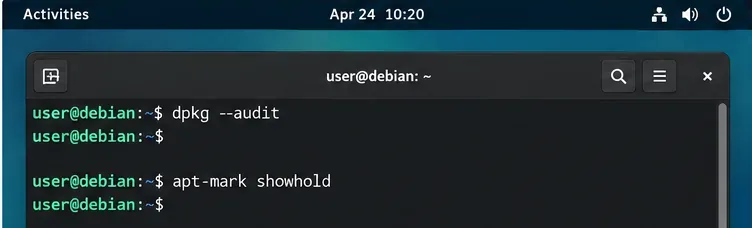
Plan a safer Debian 12 to Testing migration: upgrade through Stable, back up, clean APT sources, simulate dependency changes, and verify what changed.
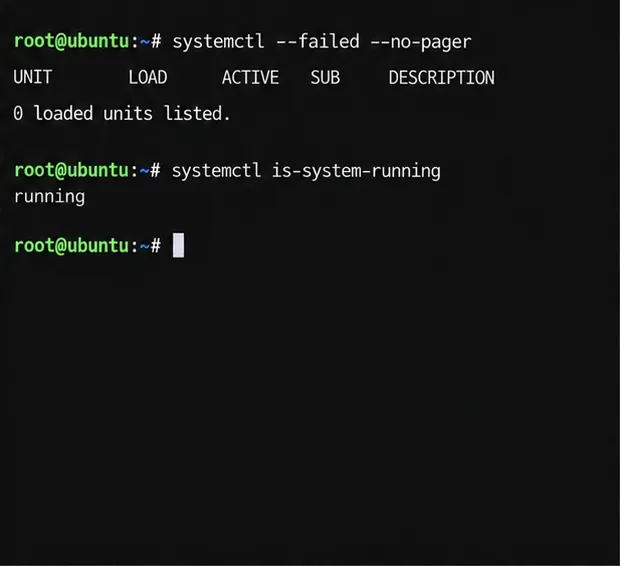
Diagnose Ubuntu Server emergency mode safely. Read boot logs, check root and fstab mounts, repair a failed unit, handle filesystem errors, and verify a clean reboot.
Set up a Debian 12 WireGuard VPN server for one remote client. Configure keys, IPv4 forwarding, nftables NAT, firewall access, and connection checks.