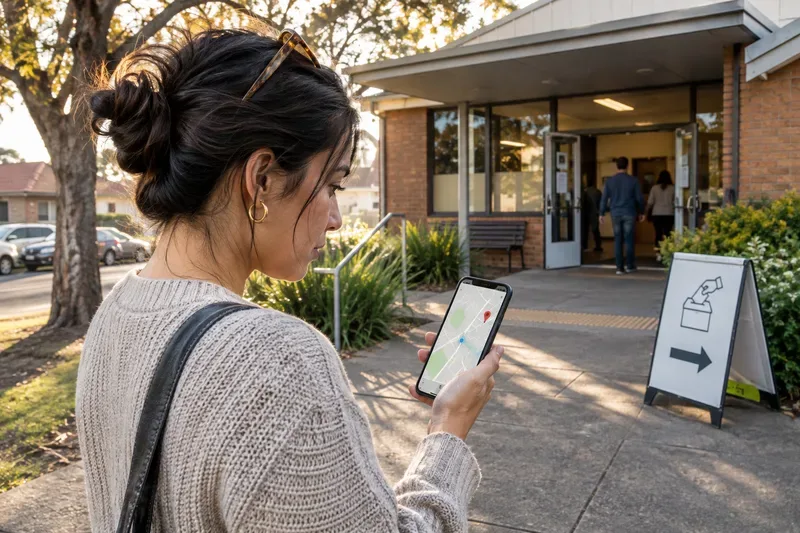
VEC Voting: How to Find a Voting Center in Victoria | Nov. 28, 2026
Find a VEC voting center in Victoria, check its address and accessibility, and confirm hours. Election-day centers closed at 6 p.m. AEDT on Nov. 28, 2026.
Information checked: Saturday, November 28, 2026, 9:21 p.m. Australian Eastern Daylight Time (AEDT, UTC+11); 10:21 a.m. UTC. Victoria’s state election is being counted after polling closed at 6 p.m. AEDT. The Victorian Electoral Commission says progressive results are being published; this is a policy explainer, not a call on the result.
Jess Wilson is the Victorian Liberal leader and Opposition leader, but the platform she leads is the joint Liberal–National plan. To compare it fairly, read the final platform alongside the independent Parliamentary Budget Office (PBO) assessment, then test the promises against your priorities and the alternative offered by Labor. The key late campaign change is material: the PBO says Wilson’s 72-policy platform, published as the coalition’s full platform, replaces earlier commitments.
The coalition’s Our Plan to Deliver for Victorians has three public-facing priorities: reduce crime, lower costs, and make government work. Wilson is the Liberal leader; Danny O’Brien leads the Nationals. This distinction matters because voters are assessing a coalition government program, not a list of personal promises from Wilson alone.
On crime, the plan promises 3,000 more police, including filling vacancies and funding 1,500 additional officers, reopening more than 40 police stations, and recruiting Protective Services Officers for train stations. It also proposes tougher bail and sentencing rules. ABC’s policy tracker says Labor’s competing offer includes 1,500 police recruits, a second police academy in Wyndham, and a separate reservist program. Compare the recruitment totals, timeframes, staffing costs, and which roles are sworn officers—not just the headline number.
On household costs, the coalition promises no new or increased taxes, repeal of the Emergency Services Tax, Schools Tax, and GP tax, stamp-duty relief for first-home buyers on homes up to A$1 million, a gradual return of the land-tax-free threshold to A$300,000, and a A$50 weekly toll cap for two years from July 1, 2027. Labor has also proposed a toll cap, at A$30 a week for smaller vehicles, and a A$30 weekly public-transport fare cap for two years. Ask which households qualify, when relief begins, what a family would actually save, and what public services or other revenue pay for the measures.
The Victorian PBO’s November 26 platform assessment is the strongest common starting point for the coalition’s fiscal claims. Against the 2026 Pre-Election Budget Update, it estimates the platform would reduce net debt by A$19.85 billion, or 10.1%, by 2029–30. The projected net operating balance for that year is A$3.02 billion, compared with A$432.6 million in the baseline. These are forecasts and comparisons with a baseline—not a guarantee that debt will fall in cash terms or that every project will be delivered.
The mechanics matter as much as the headline. For the four years to 2029–30, the PBO estimates A$590.9 million less revenue, A$3.25 billion less expenditure, and A$14.47 billion less capital investment. It identifies a A$13.63 billion impact from the Asset Recycling Program, largely financial capital flows, as the largest capital item. Across the recurrent policy estimates through 2030–31, new spending is A$6.11 billion, while reprioritization savings total A$7.63 billion and the drawdown of budget contingencies adds A$3.77 billion in offsets. A voter can reasonably ask how much of the plan depends on selling or leasing assets, which programs are reprioritized, and whether the same savings can fund both headline commitments and routine services.
Two days before election day, Wilson released costings that included a proposed 90-year lease of Melbourne Water’s Eastern and Western sewage-treatment plants, changes to planned level-crossing removals, and retaining 15 hours of free kindergarten rather than Labor’s planned expansion to 30 hours for four-year-olds. The coalition describes its asset program as recycling; ABC reported that the lease and asset transactions drive a large part of its debt projections. Read the ABC report on the late costings alongside the PBO tables. Check the lease term, public control, who pays for future upgrades, service standards, and whether projected proceeds are one-time or recurring. On transport, check exactly which crossings are delayed or removed from the program and what that means for local travel.
On roads, the coalition advertises A$5 billion and one million potholes repaired. Labor has pledged A$352 million to double its pothole repair target from 250,000 to 500,000 this year. Those figures cover different stated scopes and time periods, so they are not directly comparable without checking the delivery schedule, maintenance standard, geography, and whether the pledge is new funding.
Start with your own district and the candidates on your ballot: Victoria elects members to both the Legislative Assembly and Legislative Council, and the statewide leadership contest does not decide every local race. Then use a short checklist:
The ABC policy tracker offers a cross-party view, while the Victorian Electoral Commission is the authoritative source for counting and official results. The most useful comparison is not which slogan sounds strongest, but which plan best matches your priorities and explains its costs, timetable, and trade-offs.
No. It is the joint Liberal–National platform led by Wilson and Nationals leader Danny O’Brien.
At the timestamp above, the VEC says counting is underway and progressive results are being published. Check the VEC for official updates.
Use the Victorian Parliamentary Budget Office’s November 26 platform assessment for independent estimates, then read party documents for the commitments and assumptions behind them.
Sources: Liberal–National Our Plan; Victorian Parliamentary Budget Office platform assessment; ABC News, late policy costings; ABC News, cross-party policy tracker; Victorian Electoral Commission.
Find a VEC voting center in Victoria, check its address and accessibility, and confirm hours. Election-day centers closed at 6 p.m. AEDT on Nov. 28, 2026.

Learn where to find official U.S. election results, how to read precinct reporting, and why a live lead or media projection is not a certified result.
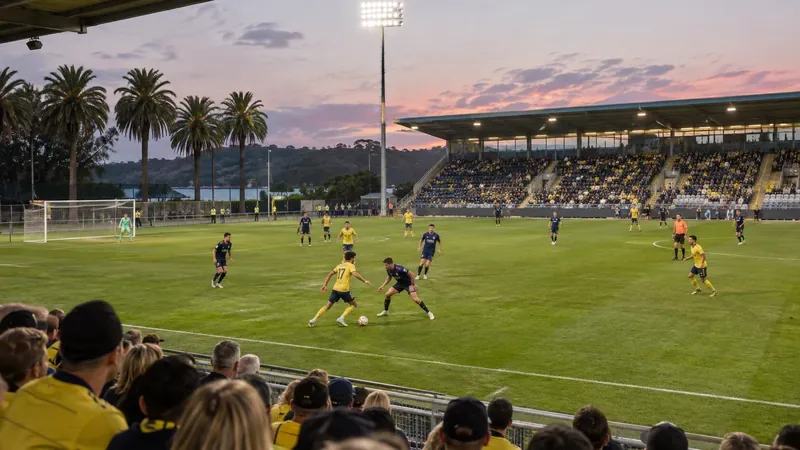
Find the verified kickoff, venue, time-zone conversion, official live match center, viewing links, and Gosford travel guidance for Central Coast Mariners vs Auckland FC.
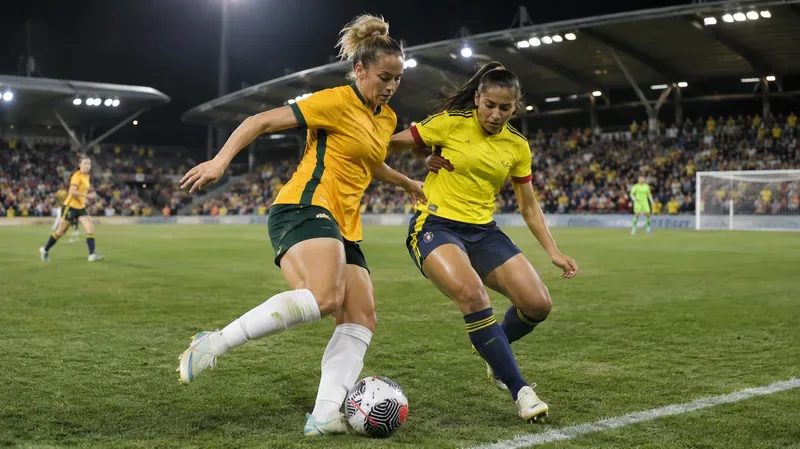
Australia led Colombia 3–1 around the 61st minute in Canberra. Here is the match context, key players, broadcast information and the Geelong rematch date.

Learn what to ask when a UK pharmacy offers a different brand, generic, or shortage alternative, and how to check the medicine and next steps.

Learn when UK pharmacists can supply a different brand or medicine, how Serious Shortage Protocols work, and what the Nov. 28, 2026 plans mean today.
Portland beat Golden State 116–94 in the NBA Cup. Find the official final score, box score, play-by-play and Australian replay options.
Stay safer during hot weather with practical heatwave tips: hydrate, cool your home, protect at-risk people, and recognize heat exhaustion and heatstroke.

The Spurs beat the Lakers 99–96 in San Antonio. See where to track NBA scores, box scores, game updates, and Australian tipoff times.