
VEC Voting: How to Find a Voting Center in Victoria | Nov. 28, 2026
Find a VEC voting center in Victoria, check its address and accessibility, and confirm hours. Election-day centers closed at 6 p.m. AEDT on Nov. 28, 2026.
Checked: November 28, 2026, 10:09 UTC. In the UK, a pharmacist generally must dispense what the prescription specifies. A different brand may be supplied when the prescription uses the generic (active-ingredient) name and the alternative is suitable. Changing the prescribed medicine, strength, quantity, or form during a shortage is not a free-standing pharmacy choice: it normally needs the prescriber to amend or replace the prescription, unless a valid Serious Shortage Protocol (SSP) or another specific legal route applies.
That distinction matters because a same-day government announcement described planned wider flexibility for pharmacists to supply the same medicine in another strength or form when stock is short. As of this check, the announcement is a plan, not permission patients should assume is already in force. It also says the proposed changes will not cover generic or therapeutic substitution. For now, the safest question is whether the offer is an ordinary generic dispensing choice, an active SSP, or a new prescription approved by a prescriber.

Start with the name on the prescription. A generic name identifies the active ingredient; a brand name identifies a particular manufacturer’s product. If a prescriber writes a suitable medicine by its generic name, the pharmacy may usually dispense an appropriate generic or branded version of that medicine. The product still has to match the prescribed medicine and be clinically suitable. This is why the box or manufacturer can look different even when the active ingredient and prescribed dose are the same.
If the prescription specifies a brand, primary-care dispensing guidance generally expects that brand to be supplied. This can be clinically important: some medicines have brands or formulations that are not considered interchangeable because of differences in absorption, release characteristics, dose schedules, or delivery devices. Examples include certain modified-release products, some epilepsy or lithium preparations, biologic medicines, and inhalers or injectors that work differently. Do not assume that a matching ingredient name means every product can be swapped without advice.
A pharmacist ordinarily cannot independently replace one active medicine with another therapeutic alternative just because it seems similar or is available. A prescriber may need to review your treatment and issue a new prescription. A current SSP is a defined exception: it specifies which medicine or product is affected and what alternative, quantity, or supply conditions may be used. It is time-limited and applies only while in force. The pharmacist must check the protocol, assess whether it is appropriate for you, and follow its conditions.
An SSP is issued for a serious shortage and allows a community pharmacist to make a specified supply under the protocol rather than dispense strictly against the original prescription. Depending on the protocol, the permitted change could involve a different product, quantity, strength, or form. It is not a general authority to choose any substitute. The pharmacist uses professional judgment and must decide whether the protocol fits your circumstances. NHS Business Services Authority guidance says the patient must agree to an alternative SSP supply; if you or your carer declines, or the pharmacist considers it unsuitable, the pharmacy should refer the matter back to the prescriber or discuss an alternative with them.
SSPs operate in all four UK nations, but medicines services are devolved and the operational details and communications can differ. NHSBSA publishes current SSP information for England’s NHS dispensing process; the Scottish Government describes SSPs as a route for specified supplies without a new prescription; GOV.WALES explains that an SSP can permit a suitable alternative in Wales; Northern Ireland has its own pharmaceutical services arrangements. A protocol’s actual validity and wording, rather than a general news story or an old shortage notice, determine what can be supplied at that time.
A stock problem does not automatically mean there is an SSP or that another medicine can be handed over. Ask the pharmacist to clarify whether the issue is local to that pharmacy or part of a wider shortage, whether the exact prescribed product can be ordered, and whether another pharmacy may have it. During intermittent supply, pharmacies can receive deliveries at different times, so availability may vary locally.
If no suitable supply can be made under the prescription or a valid protocol, the pharmacy may need to contact your GP, clinic, or other prescriber for instructions or a replacement prescription. The pharmacy can explain what information it needs and, where possible, help coordinate the next step. Do not stop, split, double, or change doses to make a different product fit unless a healthcare professional tells you to. This is especially important for medicines where small changes in dose or release profile can affect safety.
The Department of Health and Social Care announced plans for pharmacists to supply the same medicine in a different strength or form in specified circumstances, with safety safeguards, when the prescribed version is unavailable. The stated goal is to reduce avoidable repeat trips and requests for a second prescription. The announcement says these flexibilities would not extend to generic or therapeutic substitution. It does not itself establish that a pharmacist can make those changes today; the legal and implementation details must take effect before patients rely on the new route. Until then, ask the pharmacist which current authority supports a proposed change.
If you are unsure, ask the pharmacist to pause and explain the proposed supply before you take it. If the alternative is unsuitable or you do not agree to an SSP supply, say so; the pharmacist can explain whether the prescriber needs to be contacted. For urgent concerns about missed doses or symptoms, contact your pharmacist, prescriber, NHS 111, or emergency services as appropriate rather than trying to adjust the medicine yourself.
Only when a specific legal route permits it, such as an active SSP covering the medicine, or when the prescriber authorizes a change. A pharmacist cannot generally choose any therapeutic alternative on their own.
Often, if the prescription is written by generic name and the product is suitable. If your prescription specifies a brand, the named brand is generally required unless an applicable SSP or other authorized route says otherwise.
The November 28, 2026 announcement describes planned changes. It does not by itself put those changes into force. Ask the pharmacy what current rule or protocol allows any proposed substitution.
Find a VEC voting center in Victoria, check its address and accessibility, and confirm hours. Election-day centers closed at 6 p.m. AEDT on Nov. 28, 2026.
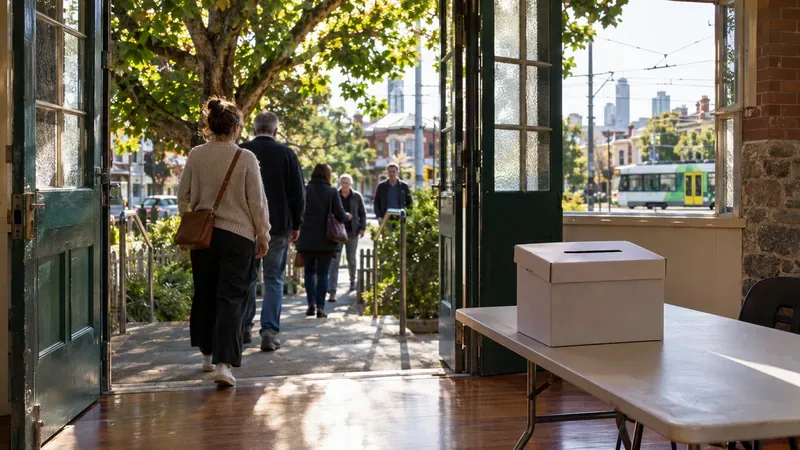
A practical guide to Jess Wilson’s Liberal–National platform, the PBO costings, late policy changes, and how the pledges compare with Labor.

Learn where to find official U.S. election results, how to read precinct reporting, and why a live lead or media projection is not a certified result.

Find the verified kickoff, venue, time-zone conversion, official live match center, viewing links, and Gosford travel guidance for Central Coast Mariners vs Auckland FC.

Australia led Colombia 3–1 around the 61st minute in Canberra. Here is the match context, key players, broadcast information and the Geelong rematch date.

Learn what to ask when a UK pharmacy offers a different brand, generic, or shortage alternative, and how to check the medicine and next steps.

Portland beat Golden State 116–94 in the NBA Cup. Find the official final score, box score, play-by-play and Australian replay options.

Stay safer during hot weather with practical heatwave tips: hydrate, cool your home, protect at-risk people, and recognize heat exhaustion and heatstroke.

The Spurs beat the Lakers 99–96 in San Antonio. See where to track NBA scores, box scores, game updates, and Australian tipoff times.