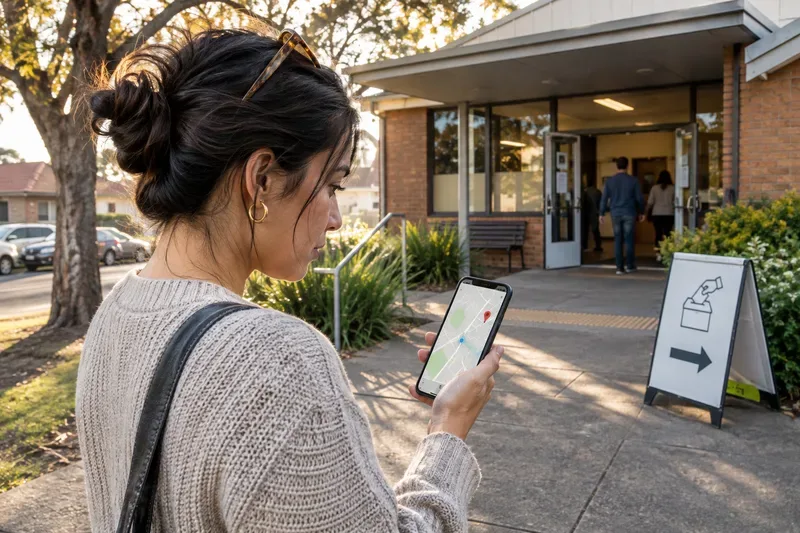
VEC Voting: How to Find a Voting Center in Victoria | Nov. 28, 2026
Find a VEC voting center in Victoria, check its address and accessibility, and confirm hours. Election-day centers closed at 6 p.m. AEDT on Nov. 28, 2026.
Checked: November 28, 2026, at 10:19 UTC. If you are asking who is ahead in a particular U.S. election, the answer depends on the state, county, office, and the time the results page was last refreshed. The United States does not have one official national live-count screen. Start with the relevant state or local election office, then use a reputable news tracker as a convenient cross-check. This guide explains how to read the count without mistaking an early lead or a media projection for a certified result.

For a state or federal contest, use the official election results page published by that state’s election authority. The EAC’s state and territory election office directory is a starting point for finding the right government site. For a mayoral, county, school-board, or ballot-measure race, the county or city election office may be the office that publishes the detailed local count. USAGov also directs readers to the relevant state or local election office for state and local results.
Open the page for the exact election and contest. A statewide governor or Senate contest is not the same race as a congressional district, county commission seat, or local proposition. If a page offers downloadable reports, look for the election date, jurisdiction, contest name, and whether the report is marked unofficial, canvassed, or certified. Bookmark the official page so you can return to the same source rather than a screenshot circulating without context.
A candidate is leading when the reported votes currently place that candidate ahead. It does not mean every eligible ballot has been counted or that officials have finalized the outcome. The EAC explains that preliminary results may continue changing as eligible absentee and mail ballots, provisional ballots, and military and overseas ballots are processed under each state’s rules. Election offices then conduct a canvass: they reconcile and confirm valid ballots and election data. Audits or recounts may also affect the path to final results, with timing and procedures varying by jurisdiction.
The percentage of precincts reporting can be useful context, but it is not a universal “percentage of all votes counted.” A precinct may report an initial batch and submit additional results later; some jurisdictions organize reporting units differently, and ballot categories may arrive on separate schedules. A small lead with many ballots outstanding deserves more caution than a large lead after the jurisdiction has reported nearly all expected ballots, but readers should not infer the remaining vote’s partisan or candidate preference without verified data about those ballots.
News organizations can help readers follow multiple races in one place. The Associated Press describes how its vote-count staff collect county and precinct results and how its Decision Team makes calls using reporting and analysis. A media “call” is an independent projection, not the government’s certification. Use a news tracker for context and speed, then return to the election office for the underlying reported totals and official status.
Election-night reporting is an early public snapshot. Local officials transmit preliminary results; states aggregate and publish them; officials later complete the canvass and certify results under state and local procedures. The EAC says that even a results page showing “100% Precincts Reporting” remains unofficial until required processes are complete. Certification dates vary, and close races may take longer or involve a recount under applicable law. The practical effect for readers is simple: a lead can tell you who is ahead at that moment, but it cannot by itself settle who will take office or whether a ballot measure has passed.
If you are following an issue that could affect your household—such as school funding, local taxes, transit, or a state legislative seat—first verify the exact contest and its official status. Then read the measure text or the winner’s published responsibilities rather than assuming that a projected result automatically changes policy. Results show the outcome of the vote; implementation may depend on certification, legal requirements, budgets, and later decisions.
That cannot be answered reliably without the specific state, district, office, and election. Check the relevant official results page for the latest timestamped count.
No. The EAC says reported results remain unofficial until officials complete the required canvass and certification steps.
No. A news organization may project a winner using its own analysis, but election officials certify the official result.
Find a VEC voting center in Victoria, check its address and accessibility, and confirm hours. Election-day centers closed at 6 p.m. AEDT on Nov. 28, 2026.
A practical guide to Jess Wilson’s Liberal–National platform, the PBO costings, late policy changes, and how the pledges compare with Labor.

Find the verified kickoff, venue, time-zone conversion, official live match center, viewing links, and Gosford travel guidance for Central Coast Mariners vs Auckland FC.
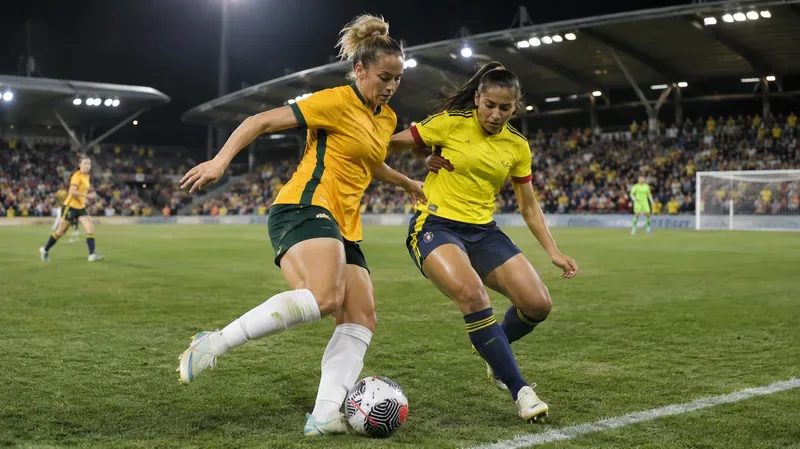
Australia led Colombia 3–1 around the 61st minute in Canberra. Here is the match context, key players, broadcast information and the Geelong rematch date.

Learn what to ask when a UK pharmacy offers a different brand, generic, or shortage alternative, and how to check the medicine and next steps.

Learn when UK pharmacists can supply a different brand or medicine, how Serious Shortage Protocols work, and what the Nov. 28, 2026 plans mean today.
Portland beat Golden State 116–94 in the NBA Cup. Find the official final score, box score, play-by-play and Australian replay options.
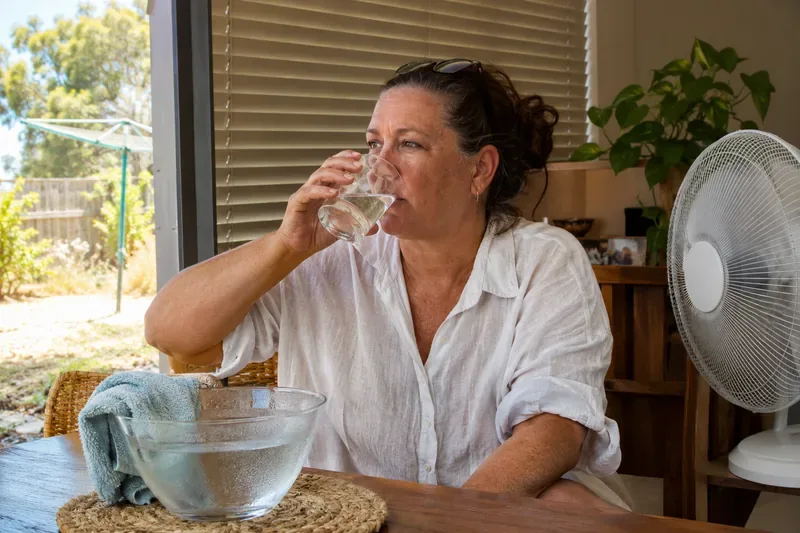
Stay safer during hot weather with practical heatwave tips: hydrate, cool your home, protect at-risk people, and recognize heat exhaustion and heatstroke.

The Spurs beat the Lakers 99–96 in San Antonio. See where to track NBA scores, box scores, game updates, and Australian tipoff times.