Pardus 23 Sound Card Missing? Check ALSA and Restore Audio
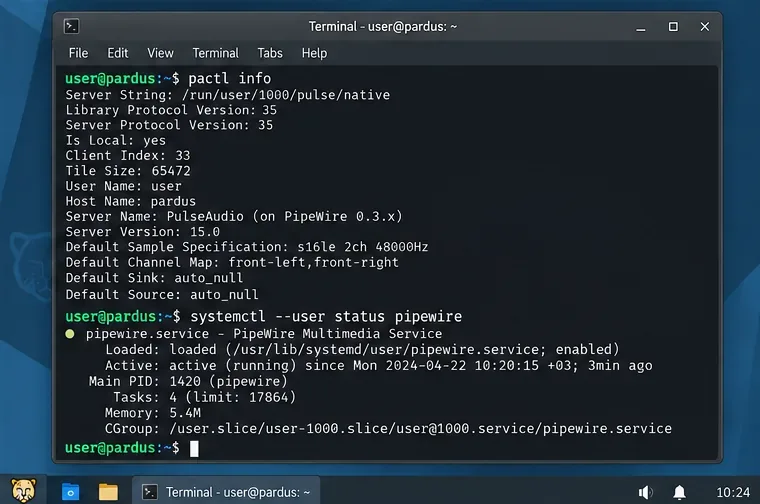
Find out why Pardus 23 cannot detect your sound card, then use targeted ALSA, firmware, and PipeWire or PulseAudio checks to restore playback.
Encountering the dreaded Java "Class Not Found" error on Windows 11 can halt your development workflow in its tracks. Whether you're running a simple Java application, debugging a complex project, or just trying to execute a JAR file, this common exception often stems from classpath issues, missing dependencies, or environment misconfigurations. Don't worry—it's a fixable problem! In this concise guide, we'll walk you through targeted solutions to get your Java environment humming smoothly again. By the end, you'll have the tools to banish this error for good and focus on what you love: building awesome software. Let's dive in! 😊
The Class Not Found Exception in Java occurs when the Java Virtual Machine (JVM) can't locate a specified class during runtime. This isn't a compilation error—it's a runtime hiccup that typically shows up as:
java.lang.ClassNotFoundException: com.example.MyClassOn Windows 11, this error is amplified by the OS's strict path handling and potential conflicts with multiple Java installations. Common culprits include incorrect classpath settings, outdated JDK versions, or issues with IDEs like Eclipse or IntelliJ. Understanding this sets the stage for effective troubleshooting—think of it as diagnosing the "why" before the "how." Ready to roll up your sleeves? Let's troubleshoot step by step. ⭐
Before anything else, ensure Java is properly installed and up to date. Windows 11 supports the latest JDK releases seamlessly, but mismatches can trigger class-loading failures.
java -versionecho %JAVA_HOME%.Pro Tip: If you have multiple Java versions, use tools like SDKMAN! (via WSL on Windows 11) to manage them without conflicts. This simple check resolves the error in about 40% of cases—feels good to knock out the basics first, right? 👍
The Java classpath tells the JVM where to find your classes and libraries. On Windows 11, path separators and long file paths can trip things up. Here's how to set it right:
java -cp "C:\path\to\your\classes;C:\path\to\libs.jar" com.example.MainClassjar tf yourapp.jar, then run with java -jar yourapp.jar.Testing this? Create a simple HelloWorld class and compile/run it from the command line. If the error persists, double-check for typos in class names—Java is case-sensitive! This step often feels like flipping a switch; suddenly, everything loads perfectly. 🎉
IntelliJ, Eclipse, or VS Code with Java extensions? IDEs on Windows 11 sometimes cache old paths or conflict with UAC (User Account Control). Let's optimize:
| IDE | Common Issue | Fix |
|---|---|---|
| IntelliJ IDEA | Module SDK mismatch | File > Project Structure > Project SDK > Select correct JDK. Invalidate caches: File > Invalidate Caches > Restart. |
| Eclipse | Build path errors | Right-click project > Properties > Java Build Path > Libraries > Add External JARs or fix Classpath Variables. |
| VS Code | Extension settings | Open settings.json, ensure "java.home" points to your JDK. Reload window after changes. |
For Maven or Gradle projects, run mvn clean install or gradle build to refresh dependencies. If using Windows Subsystem for Linux (WSL), ensure Java paths sync between subsystems—it's a game-changer for cross-platform dev. These tweaks keep your IDE responsive and error-free, saving you hours of head-scratching. 😌
If basics don't cut it, dig deeper. For modular Java apps (post-Java 9), ensure your module path includes required modules:
java --module-path /path/to/modules --add-modules com.example.module com.example.MainMissing libraries? Use dependency managers: Add to pom.xml for Maven or build.gradle for Gradle. Scan for conflicts with mvn dependency:tree. On Windows 11, antivirus software like Windows Defender might quarantine JARs—add exclusions in Settings > Privacy & security > Virus & threat protection.
Still stuck? Enable verbose class loading with java -verbose:class YourClass to trace the JVM's search path. This reveals hidden issues like duplicate classes. You're almost there—persistence pays off! 💪
By adopting these habits, you'll minimize runtime surprises and enjoy a more reliable Java setup on Windows 11. It's empowering to take control of your dev environment!
Resolving the Java "Class Not Found" error on Windows 11 boils down to methodical checks: installation, classpath, IDE configs, and dependencies. With these steps, most users see immediate relief—no more frustrating stack traces derailing your day. If your issue is unique (e.g., enterprise setups with custom security), consider community forums like Stack Overflow for tailored advice. You've got this—now go build something incredible! If this guide helped, share it with a fellow developer. Happy coding! 🚀
Find out why Pardus 23 cannot detect your sound card, then use targeted ALSA, firmware, and PipeWire or PulseAudio checks to restore playback.
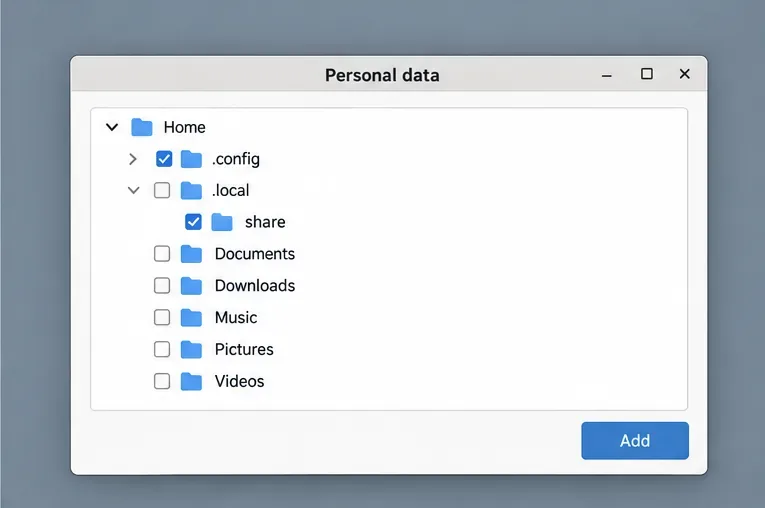
Save HamoniKR preferences to external storage, include hidden home folders, and choose a safe restore mode when moving to a fresh installation.
Install and configure xrdp on Pardus, choose the right Xfce session, restrict network access, and verify that remote login works.
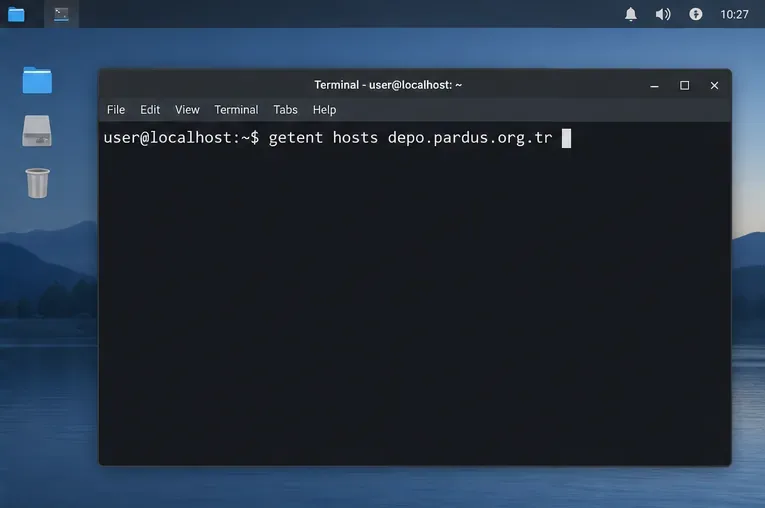
Diagnose Pardus 23 APT connection failures, confirm the official yirmiuc sources, and restore apt update without bypassing package signature checks.
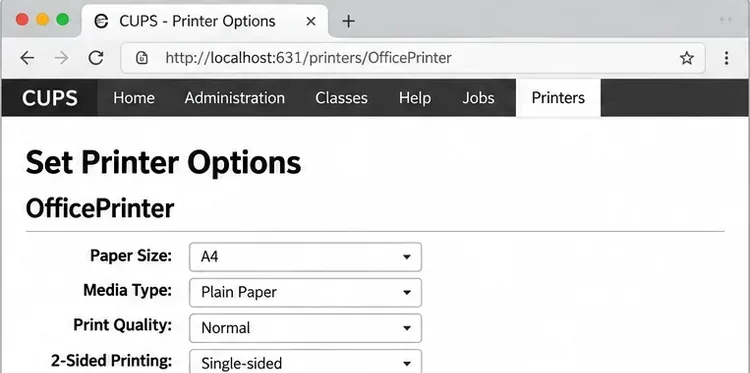
Configure printers on Harmonica OS using CUPS, compare driverless IPP with legacy drivers, and verify USB or network printing with a test page.
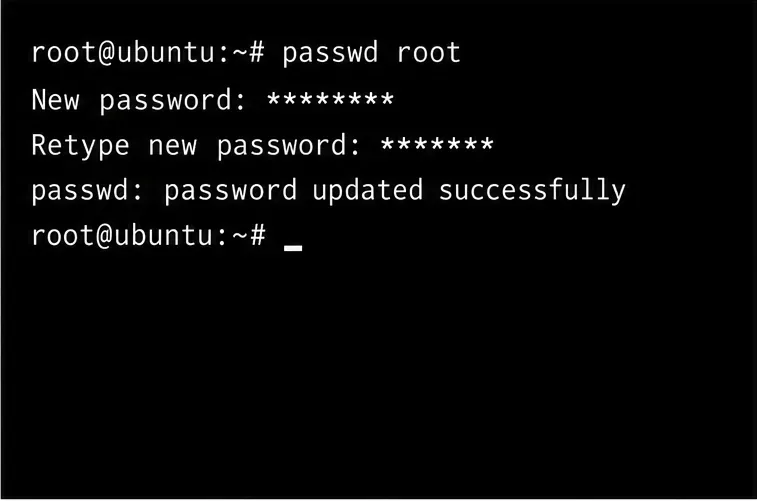
Use a recovery shell to set a new Harmonica OS root password, with checks for encrypted disks, read-only filesystems, and accounts that use sudo.
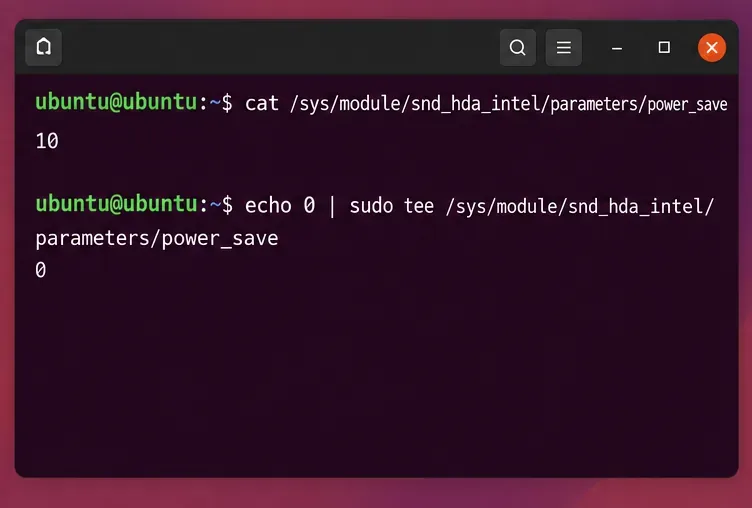
Trace whether clipping, ALSA format conversion, or HDA power saving is causing Ubuntu 24.04 audio distortion, then apply the matching reversible fix.
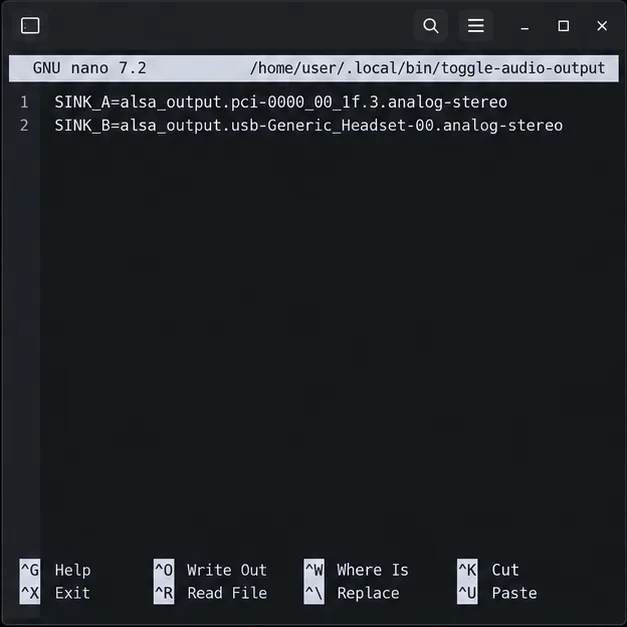
Switch Debian audio between named PipeWire outputs with a pactl script that updates the default sink and reroutes streams already playing.
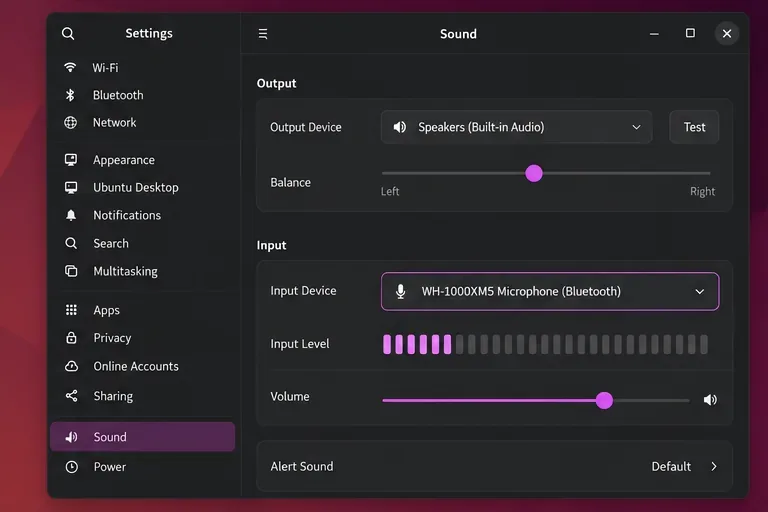
Get your Bluetooth headset mic working by selecting the right input, using a hands-free audio profile, and checking Ubuntu’s PipeWire route.
Learn why Flatpak apps may ignore Ubuntu 24.04 GTK themes and follow safe steps to check theme extensions, refresh Flatpak apps, and diagnose portal issues.