Make Every New Writer Document Use Your Template
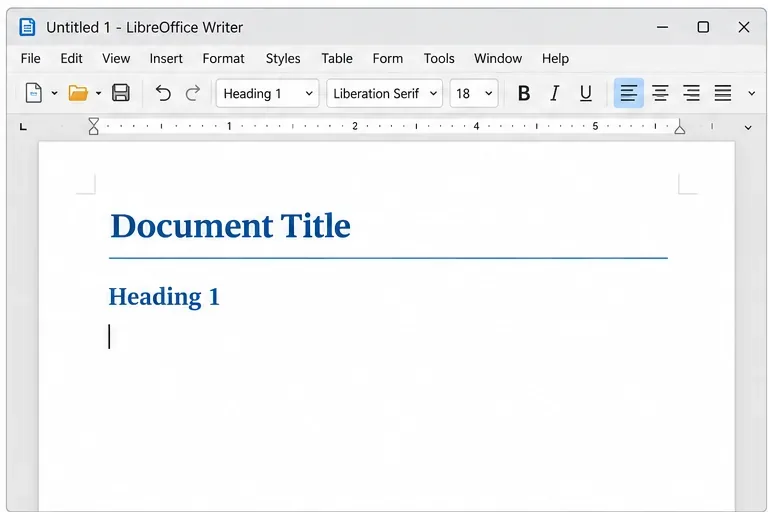
Set a custom LibreOffice Writer template as the default so new documents open with your preferred styles and page layout.
Imagine launching your favorite Java-based application only to be hit with a frustrating JRE crash on Windows 11. You're not alone—many users encounter this issue, especially after recent Windows updates that can disrupt Java's stability. But don't worry! This guide is your roadmap to resolving Java Runtime Environment (JRE) crashes quickly and effectively. We'll dive into the most common causes and provide actionable steps to restore smooth performance. By the end, you'll have your system running like new, freeing you from those annoying pop-ups and freezes.
The Java Runtime Environment (JRE) is essential for running Java applications, from Minecraft to enterprise tools. On Windows 11, crashes often stem from compatibility hiccups, outdated components, or system conflicts. Recent updates to Windows 11 have improved security but sometimes clash with older Java versions, leading to errors like "Java Virtual Machine" failures or unexpected terminations.
Key symptoms include:
These issues can disrupt your workflow, but the good news is they're usually fixable with targeted troubleshooting. Let's explore the root causes and solutions, starting with the basics.
Before jumping into fixes, it's helpful to pinpoint why JRE crashes happen on this OS. Windows 11's stricter hardware requirements and enhanced virtualization features can exacerbate Java issues. Here's a breakdown:
| Cause | Description | Impact on JRE |
|---|---|---|
| Outdated JRE Version | Older Java installs lack patches for Windows 11's latest APIs. | Triggers compatibility errors during runtime. |
| Graphics Driver Conflicts | Incompatible GPU drivers interfere with Java's rendering engine. | Causes crashes in graphics-intensive apps. |
| Insufficient System Resources | Low RAM or high CPU usage overwhelms the JVM. | Leads to memory-related crashes. |
| Windows Security Features | Features like Virtualization-Based Security (VBS) block Java processes. | Results in access denied errors. |
| Corrupted Java Installation | Partial installs or malware interference damage JRE files. | Provokes immediate crashes on launch. |
Recognizing these causes sets the stage for effective repairs. Now, let's roll up our sleeves and fix them one by one. Follow these steps in order for the best results—each builds on the previous to ensure comprehensive resolution.
The first line of defense against JRE crash on Windows 11 is ensuring you're on the most recent Java release. Oracle and OpenJDK frequently update JRE to address Windows compatibility, with the latest versions optimized for Win11's architecture.
Pro tip: Enable automatic updates in Java settings to stay ahead of future Java Runtime Environment crash risks. This simple update often resolves 70% of issues, giving you that "aha!" moment of stability.

Graphics-related JRE errors on Windows 11 are common, especially for users with NVIDIA, AMD, or Intel GPUs. Outdated drivers can cause the JVM to mishandle rendering, leading to crashes.
This step is a game-changer for gamers and designers, restoring fluid performance without the dreaded crashes. Feeling empowered yet? Keep going!
If resource shortages are crashing your JRE on Windows 11, tweaking allocations can make a big difference. Java apps are memory hogs, and Win11's multitasking can strain your setup.
sfc /scannow. This repairs corrupted system files that might affect JRE.These tweaks not only fix crashes but also boost overall speed, making your daily computing more enjoyable. 😊
Windows 11's robust security, like Core Isolation or VBS, can sometimes overzealously block Java processes, causing JRE crash Windows 11 errors.
Balancing security and functionality is key— this adjustment keeps you safe while letting Java thrive.
If crashes linger, a full Java Runtime Environment reinstall is your next move. This eradicates corrupted files.
%temp% in the Run dialog (Win + R) and delete contents.Advanced tip: If you're a developer, enable Java verbose logging (-verbose:gc) to diagnose memory leaks. This level of detail uncovers hidden issues, ensuring long-term stability.
Fixing is great, but prevention is better. To avoid recurring JRE crashes:
By staying proactive, you'll sidestep most pitfalls and enjoy seamless Java experiences. You've got this!
Dealing with a JRE crash on Windows 11 can be maddening, but armed with these steps, you're equipped to conquer it. Start with updates, work through the list, and watch your apps run flawlessly. If a specific error code stumps you, drop it in the comments below—we're here to help. Here's to crash-free computing and getting back to what you love! 👏
Set a custom LibreOffice Writer template as the default so new documents open with your preferred styles and page layout.
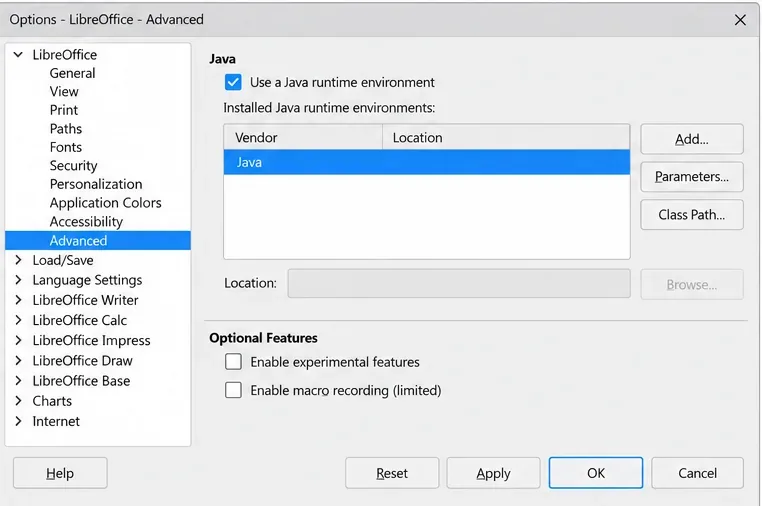
Install a compatible Java runtime, enable it in LibreOffice, and troubleshoot an empty JRE list without changing unrelated settings.
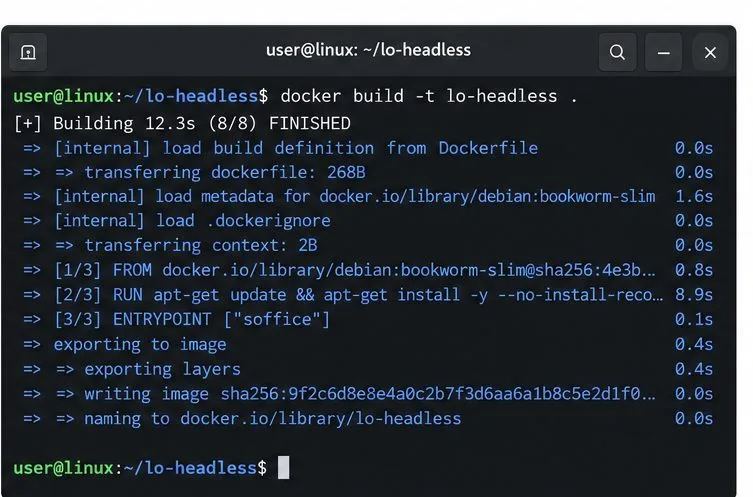
Build a small LibreOffice container, convert office documents without a GUI, and verify PDF output while limiting host-file access.
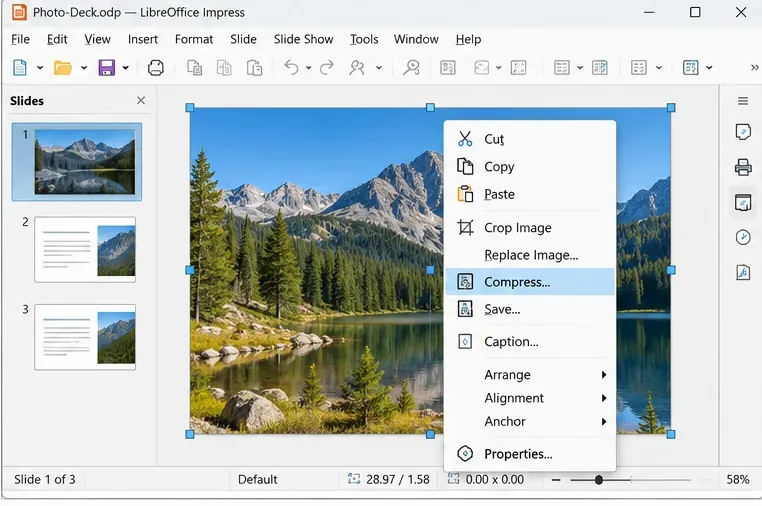
Reduce oversized LibreOffice presentation files by compressing embedded photos, choosing sensible image settings, and checking slide quality before sharing.
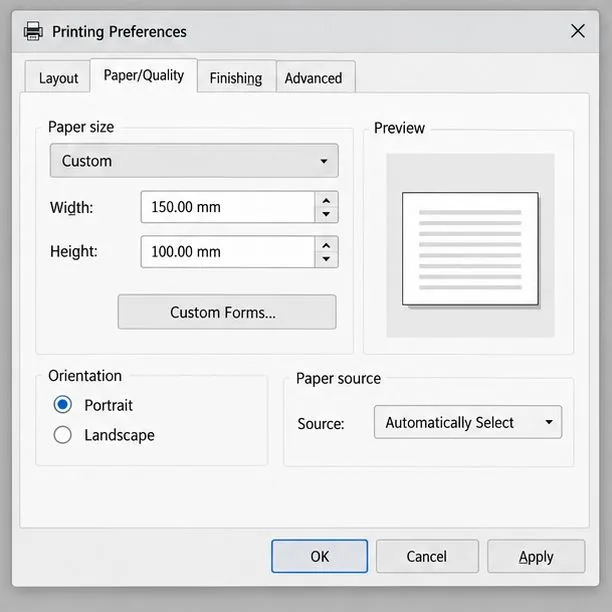
Match LibreOffice’s page dimensions to your printer, check printable margins, and correct scaling before printing a custom-size document.
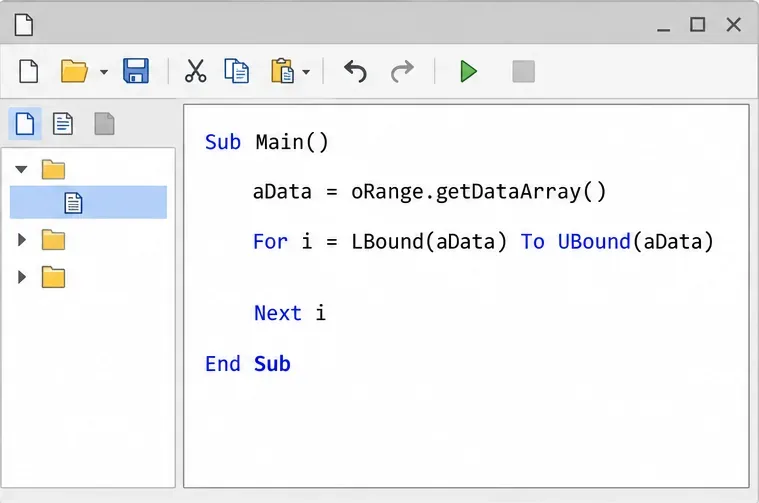
Replace repeated cell access with bulk range reads and writes, then benchmark the result and protect formulas in large Calc workbooks.
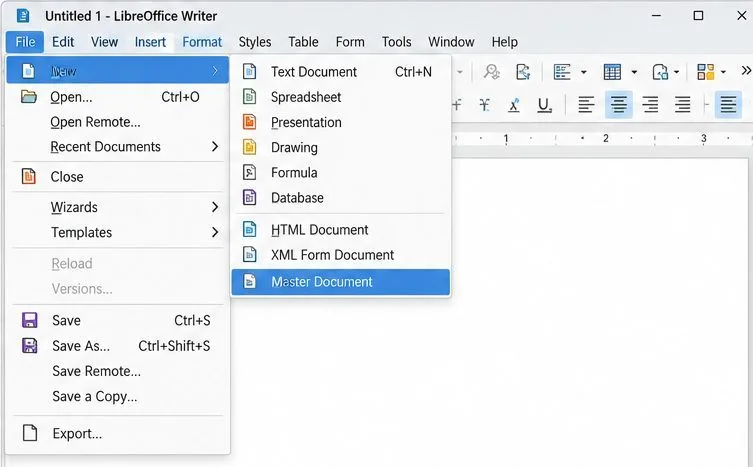
Split a long manuscript into chapters, assemble them in Writer, and keep styles, contents, and export checks consistent.
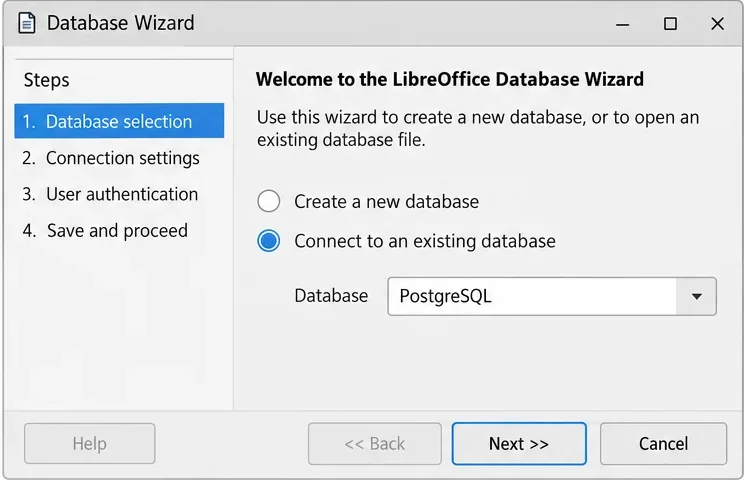
Use Base’s direct PostgreSQL option to enter your server details, sign in, save an ODB connection file, and troubleshoot common access errors.
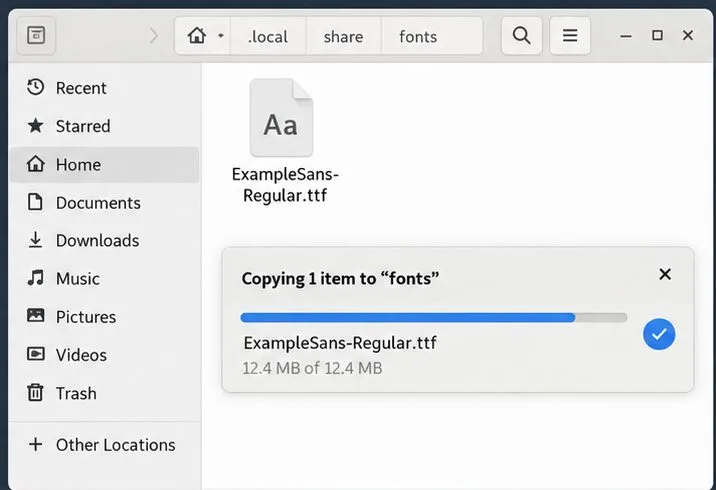
Install a font in your Linux user font folder, restart LibreOffice Flatpak, and confirm it appears in Writer without weakening the app sandbox.
Protect your work and isolate network-drive save crashes in LibreOffice on macOS Sonoma with a local-first workflow, permission checks, and targeted tests.