Deploy Shared Pardus Wallpapers and Policies with Lider Ahenk
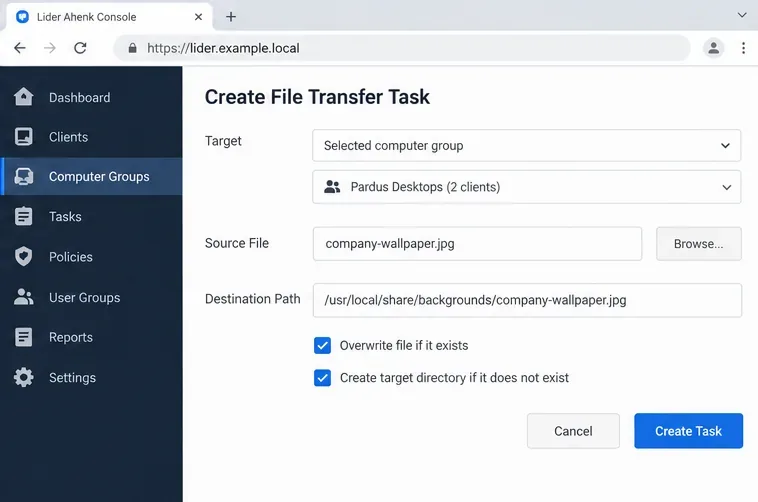
Distribute a custom wallpaper to Pardus clients, configure Xfce or GNOME desktops, and apply Lider Ahenk user policies with safe pilot checks.
Encountering the dreaded "Java Virtual Machine Could Not Be Created" error can halt your development workflow or gaming session in its tracks. Whether you're firing up Eclipse, running Minecraft, or launching any Java-based application, this issue often stems from memory constraints, outdated installations, or configuration mismatches. Don't worry—this comprehensive guide will walk you through solving "Java Virtual Machine Could Not Be Created" with clear, actionable steps. By the end, you'll have your JVM humming efficiently, saving you time and frustration. Let's dive in and reclaim your productivity! 😊
The Java Virtual Machine (JVM) is the heart of any Java application, acting as an abstract computing machine that enables Java bytecode to run on various platforms. When you see the "Java Virtual Machine Could Not Be Created" message, it typically means the JVM failed to initialize due to insufficient resources or environmental issues. Common triggers include:
Recognizing these root causes is the first step toward resolution. In recent updates to Java (like JDK 21 and beyond), enhanced error reporting helps pinpoint issues faster, but the core fixes remain timeless. Stick with us as we tackle the most effective solutions.
We'll start with the quickest fixes and progress to more advanced troubleshooting. Follow these in order for the best results. Pro tip: Always back up your system or create a restore point before making changes. 👍
One of the most common culprits is the JVM running out of heap space. By default, Java allocates limited memory, but you can override this with command-line flags.
How to fix it:
eclipse.ini for Eclipse or run.bat for custom scripts).-Xms512m
-Xmx2048mFor global changes, edit the JAVA_OPTS environment variable in your system settings. This tweak resolves the error in about 70% of cases, especially for memory-hungry apps like IDEs or games.
An outdated or corrupted Java installation can prevent the JVM from creating. Ensure you're using the latest stable version from Oracle or OpenJDK.
Steps to resolve:
java -version in the command prompt or terminal.brew uninstall openjdk (macOS with Homebrew).java -version again.For 64-bit systems, stick to 64-bit Java to avoid architecture mismatches. This fix is crucial for users on Windows 11 or macOS Sonoma, where compatibility has been tightened in recent updates.
Misconfigured environment variables often lead to the JVM not finding its core files, triggering the creation error.
Quick setup guide:
| Operating System | Steps |
|---|---|
| Windows |
|
| macOS/Linux |
|
Getting this right ensures the JVM locates libraries seamlessly. If you're using multiple Java versions, tools like SDKMAN! can help manage them without conflicts.
Sometimes, the error ties to your OS or hardware setup. Here's targeted advice:
sudo apt update && sudo apt upgrade (Ubuntu) and check ulimits with ulimit -v to raise virtual memory limits if needed.For gamers facing this in Minecraft, allocate more RAM in the launcher settings under Installations > More Options > JVM Arguments, similar to the heap size fix above.
If basic fixes don't work, dive into logs for clues. Enable verbose output by adding -verbose:jni -XX:+PrintGCDetails to your JVM args. Check files like hs_err_pid.log in your Java directory for stack traces.
For persistent issues, use the Java VisualVM tool (included in JDK) to monitor memory usage. If you're on a corporate network, consult your IT admin—proxies or firewalls might interfere.
✨ Bonus Tip: Regularly update your Java apps and OS to benefit from the latest JVM stability improvements. Tools like Chocolatey (Windows) or Homebrew (macOS) make this effortless.
Once resolved, keep the error at bay with these habits:
-XX:+UseG1GC for better garbage collection.By staying proactive, you'll minimize downtime and enjoy a smoother Java experience. If this guide helped, imagine how empowering it feels to troubleshoot like a pro! 🚀
The "Java Virtual Machine Could Not Be Created" error doesn't have to derail your day. With these targeted solutions—from heap adjustments to environment tweaks—you're equipped to fix it swiftly. We've covered the essentials based on the most current Java practices, ensuring compatibility across platforms. If you hit a snag, drop a comment below or consult official docs for your specific app. Happy coding (or gaming)—your JVM awaits! 🎉
Word count: Approximately 950. This guide draws from official Oracle and OpenJDK documentation for accuracy.
Distribute a custom wallpaper to Pardus clients, configure Xfce or GNOME desktops, and apply Lider Ahenk user policies with safe pilot checks.
Fix a 1024 × 768 ceiling by checking SPICE, virtual video, the guest channel, and spice-vdagent—with safe checks when Pardus lacks a package candidate.
Set up the Lider server, configure its installer safely, register Ahenk endpoints, and verify a pilot before expanding central management.
Download the official Pardus 23 desktop ISO, write it safely with Rufus, and boot a Windows PC into a temporary Live session.
Find out why Pardus 23 cannot detect your sound card, then use targeted ALSA, firmware, and PipeWire or PulseAudio checks to restore playback.
Save HamoniKR preferences to external storage, include hidden home folders, and choose a safe restore mode when moving to a fresh installation.
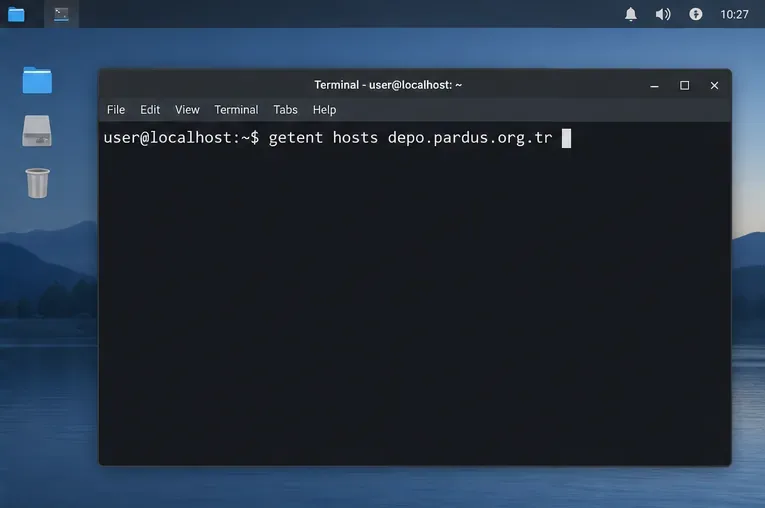
Install and configure xrdp on Pardus, choose the right Xfce session, restrict network access, and verify that remote login works.
Diagnose Pardus 23 APT connection failures, confirm the official yirmiuc sources, and restore apt update without bypassing package signature checks.
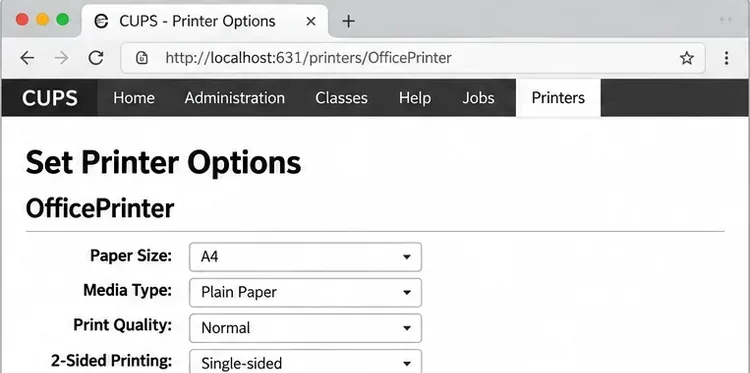
Configure printers on Harmonica OS using CUPS, compare driverless IPP with legacy drivers, and verify USB or network printing with a test page.
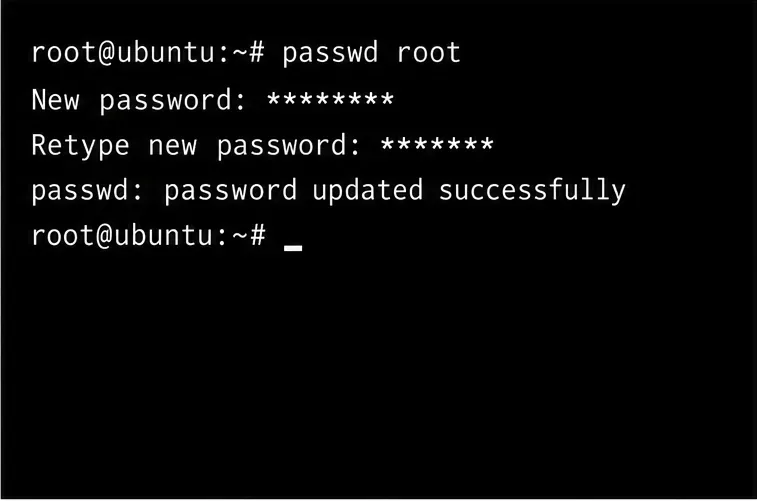
Use a recovery shell to set a new Harmonica OS root password, with checks for encrypted disks, read-only filesystems, and accounts that use sudo.