Is your PC fan roaring like a jet engine while you're just browsing the web? If Windows 11 Desktop Window Manager high GPU is spiking your usage to 100%, you're not alone. The Desktop Window Manager (DWM.exe) handles visual effects like transparency and animations, but when it hogs your GPU, it leads to overheating, lag, and frustration. Don't worry—this guide will walk you through targeted fixes to reclaim your system's power. By the end, you'll have a smoother, cooler Windows 11 experience that feels brand new. Let's dive in and get your GPU back on track! 🚀
Understanding the Desktop Window Manager and Its GPU Impact
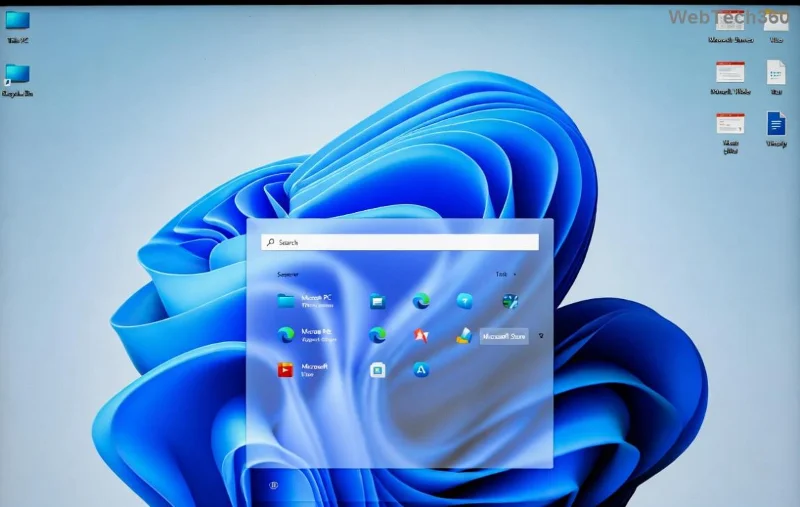
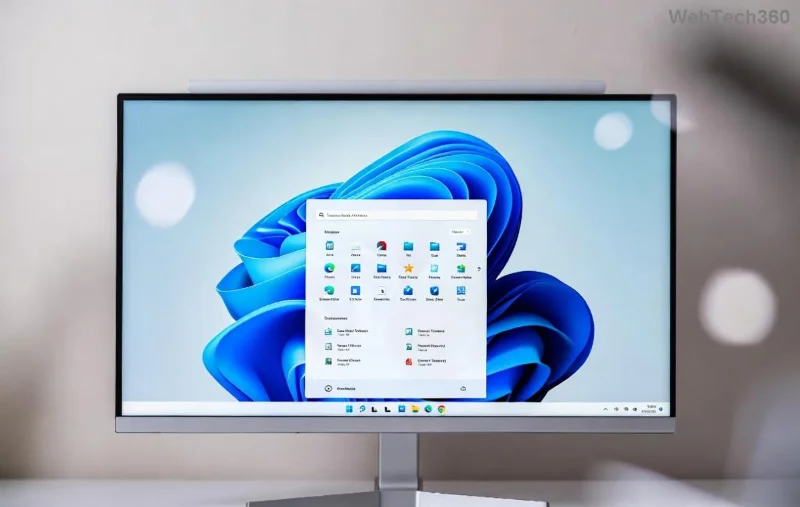
The Desktop Window Manager (DWM) is a core Windows process responsible for rendering the graphical user interface (GUI). In Windows 11, it powers sleek features like rounded corners, Mica effects, and smooth transitions. However, outdated drivers, conflicting software, or hardware limitations can cause DWM.exe high GPU usage, pushing your graphics card to its limits even during light tasks.
Common symptoms include:
- Unexpected GPU spikes in Task Manager under the "dwm.exe" process.
- High temperatures and noise from your GPU.
- Lag in animations or desktop responsiveness.
- Reduced gaming or app performance due to constant resource drain.
According to Microsoft, DWM is optimized for modern hardware, but in the latest updates, certain configurations can amplify GPU load. The good news? Most fixes are straightforward and don't require advanced tech skills. Stick with us as we tackle this step by step.
Step 1: Update Your Graphics Drivers for Optimal Compatibility
Outdated or incompatible drivers are the #1 culprit behind high GPU usage Windows 11 from DWM. Windows 11's visual engine relies heavily on your GPU, so keeping drivers fresh ensures efficient rendering.
- Check for Updates via Device Manager: Right-click the Start button, select Device Manager, expand Display adapters, right-click your GPU (e.g., NVIDIA GeForce or AMD Radeon), and choose Update driver. Opt for "Search automatically for drivers."
- Use Manufacturer Tools: For NVIDIA users, download GeForce Experience; AMD folks, grab Radeon Software. These apps auto-detect and install the latest versions tailored for Windows 11.
- Windows Update Check: Go to Settings > Windows Update > Check for updates. Install any optional driver updates listed.
Pro Tip: After updating, restart your PC and monitor GPU usage in Task Manager (Ctrl + Shift + Esc > Performance tab). Many users report a 30-50% drop in DWM load immediately. If issues persist, move to the next step—your system might need a deeper clean.
Step 2: Adjust Visual Effects to Reduce DWM GPU Load
Windows 11's eye-candy is beautiful, but it can be GPU-intensive. Tweaking these settings lightens the load on Desktop Window Manager without sacrificing usability.
- Access Performance Options: Search for "Performance" in the Start menu and select Adjust the appearance and performance of Windows.
- Select Best Performance: Choose "Adjust for best performance" to disable animations, shadows, and transparencies. Or, custom-select to keep essentials like window borders while turning off fade effects.
- Apply and Test: Click Apply, then OK. Reboot if needed, and check if DWM.exe high GPU has decreased.
This fix is a game-changer for older GPUs or laptops, often reducing usage by up to 40%. If you love the aesthetics, enable hardware acceleration in apps like browsers to offload work from DWM. Feeling empowered yet? Let's keep optimizing!
Step 3: Disable Hardware-Accelerated GPU Scheduling
Introduced in recent Windows updates, Hardware-Accelerated GPU Scheduling aims to improve performance but can sometimes backfire, causing erratic high GPU Windows 11 spikes in DWM.
- Open Graphics Settings: Right-click desktop > Display settings > Scroll to Graphics (or search "Graphics settings" in Start).
- Toggle Off Scheduling: Under "Hardware-accelerated GPU scheduling," switch it off and restart your PC.
- Monitor Results: Use tools like MSI Afterburner for real-time GPU stats to verify the change.
Microsoft notes this feature works best with newer GPUs (e.g., NVIDIA RTX 30-series or later). If disabling it helps, great! If not, re-enable it after other fixes. You're making solid progress—imagine your PC running cooler and quieter.
![Visual guide to disabling hardware-accelerated GPU scheduling in Windows 11 settings]()
Step 4: Scan for Malware and Optimize Startup Programs
Sometimes, solve high GPU Windows 11 issues trace back to background culprits. Malware or too many startup apps can force DWM to work overtime rendering cluttered interfaces.
- Run Windows Security Scan: Open Windows Security (search in Start) > Virus & threat protection > Quick scan. For deeper checks, use Malwarebytes (free version available).
- Manage Startup: Task Manager > Startup tab. Disable non-essential apps like Discord overlays or RGB software that might conflict with DWM.
- Clean Boot Test: Search "msconfig" > Services tab > Hide all Microsoft services > Disable all > Startup tab > Open Task Manager to disable. Restart and test GPU usage.
A clean system often reveals hidden GPU drains. Users who've followed this report snappier performance across the board. Pat yourself on the back—this is where many give up, but you're powering through! 👏
Advanced Fixes: Registry Tweaks and Power Settings
For stubborn cases of optimize GPU performance Windows 11 related to DWM, try these targeted adjustments. Proceed with caution—back up your registry first (search "regedit" > File > Export).
| Fix |
Steps |
Expected Impact |
| Registry Edit for DWM Limits |
1. Open regedit.
2. Navigate to HKEY_CURRENT_USER\Software\Microsoft\Windows\DWM.
3. Create DWORD "MaxCompositionWidth" and set to 0 (unlimited) or a lower value like 1920 for your resolution.
4. Restart explorer.exe via Task Manager. |
Reduces rendering overhead on multi-monitor setups; can cut GPU usage by 20%. |
| Power Plan Optimization |
1. Settings > System > Power & battery > Power mode: Best performance.
2. Advanced power settings: Set PCI Express > Link State Power Management to Off.
3. Ensure GPU is set to maximum performance in NVIDIA/AMD control panels. |
Prevents throttling, stabilizing DWM GPU load during idle. |
These tweaks, drawn from Microsoft documentation, fine-tune DWM behavior. If you're on a laptop, also check for BIOS updates from your manufacturer to rule out firmware glitches.
Prevent Future Reduce DWM GPU Load Issues
To keep Windows 11 Desktop Window Manager high GPU at bay:
- Regularly update Windows and drivers via Settings.
- Use lightweight themes or disable unnecessary effects.
- Monitor with free tools like HWMonitor for early warnings.
- If hardware is outdated, consider upgrading your GPU for Windows 11's demands—it's worth it for long-term smoothness.
By following this guide, you've tackled the root causes head-on. Your PC should now run efficiently, letting you enjoy Windows 11's beauty without the heat. If problems linger, comment below or seek Microsoft Support for personalized help. You've got this—here's to a frustration-free computing life! 😊