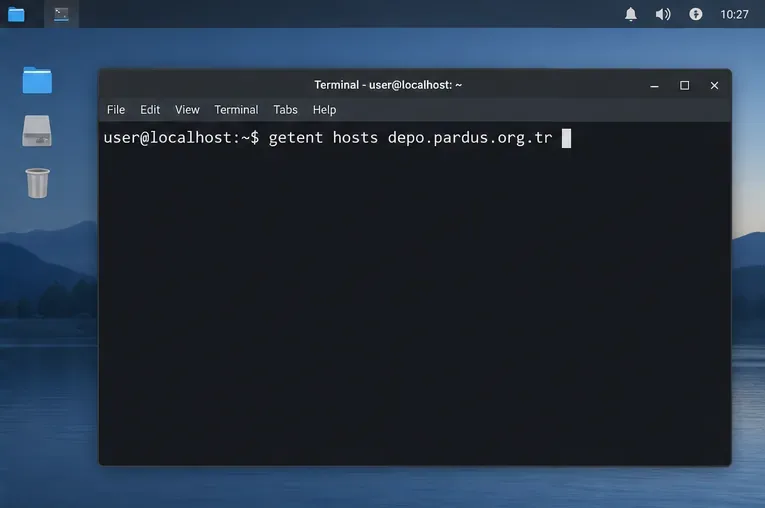

Set Up Secure RDP Access to a Pardus Xfce Desktop

Install and configure xrdp on Pardus, choose the right Xfce session, restrict network access, and verify that remote login works.
Imagine powering up your Windows 11 PC, only to be hit with a dreaded Blue Screen of Death (BSOD) flashing the Page Fault in Nonpaged Area error. It's a common nightmare that points straight to memory issues, often tied to your RAM. But don't worry—this guide is your lifeline. We'll dive into what this error means, why it happens, and how to fix it with targeted RAM fix strategies. By the end, you'll have your system back to peak performance, feeling empowered and frustration-free. Let's get started! 🚀
The Page Fault in Nonpaged Area error is a critical system failure in Windows 11, indicating that the operating system tried to access a memory page in the nonpaged pool (a reserved area of RAM that stays in physical memory) but couldn't. This leads to an instant BSOD crash, halting everything from gaming sessions to work tasks.
In simple terms, it's like your PC's memory manager hitting a roadblock. According to Microsoft's official documentation, this error often stems from faulty hardware, driver conflicts, or corrupted system files—frequently centered around RAM. Recent updates in Windows 11 have refined memory management, but the issue persists for many users due to hardware incompatibilities or wear and tear.
Why focus on RAM? Because the nonpaged pool relies heavily on stable physical memory. A glitch here can cascade into system-wide instability. Spotting this early saves you hours of downtime—keep reading to pinpoint and resolve it.
Understanding the root causes is key to a lasting Windows 11 RAM fix. Here's what typically triggers this error:
These aren't random; they're tied to how Windows 11 handles the nonpaged pool more efficiently than ever, exposing underlying problems. If your crashes happen during heavy loads like video editing or browsing, RAM is likely the culprit. Ready to troubleshoot? Let's roll up our sleeves.
We'll tackle this systematically, starting with simple checks and escalating to advanced RAM fix Windows 11 methods. Follow these steps in order for the best results. Pro tip: Back up your data first to avoid any hiccups! 💾
The built-in Memory Diagnostic is your first line of defense for spotting BSOD error fix related to RAM.
mdsched.exe, and hit Enter.If errors are detected, your RAM needs attention—jump to hardware checks below. This tool uses the latest Windows 11 algorithms to stress-test memory thoroughly.
Driver mismatches are a top cause of memory troubleshooting Windows 11. Outdated ones can mishandle the nonpaged pool.
Restart after updates. This often resolves 40% of such errors, per user reports on Microsoft forums.
Corrupted files can fake a RAM issue. Use these commands in an elevated Command Prompt (search "cmd," right-click > Run as administrator).
sfc /scannow and press Enter. Wait for it to scan and repair.DISM /Online /Cleanup-Image /RestoreHealth to fix the Windows image.These tools are updated in recent Windows 11 builds to handle nonpaged area integrity better.
Time for hands-on RAM fix. Faulty hardware is behind many persistent cases.
| Step | Action | Why It Helps |
|---|---|---|
| 1. Power Off | Shut down PC, unplug, and open the case. | Prevents static damage and ensures safety. |
| 2. Reseat Modules | Remove RAM sticks, clean contacts with a soft cloth (no liquids), and reinsert firmly. | Fixes loose connections causing page faults. |
| 3. Test Individually | If multiple sticks, test one at a time in the primary slot. | Isolates faulty RAM for replacement. |
| 4. Run MemTest86 | Download from MemTest86 official site, create a bootable USB, and run overnight. | Advanced testing beyond Windows tools. |
If MemTest86 flags errors, replace the RAM. Opt for DDR4/DDR5 modules compatible with your motherboard—check specs via CPU-Z for free.
Virtual RAM can amplify issues if misconfigured.
For overheating, use tools like HWMonitor to check temps. Clean dust from fans and ensure good airflow. If temps exceed 80°C under load, improve cooling.
For malware checks, run Windows Security full scan or Malwarebytes for deeper cleaning.
If basics fail, update your BIOS from your motherboard manufacturer's site (e.g., ASUS, MSI) for better RAM compatibility. Proceed cautiously—follow their guides.
For clean boot: Search "msconfig" > Services > Hide all Microsoft > Disable all > Startup tab > Open Task Manager > Disable non-essential > Restart. This isolates software conflicts.
Re-enable items gradually to find the offender. These steps leverage Windows 11's latest stability features for a robust nonpaged area error solution.
Fixing is great, but prevention is better. Maintain your system with regular driver updates, monthly memory diagnostics, and hardware checks. Use reliable antivirus and avoid overclocking unstable RAM. For gamers or heavy users, consider upgrading to 16GB+ RAM to ease nonpaged pool pressure.
Staying proactive means fewer crashes and more reliable performance. If issues persist after these steps, it might be time for professional diagnostics—your PC deserves it! 😊
Dealing with Page Fault in Nonpaged Area can feel overwhelming, but with this guide, you're equipped to tackle it head-on. From quick scans to thorough RAM reseating, each step brings you closer to a crash-free experience. You've got this—your smoother, faster Windows 11 awaits. If you try these fixes, share your success in the comments below. Happy computing! 👏
Install and configure xrdp on Pardus, choose the right Xfce session, restrict network access, and verify that remote login works.
Diagnose Pardus 23 APT connection failures, confirm the official yirmiuc sources, and restore apt update without bypassing package signature checks.
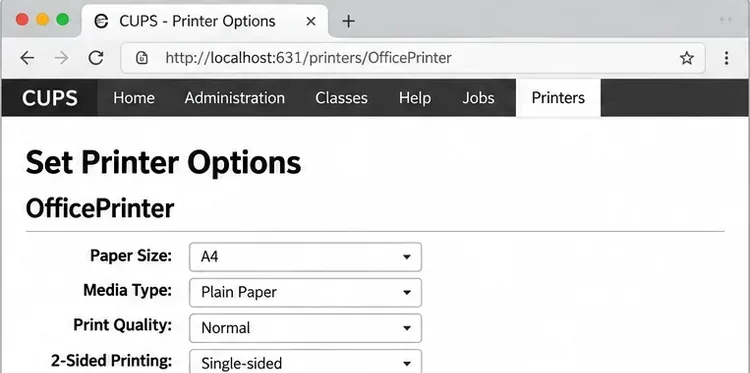
Configure printers on Harmonica OS using CUPS, compare driverless IPP with legacy drivers, and verify USB or network printing with a test page.
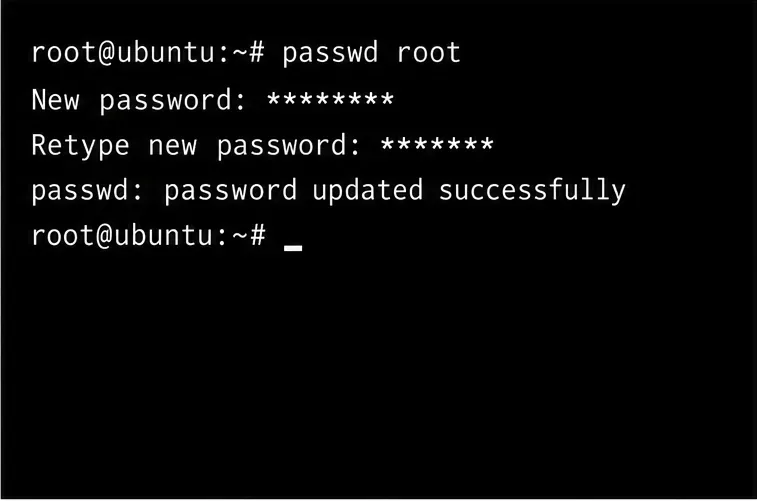
Use a recovery shell to set a new Harmonica OS root password, with checks for encrypted disks, read-only filesystems, and accounts that use sudo.
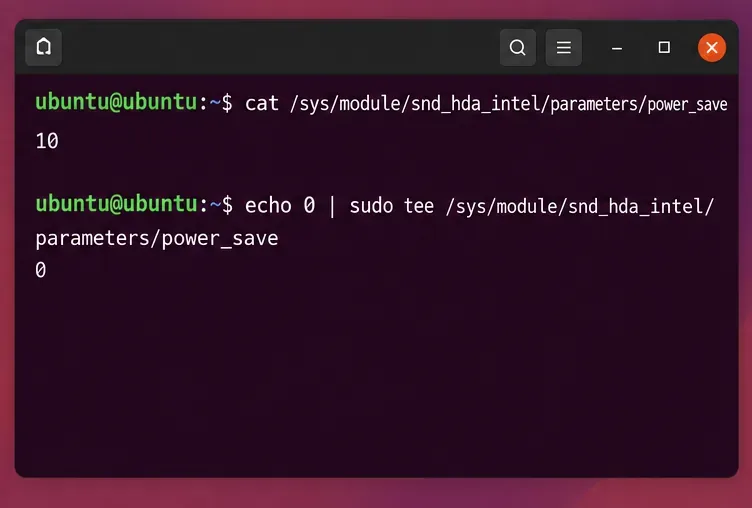
Trace whether clipping, ALSA format conversion, or HDA power saving is causing Ubuntu 24.04 audio distortion, then apply the matching reversible fix.
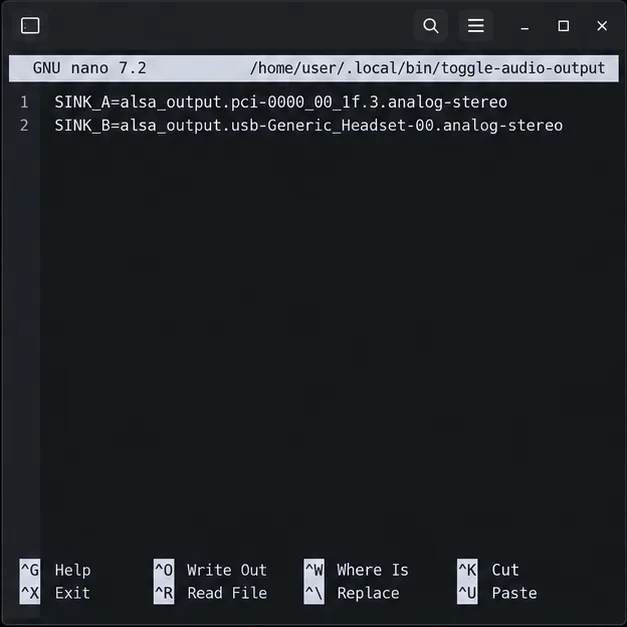
Switch Debian audio between named PipeWire outputs with a pactl script that updates the default sink and reroutes streams already playing.
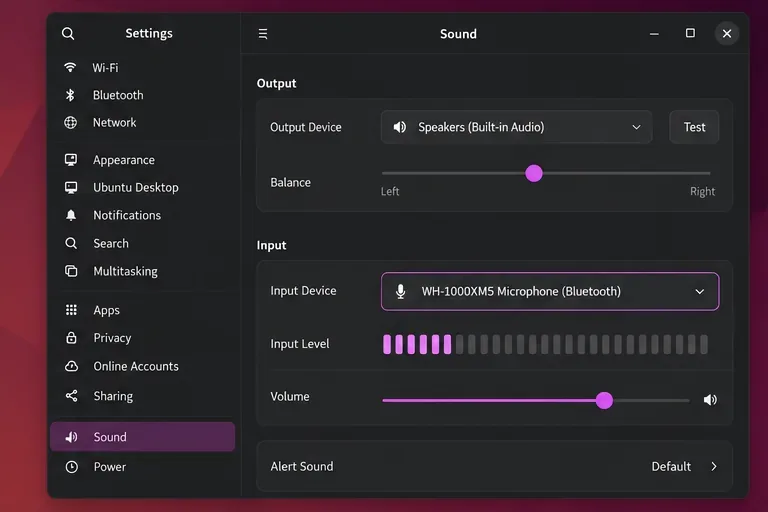
Get your Bluetooth headset mic working by selecting the right input, using a hands-free audio profile, and checking Ubuntu’s PipeWire route.
Learn why Flatpak apps may ignore Ubuntu 24.04 GTK themes and follow safe steps to check theme extensions, refresh Flatpak apps, and diagnose portal issues.
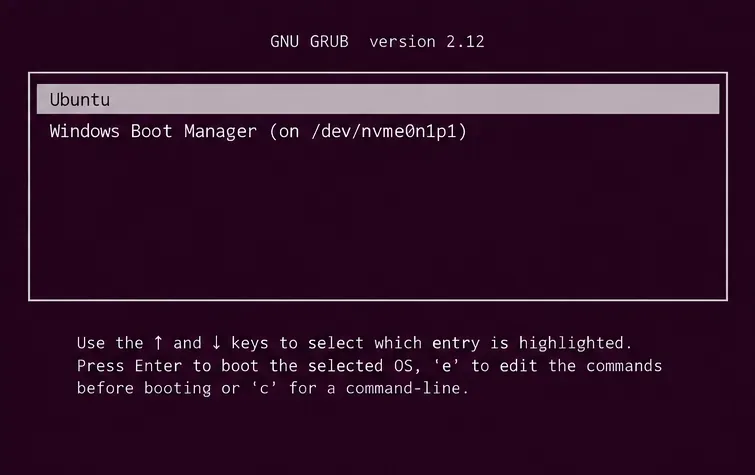
Install Ubuntu 24.04 alongside Windows 11 with BitLocker safely. Compare separate-drive and shared-drive paths, recovery keys, partitioning, and boot checks.
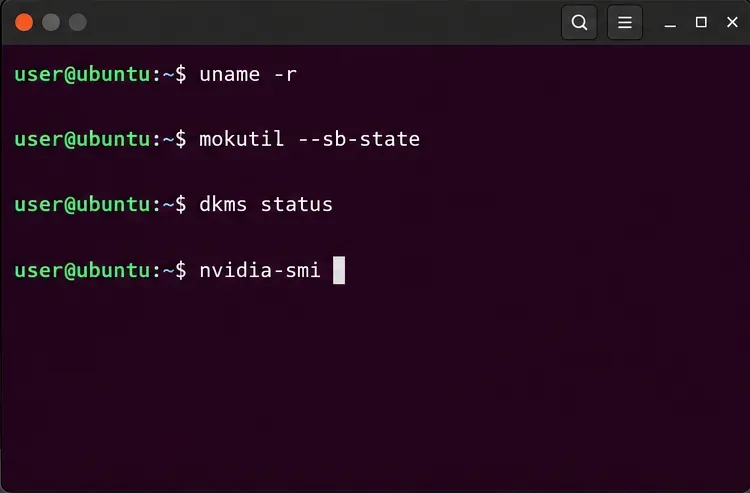
Diagnose NVIDIA driver failures after an Ubuntu kernel update. Check DKMS and Secure Boot, rebuild the matching module, enroll a MOK, and verify the fix.