Make Every New Writer Document Use Your Template
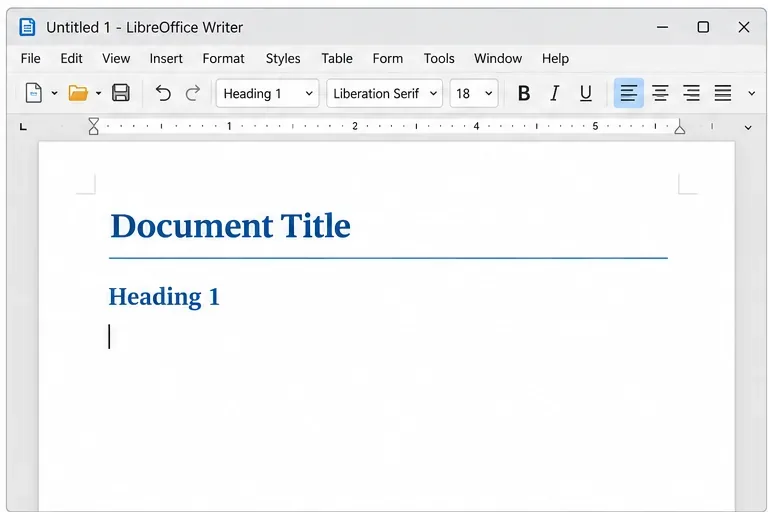
Set a custom LibreOffice Writer template as the default so new documents open with your preferred styles and page layout.
Are you hitting a roadblock while trying to upgrade to Windows 11? The dreaded "TPM attestation not supported" error can feel like a brick wall, especially if your PC meets most requirements but falls short on Trusted Platform Module (TPM) 2.0. Don't worry—this guide is your lifeline! We'll walk you through understanding the issue, why it happens, and reliable fixes to get you up and running. By the end, you'll have a smooth Windows 11 experience, no tech headaches required. Let's dive in and turn that frustration into triumph! 🚀
The TPM attestation not supported error pops up during the Windows 11 installation or upgrade process when your system can't verify TPM 2.0 compatibility. TPM, or Trusted Platform Module, is a hardware chip (or firmware-based equivalent) that enhances security by handling encryption keys, secure boot, and authentication. Microsoft mandates TPM 2.0 for Windows 11 to protect against modern threats like firmware attacks.
But here's the catch: Not all PCs have dedicated TPM hardware, and even if they do, attestation—the process of confirming TPM's integrity—might fail due to outdated firmware, disabled settings, or compatibility glitches. This error isn't just a nuisance; it blocks your upgrade, leaving you stuck on older Windows versions. The good news? It's often fixable without buying new hardware. Stick around as we unpack the causes and solutions step by step.
Before jumping into fixes, let's pinpoint why this error strikes:
Understanding these helps you target the right solution. If your PC is from the last decade, chances are it's salvageable. Ready to fix it? Let's roll up our sleeves! 💪
We'll start with the simplest, non-invasive methods and escalate to advanced tweaks. Always back up your data before proceeding—better safe than sorry! These solutions are based on the latest Windows 11 builds as of 2026, ensuring compatibility with recent updates.
The most common fix? Just flip a switch in your motherboard settings. Here's how:
Pro tip: If you're unsure about your hardware, use the built-in PC Health Check tool from Microsoft to scan for TPM readiness. This quick check can save hours of trial and error.
Outdated BIOS is a silent TPM killer. Manufacturers like ASUS, MSI, and Gigabyte release updates to add TPM 2.0 support.
After updating, re-enable TPM and test. Many users report instant resolution to TPM attestation not supported after this step.
If hardware tweaks aren't feasible, you can bypass the check temporarily. This isn't ideal for security-conscious users but works for testing or non-critical setups. Note: Microsoft may patch this in future updates, so use it as a bridge to proper compliance.
regedit, and hit Enter.HKEY_LOCAL_MACHINE\SYSTEM\Setup.This method has helped countless users upgrade without hassle. For more details, check Microsoft's official documentation on TPM fundamentals.
Creating bootable media with built-in bypasses is a game-changer for stubborn errors.
| Step | Action | Tool Needed |
|---|---|---|
| 1 | Download Windows 11 ISO from Microsoft. | Official ISO |
| 2 | Download Rufus (free tool) from rufus.ie. | Rufus 4.x |
| 3 | Select ISO, enable "Remove requirement for 4GB+ RAM, Secure Boot, and TPM 2.0" in Rufus options. | USB Drive (8GB+) |
| 4 | Create media and boot from it to install. | — |
Rufus streamlines the process, making TPM attestation not supported a non-issue. Users love how it skips checks without registry dives.
For enterprise or tricky setups, try these:
gpedit.msc, go to Computer Configuration > Administrative Templates > System > Device Guard. Enable "Turn on Virtualization Based Security" and set TPM options.Get-Tpm | Enable-TpmAutoProvisioning. This provisions TPM if available.If all else fails, consider a clean install or hardware upgrade like adding a TPM module (around $20-50 for compatible boards).
Still stuck? Run the Windows 11 Installation Assistant or Media Creation Tool after fixes. Clear temp files with Disk Cleanup and ensure Secure Boot is enabled alongside TPM. For persistent issues, forums like Reddit's r/Windows11 offer community wisdom, but always verify against official sources.
One user shared: "Enabling fTPM in BIOS fixed my TPM attestation not supported error overnight—Windows 11 feels snappier already!" Your success story could be next.
Beyond upgrades, TPM bolsters your PC's security in an era of rising cyber threats. Features like BitLocker and Windows Hello rely on it. Fixing this error isn't just about installation—it's about future-proofing your setup. Imagine seamless updates, enhanced privacy, and that satisfying "upgrade complete" screen. You've got this!
From BIOS tweaks to clever bypasses, resolving the Windows 11 TPM attestation not supported error is straightforward with the right steps. Start with enabling TPM, update your firmware, and use tools like Rufus for quick wins. If you're on the fence, remember: A secure Windows 11 awaits. Drop a comment below if this guide helped—let's celebrate your upgrade victory together! 🎉
For the latest on Windows requirements, visit Microsoft's Windows 11 specs page.
Set a custom LibreOffice Writer template as the default so new documents open with your preferred styles and page layout.
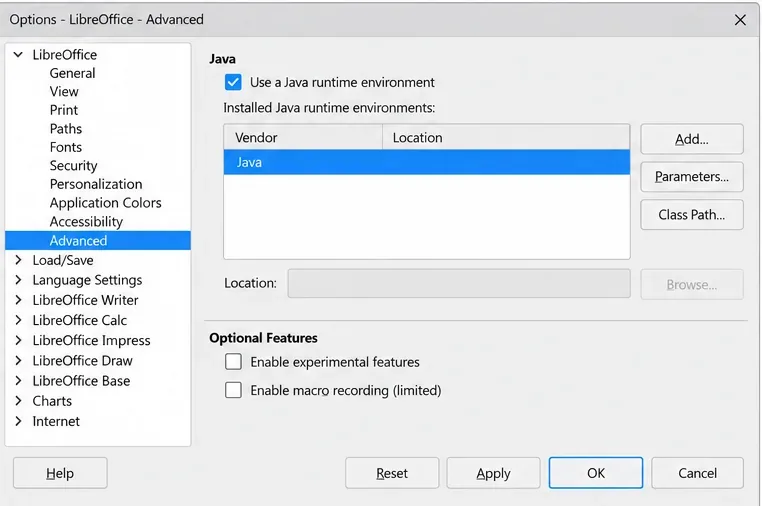
Install a compatible Java runtime, enable it in LibreOffice, and troubleshoot an empty JRE list without changing unrelated settings.
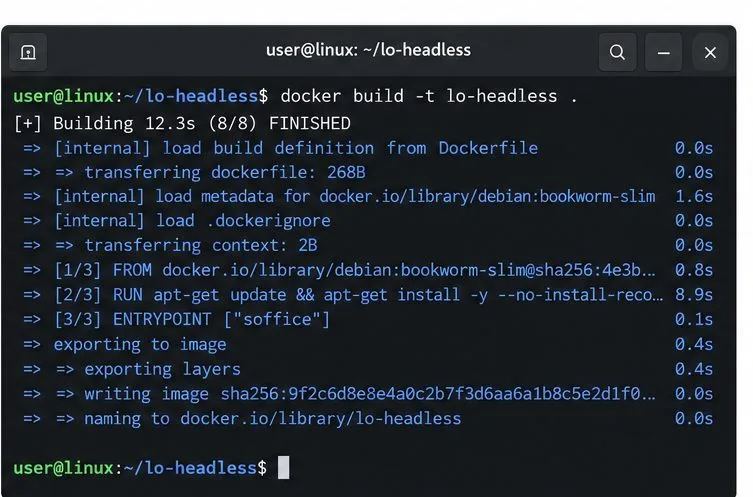
Build a small LibreOffice container, convert office documents without a GUI, and verify PDF output while limiting host-file access.
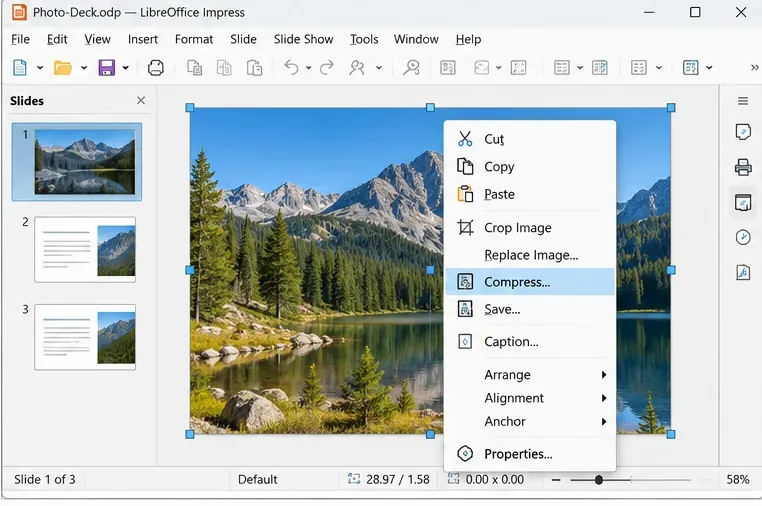
Reduce oversized LibreOffice presentation files by compressing embedded photos, choosing sensible image settings, and checking slide quality before sharing.
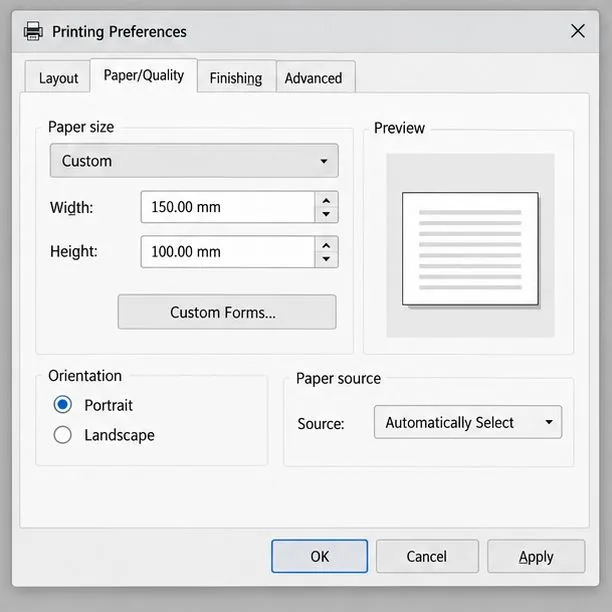
Match LibreOffice’s page dimensions to your printer, check printable margins, and correct scaling before printing a custom-size document.
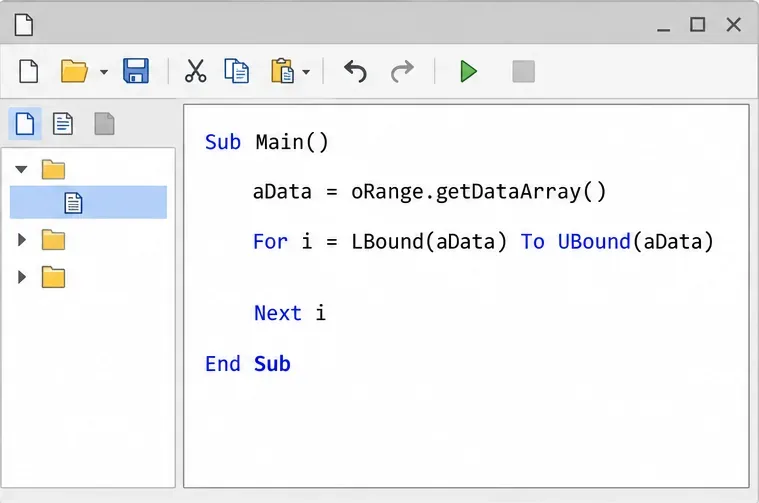
Replace repeated cell access with bulk range reads and writes, then benchmark the result and protect formulas in large Calc workbooks.
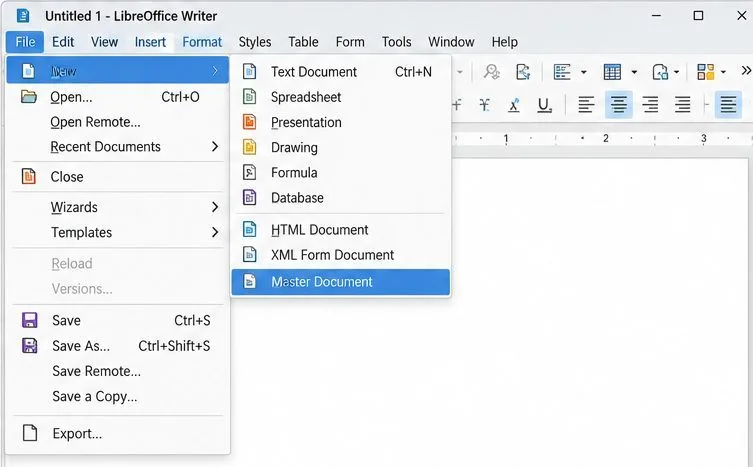
Split a long manuscript into chapters, assemble them in Writer, and keep styles, contents, and export checks consistent.
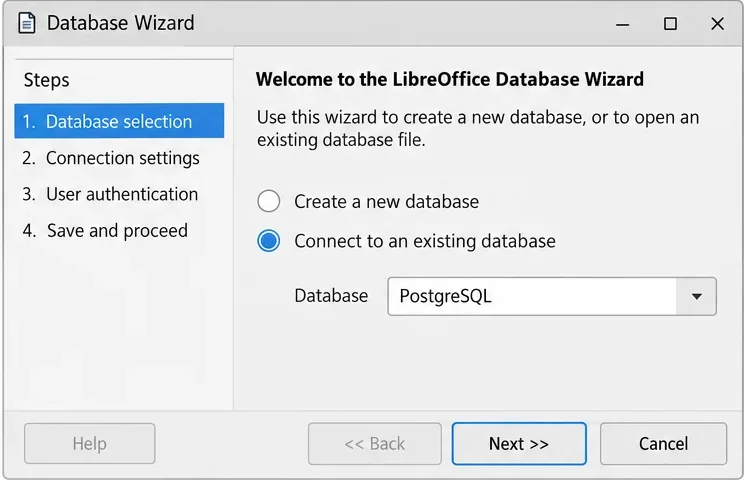
Use Base’s direct PostgreSQL option to enter your server details, sign in, save an ODB connection file, and troubleshoot common access errors.
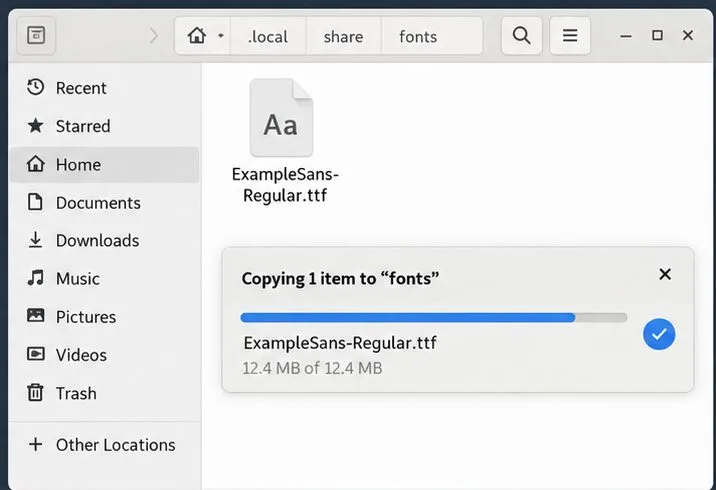
Install a font in your Linux user font folder, restart LibreOffice Flatpak, and confirm it appears in Writer without weakening the app sandbox.
Protect your work and isolate network-drive save crashes in LibreOffice on macOS Sonoma with a local-first workflow, permission checks, and targeted tests.