
Pardus 23 Sound Card Missing? Check ALSA and Restore Audio
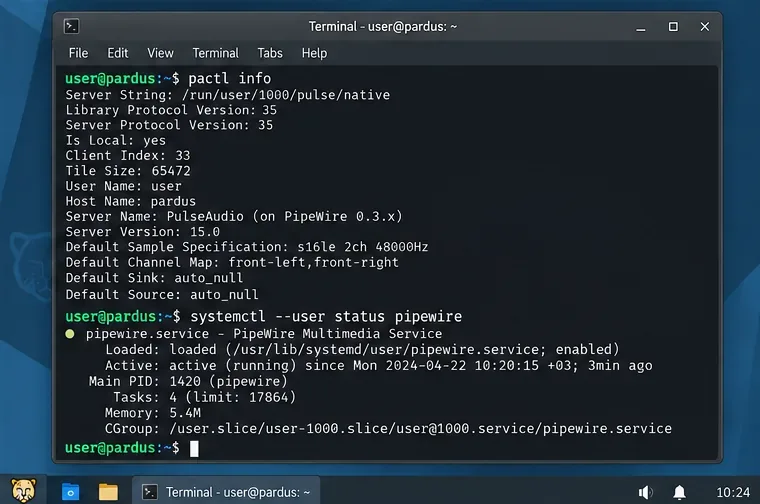
Find out why Pardus 23 cannot detect your sound card, then use targeted ALSA, firmware, and PipeWire or PulseAudio checks to restore playback.
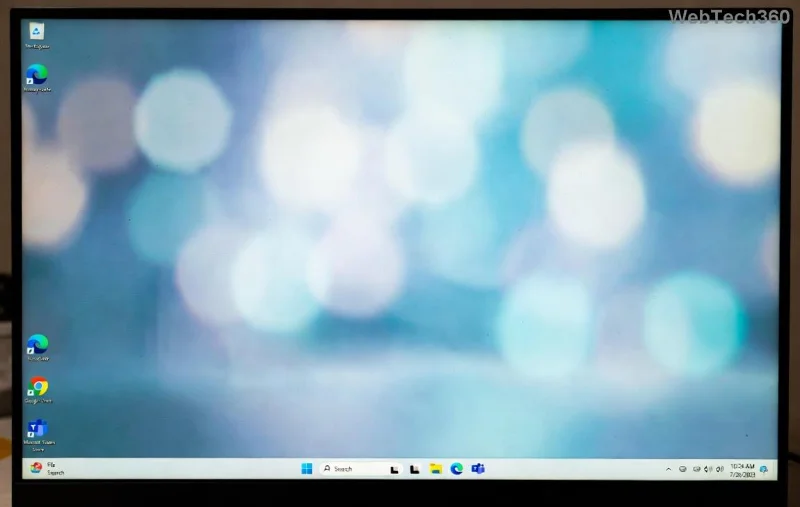
Are you hitting the frustrating "WSL2 Kernel Update Required" error on your Windows 11 machine? 😩 Don't worry—this common hiccup can halt your development workflow, but it's fixable with a few straightforward steps. Whether you're a developer diving into Linux environments or just exploring WSL2 for the first time, this guide will walk you through solving Windows 11 "WSL2" Kernel Update Required issues efficiently. By the end, you'll have your subsystem running smoothly, unlocking powerful tools like Docker integration and native Linux apps on Windows.
WSL2 (Windows Subsystem for Linux 2) is Microsoft's game-changer for running Linux distributions alongside Windows without dual-booting. However, kernel mismatches—often due to outdated components or incomplete updates—trigger this error. Let's dive right in and resolve it step by step. Follow along, and you'll be back to coding in no time! 🚀
Before we fix it, understanding the root cause empowers you to prevent future issues. The error typically pops up when your system's WSL2 kernel version doesn't match Windows 11's requirements. This can stem from:
Good news: Microsoft actively maintains WSL2, with the latest kernel updates ensuring compatibility with modern hardware and security patches. No need for complex troubleshooting—let's get to the solutions. 💡
We'll start with the simplest methods and escalate if needed. These steps are based on the most recent Microsoft guidelines, ensuring accuracy for current Windows 11 builds. Ensure you're running as an administrator for best results.
First, confirm your system supports WSL2. Open PowerShell as Administrator (right-click Start menu > Windows PowerShell (Admin)). Run this command to check your WSL status:
wsl --status If WSL isn't installed, enable it via:
wsl --install This command automatically sets up WSL2 as the default and grabs the latest kernel. Restart your PC afterward. If you're on a clean Windows 11 install, this often resolves the "WSL2 Kernel Update Required" prompt right away. 🎉
Pro Tip: Ensure virtualization is enabled in your BIOS/UEFI settings (restart and enter setup—usually F2 or Del key). Look for "Intel VT-x" or "AMD-V" and toggle it on.
If the auto-install doesn't cut it, manually update the kernel. Head to Microsoft's official WSL GitHub releases page for the newest package. Download the WSL2 Linux kernel update package for x64 machines (around 10-15 MB).
Once downloaded (e.g., wsl_update_x64.msi):
wsl --version in PowerShell.This update aligns your kernel with Windows 11's security features, like TPM 2.0 support. If you encounter permission errors, temporarily disable antivirus or run the installer via Command Prompt as admin.
Sometimes, the error persists. Here's a handy troubleshooting table to pinpoint and fix issues:
| Issue | Symptom | Solution |
|---|---|---|
| Kernel Not Found | WSL2 fails to start with path errors | Set kernel path manually: wsl --set-default-version 2 then reinstall kernel. |
| Hyper-V Disabled | Error: "WSL2 requires Hyper-V" | Enable via Windows Features: Search "Turn Windows features on or off" > Check Hyper-V > Restart. |
| Outdated Windows | Kernel update rejected | Update Windows: Settings > Update & Security > Check for updates. |
| Distros Not Switching to WSL2 | Linux runs on WSL1 | Convert: wsl --set-version <distro-name> 2 (e.g., Ubuntu). |
For deeper dives, check Microsoft's official docs: Install WSL or the WSL GitHub releases. These resources are gold for staying current with patches.
With the "solving Windows 11 "WSL2" Kernel Update Required" issue behind you, level up your setup! Integrate WSL2 with VS Code for seamless editing, or use it for GPU-accelerated tasks if you have an NVIDIA/AMD card—Microsoft's recent updates make this effortless.
🔧 Quick Optimization:
.wslconfig in your user folder to cap RAM usage (e.g., memory=4GB).wsl --shutdown and restart for fresh IP assignments.wsl --update to keep your kernel fresh.Imagine breezing through cross-platform development without the headaches— that's the WSL2 magic once tuned right. If you're into data science or web dev, this fix opens doors to tools like TensorFlow or Node.js in a Linux-native environment.
Congrats on tackling the WSL2 Kernel Update Required error! You've now got a robust setup that boosts productivity and creativity. If issues linger, drop a comment below or consult the Microsoft community forums for tailored advice. What's your favorite WSL2 use case? Share and inspire others! 👏
Stay tuned for more Windows 11 tips—your smooth sailing starts here.
Find out why Pardus 23 cannot detect your sound card, then use targeted ALSA, firmware, and PipeWire or PulseAudio checks to restore playback.
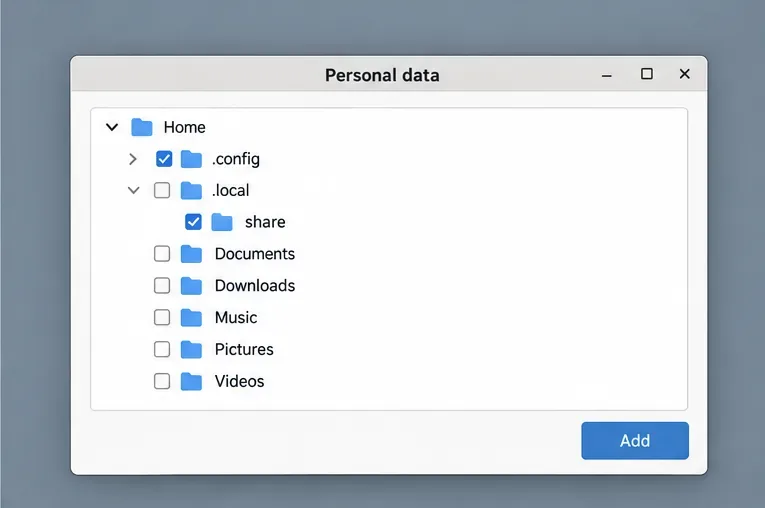
Save HamoniKR preferences to external storage, include hidden home folders, and choose a safe restore mode when moving to a fresh installation.
Install and configure xrdp on Pardus, choose the right Xfce session, restrict network access, and verify that remote login works.
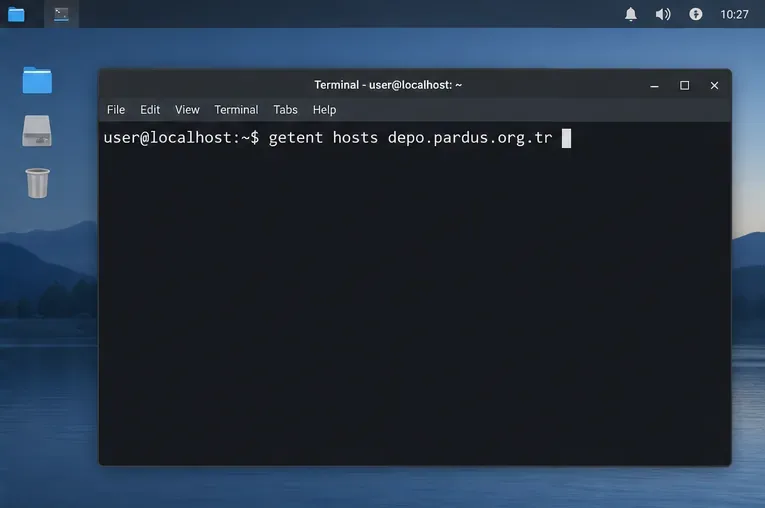
Diagnose Pardus 23 APT connection failures, confirm the official yirmiuc sources, and restore apt update without bypassing package signature checks.
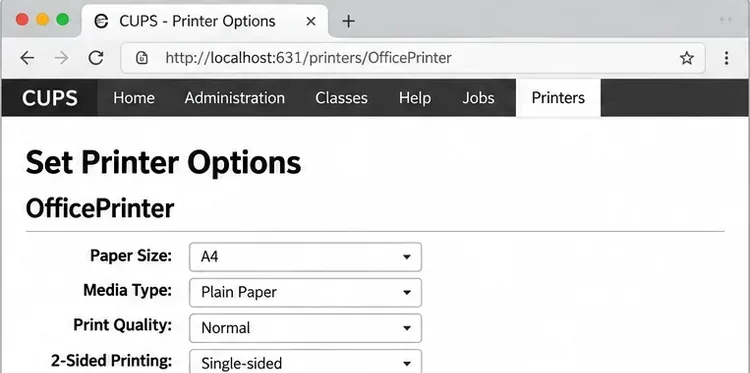
Configure printers on Harmonica OS using CUPS, compare driverless IPP with legacy drivers, and verify USB or network printing with a test page.
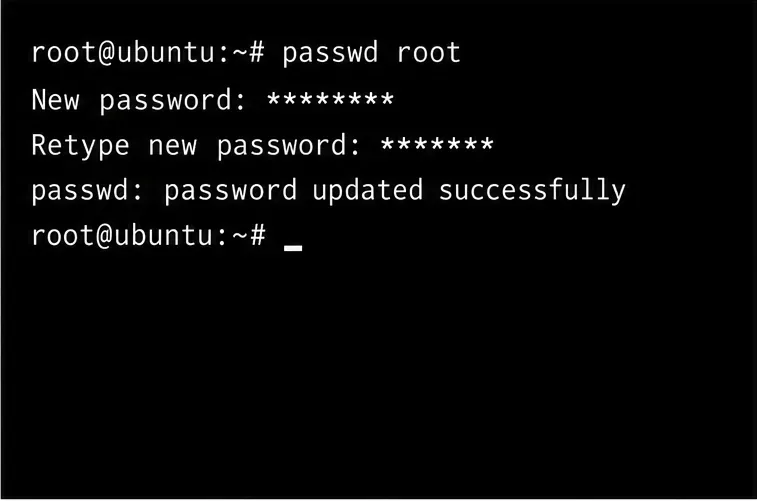
Use a recovery shell to set a new Harmonica OS root password, with checks for encrypted disks, read-only filesystems, and accounts that use sudo.
Trace whether clipping, ALSA format conversion, or HDA power saving is causing Ubuntu 24.04 audio distortion, then apply the matching reversible fix.
Switch Debian audio between named PipeWire outputs with a pactl script that updates the default sink and reroutes streams already playing.
Get your Bluetooth headset mic working by selecting the right input, using a hands-free audio profile, and checking Ubuntu’s PipeWire route.
Learn why Flatpak apps may ignore Ubuntu 24.04 GTK themes and follow safe steps to check theme extensions, refresh Flatpak apps, and diagnose portal issues.