Starship Flight 15: What SpaceX Tested and What Comes Next — Updated Nov. 14, 2026
Starship Flight 15 reached orbit and deployed 26 Starlink satellites, but its booster catch was aborted. Here are the test’s goals and what remains unconfirmed.
Updated Nov. 14, 2026, at 21:27 UTC (4:27 p.m. CST in Starbase, Texas; 8:27 a.m. AEDT in Sydney on Nov. 15).
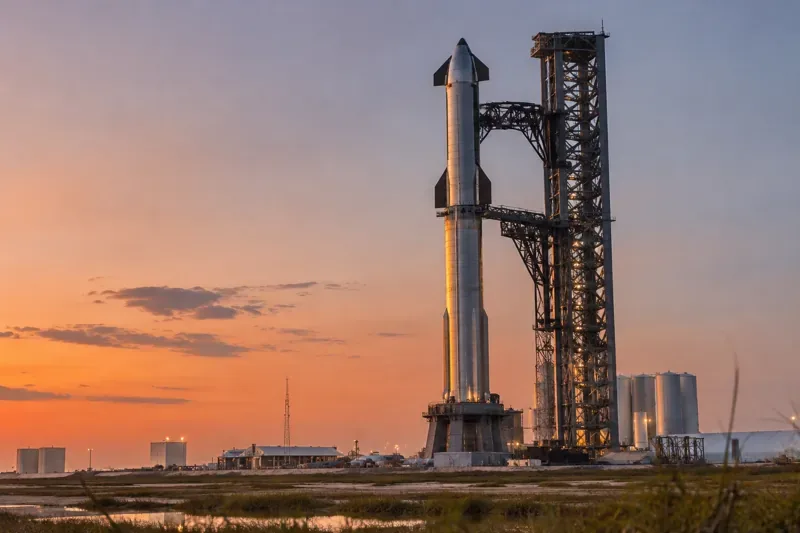
SpaceX’s Starship Flight 15 reached orbit and deployed 26 Starlink satellites after lifting off from Starbase, Texas, on Nov. 13. The mission’s planned Super Heavy booster catch did not happen: the booster diverted from its return to the launch tower, splashed down in the Gulf of Mexico and exploded. The upper stage’s return-to-site attempt is a separate milestone; as of this update, the FAA lists a reentry window, but there is no verified result confirming that Starship has returned or been caught.
For readers tracking the programme’s progress, Flight 15 delivered a major orbital and payload milestone while leaving the central reusability test unresolved. The distinction matters: reaching orbit and deploying satellites demonstrate flight capability, while recovering both stages is necessary to demonstrate the rapid reuse SpaceX is pursuing.
Flight 15 was SpaceX’s most ambitious Starship recovery attempt to date: the company aimed to bring both the Super Heavy first stage and the Starship upper stage back to the launch site for tower catches. The launch took place on Friday, Nov. 13, from Starbase in South Texas. The Associated Press reported that the rocket reached orbit and released 26 Starlink satellites before the booster’s return attempt ended offshore.
AP reported that the booster was diverted rather than returning to the pad, then splashed down in the Gulf of Mexico and exploded. SpaceX’s launch commentator said the outcome was not the news the team had hoped for. The report did not identify a cause, so the reason for the aborted catch remains unconfirmed.
The FAA’s current operations advisory lists the primary Flight 15 reentry window as Nov. 14, 2026, from 20:56 UTC through Nov. 15 at 00:14 UTC. That is 7:56 a.m. to 11:14 a.m. AEDT on Nov. 15 in Sydney, Australia. The advisory also lists a backup window at the same UTC hours on Nov. 15. These are planned airspace periods, not confirmation that reentry or a tower catch has occurred.
The schedule puts the upper stage’s return attempt after the booster failure, making it the next key milestone to watch. The FAA advisory establishes the planned window; confirmation of the flight outcome requires a subsequent company or reliable news update.
Starship is designed as a fully reusable launch system. Catching a booster and spacecraft at the tower could reduce the time and refurbishment needed between flights, supporting more frequent launches. That is a long-term operational goal, not something demonstrated by this flight: Flight 15’s booster was lost before a pad recovery, and the upper-stage attempt remained pending at the time of this update.
The flight still adds evidence in other areas. Orbital flight and deployment of 26 satellites show the vehicle performed important mission tasks, but a single successful deployment does not establish routine service or prove that Starship can be rapidly reused. The next assessment depends on the upper-stage result, SpaceX’s explanation of the booster diversion and any changes made before another recovery attempt.
The immediate milestone is the conclusion of Flight 15’s planned reentry and recovery attempt. After that, the useful questions are whether the upper stage reached the launch site, whether the tower caught it, and what telemetry or investigation SpaceX shares about the booster. Until those results are confirmed, forecasts about the next flight date or a successful double catch should be treated as uncertain.
SpaceX has previously demonstrated booster catches at Starbase, according to AP, but Flight 15 involved the upgraded booster and a first attempt to catch the upper stage. That makes the outcome significant even though the planned double recovery was not achieved. For mission planners and satellite customers, the practical measure will be repeatable launches and recoveries, rather than a single flight milestone.
Yes. AP reported that Starship reached orbit and deployed 26 Starlink satellites.
No. The planned catch was aborted, and the booster splashed down in the Gulf of Mexico.
No catch was confirmed in the sources checked for this update. The FAA listed a planned reentry window, which is not an outcome report.
Starship Flight 15 reached orbit and deployed 26 Starlink satellites, but its booster catch was aborted. Here are the test’s goals and what remains unconfirmed.
Starship Flight 15 reached orbit and deployed 26 Starlink satellites, but its Super Heavy booster missed the planned catch. Here are the latest confirmed milestones.
Starship Flight 15 reached orbit and deployed 26 Starlink V3 satellites, but its Super Heavy booster diverted from a planned tower catch. Here is what the milestone could mean for future missions.
Learn how to set a British Gas thermostat while away, when 7°C frost protection helps, and how to reduce heating costs without leaving vulnerable pipes exposed.
British Gas advises using frost protection when freezing weather is possible. Learn when to use 7°C or 5°C, how away mode works, and how to reduce pipe risks.
Flight grounded or canceled? Learn when U.S. travelers qualify for cash refunds, how to rebook, and when hotels, meals or vouchers may be available.
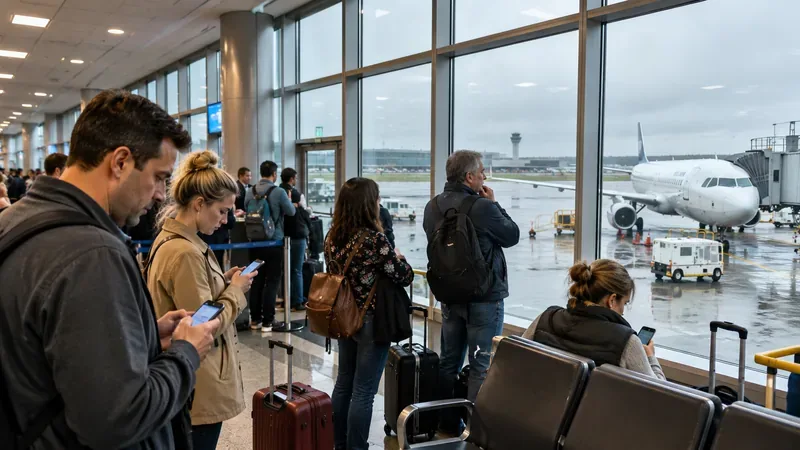
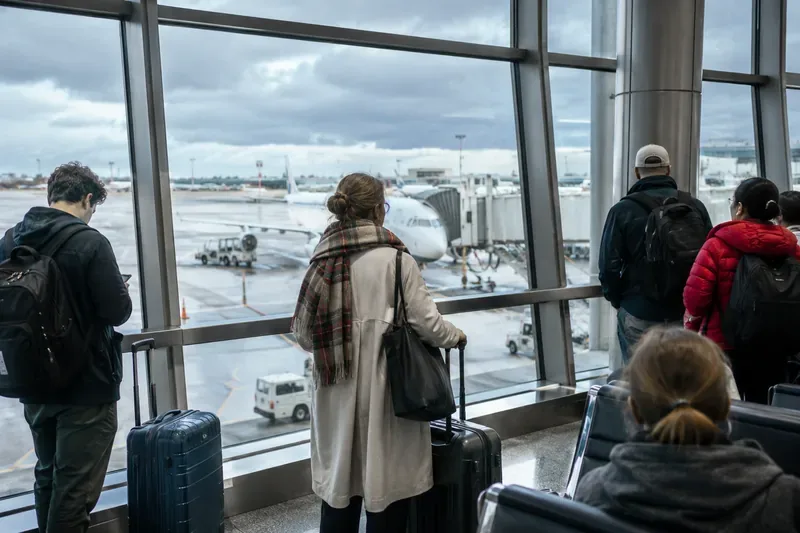
The FAA lifted its nationwide ground stop, but U.S. flight delays and cancellations continue. Check the latest verified status and what travelers should do.
The FAA lifted its Nov. 13 nationwide ground stop after communications issues at air traffic control centers. Learn why flights were halted and why delays continued.
New mobile security robots point to a shift from warehouse automation to home robotics. Here’s what Canadian consumers and workers should know about availability, privacy, and jobs.
A practical guide to modern robotics in Canada, from AI-powered perception and collaborative robots to new federal autonomous-systems initiatives.