Desk Decorating Ideas for a Spooky Office Cubicle
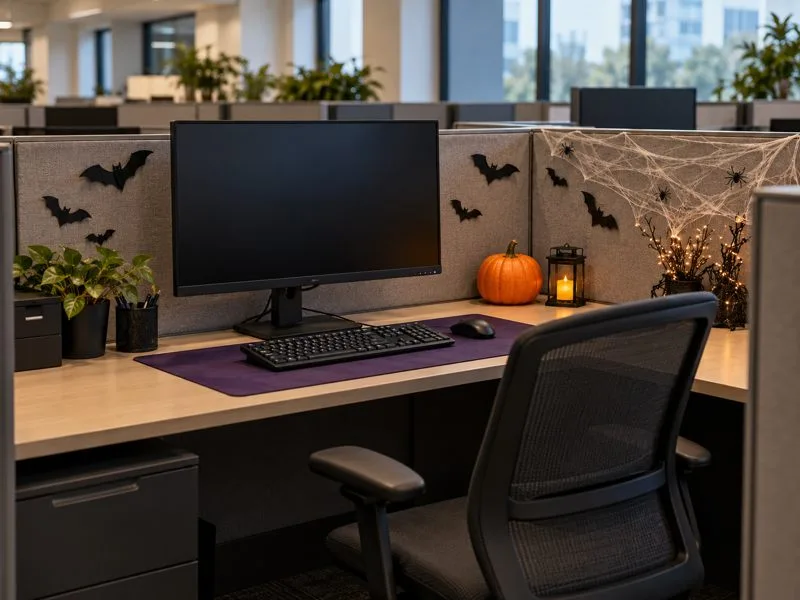
Create a spooky office cubicle with Halloween desk decor ideas that keep your workspace usable, tidy, and mindful of workplace safety.
Water cooling your PC is an attractive upgrade that offers high performance, improved cooling, and a sleek look. However, water cooling is more complicated than it seems. Here are some things to consider before you water cool your computer.
Table of Contents
One of the first decisions you’ll face is choosing between an AIO (All-in-One) water cooling system and a water cooling loop. AIOs are self-contained and easier to install, making them great for beginners. They provide good cooling with minimal hassle. On the other hand, custom loops allow you to cool multiple components, like the CPU and GPU, but they require a much larger commitment to setup and maintenance.
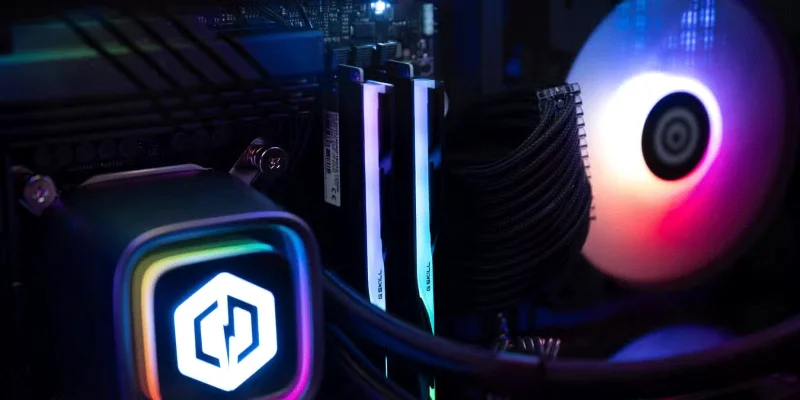
If you start with AIO, you will avoid a lot of trouble from the beginning. Custom loops are great for advanced users but take more time to learn and maintain.
The cost of the water cooling equipment is just the beginning. You’ll need additional components like tubing, fittings, coolant, pumps, radiators, and fans. Plus, you may need a larger case to accommodate all of those components, especially with a custom loop.
These extra fees add up quickly. When budgeting, remember to factor in these hidden costs - this isn't a one-time purchase.
Water cooling is not a “set it and forget it” solution, especially if you are using a custom loop. You would be surprised how often you need to check for leaks, clean dust from the radiator, and replace the coolant to keep things running smoothly.
With custom loops, you'll need to plan on changing your coolant as often as every 6 months to a year, depending on what you're using. AIOs are much easier to deal with - mostly just keeping the radiators dust-free and listening for any unusual pump noises that could indicate a problem.
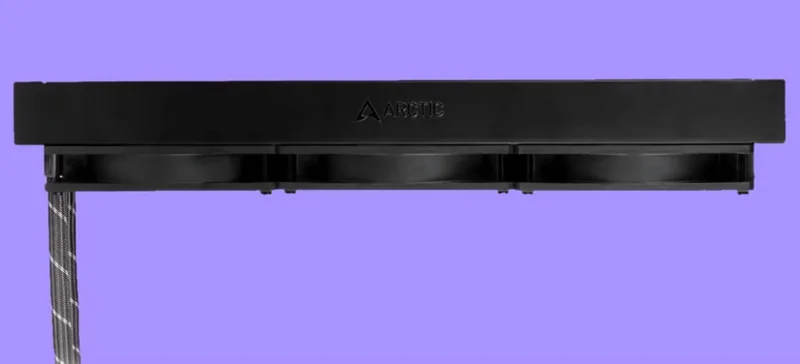
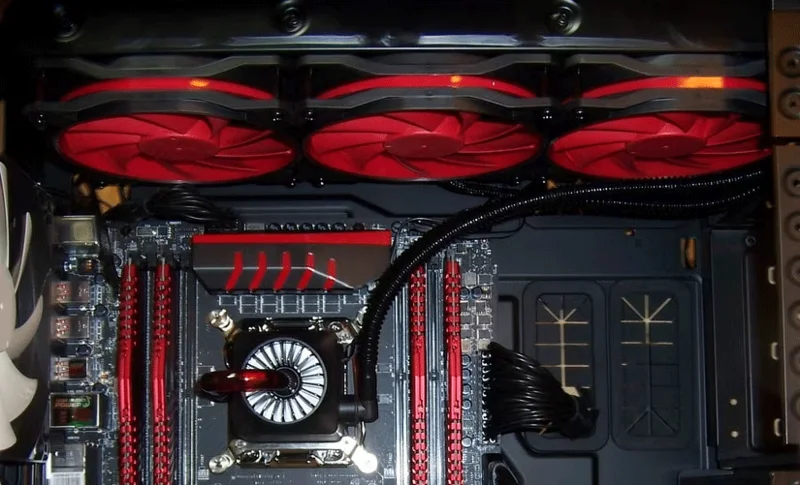
Proper radiator placement is crucial to getting the best cooling results. Placing the radiator where cool air can pass through - such as the front or top of the case - is important.
It also helps if you have good airflow throughout the case. Make sure warm air is trapped or blown back onto your radiator. The cooling ability of your PC depends as much on airflow as it does on the water cooling system itself.
Having water near electronics is enough to make anyone nervous. Leaks are a nightmare scenario for water-cooling systems. However, with a few simple precautions, you can avoid most leaks.
Make sure to use quality fittings and double check that everything is securely fastened. Custom loop users should always perform a pressure test before turning on the system to catch any leaks early. If you are particularly concerned about leaks, you can use a non-conductive coolant. While it is not guaranteed to be safe, it is less likely to fry components if something goes wrong.
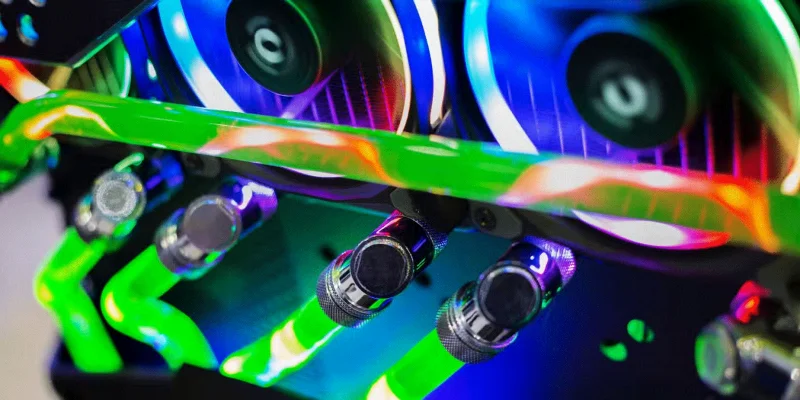
Another area to consider before purchasing a CPU cooler is your choice of water block. Acrylic blocks look great and allow you to see your coolant flowing, but they can crack if you accidentally over-tighten them. Metal blocks are more comfortable but not as visually appealing.
Internal design is also important – different spray plate layouts can affect how well components cool. The importance of metal compatibility should not be underestimated either. Mixing different metals in a cooler can cause corrosion over time, so use copper and nickel-plated copper components to be on the safe side.
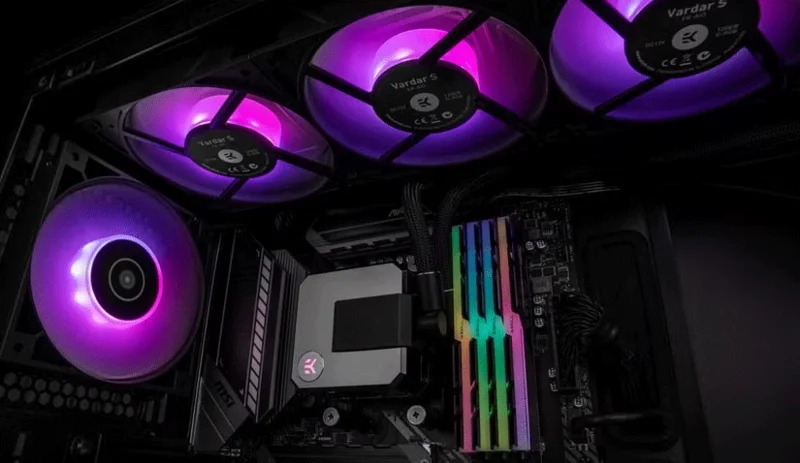
Let’s be honest: Part of the appeal of liquid cooling is how great it looks. Sleek tubing, RGB-lit coolant, and low-profile fans make your PC a beautiful piece of decor. But getting that sleek look isn’t as easy as you might think. It takes time, patience, and a lot of trial and error to get everything looking clean and organized inside your case.
Cable management becomes an even bigger issue when you add water cooling, especially if you’re routing tubing. Don’t underestimate the time it will take to line things up so everything fits. Be prepared for things to not go as expected.
Water cooling a PC is a rewarding project that can completely transform your build in terms of aesthetics and performance. However, it’s not as simple as slapping a few components together to create a perfectly cool, quiet rig.
Knowing what to expect ahead of time—like budgeting for extras, keeping track of maintenance, and preparing for some setup challenges—will make the process go more smoothly. If you're up for the task, water cooling can transform your PC in just the right way.
Create a spooky office cubicle with Halloween desk decor ideas that keep your workspace usable, tidy, and mindful of workplace safety.
Plan a recognizable Halloween 2026 look with pop culture costumes inspired by Spider-Man, Supergirl, Toy Story 5, Moana, Mario, and Wednesday.
Sort leftover Halloween candy safely, share or repurpose sealed treats, and choose food use or compost for pumpkins based on their condition.
Compare workplace Halloween costume choices by respect, dress code, mobility, and safety—and learn when a subtle accessory or a policy check is the better option.
Find a couples costume that fits your style, budget, and comfort level, from Addams Family classics to original inside-joke duos.
Need a last-minute high school Halloween costume? Compare 10 easy closet-based ideas by prep time, comfort, school-day practicality, and simple safety checks.
Use a simple 2026 Halloween decorating timeline for indoor décor, outdoor displays, and fresh pumpkins, with practical adjustments for weather and events.
Mix five vivid, approachable Halloween cocktails with measured recipes, simple prep tips, and an alcohol-free option for your party guests.
Find 15 office-friendly Halloween costume ideas for 2026, with practical checks for dress codes, respectful themes, comfort, and workplace safety.
Plan a fun elementary school Halloween party with easy crafts, games, inclusive treats, costume tips, and a sample 75-minute classroom schedule.