Verified and updated: November 23, 2026, 4:27 p.m. AEDT (Sydney; UTC+11).
Australia’s Federal Court approved Toyota Motor Corporation Australia’s $750 million settlement of two diesel particulate filter (DPF) class actions on November 20. The order covers qualifying Toyota HiLux, Prado and Fortuner vehicles, but it does not mean every owner will receive money or that payments are about to begin. The settlement amount includes legal costs, administration and litigation funding, and the Court reserved the amount of a funder deduction for later decision.
One practical change for owners: the Court allowed people who sought to register after the earlier deadline to participate if they registered by 10:15 a.m. AEDT on November 20. It also approved the distribution scheme subject to further order and directed a referee to assess whether some settlement administration should be competitively tendered. Individual payment amounts and timing therefore remain subject to further administration and Court oversight. Read the Federal Court’s judgment and orders.
Destaques
- The Court approved the combined $750 million settlement on November 20, 2026.
- Potentially relevant vehicles are HiLux, Prado and Fortuner models with 1GD-FTV or 2GD-FTV diesel engines acquired in Australia during the applicable class periods.
- Late registration was accepted only for those who sought to register by 10:15 a.m. AEDT on November 20.
- There is no confirmed individual payout or payment date; the funder deduction remains reserved.
What did the Federal Court approve?
In Williams v Toyota Motor Corporation Australia Limited (Settlement Approval) [2026] FCA 1781, Justice Lee approved settlement of the Williams and Taylor proceedings for $750 million inclusive of the amounts ultimately allowed for legal costs, administration and litigation funding. The approval resolves the covered claims under the settlement orders, subject to their terms; it is not a $750 million payment to divide equally among vehicle owners.
The Court allowed specified costs and reimbursements, including applicants’ legal costs and payments to representative applicants and sample group members. But it reserved the amount of any deduction to the litigation funder. The Court also did not approve certain proposed releases, covenants and promises on behalf of group members, and refused an order that would have authorised the applicants after the fact to enter into and give effect to the deed in the way requested. Those qualifications matter because the operative orders, rather than a headline settlement figure, govern what is resolved and what can be distributed.
The Court approved the proposed Settlement Distribution Scheme subject to further order. It appointed a referee to report on whether a competitive tender or market test could be useful for outstanding administration work. That review may affect how administration proceeds; the judgment does not set a payment date.
Which Toyota vehicles and owners may qualify?
The cases concern certain diesel Toyota HiLux, Prado and Fortuner vehicles fitted with a 1GD-FTV or 2GD-FTV engine. The Williams class generally concerns vehicles acquired in Australia from October 1, 2015, through April 23, 2020. The related Taylor case addresses a defined group of later private second-hand purchasers. Model name alone is not enough to establish eligibility: engine, acquisition history, ownership and registration status matter. The official Williams class action FAQ describes the criteria, and the administrator can check a vehicle using its VIN.
The Court’s order treats group members who sought to register after 9:30 a.m. AEDT on October 13 and by 10:15 a.m. AEDT on November 20 as registered group members entitled to participate. Those who did not register within the applicable period generally cannot seek a settlement benefit without leave of the Court. Owners should review their confirmation and complete any missing information through the official administrator; the Court order does not create a new open-ended registration period.
Why was there a DPF class action?
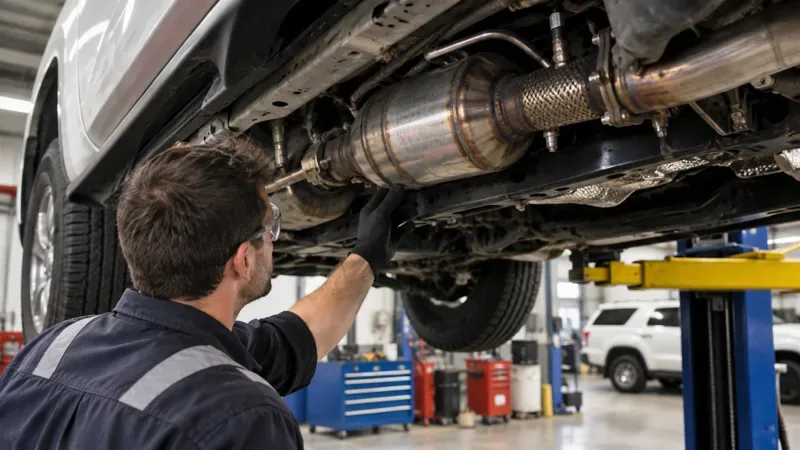
The proceedings concerned alleged defects in the DPF systems fitted to the relevant vehicles. Earlier litigation established findings that the relevant vehicles were not of acceptable quality when supplied and that their value was reduced. The High Court later addressed how reduction-in-value damages should account for the availability of an effective repair. The settlement followed that litigation and avoided a further damages assessment; the $750 million compromise is not the same thing as a court-calculated per-vehicle award.
When will owners receive money?
The published judgment does not announce a distribution date or final individual amounts. Any amount depends on the approved scheme, deductions and owner-specific factors. The Court expressly reserved the litigation funder deduction, while also ordering a review of possible competitive tendering for administration. Registered participants should watch for direct administrator communications and rely on the final calculation for their own claim rather than treating earlier estimates as guaranteed payments.
Frequently asked questions
Does every HiLux, Prado or Fortuner qualify?
No. The vehicle must meet the relevant engine, acquisition-period and class criteria, and payment also depends on registration and the settlement orders.
Can an owner still register after the Court approved settlement?
The Court included late registrants who sought registration by 10:15 a.m. AEDT on November 20. The order does not establish a general new registration window.
Has the Court set the payout amount and date?
No. The distribution process remains subject to administration and further Court oversight, and the funder deduction is still to be determined.
Sources: Federal Court judgment and orders, November 20, 2026; Williams class action FAQ; Toyota Australia DPF class action information.