Translate documents into other languages ​​on Google Docs

Document translation

  1. Open a document in  Google Docs  .
  2. At the top menu, click  Tools >> Translate Document.
  3. Enter a name for the translated document and select the language.
  4. Click  Translate  .
  5. A translated copy of your document will open in a new window. 

Translate documents into other languages ​​on Google Docs

Change your typing language

  1. On your computer, open a document in  Google Docs  , a presentation in  Google Slides ,  or a file in  Google Sheets  .
    • In Google Docs or Google Slides, go to the top menu and click File >> Language >> select the language to use. 
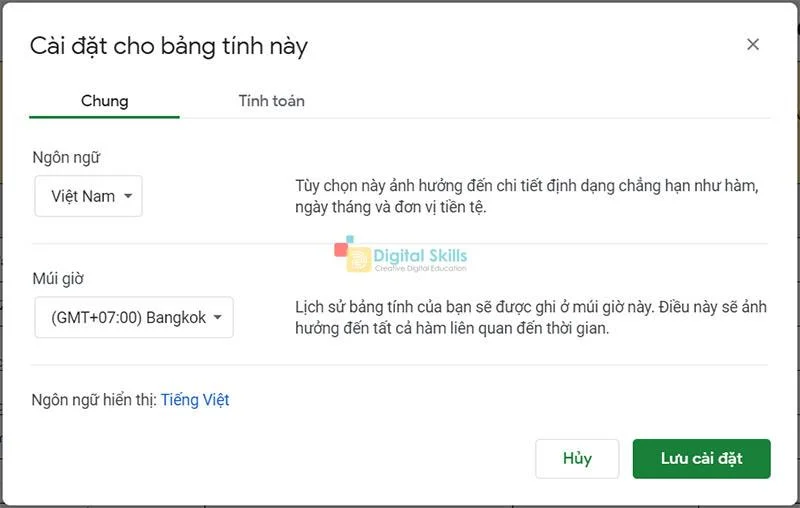
    • In Google Sheets, go to the top menu select File >> click  Spreadsheet settings then choose the language you need.

Translate documents into other languages ​​on Google Docs

  1. When you select a language other than Latin, the Input Tools menu displays in the toolbar. To enter non-Latin characters like Hindi or Chinese, click the down arrow next to “input tools menu.”   

Note:  You can also open the 'Tools Input menu' by pressing Ctrl + Alt + Shift + k (PC) or ⌘ + Option + Shift + k (Mac) on your keyboard.

  1. Phonetic input: Type the phonetic spelling of a word in Latin characters, then click the most appropriate word from the options on the screen.
  2. Keyboard input: To enter letters and symbols, click the keys of the virtual keyboard or type the keys that match your physical keyboard.
  3. In handwriting input: Draw characters in a table at the bottom right of your screen, then click the best match from the onscreen options.

Above are a few quick instructions on how to translate documents into another language on Google Docs, hope it will help you in the word processing process.

See also: Separate text from images on Google Driver

Leave a Comment

Set Up ONLYOFFICE JWT Secrets Across Server and Connector
Set Up ONLYOFFICE JWT Secrets Across Server and Connector

Configure matching JWT secrets for ONLYOFFICE Docs and its connector, with safe steps for Linux packages, Docker deployments, and verification.

Put ONLYOFFICE Docs Behind HAProxy Without Breaking Editing

Put ONLYOFFICE Docs Behind HAProxy Without Breaking Editing

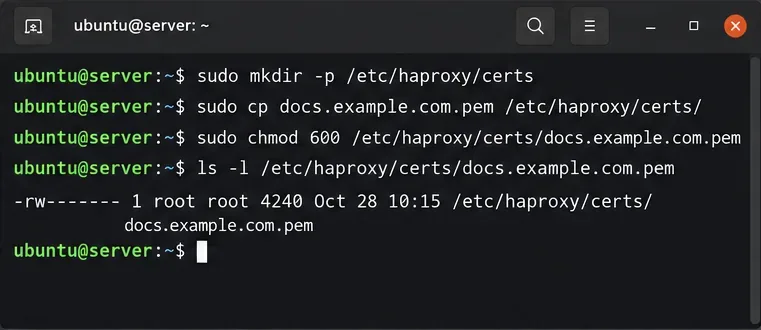
Configure HAProxy HTTPS, forwarding headers, WebSocket timeouts, and health checks for ONLYOFFICE Docs, then verify editing and saves.

Brand ONLYOFFICE Docs with Your Logo and Theme Colors

Brand ONLYOFFICE Docs with Your Logo and Theme Colors

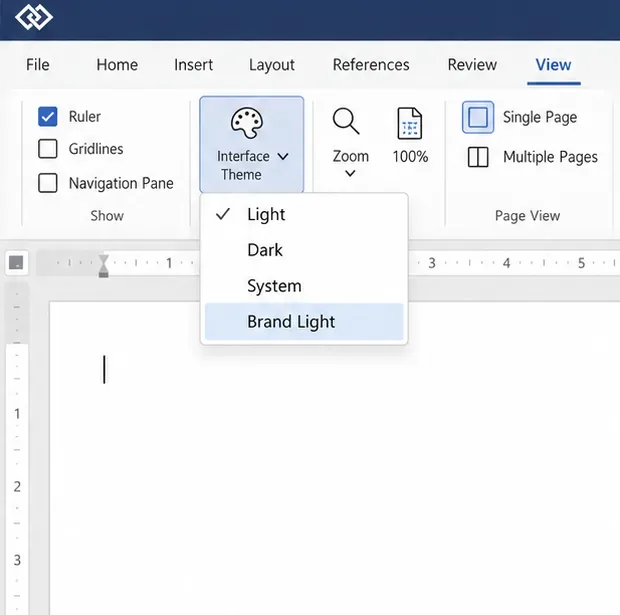
Give an embedded ONLYOFFICE Docs editor your company logo and interface colors with a custom theme file and editor configuration. See edition limits and deployment checks.

Keep Writer Revisions Visible When Exporting to DOCX

Keep Writer Revisions Visible When Exporting to DOCX

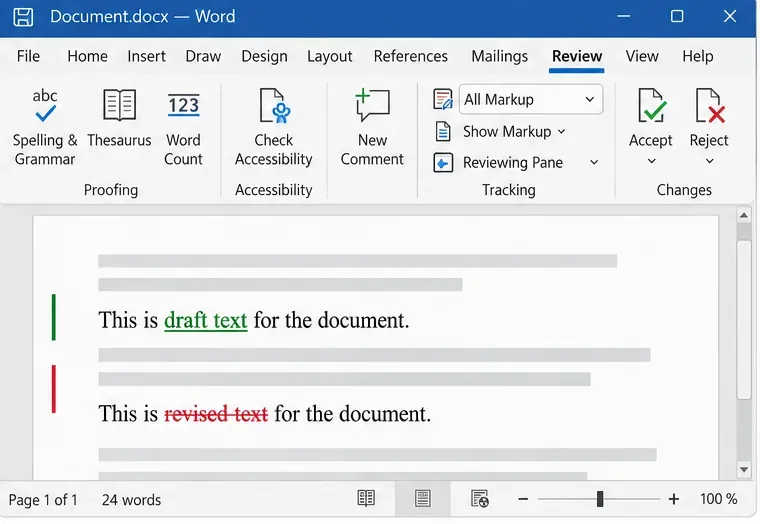
Track edits in Writer, preserve an editable ODT source, and check the exported DOCX in Word before sharing it.

Enable FIPS Mode on SLES 15 and Verify the Boot State

Enable FIPS Mode on SLES 15 and Verify the Boot State

Follow SUSE’s SP7 procedure to enable FIPS mode, reboot safely, verify the active policy, and check whether your compliance requirement calls for validated modules.

Set Up a LUKS-Encrypted Data Volume on SLES

Set Up a LUKS-Encrypted Data Volume on SLES

Compare YaST and cryptsetup for a new encrypted SLES data volume, choose LUKS1 or LUKS2, and verify unlock and mount behavior safely.

Build a Custom AppArmor Profile on SUSE Linux

Build a Custom AppArmor Profile on SUSE Linux

Create, refine, and verify a least-privilege AppArmor profile on SLES 15 SP7, with a clear note on SLES 16’s SELinux default.

Build a Local SUSE Update Server with RMT on SLES 15

Build a Local SUSE Update Server with RMT on SLES 15

Set up RMT on SLES 15, mirror entitled repositories, and verify HTTPS registration and package access from a test client.

Join SLES 15 to Active Directory with SSSD in YaST

Join SLES 15 to Active Directory with SSSD in YaST

Connect SLES 15 to AD with YaST’s SSSD-based logon management, then verify directory lookup, domain login, and Kerberos tickets.

Enable SLES Live Patching and Verify a Kernel Fix

Enable SLES Live Patching and Verify a Kernel Fix

Set up the right Live Patching path for SLES 16.0 or 15 SP7, apply eligible kernel fixes, and confirm what is active without confusing it with a reboot-required kernel update.