Set Up Secure RDP Access to a Pardus Xfce Desktop

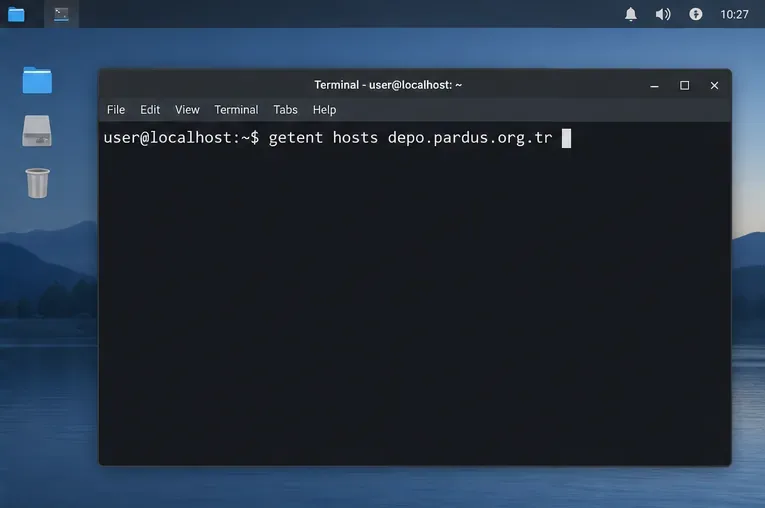
Install and configure xrdp on Pardus, choose the right Xfce session, restrict network access, and verify that remote login works.
Encountering the frustrating Windows 11 0x8007007e error? This "Module Not Found" issue can halt updates, app installations, or system processes, leaving you stuck. Don't worry—it's a common glitch often tied to missing DLL files or corrupted components. In this guide, we'll walk you through straightforward, effective troubleshooting steps to resolve the 0x8007007e error and restore your PC's performance. By the end, you'll have your Windows 11 running like new. Let's dive in! 😊
The 0x8007007e error, also known as "The specified module could not be found," typically appears during Windows updates, software installations, or when launching applications. It signals that your system can't locate a required dynamic link library (DLL) module—essential files that help programs communicate with the OS.
Common triggers include:
Understanding this helps demystify the error. Now, let's tackle fixes that work on the latest Windows 11 builds. Follow these steps in order for the best results.
🔧 Start with the basics and escalate as needed. These methods are safe and don't require advanced tech skills.
Windows 11 has a built-in tool to detect and fix update-related 0x8007007e errors. It's quick and often resolves the issue automatically.
This scans for corrupted modules and repairs them. If the error persists, move to the next step. Pro tip: Run this after every major update to prevent future hiccups.
Missing or damaged system files are a prime culprit for module not found errors. Use Command Prompt to restore them.
sfc /scannow and press Enter. Wait for it to complete (it may take 10-20 minutes).DISM /Online /Cleanup-Image /RestoreHealth next. This repairs the Windows image.These commands are like a health check for your OS—replacing faulty DLL modules without data loss. For visual guidance, see the image below showing a successful SFC scan in action.

If updates are triggering the 0x8007007e error, resetting the update services can clear the backlog.
net stop wuauservnet stop cryptSvcnet stop bitsnet stop msiserverren C:\Windows\SoftwareDistribution SoftwareDistribution.old and ren C:\Windows\System32\catroot2 Catroot2.old.net start wuauserv, etc. (reverse the stop commands).This flushes out corrupted data, making room for fresh modules. It's especially useful if the error hits during feature updates.
Malware can delete or hide modules, mimicking a module not found issue. Also, outdated drivers often conflict with Windows 11.
Staying vigilant here prevents recurring errors. Imagine your PC as a fortress—keep the gates (drivers) updated to ward off intruders!
⚠️ Caution: Only proceed if comfortable with registries—back up first via regedit > File > Export.
Sometimes, the 0x8007007e error stems from incorrect DLL references.
regedit, and hit Enter.HKEY_LOCAL_MACHINE\SYSTEM\CurrentControlSet\Control\Session Manager.For a clearer view of registry navigation, check this illustrative screenshot:
If all else fails, roll back to a stable point.
This is your safety net—restoring modules without starting from scratch.
To keep you engaged, here's a handy table summarizing fixes for specific Windows 11 0x8007007e triggers:
| Scenario | Quick Fix | Why It Works |
|---|---|---|
| During Windows Update | Run Troubleshooter + Reset Components | Clears corrupted update cache |
| App Installation Fails | SFC /scannow + Malware Scan | Restores missing DLLs |
| Startup Errors | Update Drivers + System Restore | Fixes hardware-software conflicts |
| Post-Update Glitch | DISM RestoreHealth | Repairs OS image integrity |
These targeted approaches save time. If you're dealing with a specific app like Microsoft Office triggering the error, ensure it's updated via its own troubleshooter.
Once fixed, prevention is key to smooth sailing. Here's how:
By staying proactive, you'll minimize downtime and keep your Windows 11 experience frustration-free. If the error involves hardware, consider running Memory Diagnostic from the Start menu.
Congratulations—you've now got the tools to conquer the 0x8007007e module not found error! Start with the troubleshooter and work your way down; most users resolve it within 30 minutes. If issues persist, visit the official Microsoft Support forums for community help or contact their team.
Remember, tech glitches happen, but with these steps, you're in control. Share your success in the comments below—what fixed it for you? Keep your PC optimized, and happy computing! 👏
Install and configure xrdp on Pardus, choose the right Xfce session, restrict network access, and verify that remote login works.
Diagnose Pardus 23 APT connection failures, confirm the official yirmiuc sources, and restore apt update without bypassing package signature checks.
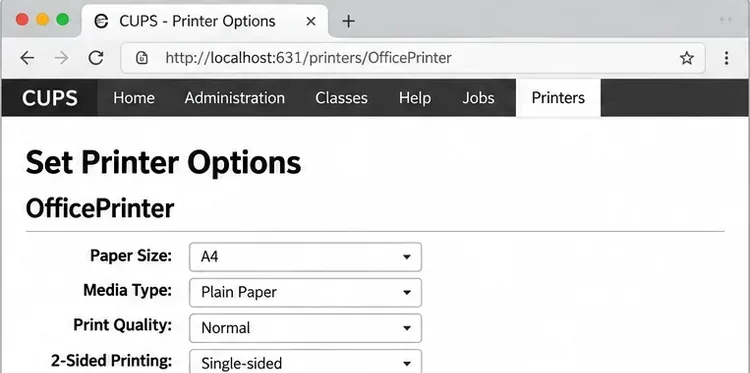
Configure printers on Harmonica OS using CUPS, compare driverless IPP with legacy drivers, and verify USB or network printing with a test page.
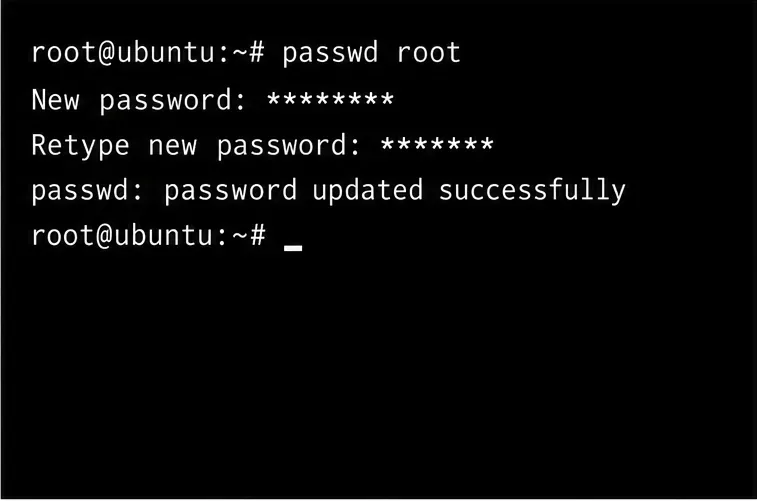
Use a recovery shell to set a new Harmonica OS root password, with checks for encrypted disks, read-only filesystems, and accounts that use sudo.
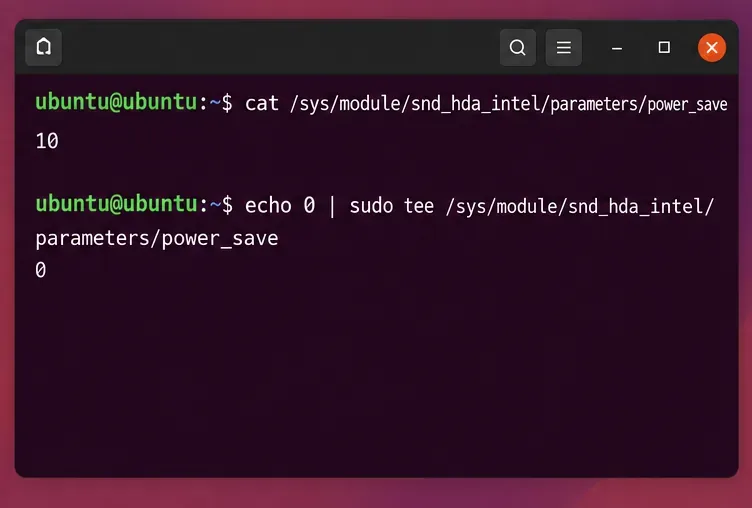
Trace whether clipping, ALSA format conversion, or HDA power saving is causing Ubuntu 24.04 audio distortion, then apply the matching reversible fix.
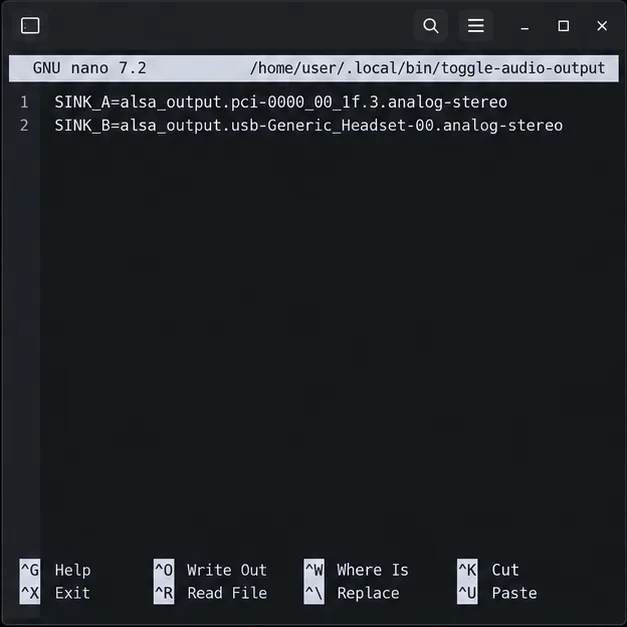
Switch Debian audio between named PipeWire outputs with a pactl script that updates the default sink and reroutes streams already playing.
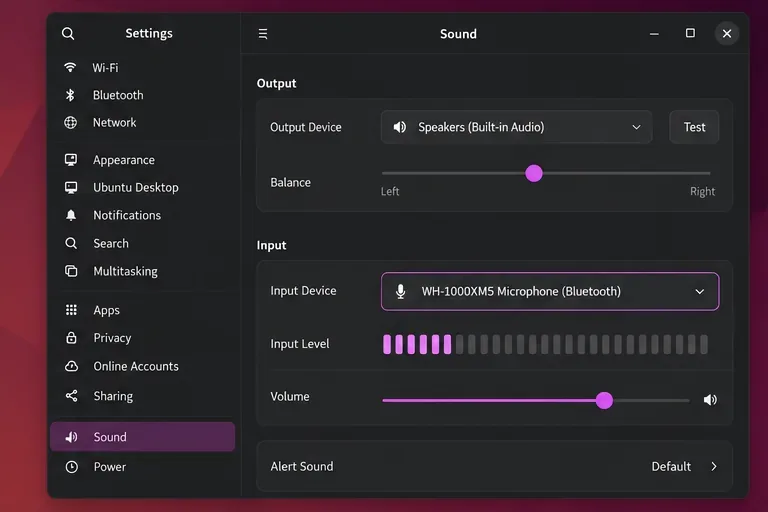
Get your Bluetooth headset mic working by selecting the right input, using a hands-free audio profile, and checking Ubuntu’s PipeWire route.
Learn why Flatpak apps may ignore Ubuntu 24.04 GTK themes and follow safe steps to check theme extensions, refresh Flatpak apps, and diagnose portal issues.
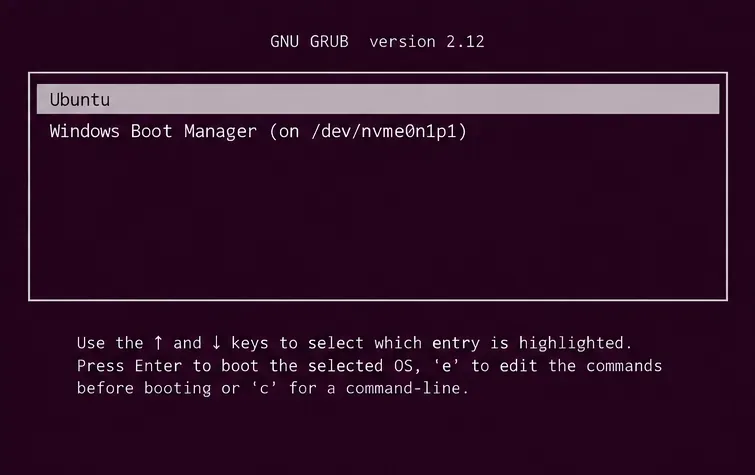
Install Ubuntu 24.04 alongside Windows 11 with BitLocker safely. Compare separate-drive and shared-drive paths, recovery keys, partitioning, and boot checks.
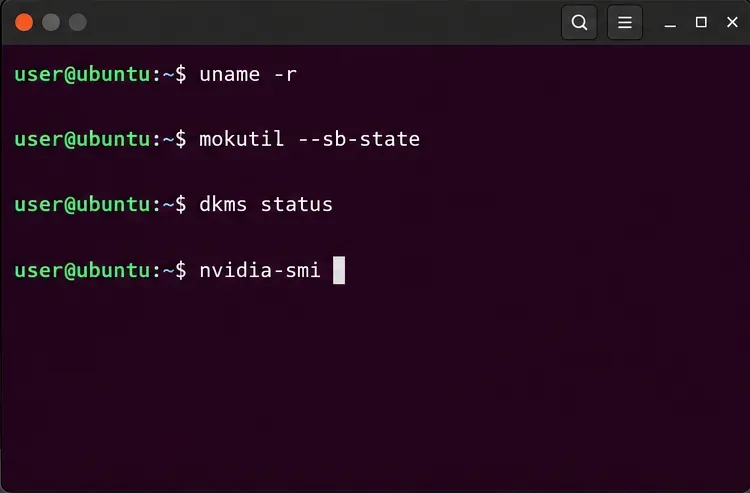
Diagnose NVIDIA driver failures after an Ubuntu kernel update. Check DKMS and Secure Boot, rebuild the matching module, enroll a MOK, and verify the fix.