Starship Flight 15: What SpaceX Tested and What Comes Next — Updated Nov. 14, 2026
Starship Flight 15 reached orbit and deployed 26 Starlink satellites, but its booster catch was aborted. Here are the test’s goals and what remains unconfirmed.
Updated November 14, 2026, at 5:10 p.m. GMT (UTC+00:00).
The UK Health Security Agency has issued a new yellow Cold-Health Alert for North West England, North East England, and Yorkshire and the Humber, running from 9 p.m. Sunday, November 15, to 9 a.m. Thursday, November 19. Separately, the Met Office says rain, sleet, and snow are possible this weekend, with the greatest chance of snow over higher ground in northern Scotland. Some snow could reach lower levels there, but the forecast does not describe widespread disruptive snowfall across the UK.
The alert is a health warning for England, not a UK-wide snow warning. People who are older, have existing health conditions, or are otherwise vulnerable may face greater risks as temperatures fall. Residents should check on vulnerable friends and neighbors, keep rooms they use warm where possible, and check the latest local forecast before traveling.
UKHSA’s November 14 update names North West England, North East England, and Yorkshire and the Humber. The yellow alert begins at 9 p.m. Sunday, November 15, and ends at 9 a.m. Thursday, November 19. UKHSA says other regions of England are currently unaffected by this alert. The alert applies to England’s health-alert system; it should not be read as a nationwide warning for Scotland, Wales, or Northern Ireland.
The update matters because the first alert of the 2026–27 winter, announced on November 10, covered the North West and West Midlands from November 12 to noon on November 14. That earlier alert period has ended. The latest GOV.UK notice expands coverage to three northern regions for a later period. UKHSA’s public dashboard still displays the earlier November 10 information on its regional summary, so readers should consult the dated GOV.UK alert update for the November 14 change.
No. UKHSA and the Met Office assess cold-health alerts using expected cold conditions and potential health impacts. A yellow alert means conditions may have limited effects on most people but could affect people who are particularly vulnerable. It is not a prediction that snow will fall in every affected region, nor does it automatically indicate serious travel disruption.
The Met Office’s forecast published November 13 said the weekend would become more unsettled, with heavier rain and showers moving in from the west. It highlighted a chance of snow over higher ground in northwest Scotland, especially later Sunday in northern Scotland, with some possibility of snow at lower levels. It also said ice could become a hazard. Rain, sleet, and mainly hill snow were expected to remain features into next week. These are forecast possibilities, not confirmation of snowfall at a particular town or a severe-weather warning. Check the Met Office forecast update and its live warnings for changes.
UKHSA says low temperatures can increase health-service demand and create additional risk for people aged 65 and older, those with existing conditions such as respiratory or cardiovascular disease, and people sleeping rough. Cold homes and icy surfaces can add to those risks. The alert is intended to help health and social-care services prepare as well as inform people who may need to take precautions.
Practical steps include heating the rooms used most often, such as a living room or bedroom, dressing warmly, and checking in on relatives, neighbors, or friends who may struggle in cold weather. If someone depends on regular medication or support, consider whether they have what they need before conditions worsen. Follow medical advice for individual health concerns.
For travel, look up the forecast and any official weather warnings for the precise route and time. In places where temperatures are near freezing, wet roads and paths can become slippery even without substantial snowfall. Allow extra time and follow updates from transport operators if snow or ice is forecast locally. The health alert itself does not provide road, rail, or flight disruption information.
It starts at 9 p.m. GMT on Sunday, November 15, 2026, and ends at 9 a.m. GMT on Thursday, November 19.
The cited Met Office outlook identifies the strongest snow potential over higher ground in northern Scotland. It does not confirm snow across all of northern England.
Use UKHSA’s dated alert update for health-alert coverage and the Met Office’s live warning service for local severe-weather warnings.
Sources: UK Health Security Agency, GOV.UK; Met Office forecast update; Met Office guidance on Cold-Health Alerts.
Starship Flight 15 reached orbit and deployed 26 Starlink satellites, but its booster catch was aborted. Here are the test’s goals and what remains unconfirmed.
Starship Flight 15 reached orbit and deployed 26 Starlink satellites, but its Super Heavy booster missed the planned catch. Here are the latest confirmed milestones.
Starship Flight 15 reached orbit and deployed 26 Starlink V3 satellites, but its Super Heavy booster diverted from a planned tower catch. Here is what the milestone could mean for future missions.
Learn how to set a British Gas thermostat while away, when 7°C frost protection helps, and how to reduce heating costs without leaving vulnerable pipes exposed.
British Gas advises using frost protection when freezing weather is possible. Learn when to use 7°C or 5°C, how away mode works, and how to reduce pipe risks.
Flight grounded or canceled? Learn when U.S. travelers qualify for cash refunds, how to rebook, and when hotels, meals or vouchers may be available.
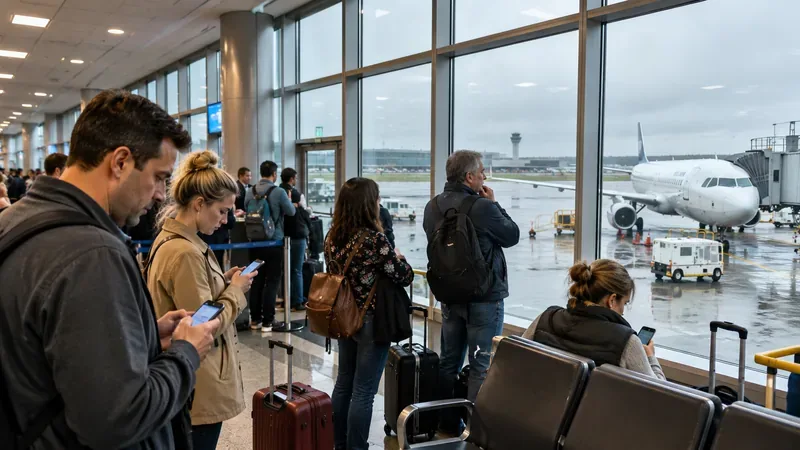
The FAA lifted its nationwide ground stop, but U.S. flight delays and cancellations continue. Check the latest verified status and what travelers should do.
The FAA lifted its Nov. 13 nationwide ground stop after communications issues at air traffic control centers. Learn why flights were halted and why delays continued.
New mobile security robots point to a shift from warehouse automation to home robotics. Here’s what Canadian consumers and workers should know about availability, privacy, and jobs.
A practical guide to modern robotics in Canada, from AI-powered perception and collaborative robots to new federal autonomous-systems initiatives.