Creator Likeness Protection: Practical Steps and UK Changes | 22 November 2026
Learn how creators can protect their face, voice and work from unauthorised AI replicas, document misuse and use platform tools and UK protections.
Updated: 22 November 2026, 13:10 GMT (UTC+00:00).
AI reskinning is drawing attention after BBC reporting described creators finding AI-generated characters replaying their videos, sometimes with the same music, movements and backgrounds. The practice can help an account reuse a performance while changing its apparent performer; creators risk losing control of their work and audiences may mistake a synthetic character for an authorised version.
For creators in the UK, the issue sits across several areas of law and platform policy. A government report says the UK has no general personal image right, although other protections may apply depending on the facts. That makes it important to preserve evidence and report misuse through the appropriate platform channels.
Reskinning is a term used for taking a real person’s social video and reproducing its performance with an AI-generated character or altered appearance. The copied elements may include the choreography, joke, gestures, camera framing, setting or sound. In some cases, the new character looks very different from the original creator; in others, the result may resemble a realistic person.
It is related to deepfakes, but the emphasis is often on reusing a recognisable performance rather than fabricating a completely new scene. The term is descriptive, not a formal legal category. Whether a specific clip breaks a law or platform rule depends on what it copies, how it is presented, and what rights or permissions apply.
Short-form videos provide ready-made material: a clear performance, a simple format and sometimes a distinctive sound or visual setting. Generative tools can make it easier to alter a subject or create a new character, while recommendation feeds reward content that attracts attention. An account may use a reskinned clip to build followers, promote a product or direct viewers elsewhere. Those are possible incentives, not proof of why any particular account posted a video.
The risks extend beyond views. A copied performance can imply that a creator endorses a product or message they have never supported. It can confuse followers, weaken trust and complicate brand relationships. If the imitation is sexualised or otherwise abusive, the potential harm is more serious.
There is no single answer. The UK government’s report on copyright and AI says there is no general personal image right in UK law. It describes a patchwork of protections that may apply in some circumstances, including data protection, criminal law, defamation, trade marks, passing off and copyright. The report also notes that a replica may infringe copyright if it reproduces a substantial part of an existing copyright work; the result depends on the specific material and circumstances.
That means “they used my face” does not automatically resolve the legal question. A creator may need to consider whether the clip copied their protected video or audio, falsely suggests a commercial endorsement, misuses personal data, or falls under another protection. This is general information, not legal advice. For a high-impact commercial use or persistent abuse, a solicitor or a relevant creator organisation can assess the facts.
Rules on realistic AI content also vary by platform. TikTok says creators must label realistic AI-generated images, audio and video, and its guidance prohibits harmful impersonation. A label can help viewers understand what they are seeing, but it does not itself establish that the person depicted gave permission or that the content is lawful.
More accessible generation and editing tools may make it easier to produce convincing imitations. That does not mean every AI remake will be unauthorised: creators can license a likeness, and some transformations may be permitted or benign. The practical challenge is helping viewers distinguish authorised collaborations from misleading copies and giving creators clear, workable ways to report them.
UK policy is also developing. A government creative-industries plan says it intends to consult on digital replicas, while the earlier copyright and AI report sets out gaps and possible protections. A consultation is a policy step, not a new general image right. Until rules and enforcement become clearer, creators should treat provenance, permissions and evidence as central parts of managing their online identity.
It can use similar AI techniques. Reskinning usually refers to recreating an existing performance with a changed or synthetic appearance.
No. A label identifies AI-generated or altered content; it does not prove permission or endorsement.
Preserve links and screenshots, then report the specific post through the platform’s relevant channel.
Sources: BBC reporting on creators’ performances being copied by AI characters; UK government report on copyright, AI and digital replicas; TikTok’s AI-generated content guidance; UK government factsheet on intimate image abuse measures.
Learn how creators can protect their face, voice and work from unauthorised AI replicas, document misuse and use platform tools and UK protections.
AI reskinning puts synthetic characters into creators’ existing performances. Here’s how it works, why it matters and what UK creators can do.
UK ministers address AI creator impersonation as YouTube expands likeness detection. What changed in 2026, where rights fall short and what comes next.
Bell says a Nov. 17 cyber incident exposed some enterprise customer data, with no service impact reported. Learn how Bell customers can protect accounts and spot impersonation scams.
Bell Canada says a November 17 cyberattack exposed enterprise contacts, ticket details and some IP addresses. Here is what is known—and what remains unclear.
Bell says a Nov. 17 intrusion exposed some enterprise customer data, with no service disruption reported. Here is what is confirmed and what remains unknown.
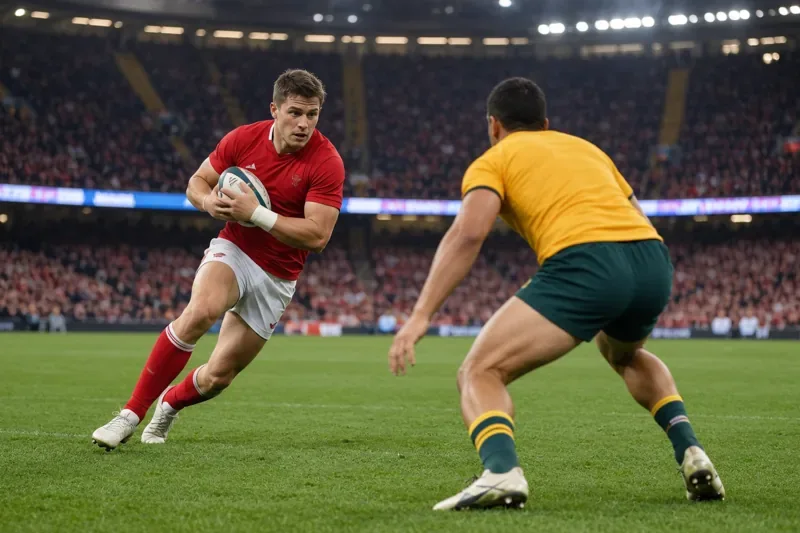
Australia edged Wales 29–26 in Cardiff, withstanding a late comeback after four tries from each side. See the score, key moments, and what comes next.
Why Australia beat Wales 29–26 in the 2026 Nations Championship: the tactical turning points, match statistics, late penalty, and what comes next.
After Verstappen’s Las Vegas win, see the verified 2026 F1 drivers’ and constructors’ standings, title status, and the nine-point Red Bull–McLaren battle.
Max Verstappen won the 2026 Las Vegas Grand Prix by 0.639 seconds. See the FIA final classification, points, penalties, fastest lap and race highlights.