Make Realistic Fake Blood Without a Cleanup Surprise
Mix a glossy prop-only fake blood batch, choose safer products for skin and costumes, and test cleanup before Halloween night.
Tech companies make bold claims every year that their latest flagship phones are much more durable. Yet many high-end phones are just as prone to scratches and cracks as their budget counterparts. Why?
Why isn't the glass on flagship phones more durable than on budget models?
If you're spending thousands of dollars on a phone, you want to make sure it not only holds up over time, but also looks like new for a long time. After all, part of what you're paying for is extra durability — at least in theory.
In reality, the glass on flagship phones isn't significantly more durable than the glass on budget phones. You can easily find phones with the same level of protection for half the price.
The $499 Galaxy A56, for example, comes with Gorilla Glass Victus+ on the front and back, the same glass used on the previous $1,199 flagship S22 Ultra.
This is because there is an inverse relationship between scratch resistance and crack resistance, as scratch resistance is a result of hardness while crack resistance is a result of flexibility. You cannot make a piece of glass both more bendable and harder at the same time.
If that were possible, people wouldn't shy away from buying foldable phones . However, the biggest drawback of foldable phones remains the fragile inner display made of ultra-thin glass and plastic.
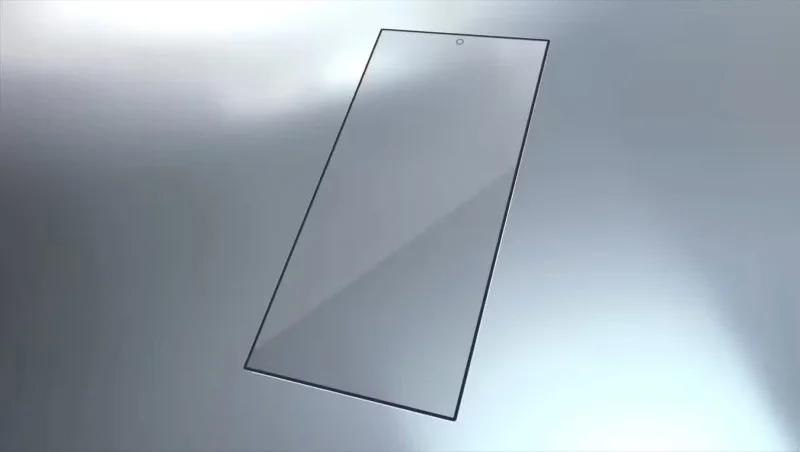
In other words, if Corning wants to make its Gorilla Glass more scratch-resistant, the company will inevitably have to sacrifice some of its crack resistance, and vice versa. And as a rule, Corning prioritizes impact resistance over scratch resistance.
The idea is that a crack does more damage and can render the device unusable, while a scratch may not damage the functionality of the screen. That's something we can't deny.
Of course, there's more to a flagship than just its claimed durability. But if durability is one of the main reasons you buy a high-end phone, think again. No matter how expensive your phone is, it can still scratch at a level 6 with deep, more noticeable grooves at a level 7 on the Mohs scale.
Mix a glossy prop-only fake blood batch, choose safer products for skin and costumes, and test cleanup before Halloween night.
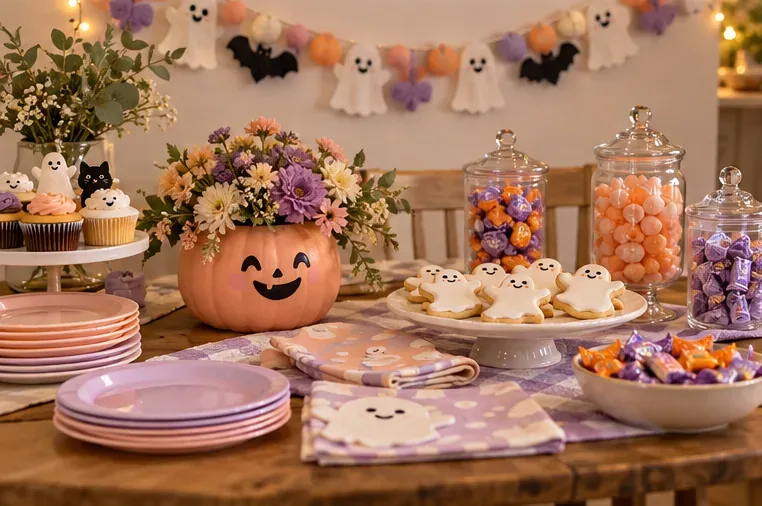
Create a gentle Halloween look with pastel colors, friendly ghosts, easy no-carve accents, and practical safety tips for your home.
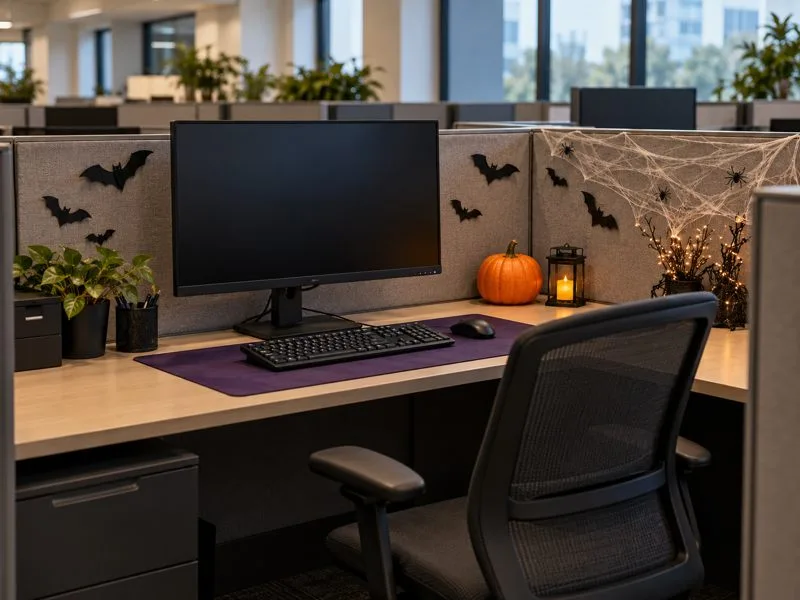
Create a spooky office cubicle with Halloween desk decor ideas that keep your workspace usable, tidy, and mindful of workplace safety.
Plan a recognizable Halloween 2026 look with pop culture costumes inspired by Spider-Man, Supergirl, Toy Story 5, Moana, Mario, and Wednesday.
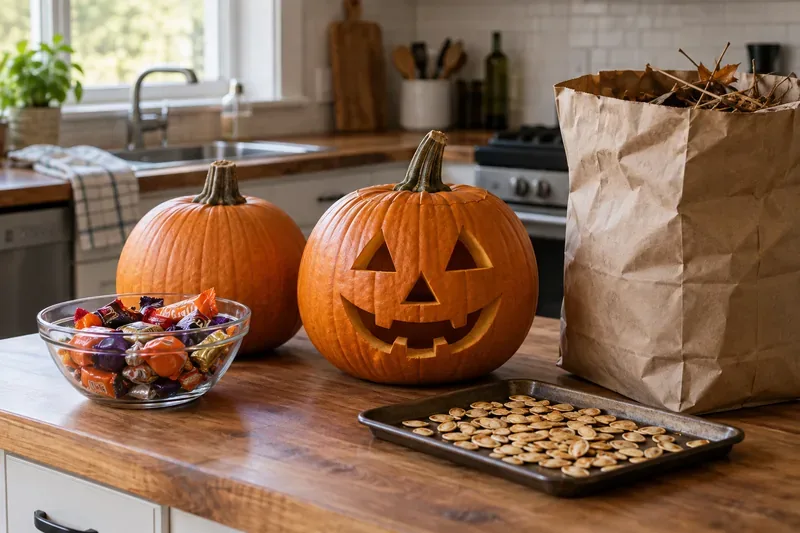
Sort leftover Halloween candy safely, share or repurpose sealed treats, and choose food use or compost for pumpkins based on their condition.
Compare workplace Halloween costume choices by respect, dress code, mobility, and safety—and learn when a subtle accessory or a policy check is the better option.
Find a couples costume that fits your style, budget, and comfort level, from Addams Family classics to original inside-joke duos.
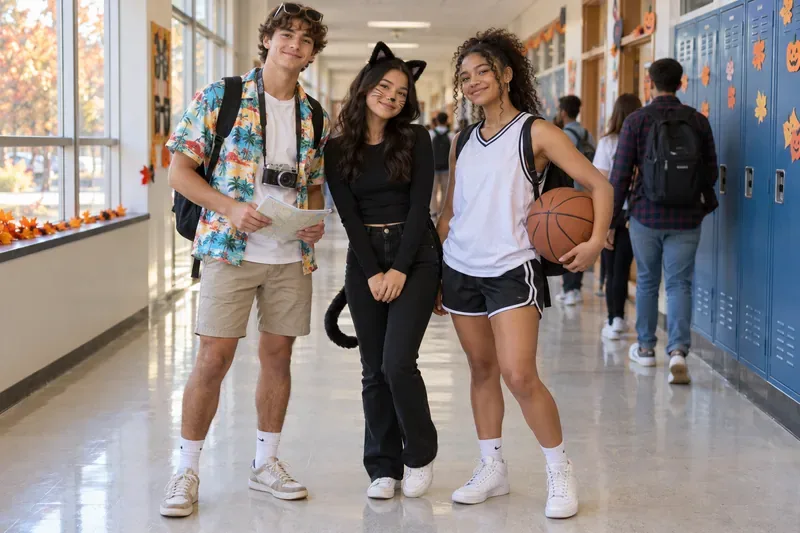
Need a last-minute high school Halloween costume? Compare 10 easy closet-based ideas by prep time, comfort, school-day practicality, and simple safety checks.
Use a simple 2026 Halloween decorating timeline for indoor décor, outdoor displays, and fresh pumpkins, with practical adjustments for weather and events.
Mix five vivid, approachable Halloween cocktails with measured recipes, simple prep tips, and an alcohol-free option for your party guests.