How to Check Purchase History on Apple App Store
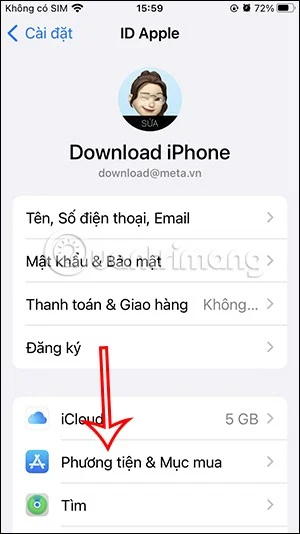
Through your purchase history on the App Store, you will know when you downloaded that app or game, and how much you paid for the paid app.
Notifications are great for staying informed, but they can quickly get out of hand. With so many alerts coming from different apps, checking the notification center can feel like wading through a sea of information. Luckily, Android makes it easy to manage the chaos and keep things organized.
Table of Contents
There are dozens of apps installed on your phone, but not all of them are equally important. One of the things you can do to tame notifications on your Android phone is to turn off alerts from unnecessary apps. This alone can make a big difference in reducing clutter.
For example, always turn off notifications from shopping apps that constantly send alerts about promotions or deals. Likewise, turn off notifications from regular apps like Candy Crush, which often send updates or reminders every few hours.
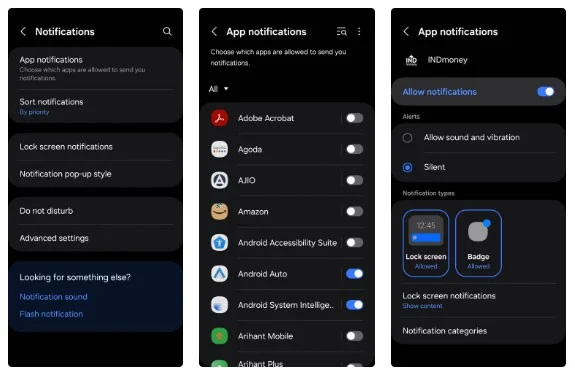
For apps you're not sure about — like news apps — take a subtle approach and mute notifications. That way, you can still get notifications if you choose to check, but without the ringing alarm in your ears.
Because Android makes it easy to mute or disable notifications for specific apps, it doesn't take much time. With just a few taps, your phone won't be bombarding you with unnecessary notifications.
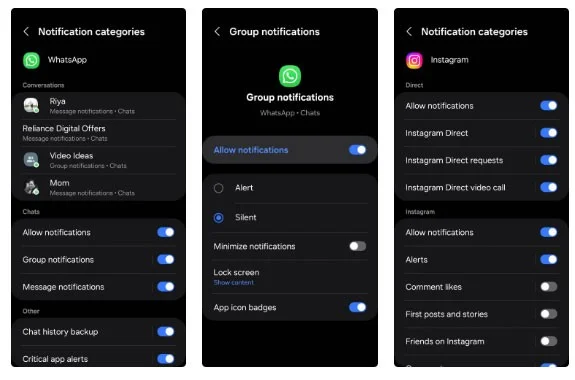
For social media , messaging, and email apps , you won't want to turn off alerts completely, but you'll want more control over what notifications you get. Luckily, Android lets you customize notifications by category, so you can choose what types of notifications you want to receive.
If you rely on WhatsApp to communicate, muting or turning off notifications completely is not practical. Instead, mute group chat notifications, which can be noisy and you don't need to be alerted every time someone messages in a non-urgent chat.
Similarly, for Instagram , keep notifications on for direct messages and calls, but turn off alerts for comments, likes, new followers, and first posts. Do this for all app alerts that aren't urgent enough to require your immediate attention.
To do all of this, go to Settings > Apps > [App Name] > Notifications > Notification categories . From there, you can see all the different types of notifications an app can display and manage them as needed. Sure, doing this for some apps will take some time, but it’s worth it.
Note : Since notification categories are disabled by default on Samsung Galaxy phones, you must first navigate to Settings > Notifications > Advanced settings and enable the Manage notification categories for each app toggle .
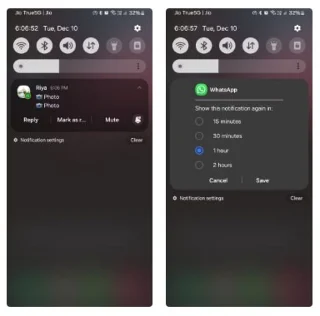
Sometimes an alert comes up that you don’t want to ignore completely, but you’re not ready to deal with right away. That’s where Android’s snooze feature comes in handy. Instead of feeling pressured to respond immediately or letting it pile up in your notification drawer, you can temporarily ignore it until you’re in a better position to deal with it.
When an important alert pops up—whether it's a reminder for a meeting, a message that needs responding to, or a task that needs tackling—tap the snooze icon (a bell with a clock on top), choose a snooze duration from 15 minutes to 2 hours, and tap Save . It's quick, intuitive, and perfect for times when you need to focus on something else.
The notification will then disappear for a while and reappear after the set time, giving you time to deal with it. This approach not only keeps your notifications neat, but also ensures you don't miss any important information.
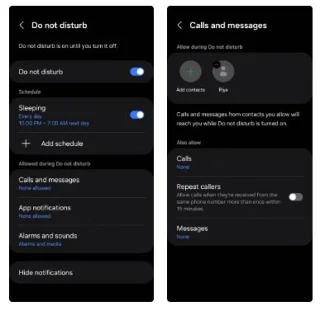
Another way to manage notification overload on Android is to use Do Not Disturb mode. It's a simple but effective way to take back control when your phone is bothering you.
Android's Do Not Disturb settings menu lets you customize the hours, frequency, and conditions under which it activates. For example, you can schedule Do Not Disturb to automatically activate at 10 p.m. every night and last until the next morning. This ensures you get uninterrupted sleep without your phone buzzing with notifications. It's a relief to wind down at night without having to worry about constant alerts.
Turn on Do Not Disturb manually when you're doing something important and don't want to be interrupted by notifications. But to be safe, set exceptions for close family and friends, in case something urgent comes up. That way, if they call or text, you'll still be notified, but everything else — like app updates, social media alerts, or random pings — will remain silent.
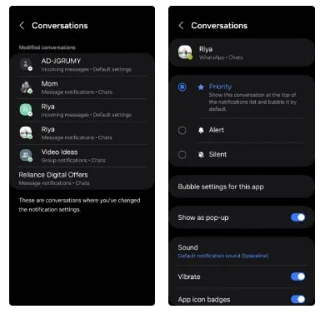
If you get a lot of text messages and WhatsApp messages throughout the day, your notification center can get a little chaotic at times. That's where Android's ability to prioritize conversations comes in handy.
With priority conversations, you can mark specific contacts or threads to ensure their notifications always appear at the top, no matter what. Additionally, these priority messages open in floating bubbles, making them super easy to spot and respond to immediately. This means that when a message comes in from someone you've marked as priority, it won't get lost in a list of less important notifications.
For example, set messages from family members and activities as priority conversations. This ensures that you don't miss an important message when a person you care about or a colleague gets in touch.
Here are some tips you can use on a daily basis to manage notification overload. By customizing your notification settings, muting unnecessary alerts, and prioritizing important alerts, you can significantly reduce the clutter in your notification center.
If you're feeling overwhelmed by constant alerts, try these strategies — your Android notification center will be much calmer and more manageable! And if you're still not satisfied, you can always use a notification manager app on your Android phone for even more control. These apps offer additional features and tweaking options to help you stay on top of your notifications.
Through your purchase history on the App Store, you will know when you downloaded that app or game, and how much you paid for the paid app.
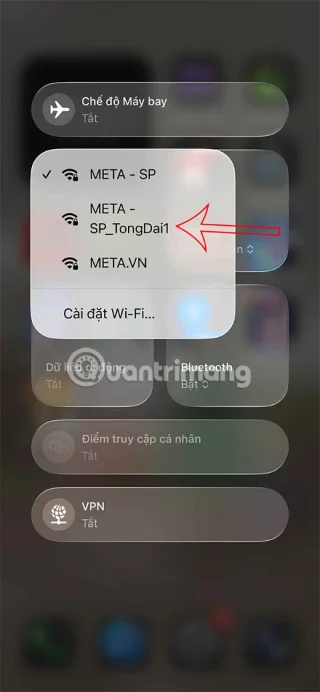
Apple makes it easy to find out if a WiFi network is safe before you connect. You don't need any software or other tools to help, just use the built-in settings on your iPhone.
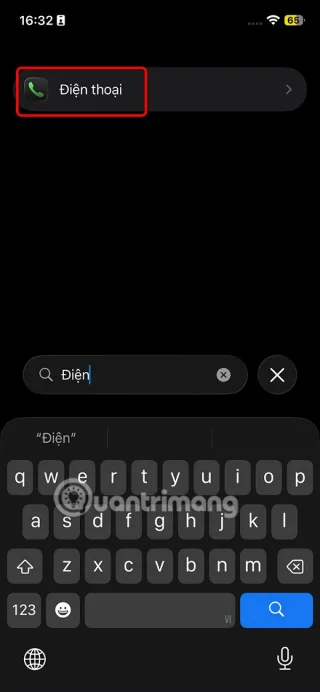
iPhone mutes iPhone from unknown callers and on iOS 26, iPhone automatically receives incoming calls from an unknown number and asks for the reason for the call. If you want to receive unknown calls on iPhone, follow the instructions below.
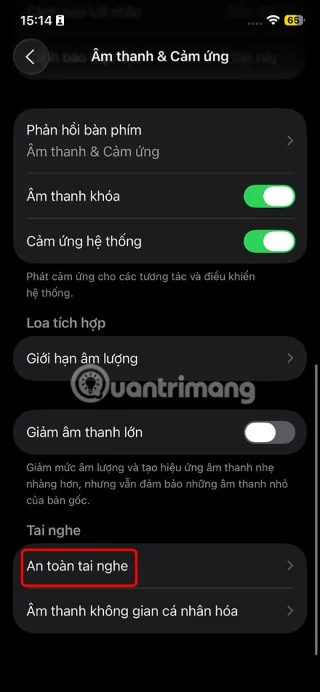
iPhone has a speaker volume limit setting to control the sound. However, in some situations you need to increase the volume on your iPhone to be able to hear the content.
ADB is a powerful set of tools that give you more control over your Android device. Although ADB is intended for Android developers, you don't need any programming knowledge to uninstall Android apps with it.
You might think you know how to get the most out of your phone time, but chances are you don't know how big a difference this common setting makes.
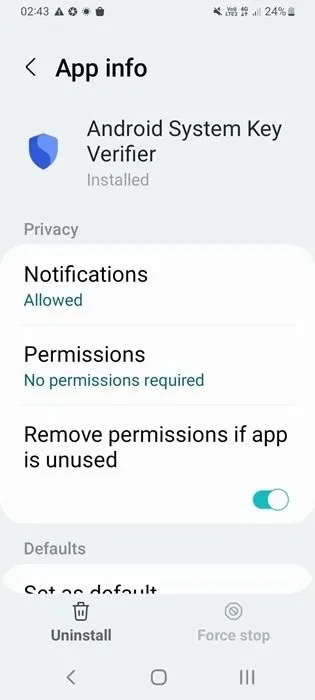
The Android System Key Verifier app comes pre-installed as a system app on Android devices running version 8.0 or later.
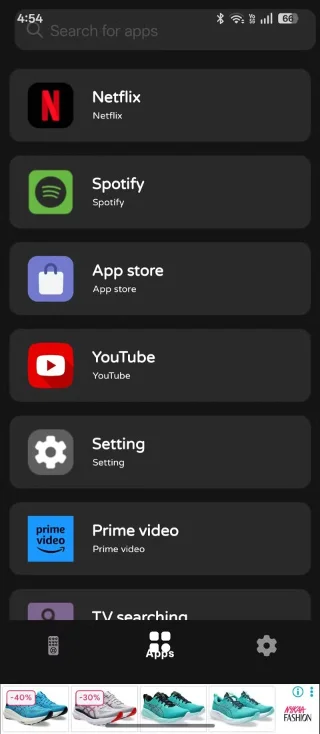
Despite Apple's tight ecosystem, some people have turned their Android phones into reliable remote controls for their Apple TV.
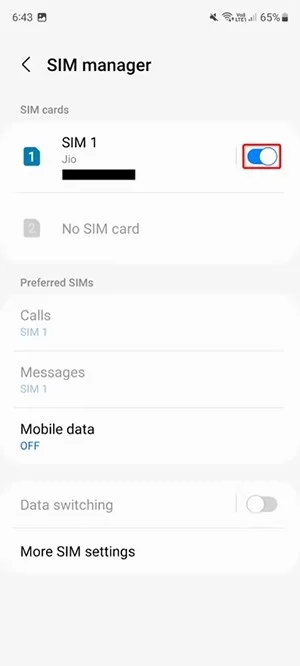
There are many reasons why your Android phone cannot connect to mobile data, such as incorrect configuration errors causing the problem. Here is a guide to fix mobile data connection errors on Android.
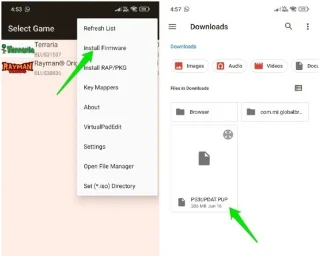
For years, Android gamers have dreamed of running PS3 titles on their phones – now it's a reality. aPS3e, the first PS3 emulator for Android, is now available on the Google Play Store.