How to Use a Vegetable Steamer Basket
Master how to use a vegetable steamer basket for perfectly cooked, nutrient-rich vegetables in minutes. Follow this clear step-by-step guide to start steaming today.
Most games load assets in real time as you play, which is why it’s a good idea to get an SSD for gaming. If you have a slow SSD – or worse, an HDD – you may experience longer load times, stutters, and even unstable FPS. Before upgrading your memory, though, try the tweaks in this guide to improve game load times in Windows.
Table of Contents
NTFS (the default file system in Windows) keeps a record of the last access time for every file and folder (including game files) to keep track of changes. However, this process also adds a bit of disk space, taking up bandwidth that games could use.
Typically, this information is used by backup tools that track changes to sync only new changes, such as Windows File History. If you don't use this type of tool, turn it off to improve game data loading speed.
Search for "cmd" in Windows Search, right-click Command Prompt and select Run as administrator . Type the following command and press Enter to disable NTFS Last Access Time.
fsutil behavior set disablelastaccess 1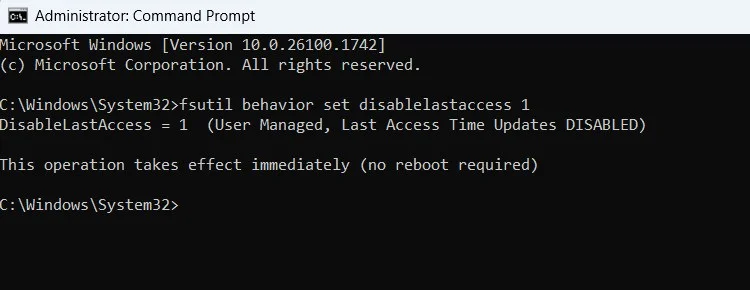
If you encounter any problems and want to revert the change, use the following command in Command Prompt to re-enable this feature:
fsutil behavior set disablelastaccess 0Windows is already pretty aggressive about managing system memory and cached content, but you can force it to cache even more by enabling the Large System Cache option. This may not be optimal for most users, but it can be beneficial for those who play games with heavy assets.
Warning : You will need to edit the Windows Registry to enable this feature. Make sure you back up the Registry before making any edits, as incorrect edits may result in data loss or corruption.
Before enabling this feature, make sure you have enough RAM (at least 16 GB), as low RAM can lead to more lag, then search for "regedit" in Windows Search and open Registry Editor .
Move to the following location:
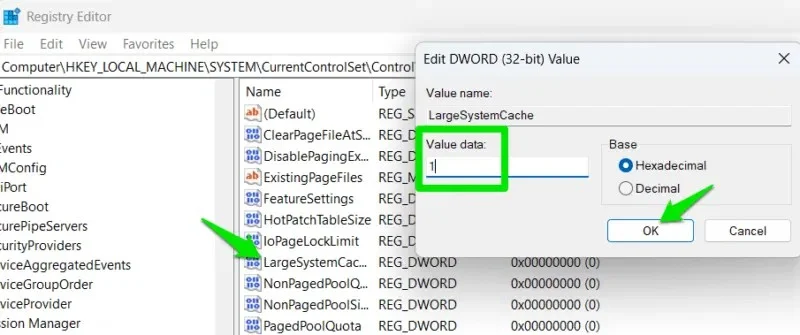
HKEY_LOCAL_MACHINE\SYSTEM\CurrentControlSet\Control\Session Manager\Memory ManagementDouble-click LargeSystemCache in the right column and set its value to 1 .
All antivirus programs with real-time protection will scan every file as you access it, including game files. When you launch a game, the antivirus will scan the files to make sure nothing suspicious is present. Disabling this can reduce game loading times, including loading game assets.
If you trust the game and don't use any third-party mods, you can disable scanning of the game folder to improve loading times. This article demonstrates how to do this in Microsoft Defender Antivirus. If you use a third-party antivirus, look for an exclusion list in its scan settings.
Search for "windows security" in Windows Search and open the Windows Security app .
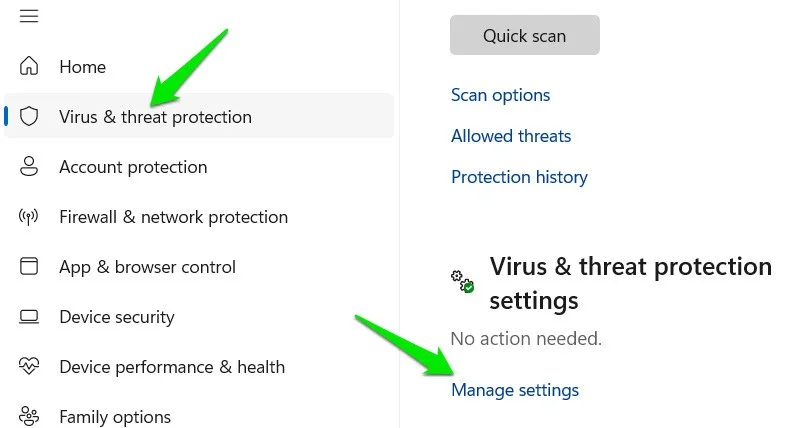
Navigate to Virus & threat protection , and then click Manage settings under Virus & threat protection settings .
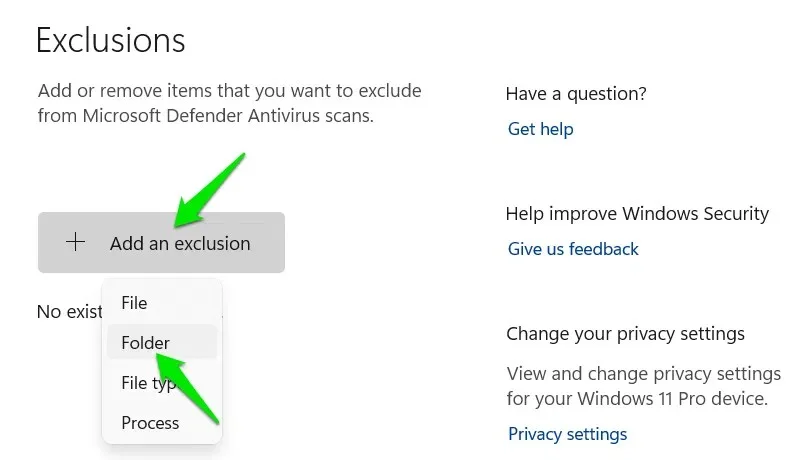
At the bottom, click Add or remove exclusions under Exclusions , then click Add an exclusion → Folder to select your game folder.
If you need to re-enable scanning, select the added game folder and select Remove .
By default, Windows uses the NTFS file system, which is better than exFAT or FAT32 in almost every way for Windows. However, exFAT is superior at handling large files faster because it avoids many of the problems that arise from focusing on simplicity. Many games have large files, so your particular game may benefit from an exFAT-formatted drive.
To create an exFAT drive, type "disk management" into Windows Search and open the Disk Management tool .
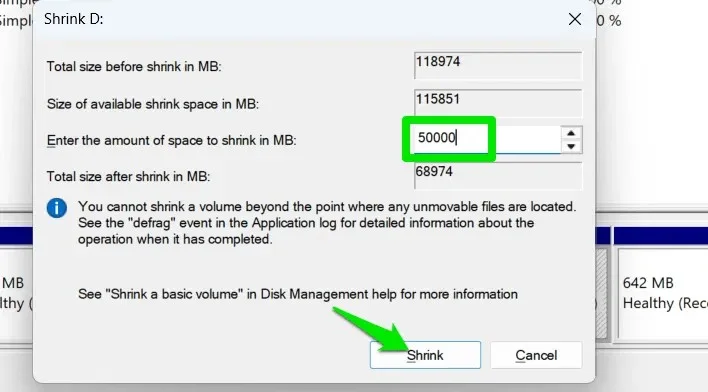
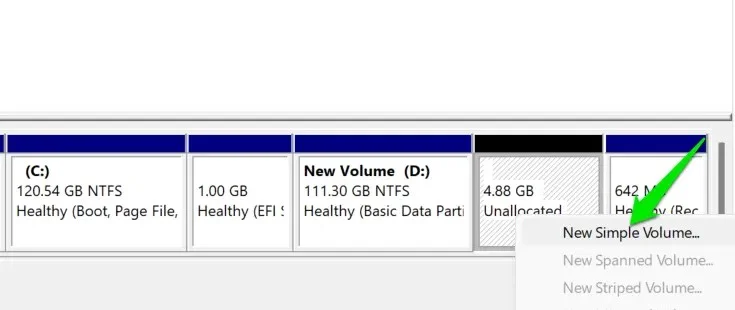
You'll need to free up enough space to install your game; try shrinking one of your drives. Right-click the drive you want to shrink and select Shrink Volume . Enter the amount of space you need to install the game (try 20% more than the game requires) and click Shrink .
Right-click on the unallocated space and select the New simple volume option . Follow the wizard step by step and make sure you select exFAT when asked to select the file system.
Once created, you can install your game on this drive to see if load times improve.
By default, Windows optimizes full-screen games to work in hybrid mode when in full-screen mode, but still interacts with the desktop and other applications, similar to windowed mode. However, this convenience also affects game performance, input lag, and even game asset loading times due to secondary processes.
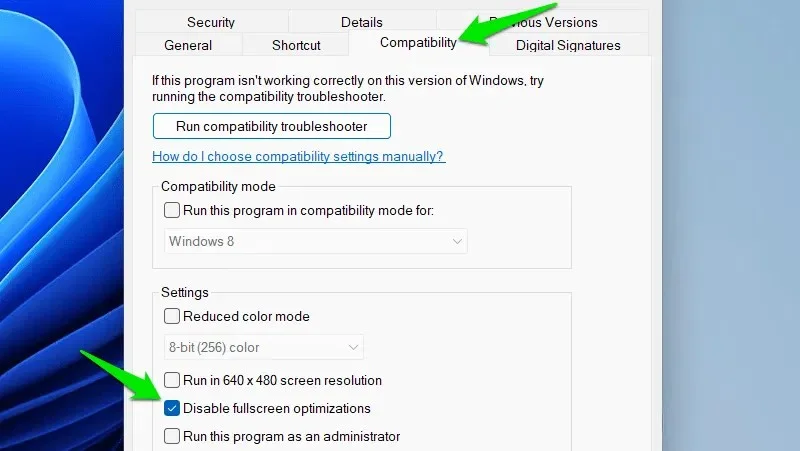
You can disable Full-Screen Optimizations to improve game performance and loading times by right-clicking on the game's executable (.exe) file. Then, select Properties .
Go to the Compatibility tab and select the Disable fullscreen optimizations option . Alternatively, use a Registry tweak to disable it system-wide.
Keep in mind that after disabling it, you won't be able to easily switch between apps (using Alt + Tab) and the game overlay won't work.
The GPU stores precompiled shaders on disk for later reuse, instead of generating new shaders each time. Shaders are loaded when the game loads or when new assets are loaded during gameplay. You can increase the shader cache size to ensure you always have precompiled shaders to speed up load times.
For Nvidia, open the Nvidia Control Panel and go to Manage 3D Settings → Global Settings to find the Shader Cache Size option . The default size is 4GB, but you can increase it to the recommended 10GB for AAA games. Alternatively, choose Unlimited if you have plenty of space.
You can't adjust the shader cache size for AMD, but you can enable an option in the application to make sure it caches shaders. In AMD Radeon Adrenalin Edition, go to Global Settings and set Shader Cache to AMD optimized .
While Windows does a good job of managing memory, you can get more aggressive by using a third-party application. PrimoCache is a reliable tool for this purpose. While it can do many things, I’ll list it here for caching content in a portion of RAM to speed up game load times.
This application reserves a portion of your RAM and uses it exclusively for caching frequently used programs. Unlike Windows, which manages all of your RAM for both cache and active applications, PrimoCache will only force a portion for cache. Of course, you will have less RAM for active tasks, but it won’t be a problem if you have enough RAM (16GB recommended).
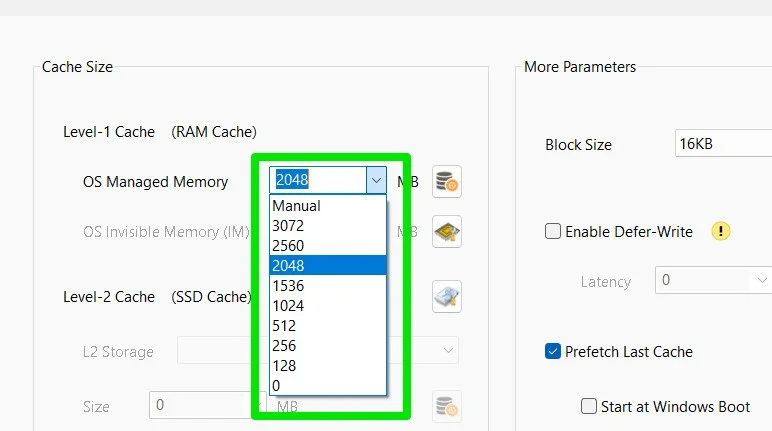
Launch the tool and click Create a new cache task at the top. After selecting the cache drive, select Level-1 Cache . This is the amount of RAM PrimoCache will use to cache. Try to choose an amount of RAM that you can give PrimoCache without affecting your running programs (2GB is a good start). Click OK to start caching.
PrimoCache will have to monitor your frequently used programs to start caching. During testing, the tool successfully cached game data after two launches, and the cache persisted across system reboots.
PrimoCache comes with a fully functional 30-day free trial, but a paid license is required after the trial period.
Combined, these tweaks should significantly improve your game loading times. You should also optimize Windows for gaming performance, as freeing up resources can also indirectly improve game loading times.
Master how to use a vegetable steamer basket for perfectly cooked, nutrient-rich vegetables in minutes. Follow this clear step-by-step guide to start steaming today.
How Long to Steam Broccoli in Microwave Steamer? Get the precise timing and step-by-step instructions for tender-crisp results that lock in nutrients and flavor.
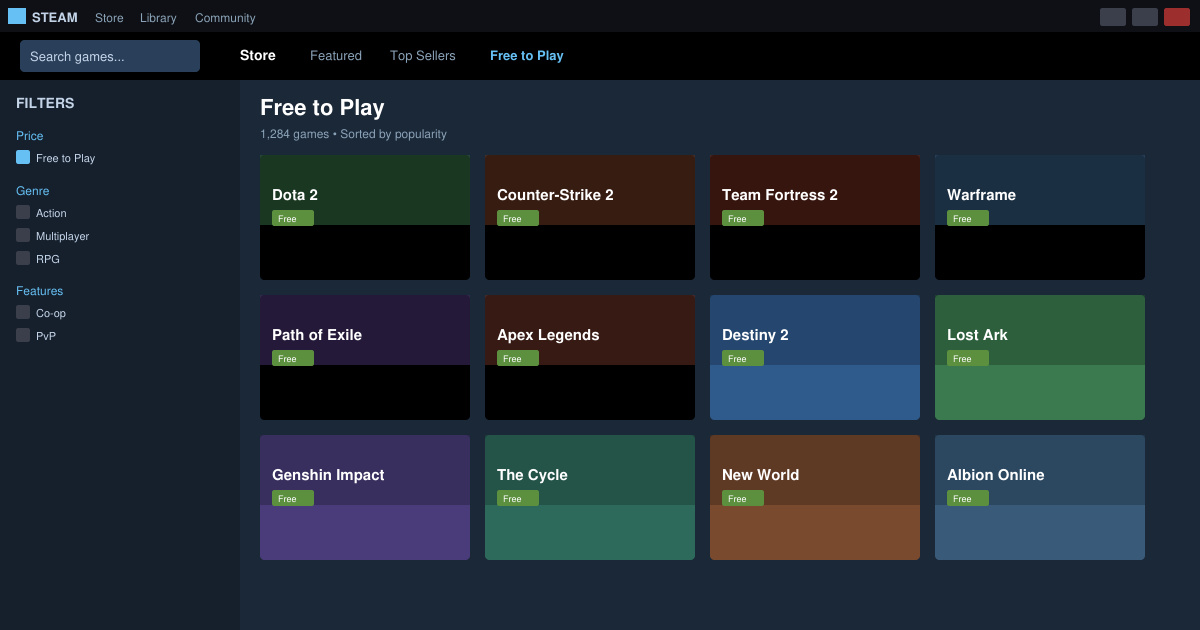
Find and download the best free games for PC Steam with this complete guide. Learn how to browse, install, and play top free-to-play titles quickly.
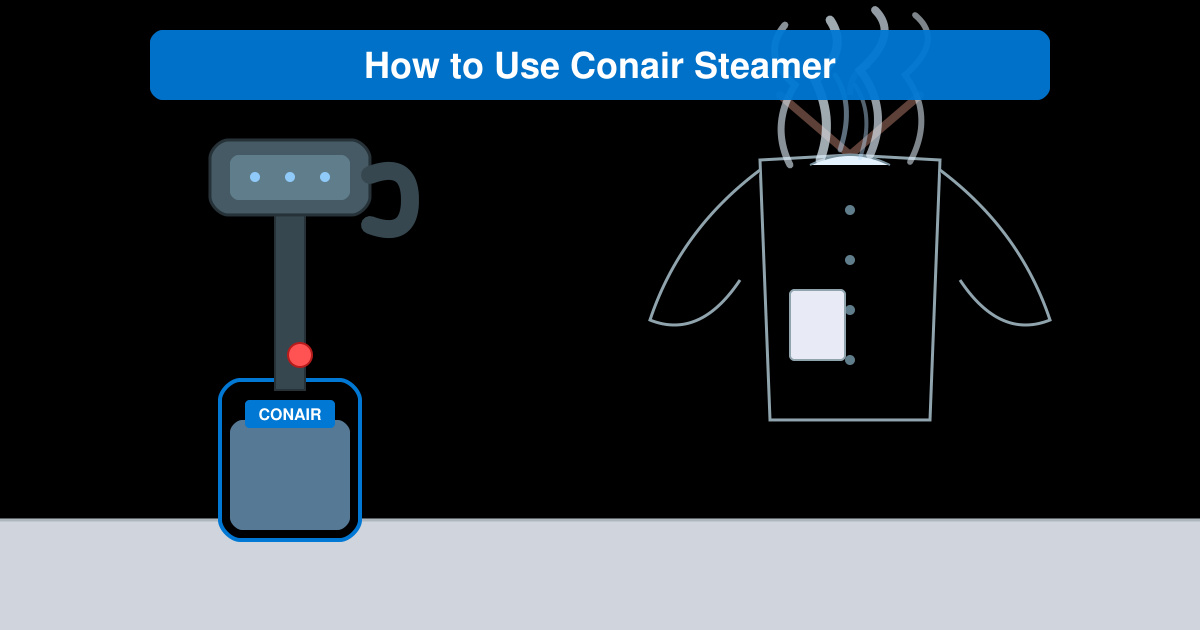
How to Use Conair Steamer correctly to remove wrinkles fast from clothes and fabrics. Follow these clear steps for safe, effective results every time.
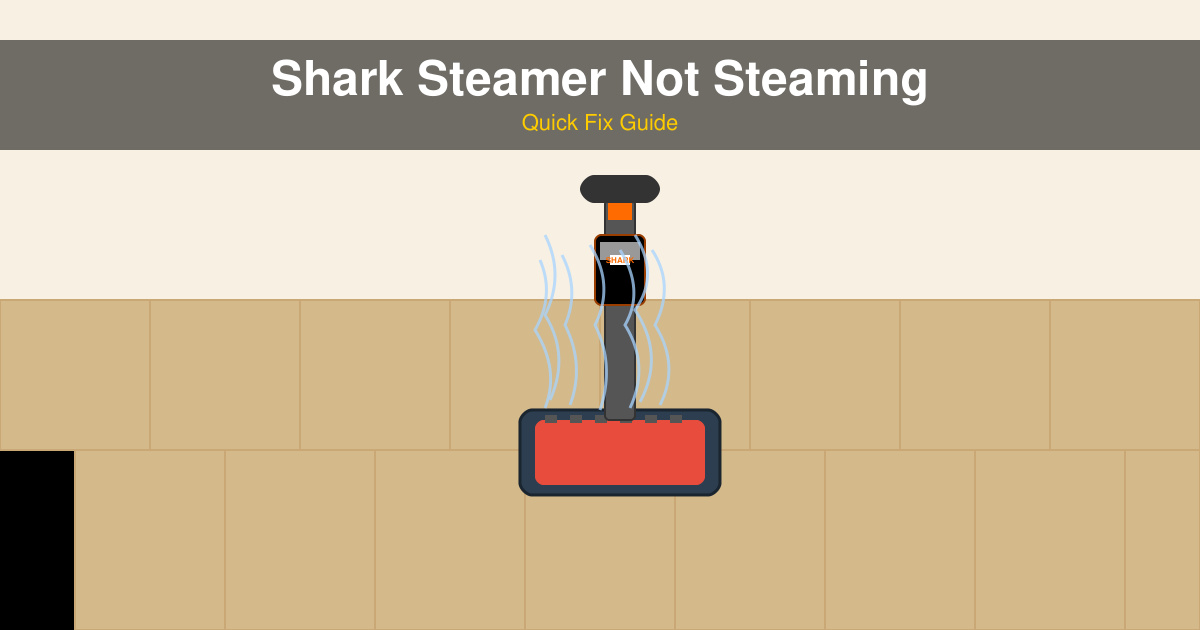
Shark Steamer Not Steaming? Follow these targeted troubleshooting steps to identify and fix the issue so your Shark steam cleaner works properly again.
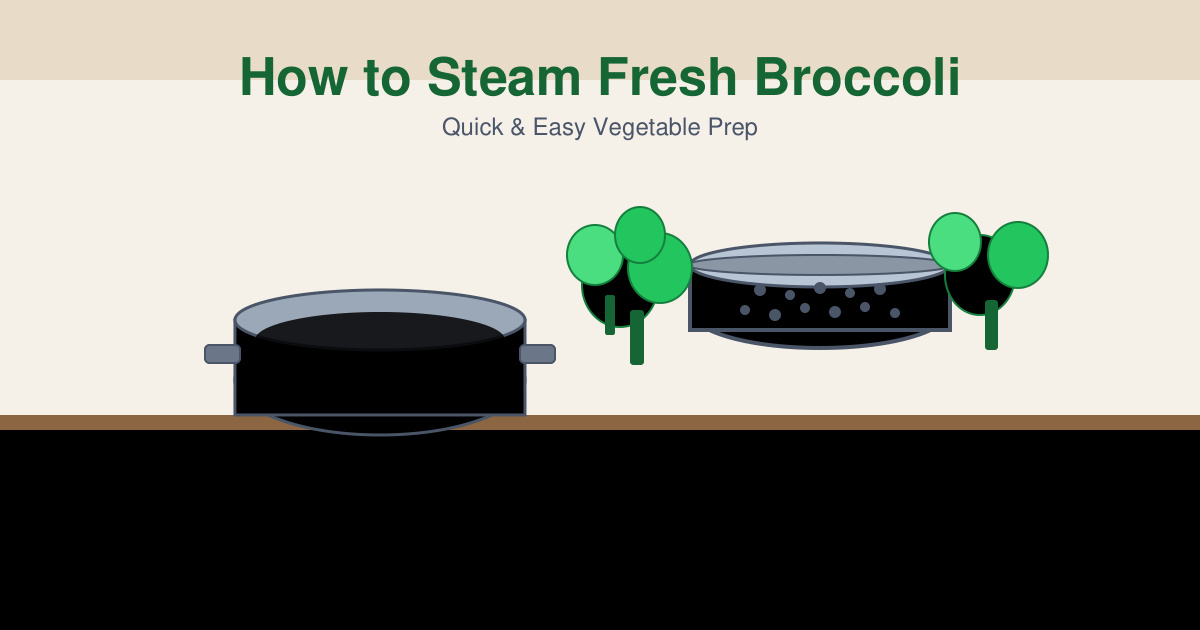
Learn how to steam fresh broccoli perfectly in just five minutes. This simple stovetop method keeps nutrients intact and delivers tender-crisp results every time.
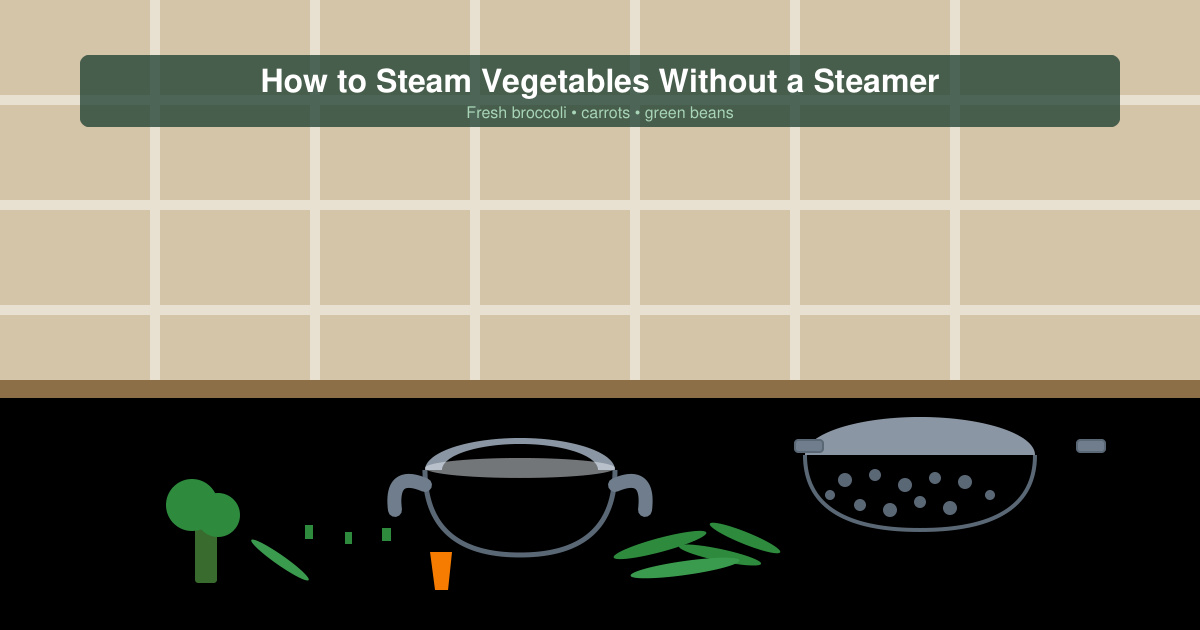
How to Steam Vegetables Without a Steamer using everyday kitchen tools like a pot, colander or microwave. Get crisp, nutrient-rich results with these proven methods.
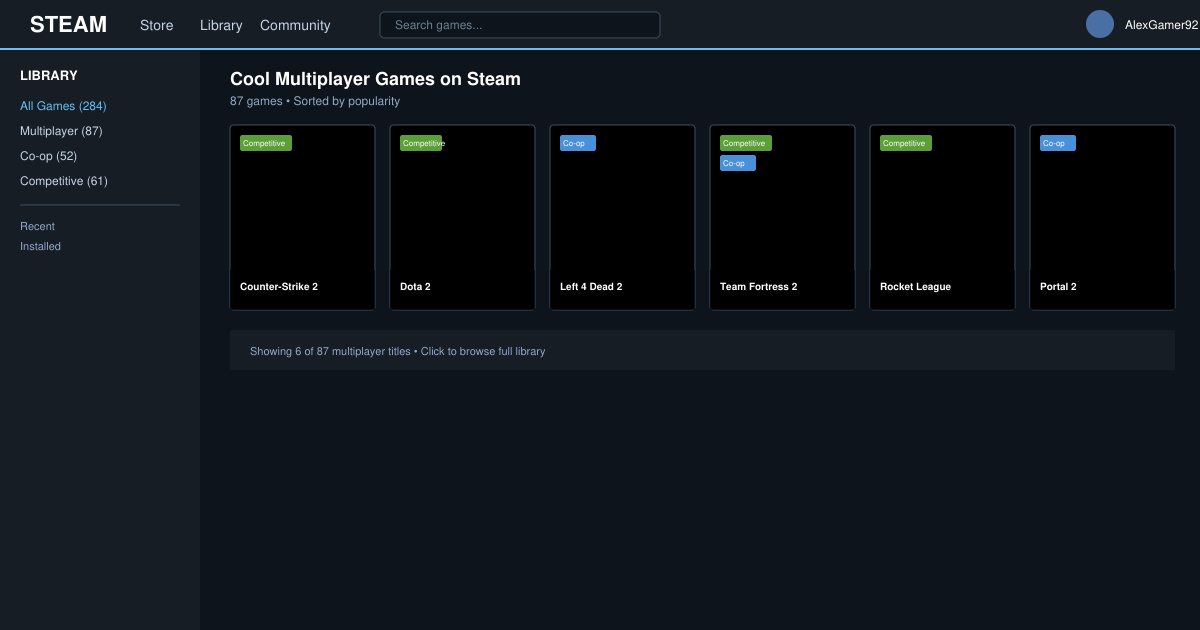
Find cool multiplayer games on Steam with this guide covering discovery, installation, and play. Jump into co-op and competitive titles with friends today.
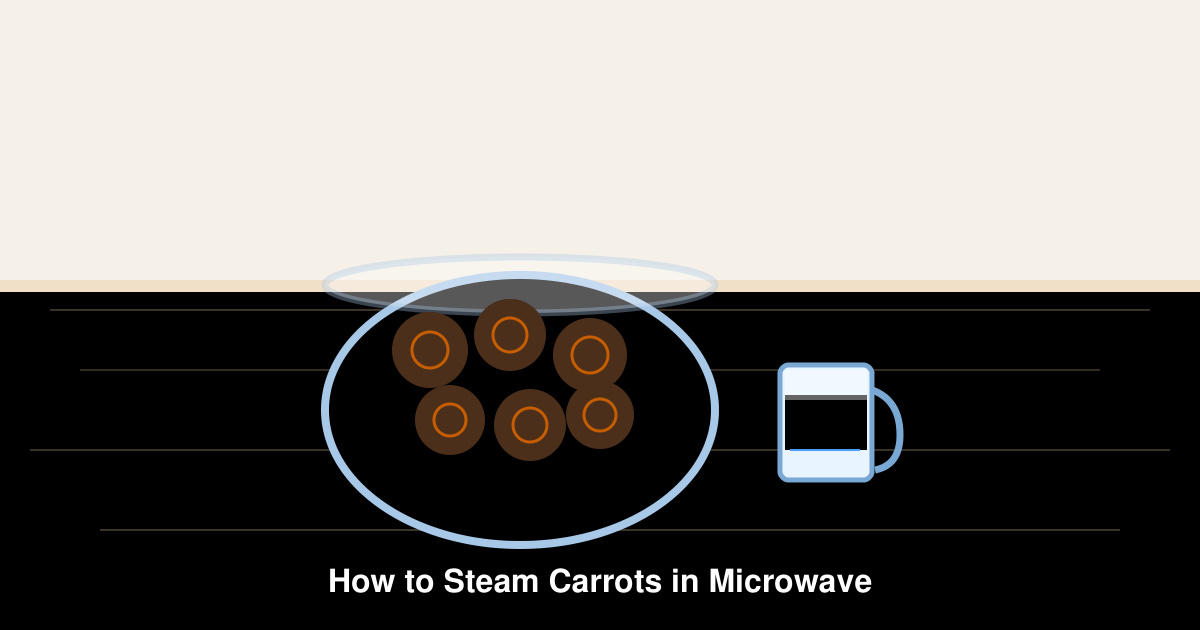
How to steam carrots in microwave delivers tender, nutrient-rich results in under 10 minutes. Follow these precise steps for perfectly cooked carrots without a steamer basket.
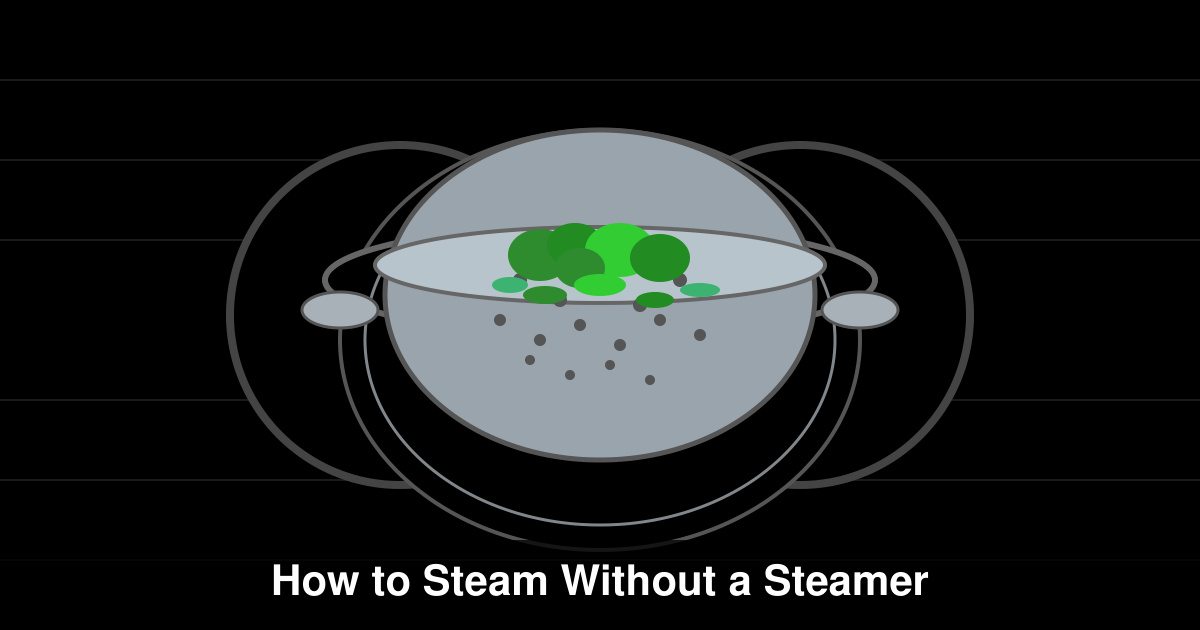
How to Steam Without a Steamer using everyday kitchen tools for perfectly cooked vegetables and dumplings. Discover fast methods that deliver restaurant-quality results at home.