How to Update Google Chrome Browser

Learn how to update Google Chrome browser on Windows, Mac, and Android in minutes to enjoy better security, speed, and new features. Follow these clear steps.
There’s nothing more annoying than having your phone restart all of a sudden while you’re doing something on it. There are many reasons why your phone keeps restarting. It could be a strange app you installed, your phone is overheating, or your battery is dying.
Let's take a look at the troubleshooting steps you should take if your phone crashes and keeps restarting.
If you own a Windows or Mac computer, you're familiar with the concept of updating your operating system to benefit from the latest features, bug fixes, and security patches. Android phones are no different.
The number of updates you get will depend on the phone and the manufacturer. Unfortunately, many manufacturers stop updating phones after a few years (except for critical bug fixes), partly as a tactic to get you to upgrade your device.
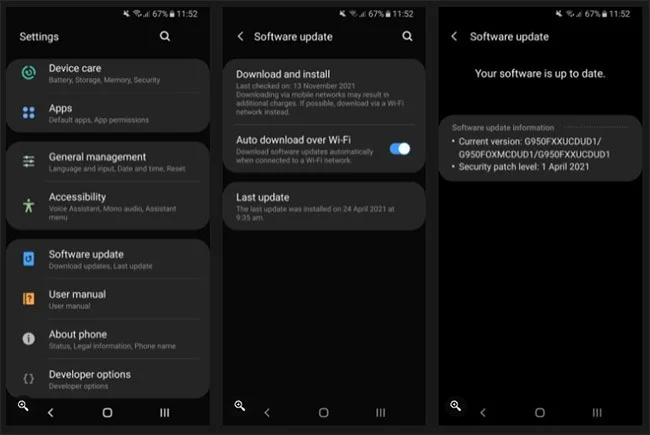
Regardless, if your phone's operating system is out of date, it can cause problems that cause your phone to keep restarting. So, it's a good idea to check for updates. The exact process will vary from phone model to phone, but it should be something like this:
2. Update the application
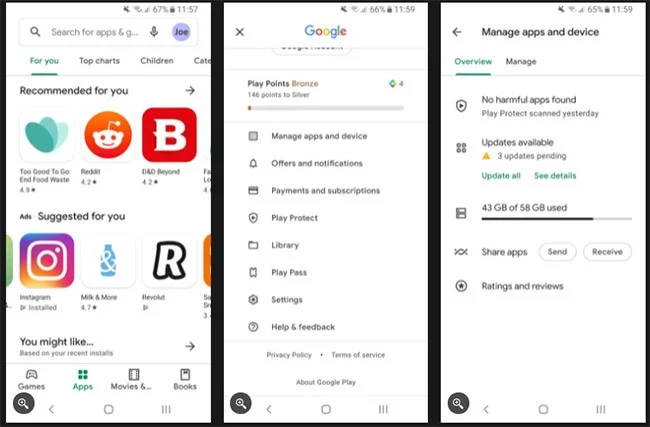
Along with updating your operating system, you also need to make sure all the apps on your phone are running the latest version. Some apps will update more frequently than others, depending on the type of app and how involved the developer is.
If you notice that your phone restarts when you use a certain app or when it runs in the background, it's possible that the app is causing the problem. You may be running an older version of the app that's not compatible with your version of Android, or the app developer may have released a fix for the problem.
Refer to the article: Instructions for updating Android applications for more details.
3. Turn on Safe Mode and delete the app
As mentioned, a specific app can cause your phone to restart unexpectedly. To fix this problem, you should enable Safe Mode on Android . In Safe Mode, only the device's core apps are allowed to run, so this is a great way to check if an app you've installed is at fault.
If your phone won't restart in Safe Mode, it's likely that an app you installed is the cause. Therefore, you should uninstall your apps one by one, starting with the most recently downloaded, until you find the one that's causing the problem.
4. Clean up memory
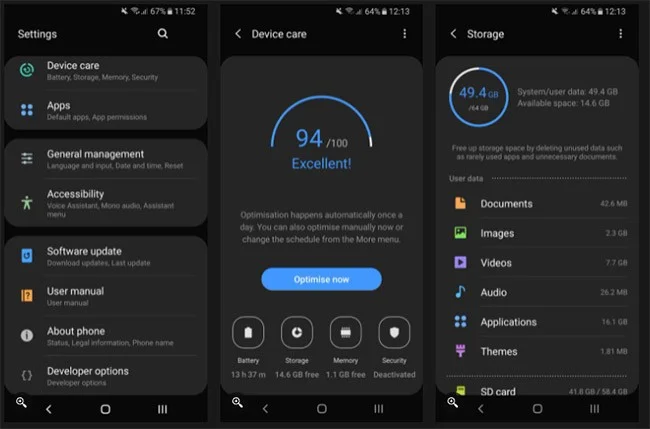
Your phone only has a limited amount of storage. If you get to less than 10% of your memory, your phone may start to crash - including randomly restarting.
Therefore, you should clean up your phone memory . For example, you can delete unused apps, clear cache, empty Internet download folder, etc.
You can also expand your storage. If your phone allows it, buy a microSD card to add more internal storage. Or move your data to cloud storage, like Google Drive or OneDrive.
5. Check for signs of overheating
If your phone gets too hot, it may restart or shut down to protect itself. It's not uncommon for phones to get hot during intensive tasks, like playing games for long periods of time, but if your phone consistently gets too hot, that's a problem.
Reference: Your Android device is overheating, here's how to fix it for more details.
6. Perform a factory reset
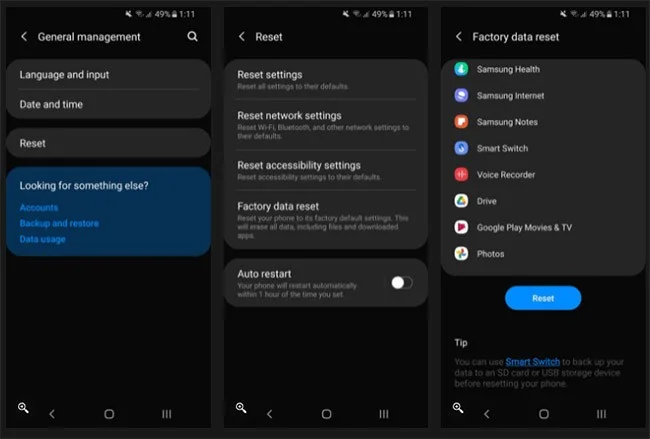
If you've done everything above and your phone still keeps restarting, you can try the factory reset option for your phone . This will wipe your device and return everything to default.
Therefore, it is important that you back up your Android device before proceeding. While some of your Google account data is in the cloud, your app data and personal files are likely local and you don't want to lose them.
7. Replace the battery
Your phone's battery has a finite lifespan and it may be time to replace it. This may be true if your phone restarts and suddenly has much less battery life left than it did before.
Unfortunately, it’s not easy to replace the battery on most modern Android phones. If your phone has a removable back, you’re in luck, and you can buy a replacement battery and put it in. Otherwise, your best bet is to see if the manufacturer offers repair services, take it to a reputable repair shop, or buy a new phone.
Learn how to update Google Chrome browser on Windows, Mac, and Android in minutes to enjoy better security, speed, and new features. Follow these clear steps.
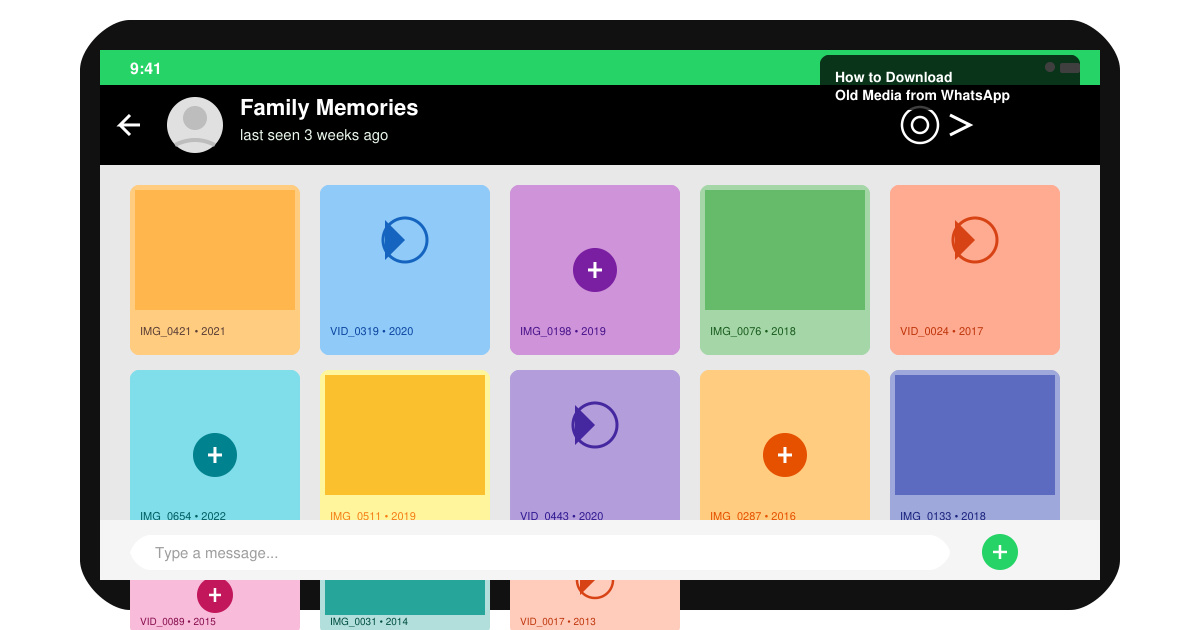
Learn how to download old media from WhatsApp and recover photos or videos from past chats. Follow these clear steps to save files that no longer appear in your gallery.
Facebook Messenger Isn T Working on your device? Use these exact troubleshooting steps to restore chats, calls, and notifications fast on Android, iOS, or desktop.
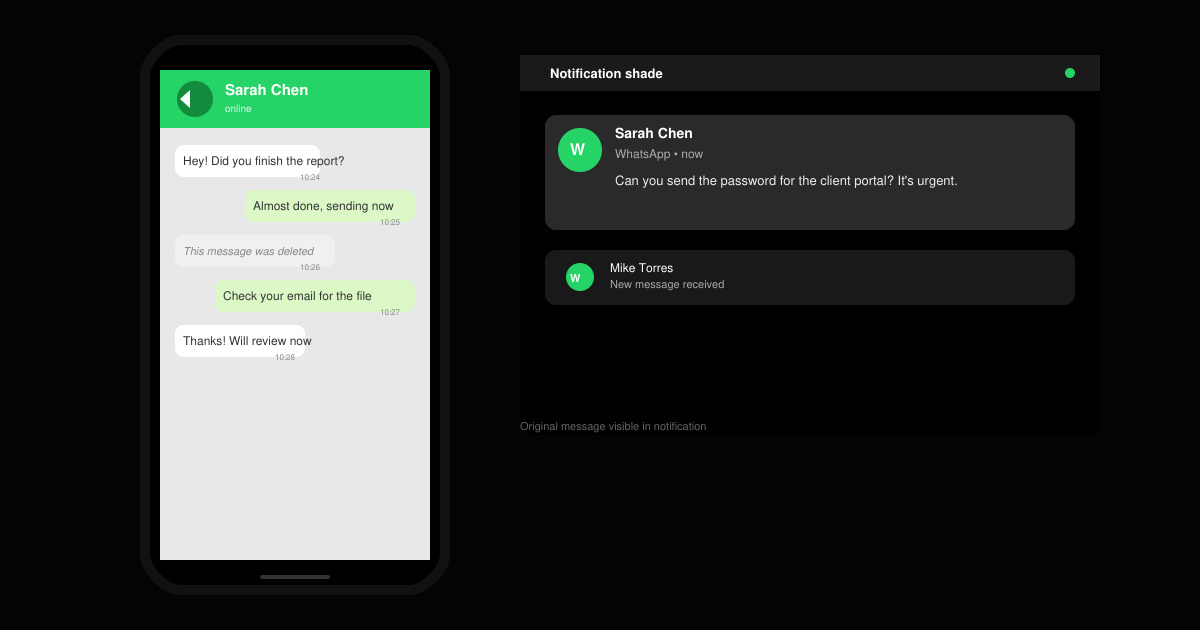
How to See Deleted WhatsApp Messages using your phone's built-in tools. Follow these exact steps to recover messages that contacts have deleted from chats.
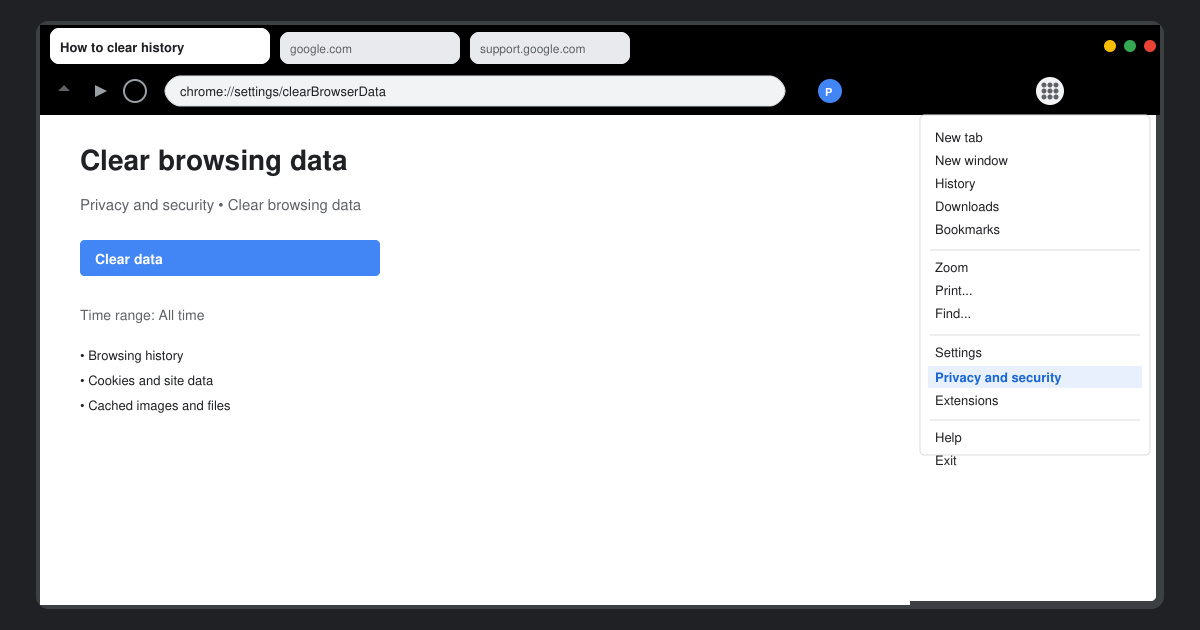
Learn how to clear browser history in Chrome on desktop and Android with this exact step-by-step process. Keep your browsing private and free up storage space quickly.
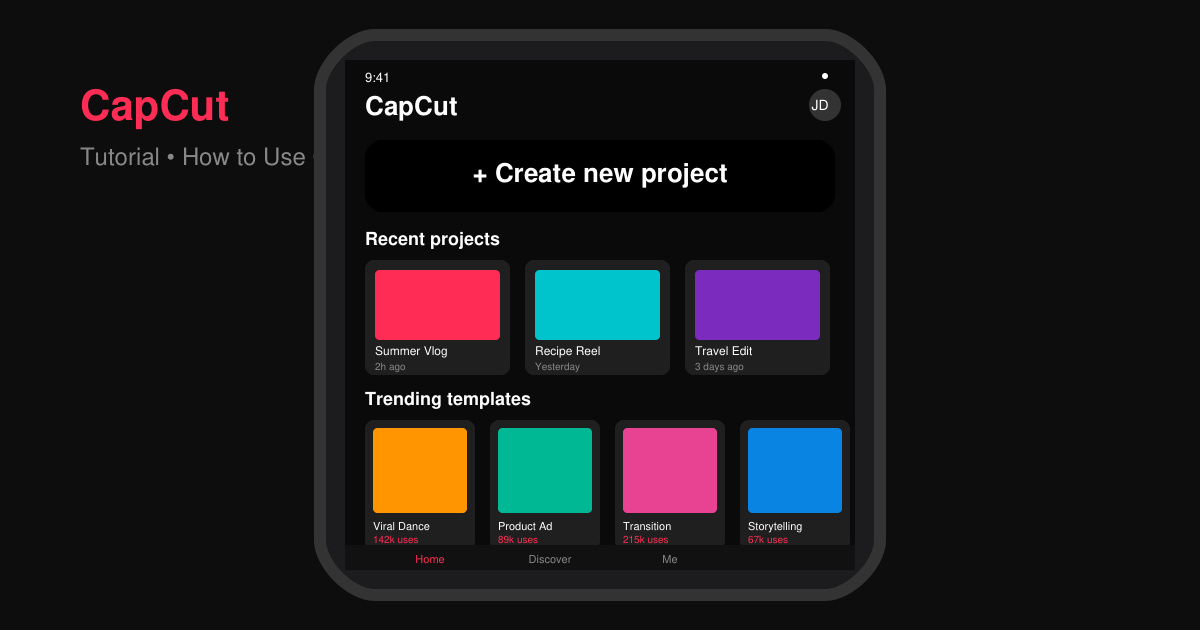
Master how to use CapCut with this practical walkthrough covering project setup, editing tools, effects, and export options for high-quality video results.
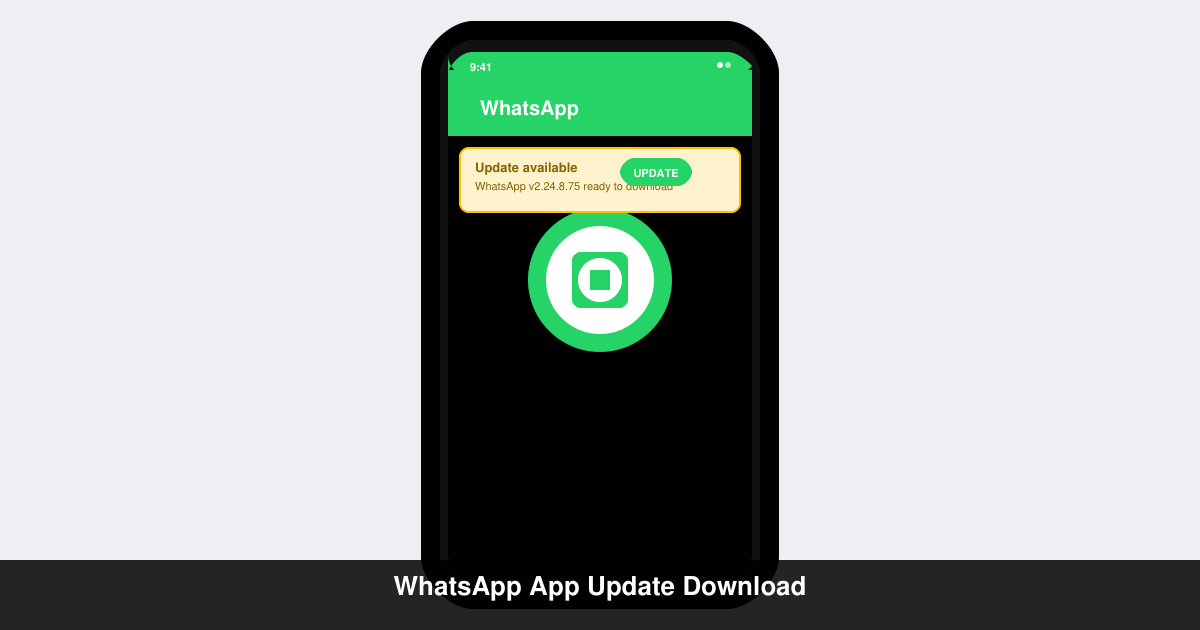
Get the latest WhatsApp App Update Download from official sources to access new features and security improvements. Follow these clear steps for Android and iOS devices.
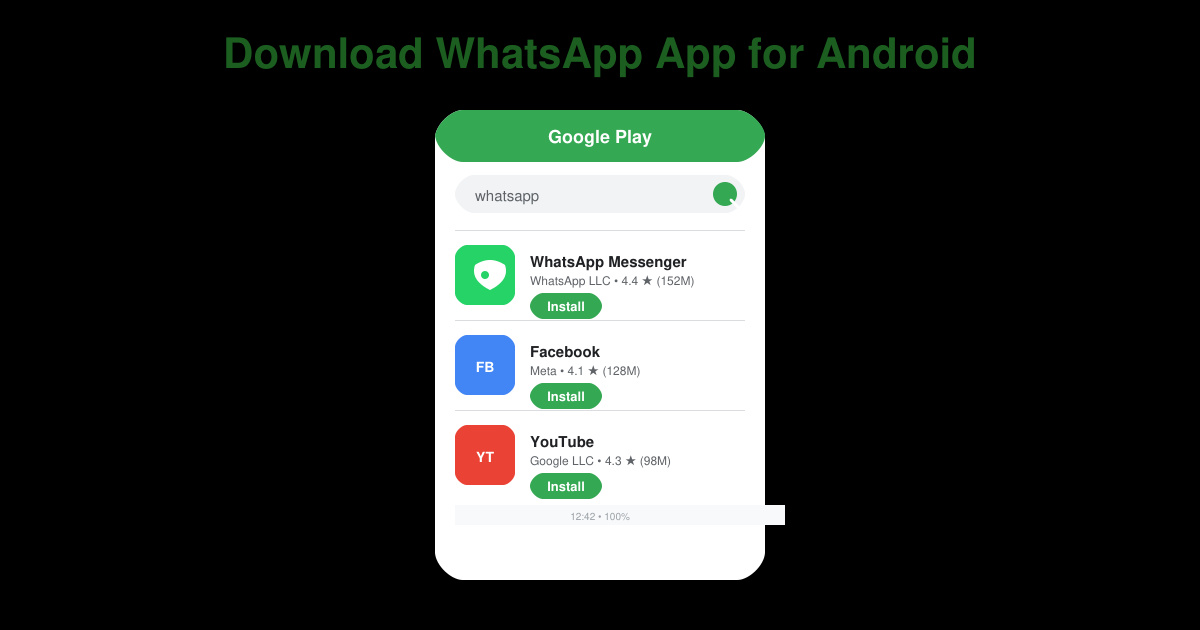
Learn how to safely Download WhatsApp App for Android from the official Google Play Store. Follow our clear step-by-step instructions to install the latest version quickly and securely.
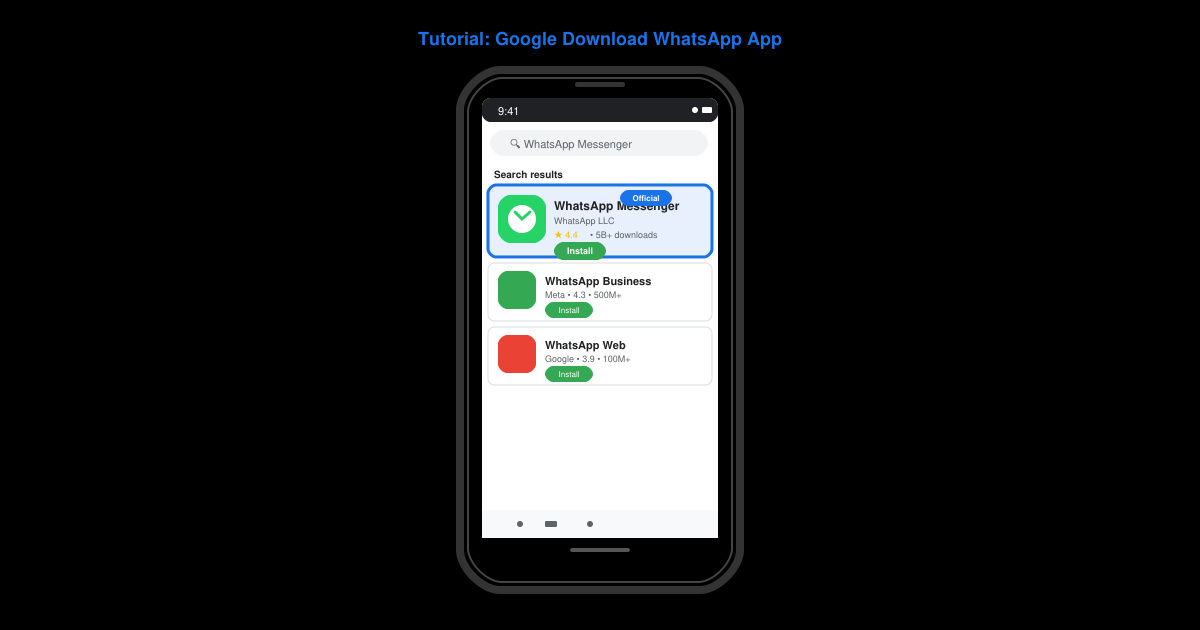
Google Download WhatsApp App safely through the Google Play Store with this clear guide. Get the official version on your Android device quickly and avoid fake downloads.
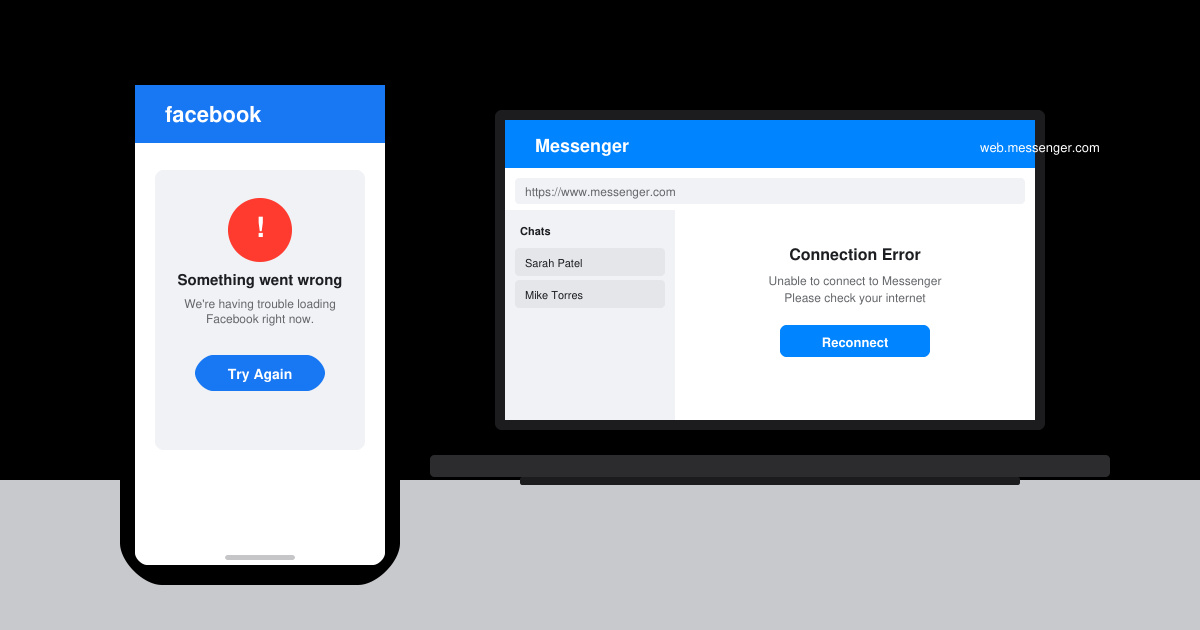
Facebook and Messenger not working can disrupt your day. Follow these targeted fixes to restore access quickly on mobile and desktop.