9 Android Phone Lock Screen Security Settings
Android phones may seem completely secure when locked, but that's not entirely true. Unless you tweak the right settings, the lock screen can allow access to messages, controls, and even payment options without unlocking your device.
- 3 ways to uninstall apps for Android devices
- 10 Dos and Don'ts for Android Devices
- 9 most common misconceptions about smartphones today
9. Use a strong PIN
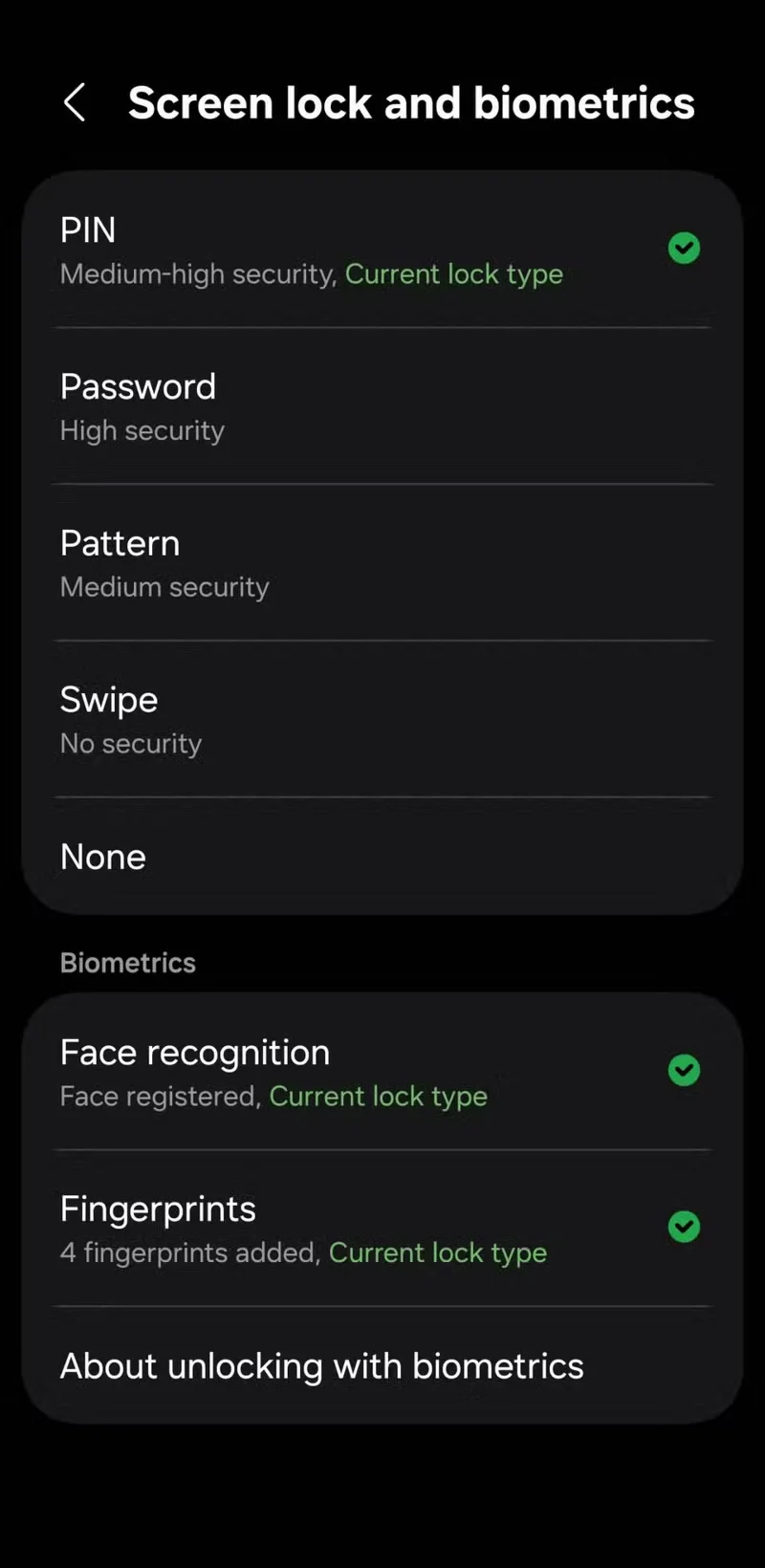
Setting up fingerprint or facial unlock is a great way to secure your Android phone. But the real key that keeps your data away from strangers is your PIN. And if you're using something like "0000," "1212," or "2580," that protection is fragile.
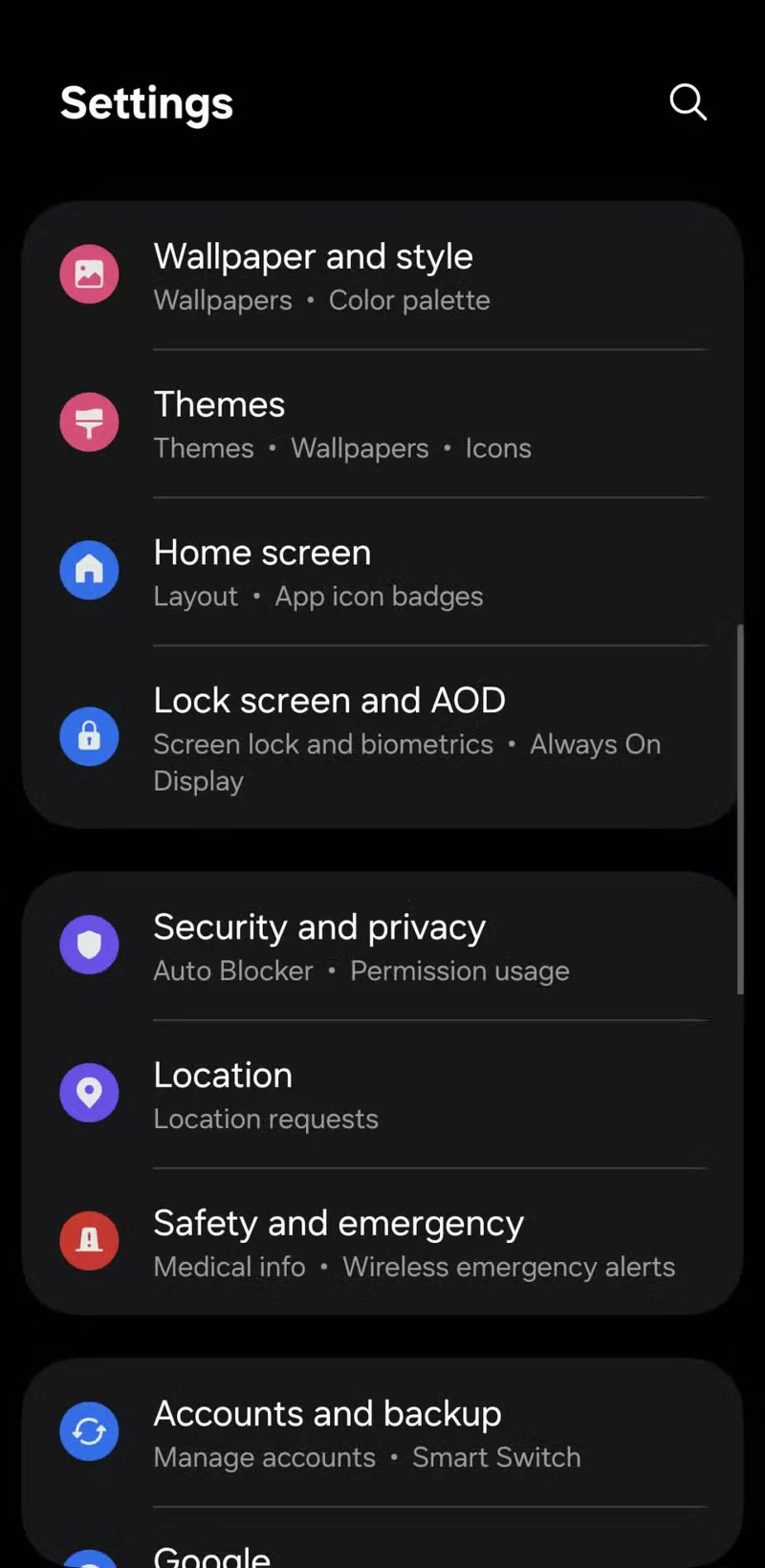
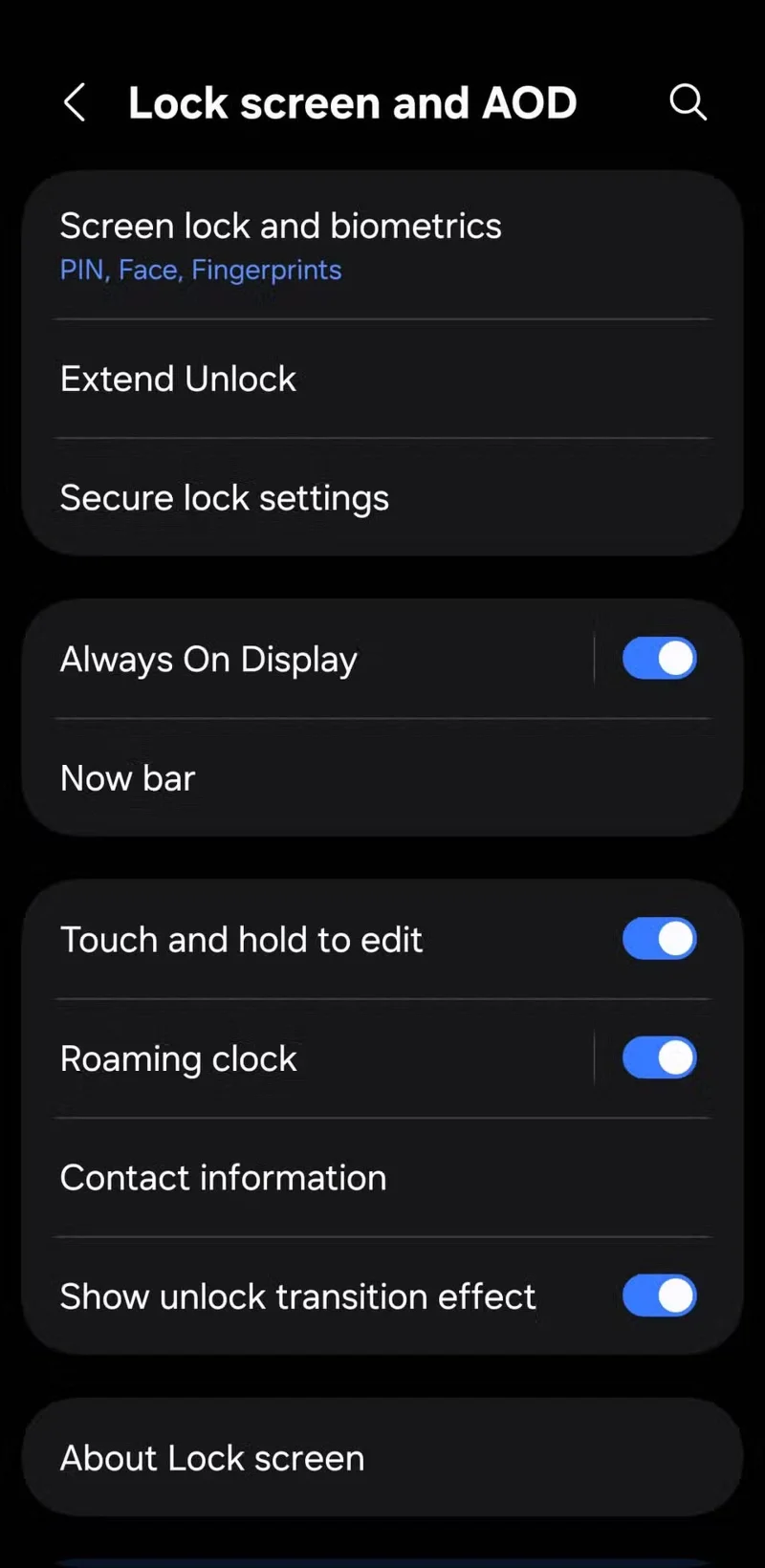
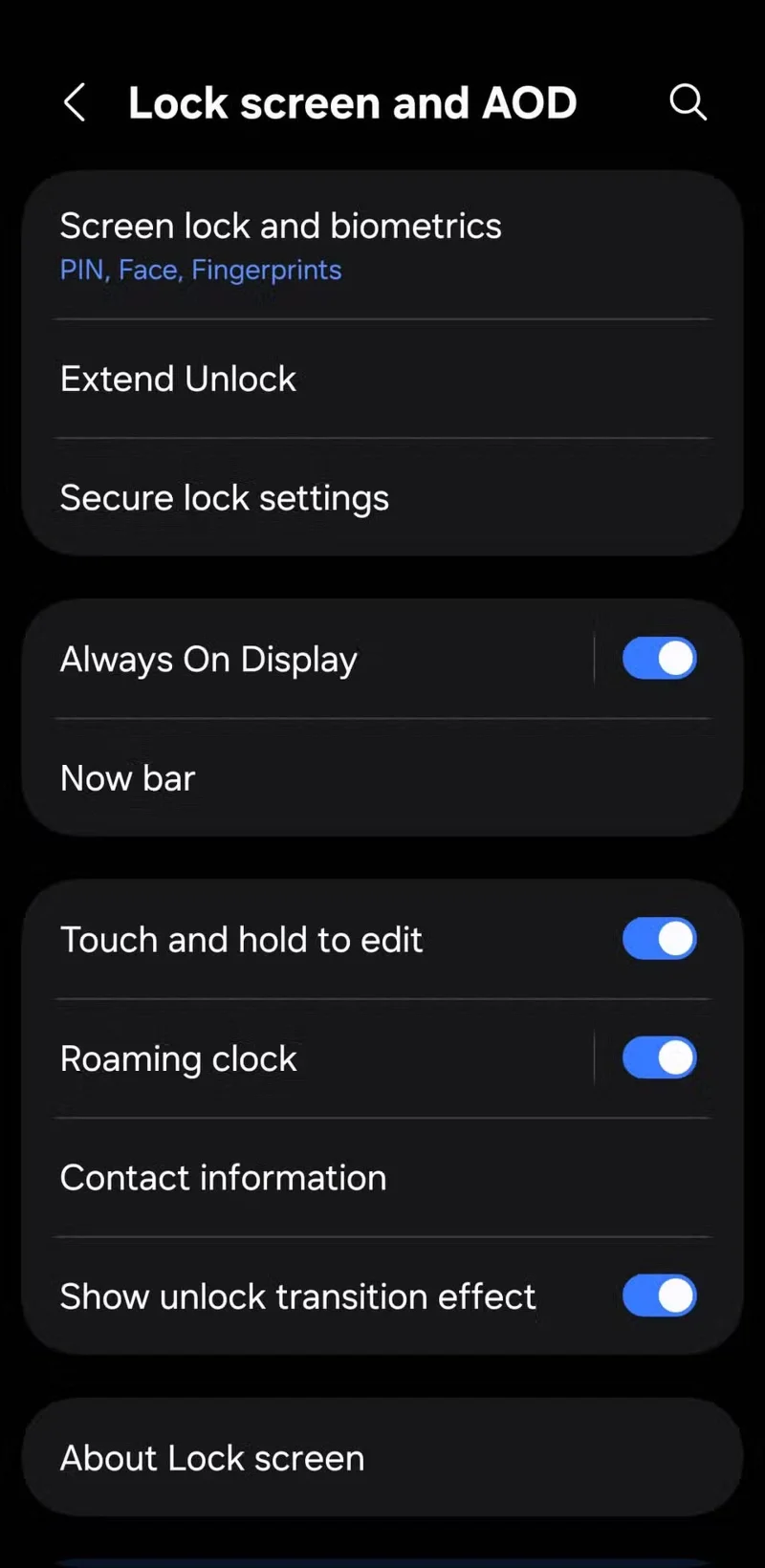
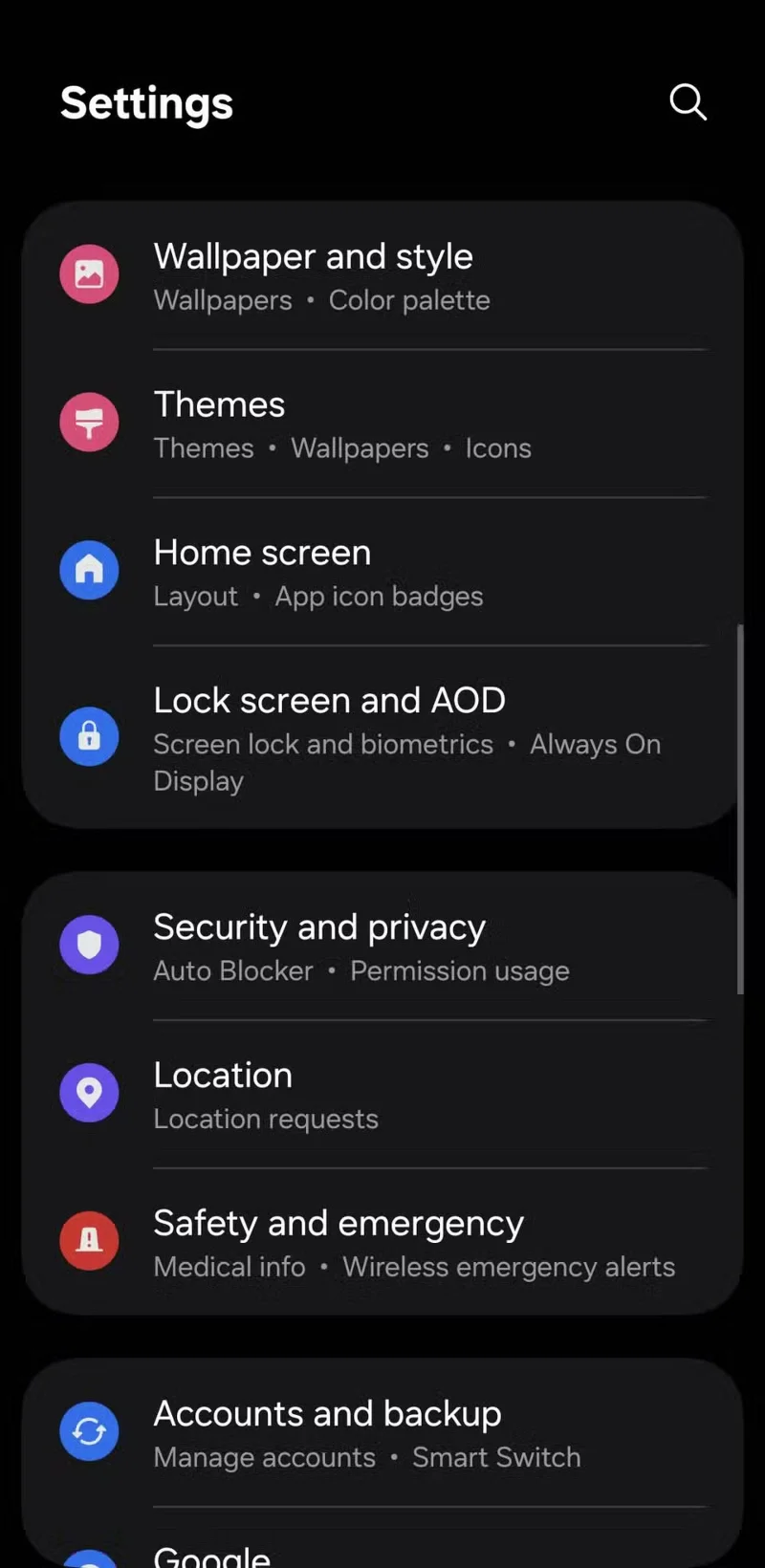
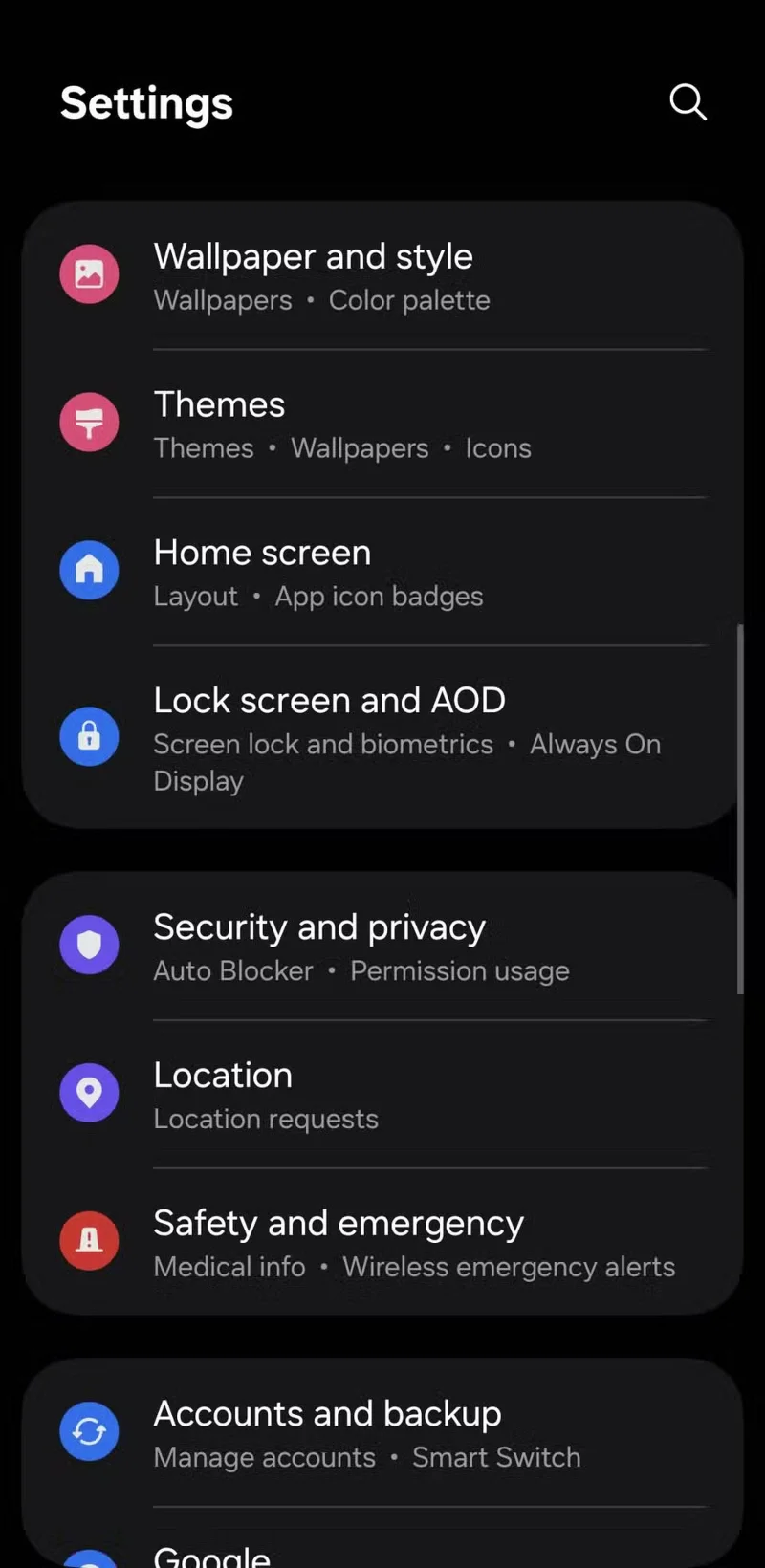
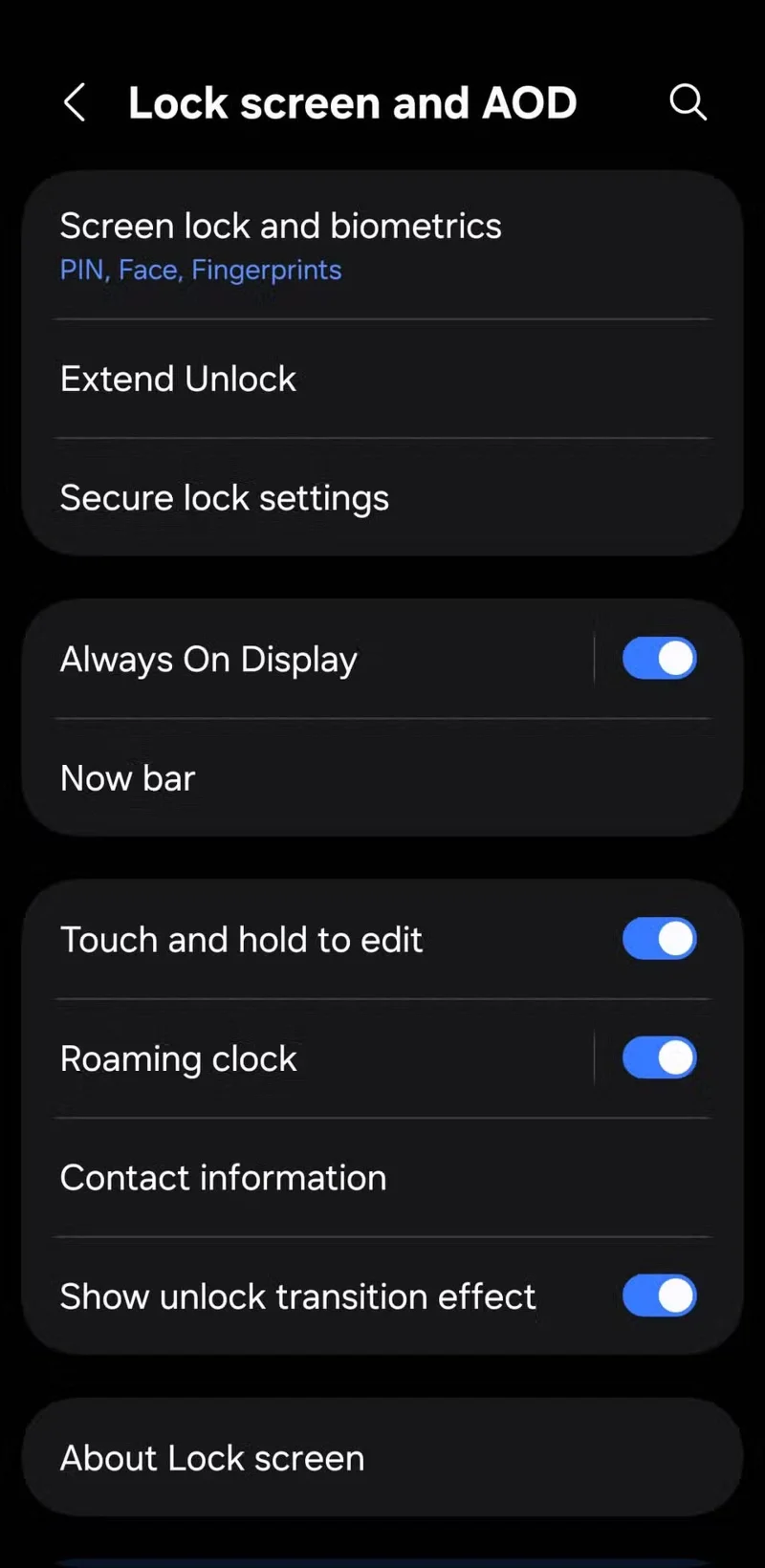
An easy fix is to use a 6-digit PIN – or better yet, a full alphanumeric password. This won’t be a problem since you’ll be using your fingerprint or face to unlock your phone most of the time. To set it up, go to Settings > Lock screen and AOD > Screen lock and biometrics and select the option you want.
8. Set auto-lock time to 30 seconds
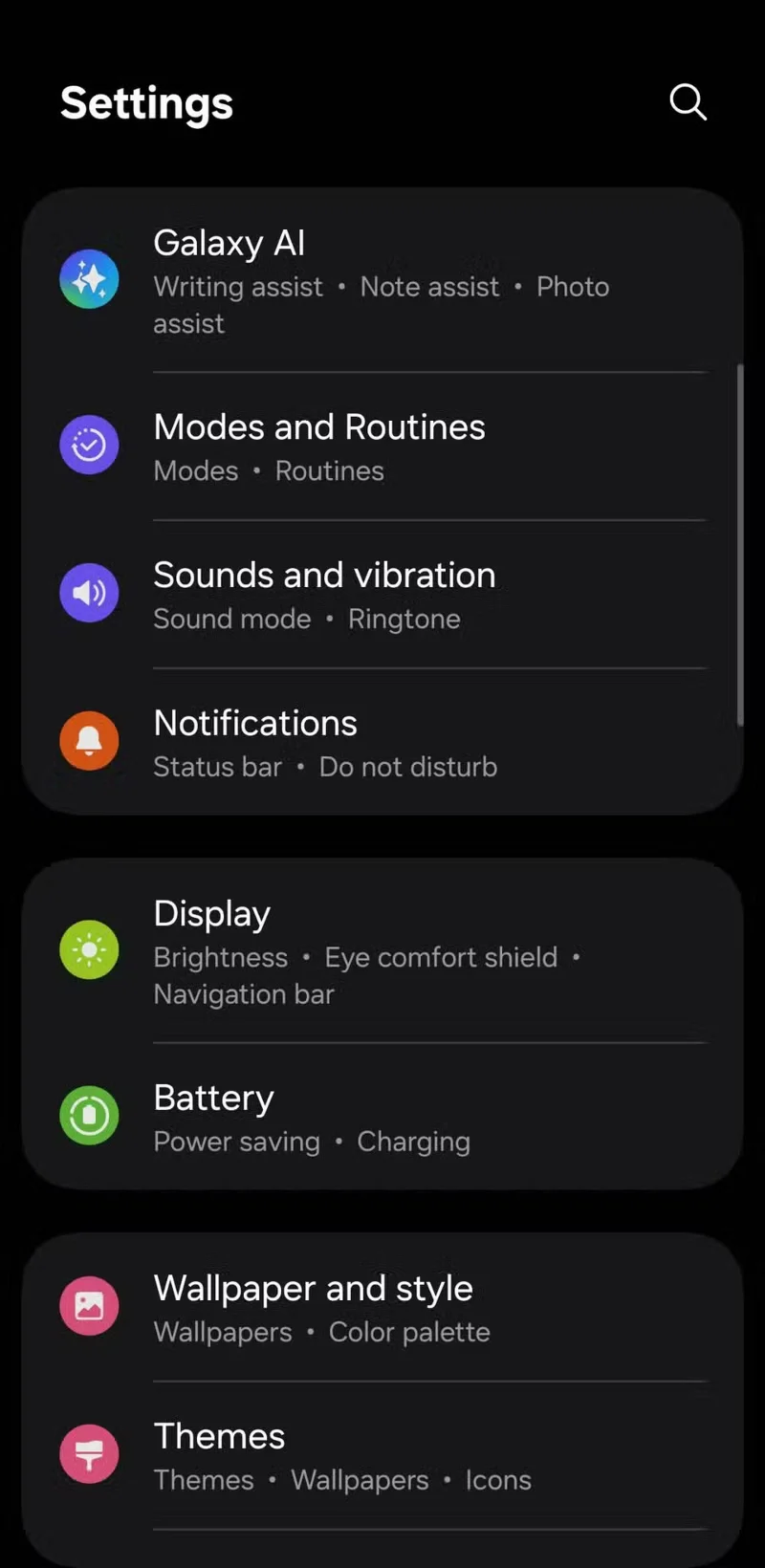
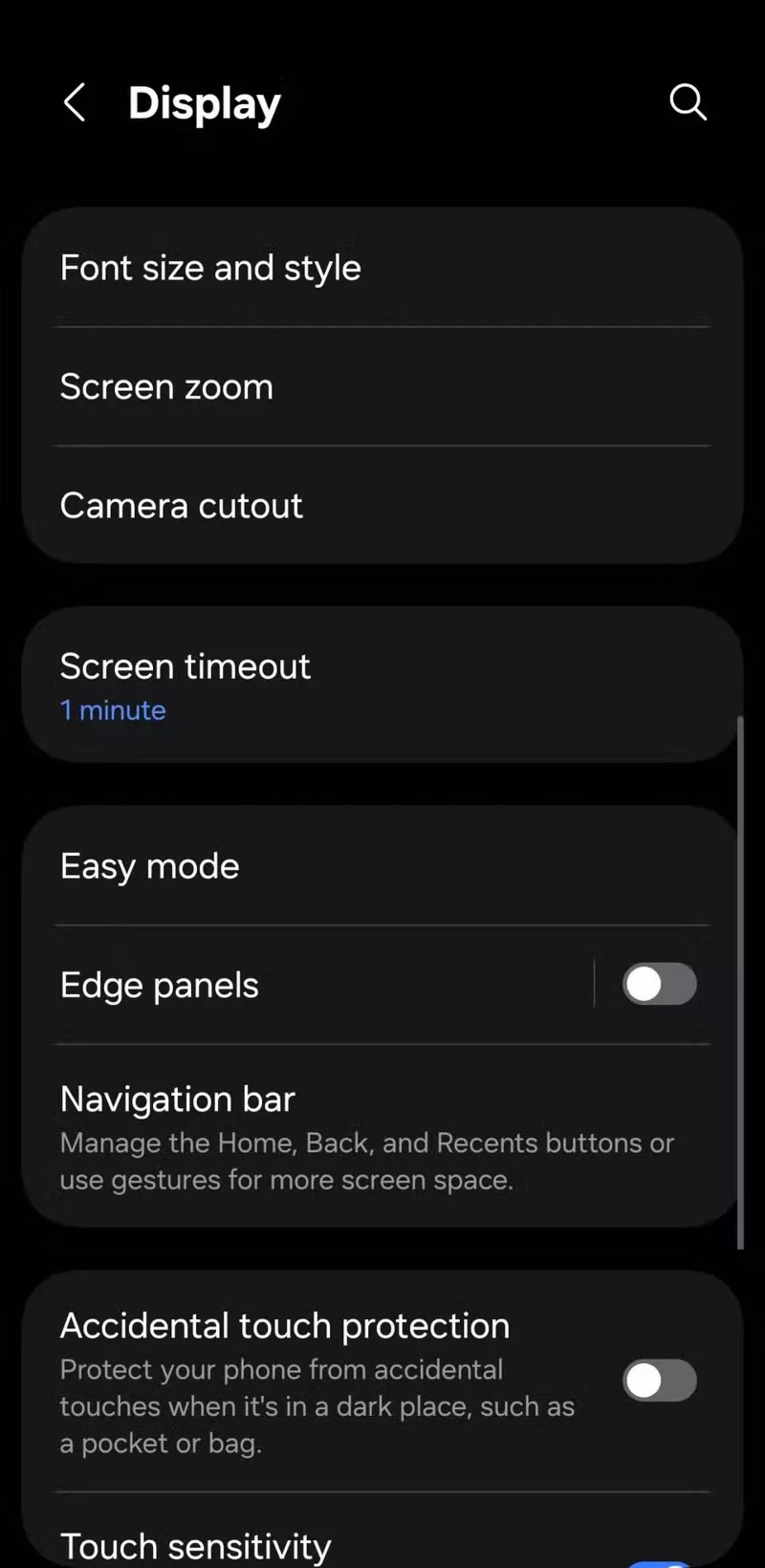
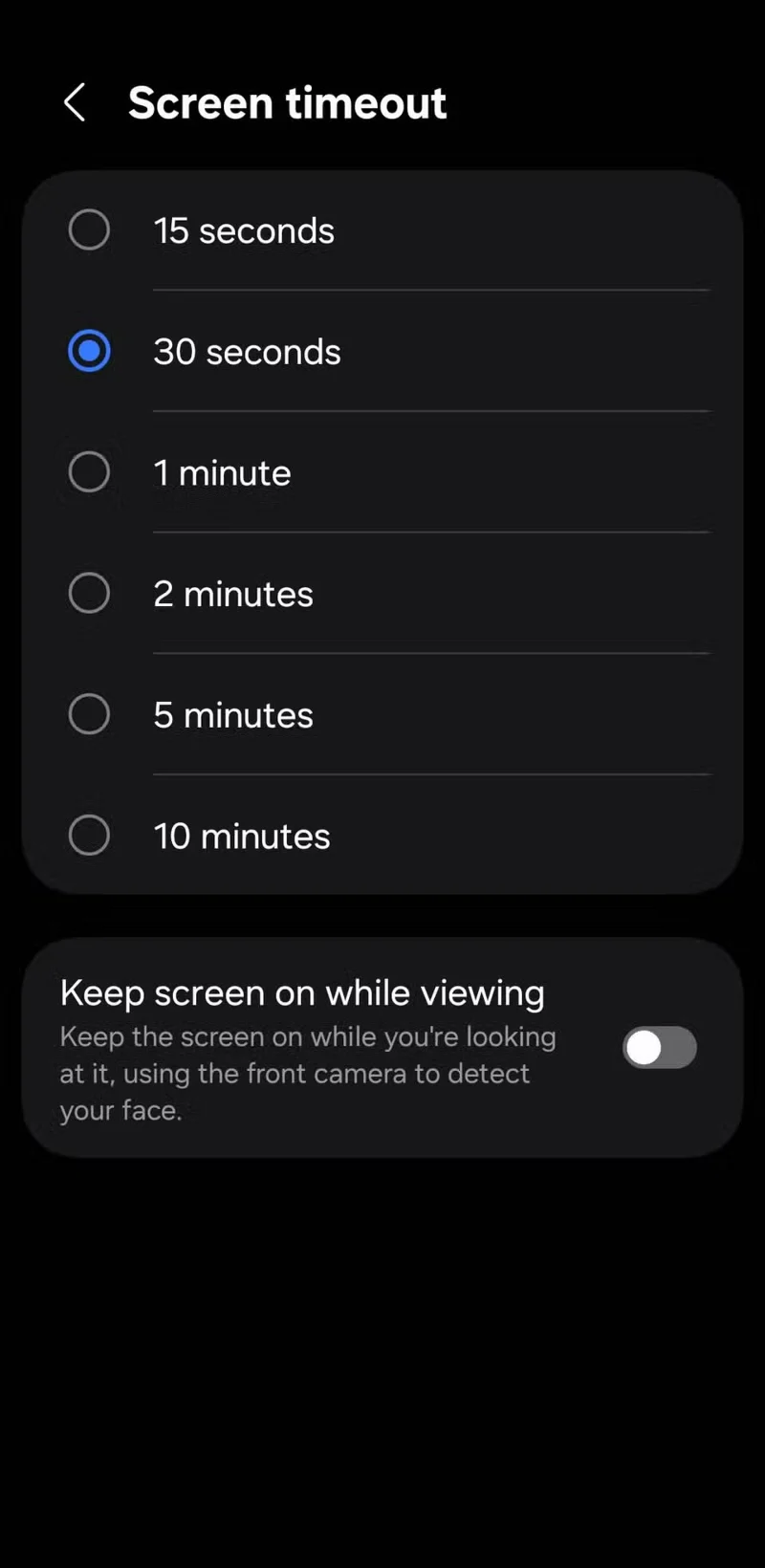
To prevent your phone from being hacked, you can set it to automatically lock after 30 seconds of inactivity by going to Settings > Display > Screen timeout . If you find this time too short, some Android phones have a handy feature called Keep screen on while viewing or something similar, which uses the front-facing camera to detect whether you're looking at the screen or not. That way, your phone will stay on when you need it, but no longer.
7. Avoid using Smart Lock or Extend Lock
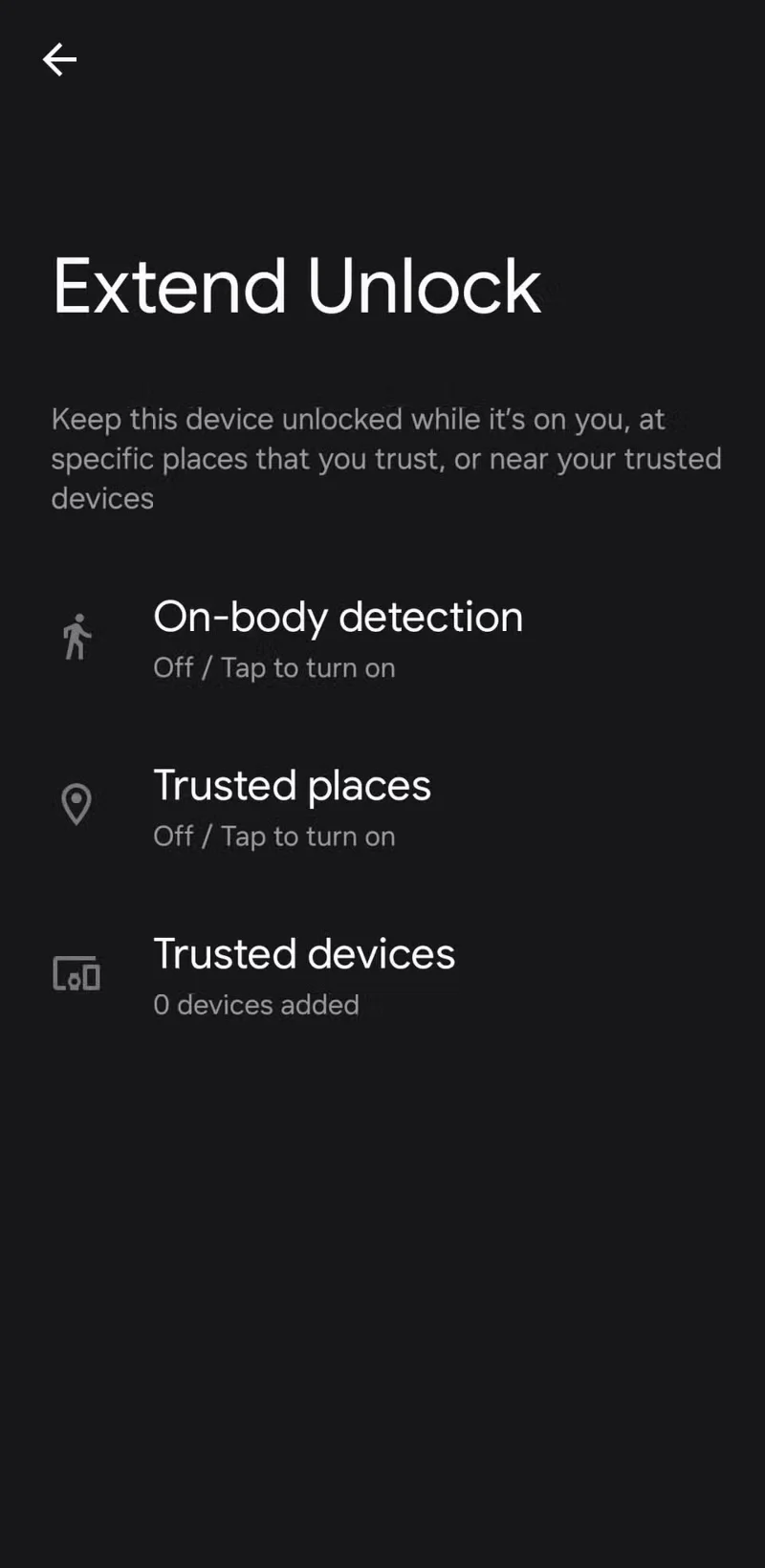
Smart Lock (or Extend Lock) is a feature that keeps your phone unlocked when you pick it up, it's near a trusted location like home or work, or it's connected to a trusted Bluetooth device like a smartwatch or car. This way, you can just swipe up on the lock screen to unlock your phone.
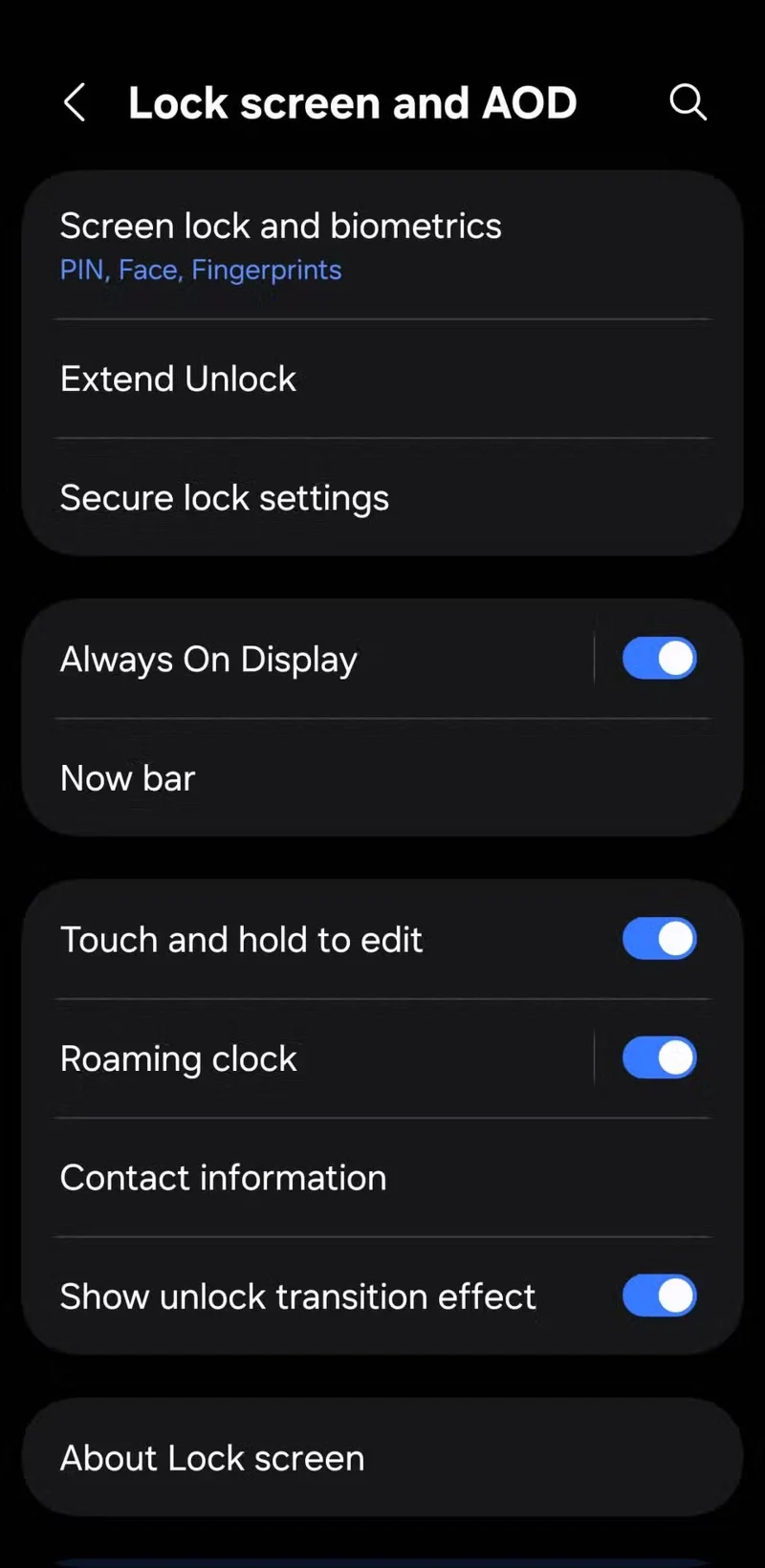
That's a big risk, which is why it's best to turn off Smart Lock or Extend Lock completely. To do that, go to Settings > Lock screen and AOD > Smart Lock (or Extend Lock) and turn off all the options: Trusted places , Trusted devices , and On-body detection .
6. Quick installation lock
Swiping down from the top of the lock screen gives you instant access to settings like Wi-Fi, Bluetooth, airplane mode, and location. This is convenient when you’re in a hurry, but it also means a thief can quickly turn on airplane mode to block tracking or turn off Wi-Fi and Bluetooth to prevent remote reset tools from working.
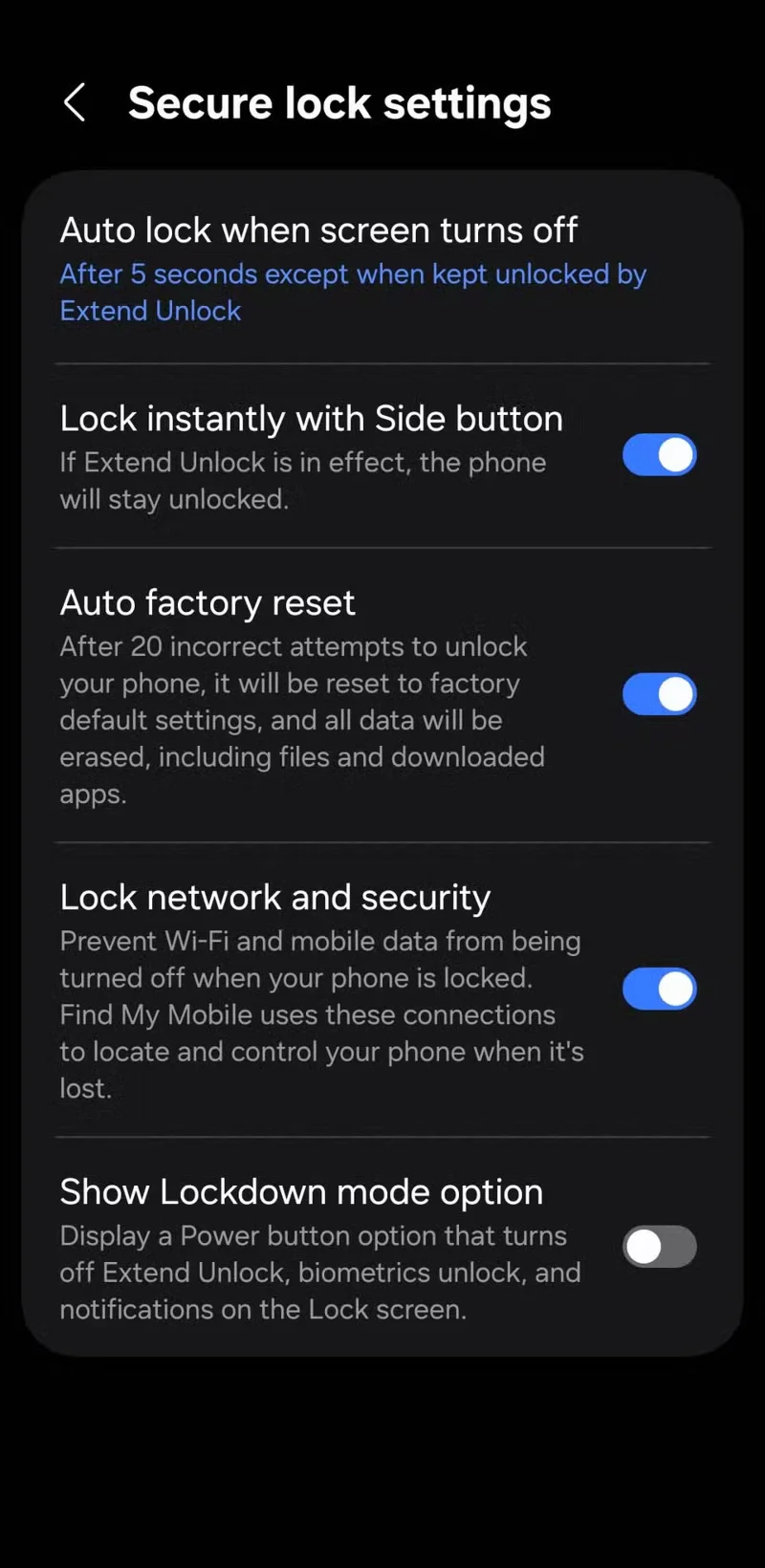
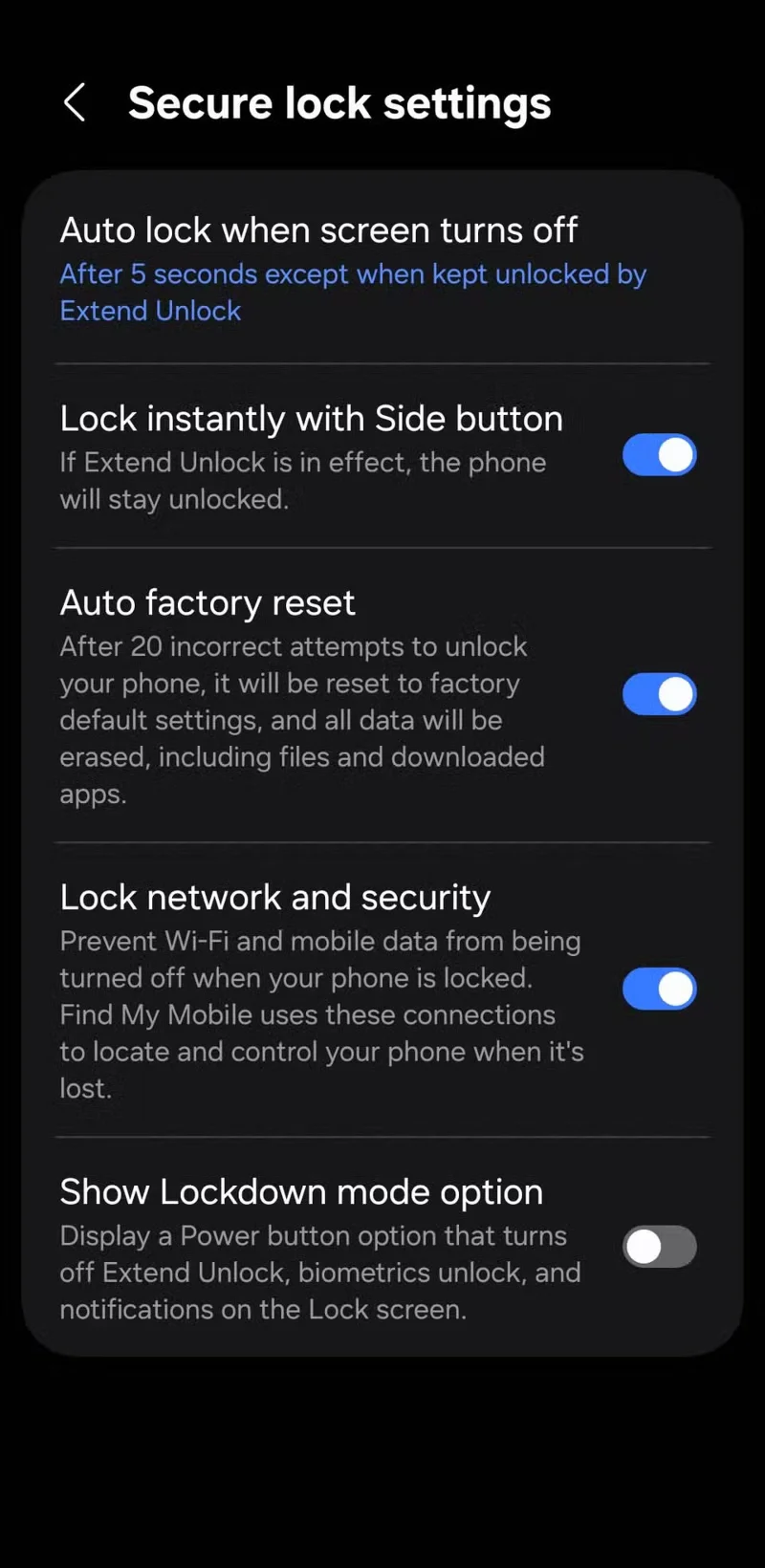
They can even disable location to prevent you from tracking a lost phone using Find My Device. To remove this vulnerability, go to Settings > Lock screen and AOD > Secure lock settings and turn on Lock network and security .
5. Hide notifications on lock screen
Being able to glance at messages, emails, or alerts without unlocking your phone is convenient, but what if someone gets their hands on your device? They can see those messages without unlocking it.
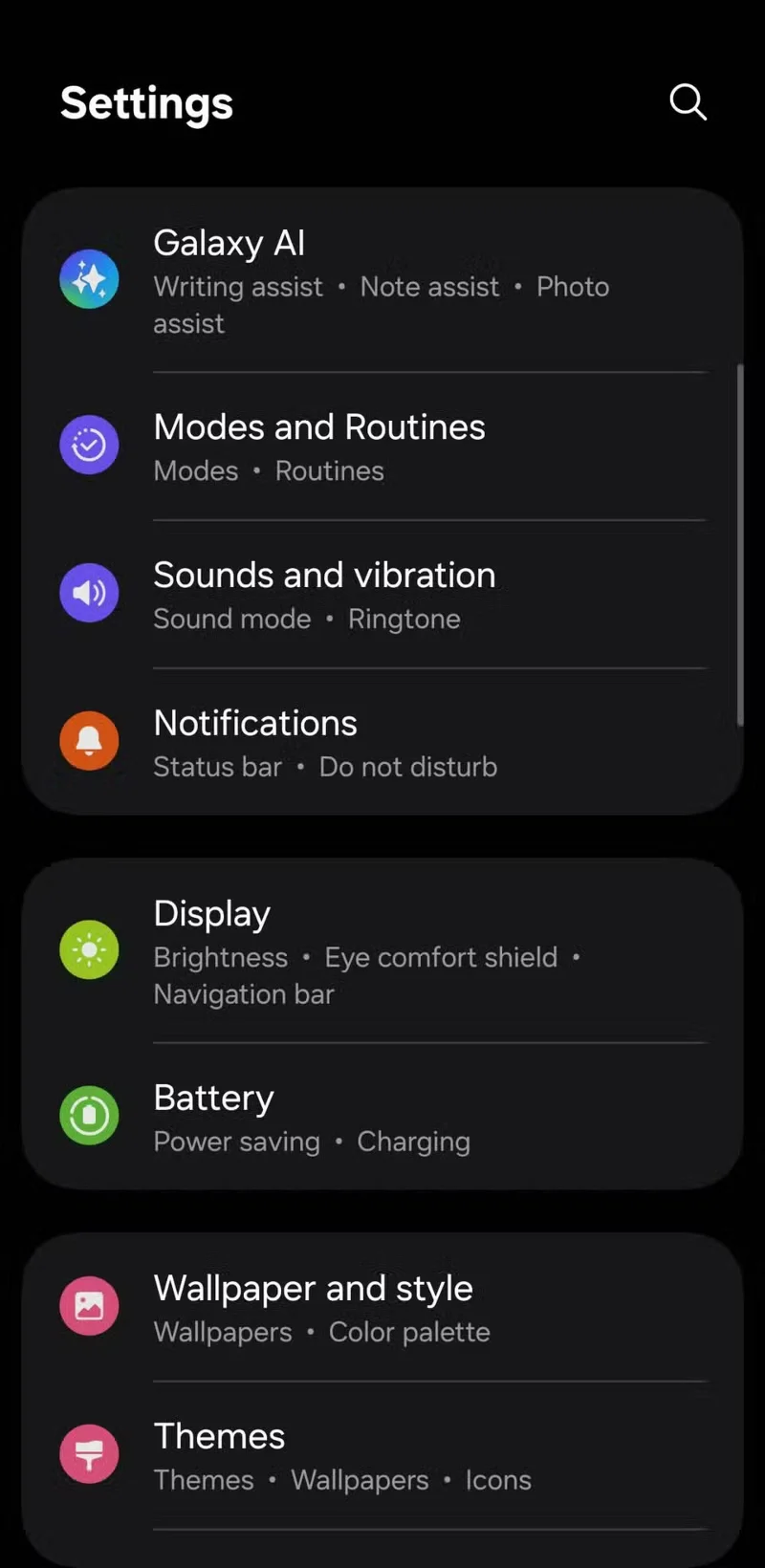
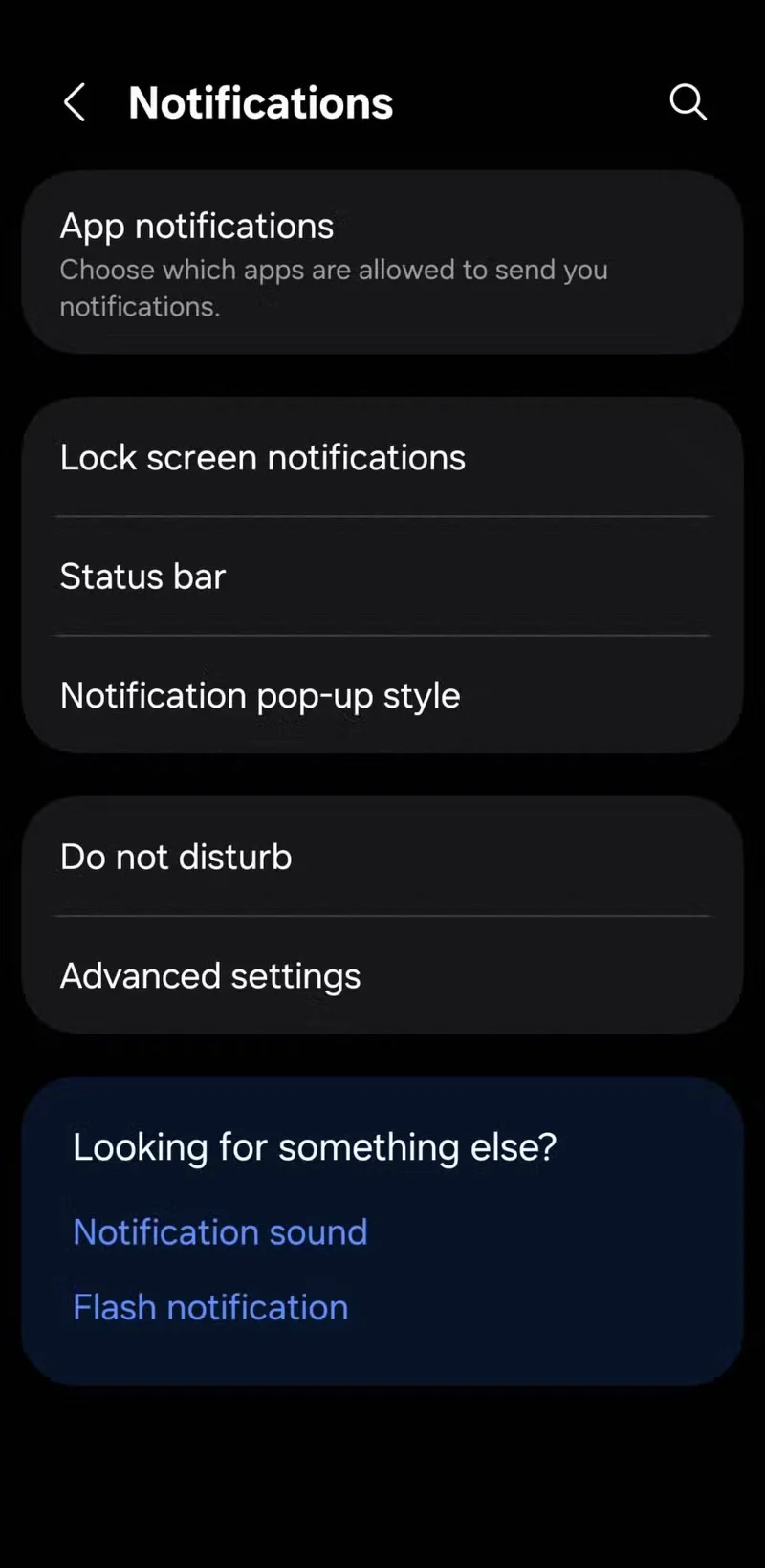
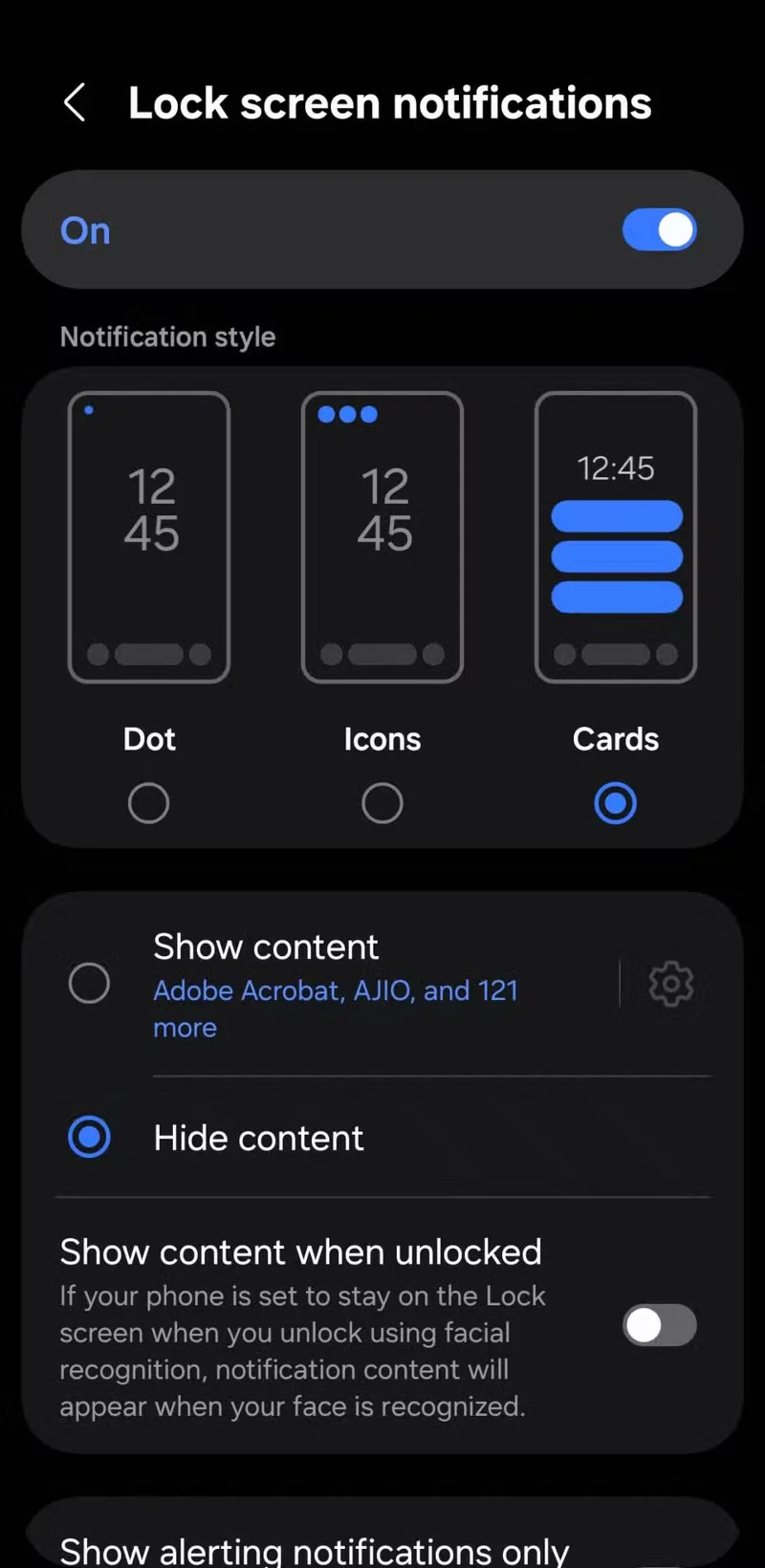
To keep lock screen notifications private, go to Settings > Lock screen > Notifications , then select Hide content . This setting will still show which app sent the notification, but it won't show the content of the notification. Likewise, if you have any lock screen widgets that immediately display sensitive information, it's best to remove them.
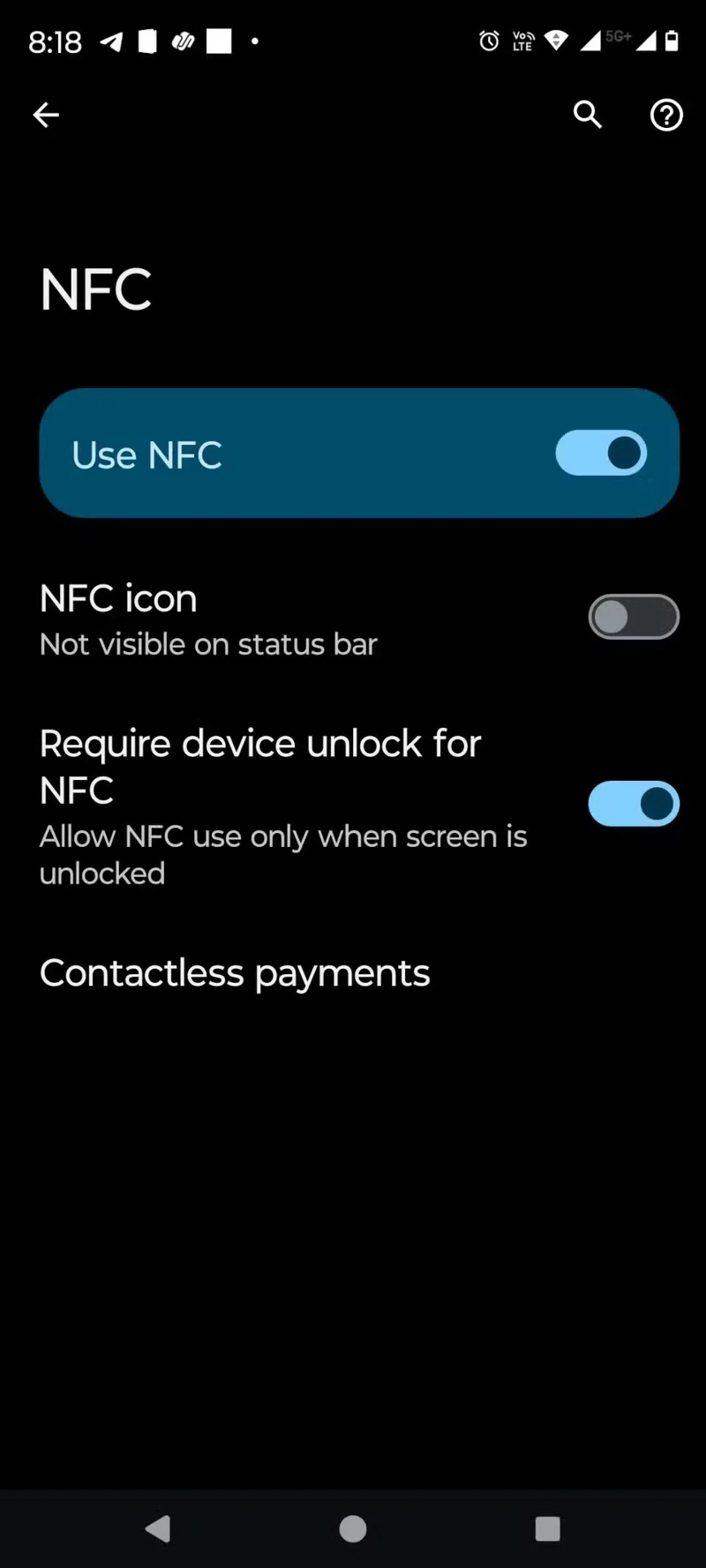
4. Require unlock before using NFC
Near Field Communication (NFC) is a technology that enables contactless payments and quick device pairing. All you have to do is tap your phone to a terminal and you're done. The problem, however, is that anyone can use your phone to do this.
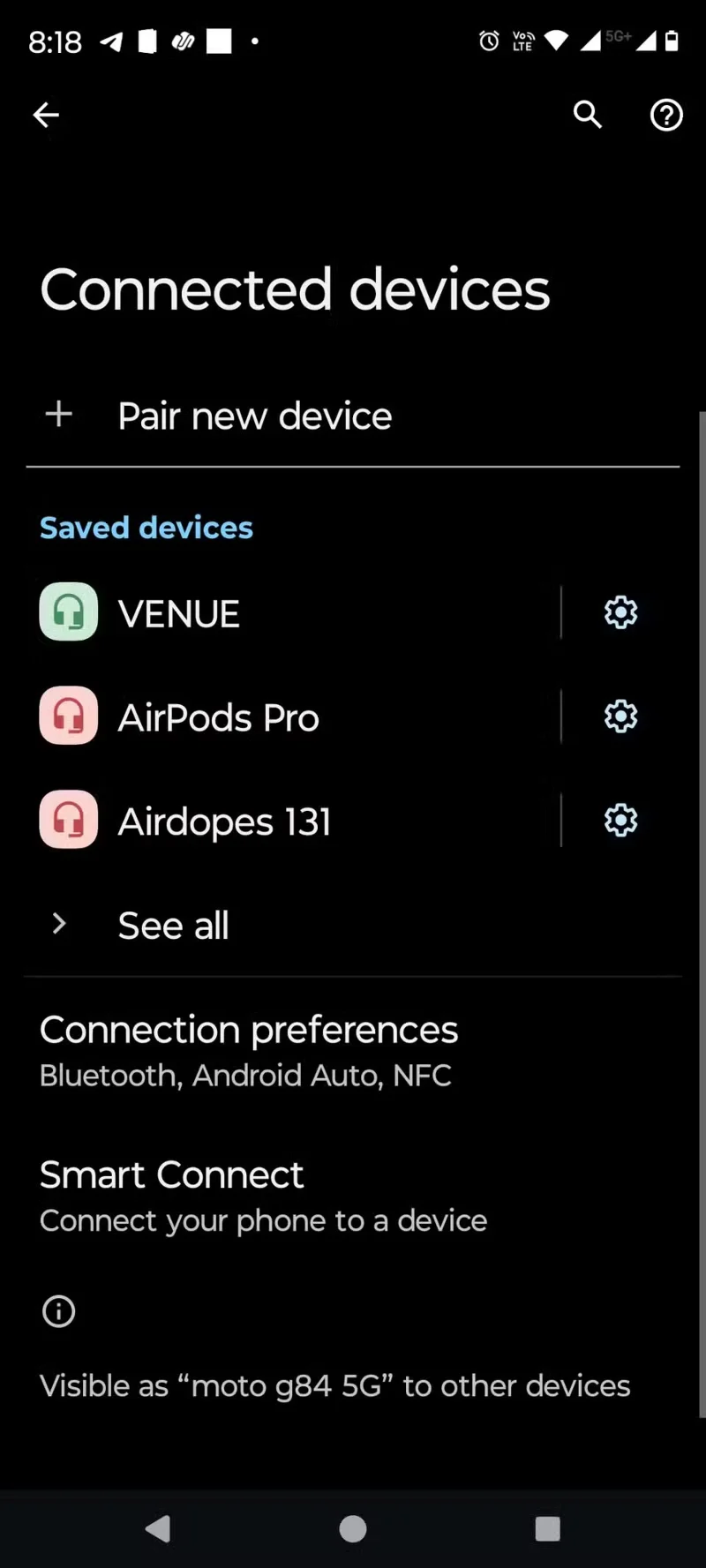
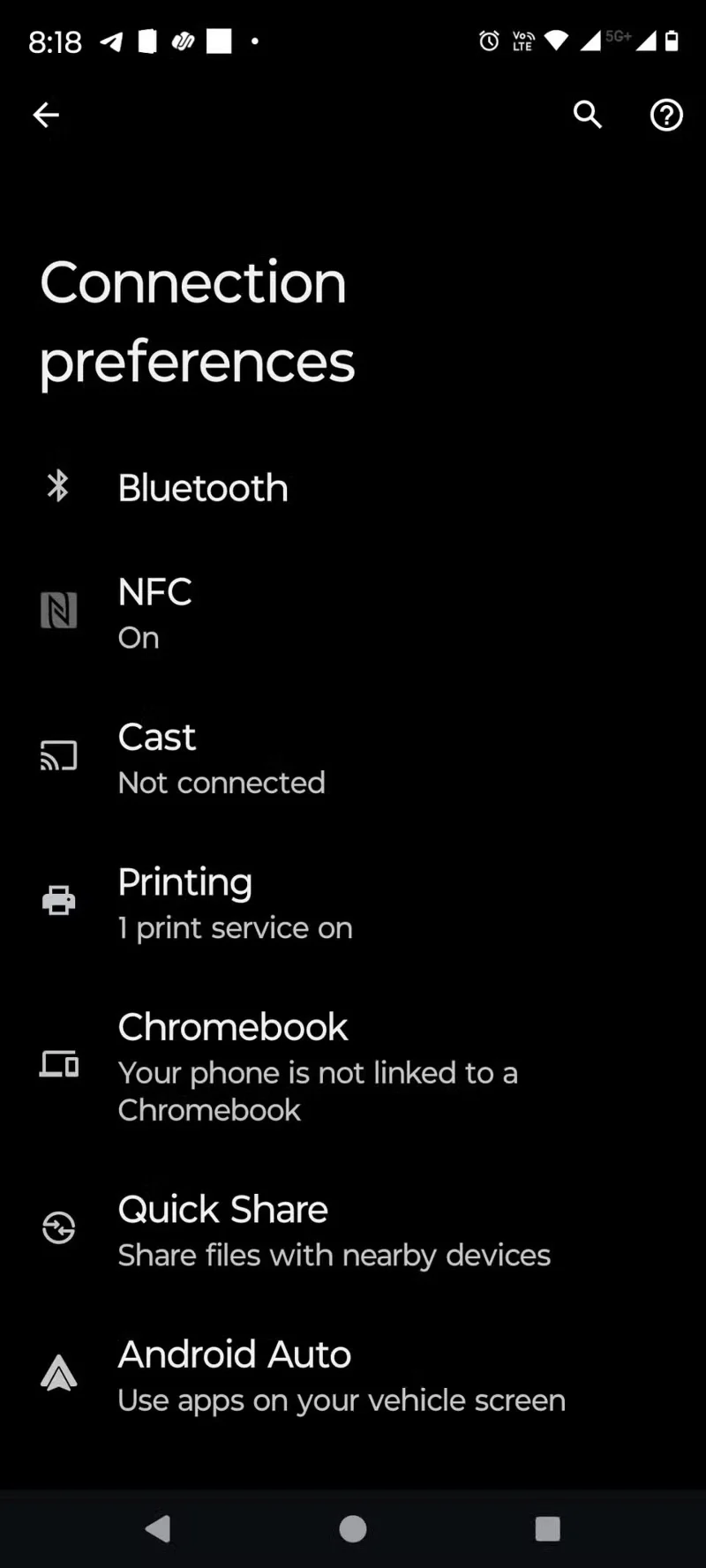
To disable this feature, turn on the device unlock requirement for NFC transactions. On your phone, go to Settings > Connected devices > Connection preferences > NFC and make sure the Require device unlock for NFC option is turned on. That way, even if someone gets their hands on your phone, they won't be able to use it as a wallet without unlocking it first.
3. Turn off Voice Assistant access on the lock screen
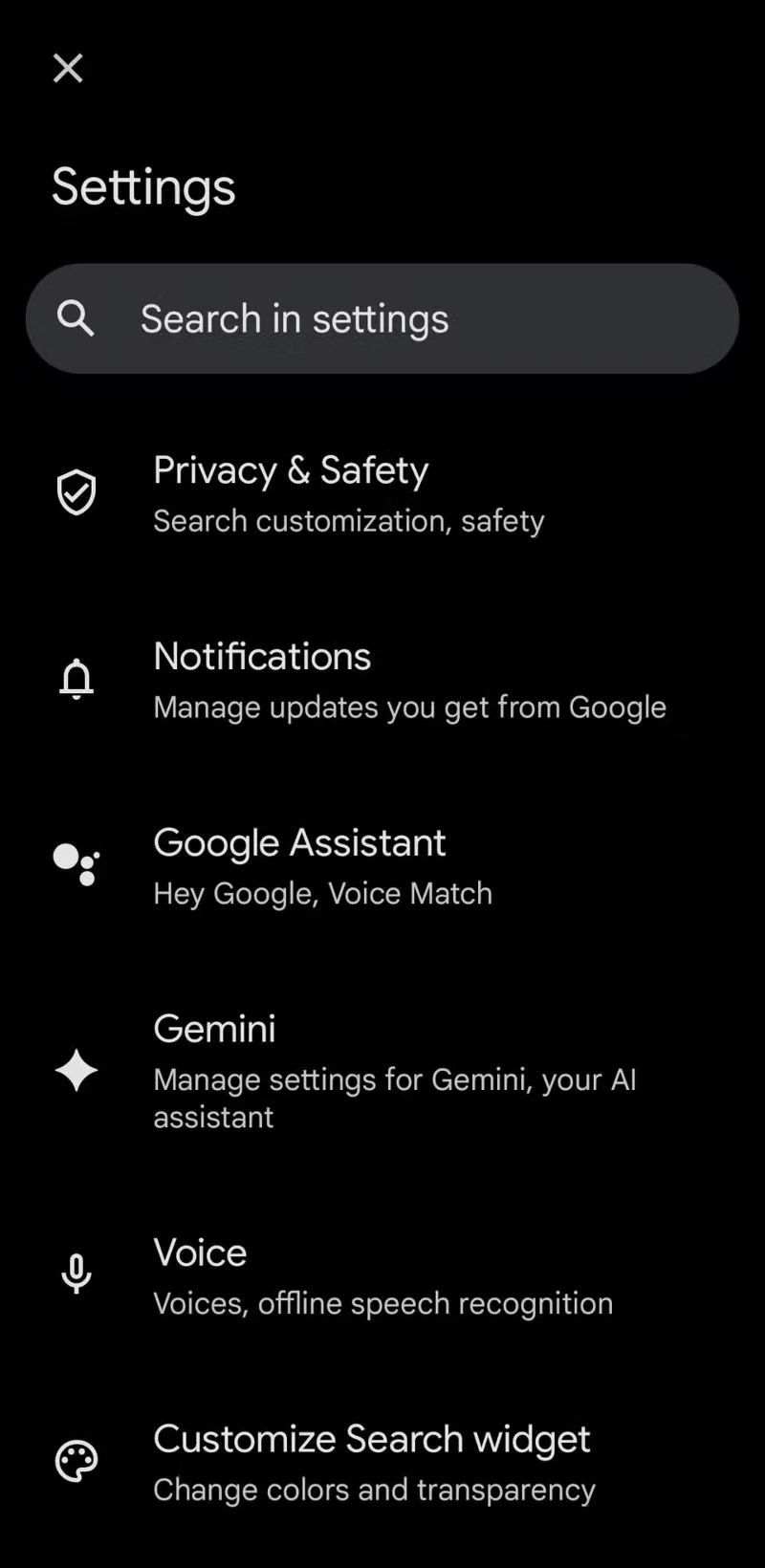
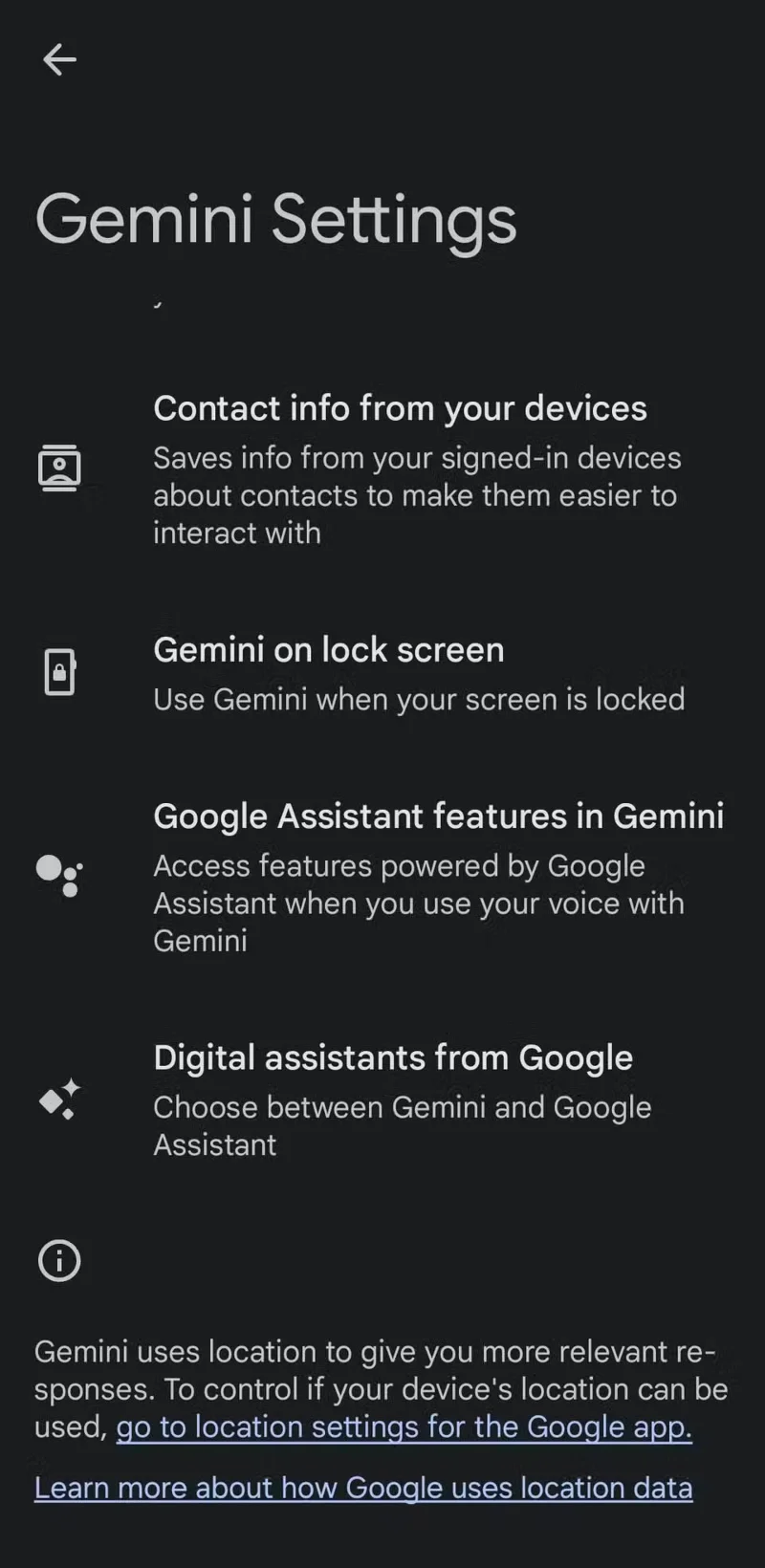
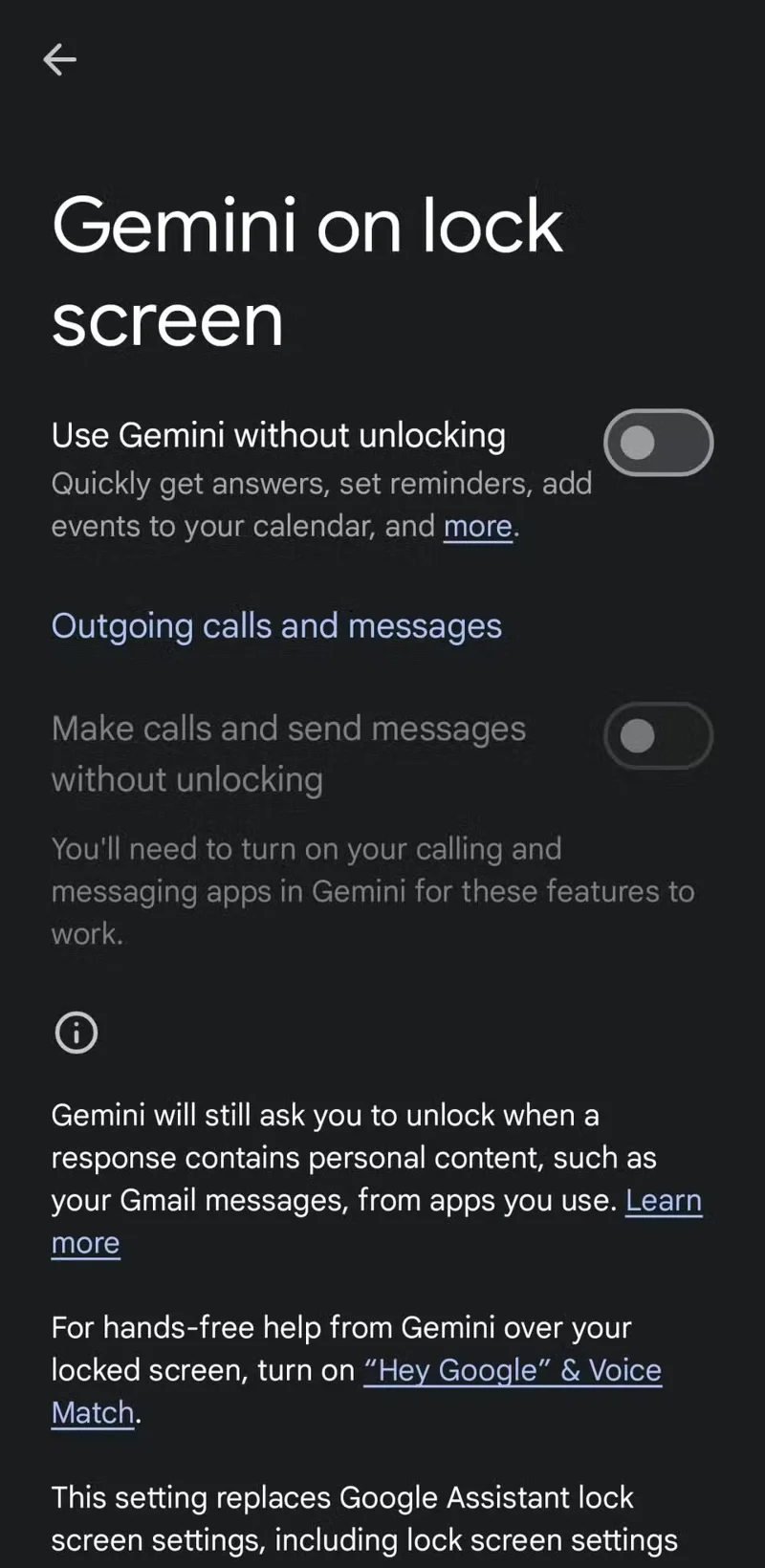
To disable this feature for Gemini, go to Google app settings > Gemini > Gemini on lock screen and turn off Use Gemini without unlocking . If you're using Bixby, go to Settings > Advanced features > Bixby and turn off Use while locked .
2. Block USB connection when locked
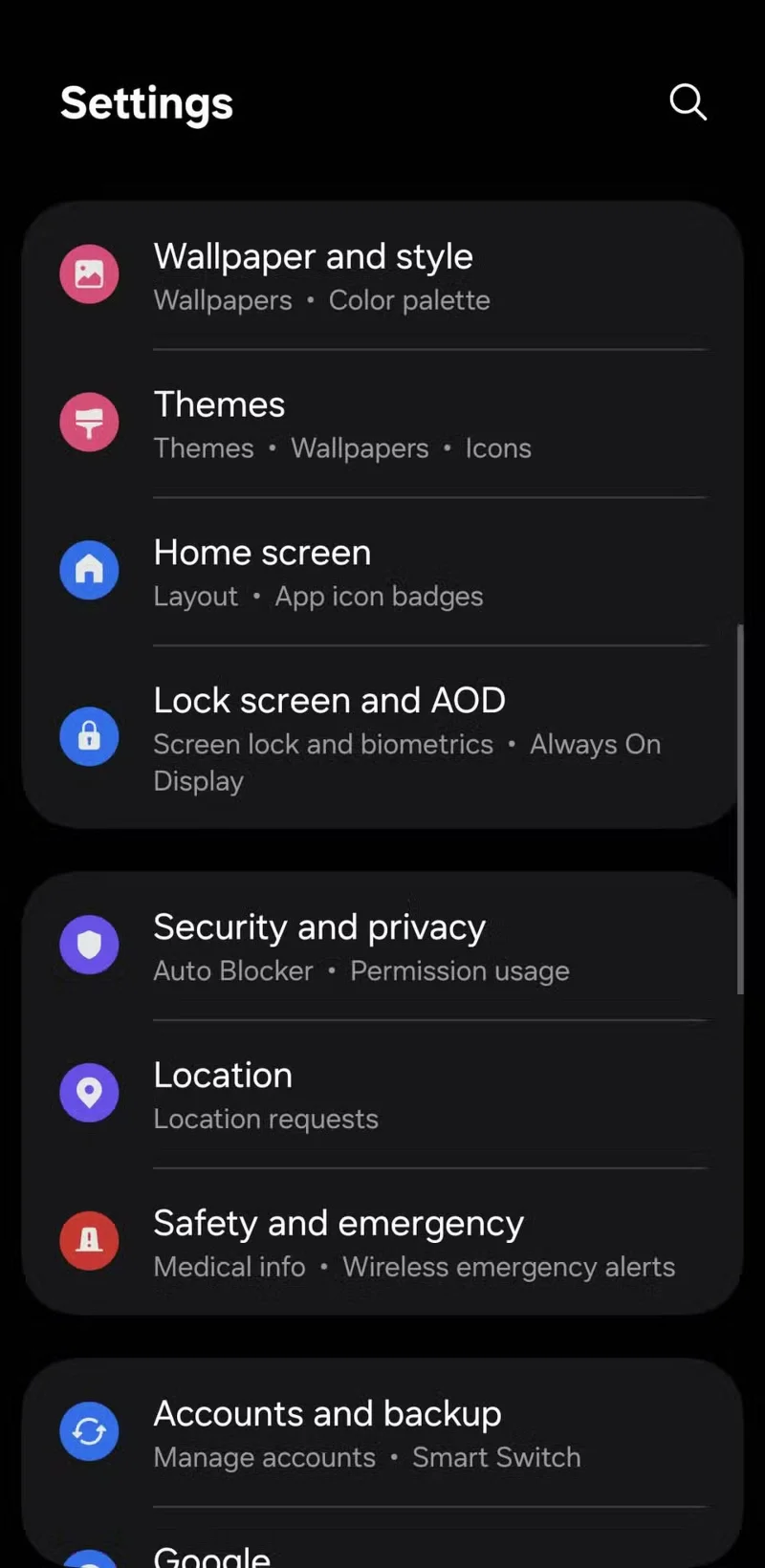
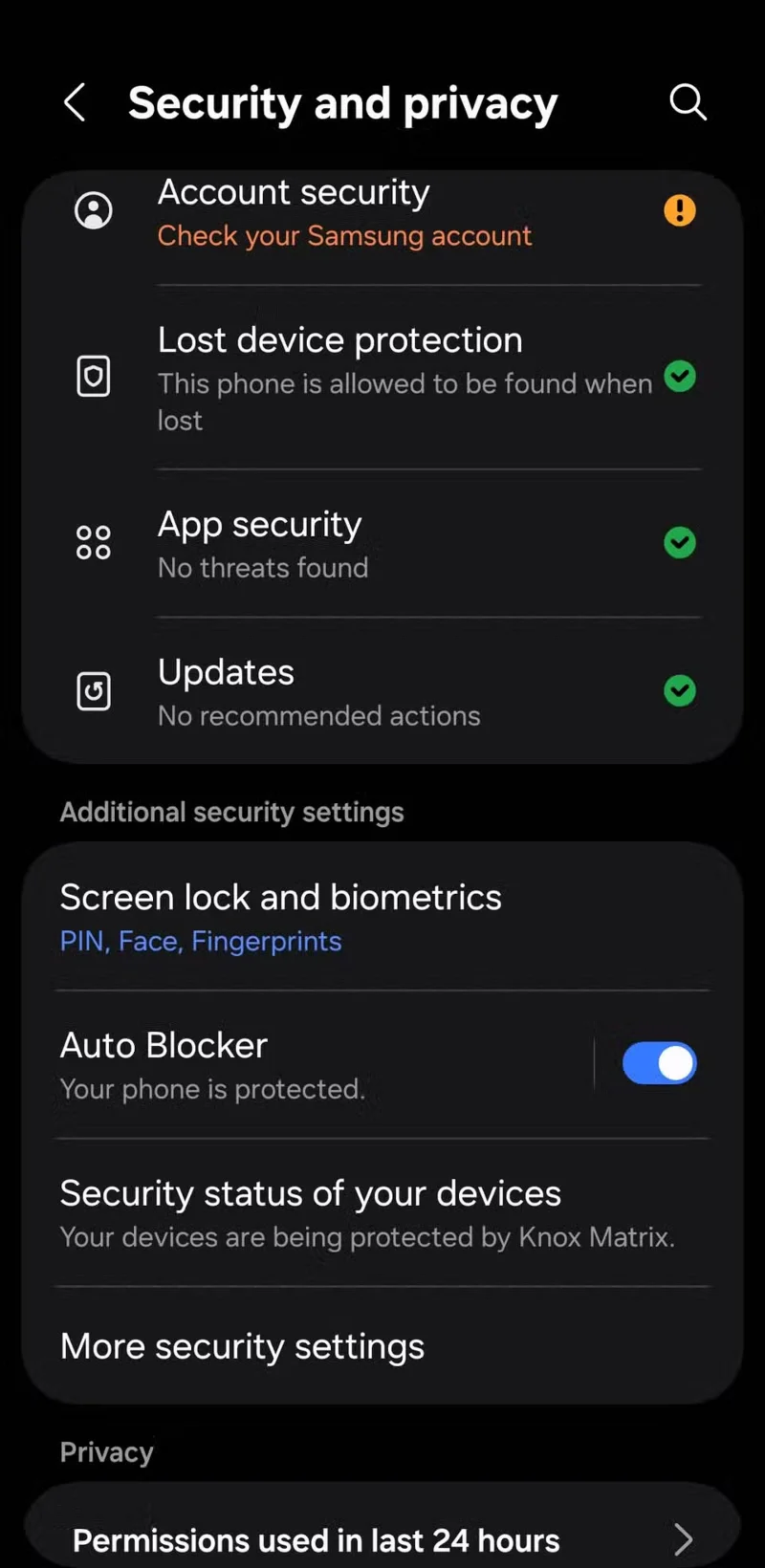
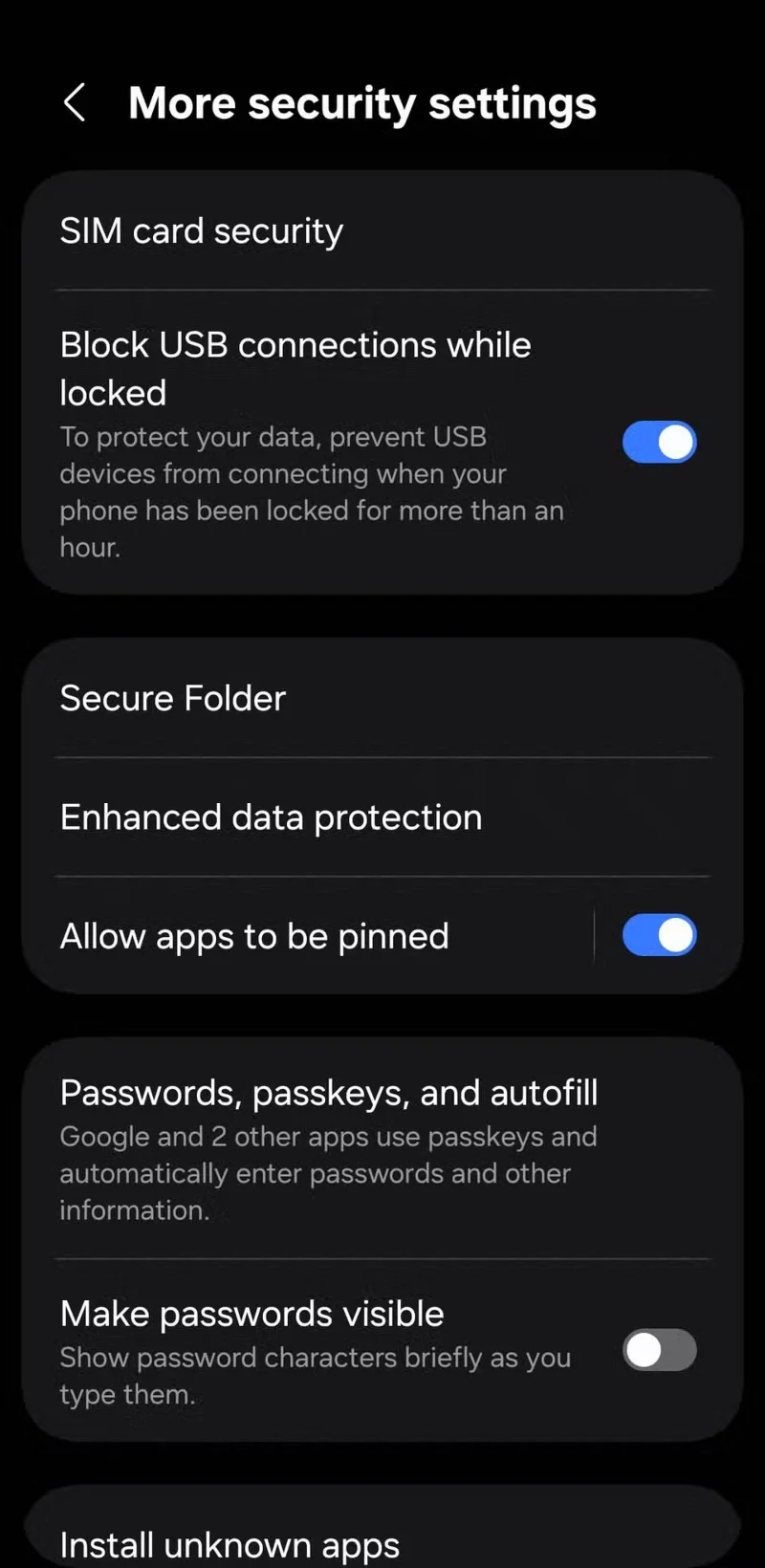
To make sure your phone is protected from attacks, you can disable USB data transfer while your phone is locked. This ensures that the USB connection is only used for charging and nothing else. To enable this feature, go to Settings > Security and privacy > More security settings and turn on the Block USB connections while locked option .
1. Turn on Auto Factory Reset
If someone tries to break into your phone, they’ll likely be guessing your PIN repeatedly. While most Android phones will delay access after a few failed attempts, a determined attacker given enough time could eventually crack it. Unless your phone is set to self-protect. That’s where the Auto Factory Reset feature comes in.
To enable this feature, go to Settings > Lock screen and AOD > Secure lock settings and turn on Auto Factory Reset . Make sure you back up your phone regularly so that if your phone wipes itself out of this feature, all your data won't be lost.