Last verified: November 14, 2026, 11:00 p.m. EST (UTC−05:00).
The FAA’s nationwide ground stop has ended, but Air Canada says delays and cancellations may continue while its schedule recovers. The U.S. Department of Transportation says telecommunications problems affected air traffic control communications and radar systems, prompting the safety-related stoppage. For Canadian passengers, the practical next steps are to confirm the status of each flight in the itinerary, keep the cancellation notice, and ask the airline for rebooking or refund options. The cause of the disruption can affect compensation eligibility; a cancellation does not automatically mean cash compensation is owed.
Destaques
- The ground stop is over, but disrupted aircraft and schedules may still affect flights.
- Check Air Canada’s app or booking tools before travelling to the airport.
- Canadian rebooking and refund rights can apply even when a disruption is outside the airline’s control.
- Compensation for inconvenience generally depends on the airline’s control, safety requirements and your arrival delay.
Is the FAA ground stop still affecting Air Canada flights?
No nationwide FAA ground stop is currently in effect. Air Canada’s notice says the stop ended on November 13, but warns that some flights may still be delayed or cancelled as operations recover. The U.S. Department of Transportation’s November 14 update says telecommunications issues affected air traffic control communications and radar. It also advises passengers to expect some delays and cancellations as flights resume. These updates confirm the cause reported by authorities; they do not establish that every Air Canada cancellation was caused by the same issue.
Disruption can persist after an order ends because aircraft and crews may be out of position, and later flights depend on earlier segments operating. That is a practical explanation of how knock-on delays can occur, not a guarantee that any particular flight will be affected. Check the airline’s live status information and airport departure board close to departure, and continue checking for changes.
What should I do if Air Canada cancels or delays my flight?
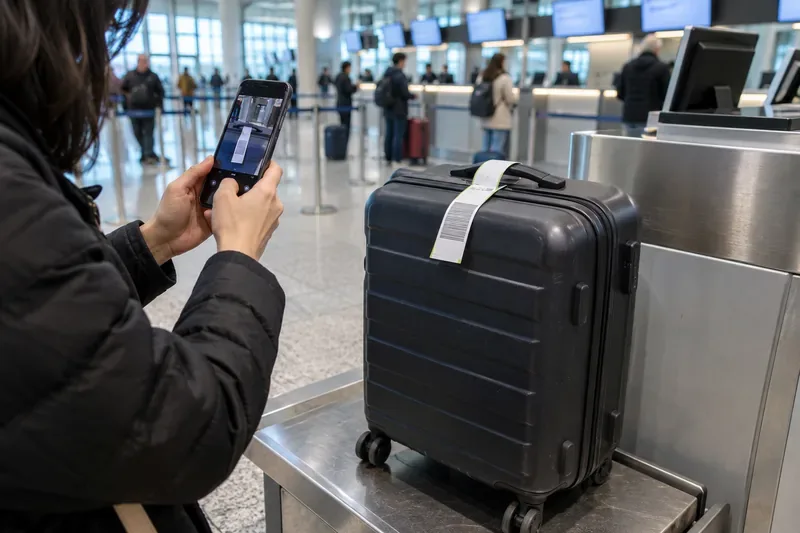
Start with your booking in the Air Canada app or on its website. The airline advises affected customers to use its self-service tools where available and says it will contact passengers as updated information becomes available. Save screenshots or emails showing the original itinerary, revised itinerary and cancellation or delay notices. Keep receipts for reasonable expenses and record when you contacted the airline.
- Check every leg: A domestic or international connection may be affected even if the FAA restriction was in U.S. airspace.
- Look for a confirmed alternative: Review the proposed departure and arrival times, connection points and airport before accepting.
- Ask about your options: If the offered itinerary does not work for your travel needs, ask the operating airline what refund or alternate-travel choices apply.
- Avoid booking a replacement flight too quickly: First ask the airline to explain its rebooking options and keep a written record of the response.
Air Canada says its contact centres are experiencing high call volumes and recommends self-service for faster help. If you are already at the airport, airport staff may be able to direct you to the right service desk, but your reservation and notifications remain the best sources for flight-specific updates.
What rebooking or refund rights apply under Canadian rules?
The Canadian Transportation Agency (CTA) says airlines must rebook passengers when a flight is cancelled or delayed by at least three hours. The exact rebooking sequence depends on the disruption category and the airline’s size. For a large airline, the rules may require a seat on the next available flight operated by that airline or a carrier with a commercial agreement. In some circumstances, if that option would depart more than nine hours after the original departure, the airline must look to another carrier. If the airline cannot rebook within 48 hours, further options can apply, including flights from a nearby airport with transportation to it.
For disruptions outside the airline’s control, the CTA says the airline must first rebook on its next available flight or a commercial partner’s flight departing within 48 hours of the original departure time. If that cannot be arranged, a large airline must rebook on the next available flight with any airline; refund options may also apply under the regulations. If a rebooking does not accommodate your travel needs, ask the airline about a refund. The rules apply to covered flights to, from and within Canada, including connecting flights. The CTA’s guidance is the place to check how a particular itinerary fits the rules.
Read the CTA’s current guidance on schedule changes and cancellations and its flight delays and cancellations guide. Air Canada’s ground-stop notice provides its current operational advice.
Can I claim compensation for an FAA ground-stop cancellation?
Possibly, but the ground stop alone does not settle eligibility. Under the CTA’s Air Passenger Protection Regulations, compensation for inconvenience generally applies when the airline is responsible for the disruption, it is not required for safety, and the airline informed passengers 14 days or less before departure. For a large airline, the CTA lists minimum amounts of CAD $400 when arrival is at least three but under six hours late, CAD $700 for six to under nine hours, and CAD $1,000 for nine hours or more. The calculation is based on arrival delay at the destination on the original ticket.
A safety-related air traffic restriction or another circumstance outside the airline’s control may mean inconvenience compensation is not payable. The reason can be specific to a flight, and a later operational issue may have a different cause from the initial FAA stop. Ask the operating airline to identify the applicable disruption category in writing. If you believe compensation is owed, submit a claim to the operating carrier within one year; the CTA says the airline has 30 days to pay or explain why it considers compensation not payable. Keep the response and supporting records if you later bring a complaint to the CTA.
What happens next for Canadian travellers?
The FAA and Air Canada have both said the restriction has ended, while warning that recovery impacts may remain. Neither statement confirms when every affected route will return to its regular schedule. Travellers with time-sensitive connections, separate tickets or airport transfers should allow extra time where possible and contact the airline promptly if a revised itinerary creates a missed connection or overnight stay. Check travel insurance and credit-card coverage for expenses that airline assistance does not cover, and retain receipts while a claim is considered.
FAQs
Does the end of the ground stop mean my flight will operate?
No. Air Canada says some delays and cancellations may continue during recovery. Confirm your specific flight with the airline before leaving.
Do all passengers affected by the FAA stop get compensation?
No. Canadian inconvenience compensation depends on the cause, safety requirements, notice period and arrival delay. Ask the operating airline to explain its decision.
How long do I have to claim compensation?
The CTA says you must file with the operating airline within one year of the delay or cancellation. The airline has 30 days to respond.