Verified and updated: November 15, 2026, 20:02 UTC.
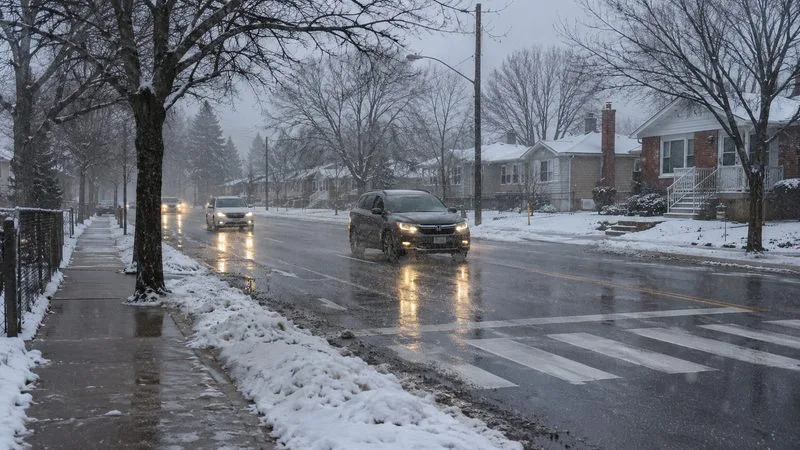
When a winter weather advisory appears for your community, the most useful first move is to reduce the need to travel and make sure your household can manage a short disruption. Snow, ice and poor visibility can make roads hazardous, while a storm may interrupt power or delay access to groceries, medication and services. No single forecast applies across Canada: check the current alert and road conditions for your specific area before making plans.
Federal preparedness guidance recommends keeping essential supplies at home, preparing your vehicle for winter and changing or cancelling trips when hazardous conditions are expected. These steps help limit exposure to travel risks and make a power interruption easier to manage.
Destaques
- Check local weather alerts and provincial or territorial road reports before leaving.
- Keep food, medication, lighting and other essentials accessible at home.
- Put a winter emergency kit in your vehicle and keep the fuel tank at least half full.
- Never run a fuel-burning generator or vehicle inside a home or garage.
What should you do when a winter weather advisory is issued?
Start with the alert details rather than the label alone. Read the affected area, expected timing, precipitation type and any stated impacts, then check for updates as conditions change. Environment and Climate Change Canada provides public alerts and its WeatherCAN app can send local notifications. Provincial and territorial 511 services may provide road conditions, closures and snow-clearing updates.
If travel is optional, postpone it when hazardous conditions are expected. If you need to go, allow extra time, tell someone your route and expected arrival, and make sure your phone is charged. Clear snow and ice from the entire vehicle—including the roof, hood, windows and lights—before driving. Snow left on the roof can blow onto the windshield or other vehicles.
Transport Canada advises drivers to slow down and wait for conditions to improve when weather is bad. Winter tires on all four wheels can improve handling in cold, snowy or icy conditions. Check your owner’s manual and local requirements, since regulations and road conditions vary across Canada.
How can you prepare your home for sudden snow?
Prepare for the possibility that roads, deliveries or power service may be disrupted. Keep several days’ worth of food that does not require extensive preparation, drinking water, needed medication, warm clothing and pet supplies. Put a flashlight, spare batteries, first-aid supplies and a battery-powered or hand-crank radio where household members can find them. Consider the needs of children, older adults and anyone with medical requirements, and arrange a way to check in with neighbours or relatives who may need help.
Move snow-clearing tools, ice melt or sand to an accessible spot before snowfall blocks a shed or garage entrance. Clear gutters and inspect the roof for existing damage when it is safe to do so. Caulking and weather-stripping can reduce drafts. If using a backup generator, operate it outdoors at least 6 metres (20 feet) from buildings, with exhaust directed away from doors and windows. Never use a generator, barbecue or camping stove indoors or in a garage, even with the door open. Install certified carbon monoxide alarms with battery backup and maintain fuel-burning appliances.
What belongs in a winter car emergency kit?
A vehicle may become stuck, or traffic may stop for an extended period. Keep supplies in the car throughout winter so they are available before an advisory arrives. Federal checklists include:
- Warm blanket, extra clothing, gloves, hat and sturdy footwear.
- Non-perishable snacks and water in containers that can tolerate freezing.
- First-aid kit, flashlight, whistle and a charged phone with charging cable or power bank.
- Ice scraper, snow brush and a small shovel.
- Booster cables, warning light or reflective triangles, and traction material such as sand or non-clumping cat litter.
- Extra windshield washer fluid suitable for winter temperatures.
Maintain the vehicle before winter, including its battery, lights, brakes, tires, wipers, exhaust and heating or defrosting systems. Transport Canada recommends keeping the fuel tank at least half full; electric vehicle drivers should account for reduced range in cold conditions and allow a margin for delays.
What if your vehicle gets stuck in a snowstorm?
If the vehicle is safely away from moving traffic, stay inside and make it visible to responders. Check that snow has not blocked the exhaust pipe before running the engine, since exhaust can cause carbon monoxide to build up. Follow current emergency instructions and conserve fuel and battery power. If the vehicle is in a dangerous position, call emergency services when possible and follow their directions.
How should you plan for the next few hours?
Forecasts and impacts can change by community, so use the latest local alert and official road report rather than assuming that conditions are the same across a province. Before departure, confirm the route remains open, tell someone your plan and be ready to turn back or delay travel. After the snowfall, clear snow carefully and take breaks; heavy exertion in cold weather can strain the body.
Sources: Environment and Climate Change Canada: Be prepared for winter weather; Public Safety Canada: Winter storms; Transport Canada: Planning your trip; Transport Canada: Preparing your vehicle for winter.
Frequently asked questions
Should I drive during a winter weather advisory?
Delay optional trips when hazardous conditions are expected. If travel is essential, check local road reports, prepare your vehicle and allow extra time.
How much fuel should I keep in my car in winter?
Transport Canada recommends keeping the tank at least half full. Electric vehicle drivers should allow extra range for cold temperatures and delays.
Can I run a generator in my garage during a power outage?
No. Operate fuel-burning generators outdoors at least 6 metres (20 feet) from buildings, with exhaust directed away from openings.