Verified and updated: Nov. 15, 2026, 10:00 p.m. CET (UTC+01:00).
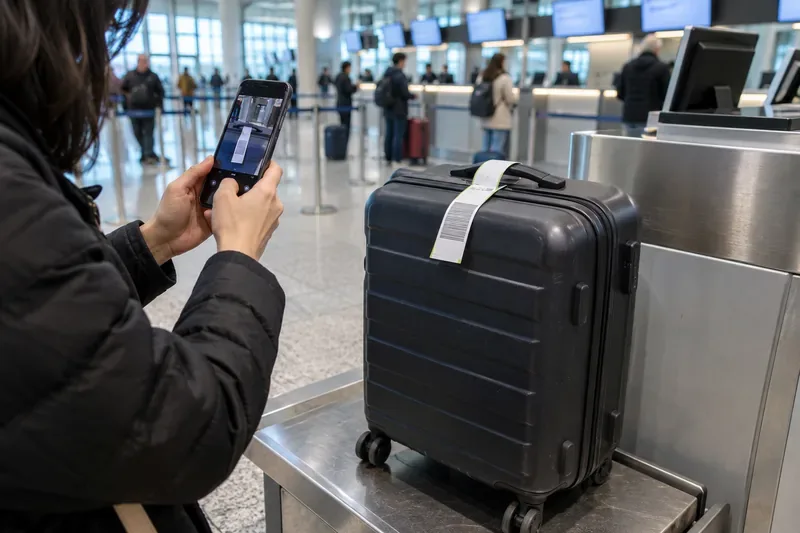
Canadian travellers can take practical steps to document checked luggage after a W5 investigation reported cases in which passengers’ baggage tags were allegedly switched onto bags carrying drugs. The Government of Canada now advises travellers to photograph or video their bag and its tag at check-in, watch the hand-off, and compare the tag number with the baggage receipt before leaving the claim area. These measures create a record; they cannot guarantee that a bag will not be tampered with or prevent authorities from investigating a suspicious suitcase.
W5-related coverage has reported at least 17 Canadian passengers caught up in tag-switching cases over the past year. CTV’s original report could not be accessed directly for this update, so that figure is attributed to accessible coverage rather than independently verified here. The federal advisory describes the alleged risk and gives steps for travellers who suspect a switch. Read the Government of Canada’s travel advisory.
Destaques
- Photograph your suitcase, attached tag and tag number at the airline counter.
- Keep the baggage receipt and, if possible, record the bag’s weight before hand-off.
- At arrival, match the physical tag number to your receipt before leaving baggage claim.
- If the tag or bag looks wrong, stay in the claim area and contact the airline immediately.
How does an airport bag-tag scam work?
In the alleged scheme described in the reporting, someone switches a traveller’s airline-issued tag onto another suitcase, potentially linking the passenger to a bag they did not pack. The key point for travellers is that a baggage tag identifies a bag in the airline’s handling system; it does not, by itself, prove who packed or controlled the contents. Keep your own suitcase in sight through check-in and document its appearance and tag before it leaves your hands.
The Government of Canada recommends packing your own bags, removing old airline tags and barcodes, keeping luggage closed and under your control, and taking photographs of packed luggage. At the counter, it recommends clear photos or video of the bag with its attached tag, with the tag number visible, and recording the official scale weight if possible. The advisory also explains what to do if you see tampering or a mismatch.
What should you do before checking a bag?
- Pack it yourself. Do not carry or check a bag for someone else, and do not accept luggage or parcels to transport for another person.
- Remove old flight labels. Previous tags and barcodes can confuse automated handling and may make the bag harder to identify.
- Make the suitcase recognisable. Use a distinctive, lawful marker and note identifying features such as colour, brand, scratches or ribbons.
- Document the hand-off. Take a wide photo of the suitcase and a close photo showing the current airline tag and number. Keep the baggage receipt with your boarding documents. Avoid posting these images publicly because tags and travel documents can expose personal or trip information.
- Watch the bag enter the system. Stay nearby as it is tagged and placed on the conveyor. A tracker inside the bag may offer location information, but it does not establish who packed the contents or replace the airline’s baggage record.
The federal government advises putting an address label inside a bag rather than displaying a home address on the outside. Keep passports, medication, keys, cash, electronics and other valuables in your carry-on where permitted. Air Canada also advises removing old airline tags and placing a baggage ID card inside the suitcase. See the federal pre-boarding checklist and Air Canada’s checked-baggage packing tips.
What should you check when you collect your luggage?
Before leaving the baggage area, compare the number on the bag’s attached airline tag with the number on your baggage receipt. Check that the suitcase is yours and look for cuts, broken locks, unusual creases or other signs of interference. A tracker’s location history can be a supplementary record, but use the airline tag and receipt as the direct comparison.
If the tag number does not match, the suitcase is not yours, or you see possible tampering, do not leave the baggage claim area with it. Contact the airline’s baggage service desk immediately, keep your boarding pass and baggage receipt, and preserve photos or video. Follow airline instructions. The Government of Canada says local laws and procedures differ; contact local law enforcement if required, especially if the bag contains something that is not yours. Do not open or carry an unfamiliar bag through customs.
Will photos or a tracker prevent a tag switch?
No. They are documentation tools, not a physical safeguard or a guarantee of protection. A clear before-and-after record may help you explain what your suitcase looked like, which tag was attached when you handed it over, and whether the bag’s location appears inconsistent with your trip. The actual effect depends on the circumstances and on airline and local-authority procedures.
For upcoming trips, the useful forecast is modest: as the reported cases receive attention, more travellers may document their bags and ask questions when records do not match. The federal advisory’s concrete instructions are already available; travellers should check it and their airline’s current baggage guidance before departure.
Frequently asked questions
Should I photograph my baggage tag?
Yes. The Government of Canada advises taking a clear photo or video of your bag with the attached tag and visible number at the check-in counter. Keep the image private with your travel records.
What if my checked bag’s tag number is different?
Stay in the baggage claim area and report it to the airline’s baggage service office before leaving. Keep your receipt, boarding pass and any photos.
Does a luggage tracker protect against tag scams?
A tracker can show location information, but it cannot prove who packed a bag or guarantee it is protected. Use it alongside photos, the airline receipt and a tag-number check.