Home
» Today
»
Amazon Prime Settlement Automatic Refunds: Who Qualifies and How Payments Work
Amazon Prime Settlement Automatic Refunds: Who Qualifies and How Payments Work
Amazon Prime settlement refunds are being sent automatically to eligible U.S. customers. The rules changed in September 2026: more customers may qualify than in the first payment phase, the total cap can reach $200, and Amazon does not require a new claim for the remaining automatic rounds. As of September 27, 2026, the newly expanded group is scheduled to begin receiving payments on October 1, with settlement payments continuing into 2027.
A customer checks a message on a laptop while reviewing a subscription refund.
Quick eligibility check
You may qualify if all three points apply:
You were an Amazon Prime customer in the United States.
Between June 23, 2019, and June 23, 2025, you either signed up through an enrollment flow challenged by the Federal Trade Commission (FTC), or you tried to cancel online but did not successfully complete the cancellation.
You used no more than 20 Prime benefits during any 12-month period of your Prime enrollment.
The FTC lists the challenged signup flows as the Universal Prime Decision Page, Shipping Option Select Page, Single Page Checkout, and Prime Video enrollment flow. Having a Prime membership during the date range alone does not establish eligibility. The administrator compares the criteria with Amazon’s business records, so a customer cannot confirm qualification only by remembering when they subscribed. See the FTC’s current Amazon refund guidance for the official eligibility wording.
What changed in September 2026?
The original 2025 order set up automatic payments for customers who used three or fewer Prime benefits in a 12-month period, capped at $51. A claims phase then covered customers who met the settlement’s enrollment or failed-cancellation criteria and used no more than 10 benefits, if they submitted a valid claim. The claims deadline was July 27, 2026.
A federal court approved a revised distribution plan in September 2026. It directs Amazon to send automatic payments to identified eligible customers who used between 11 and 20 benefits in a 12-month period, starting October 1, 2026. The administrator may also pay some identified customers who were in the earlier claims group but have not already received a settlement payment, including people who did not submit a claim form. Those steps are part of the revised distribution plan; they do not reopen the July 27 claim deadline. The FTC’s September 2026 announcement and the court-approved order describe the current schedule.
How much could you receive?
Payments reimburse eligible Prime membership fees; they are not a flat award for every person. Earlier rounds had a $51 cap per customer. Under the revised plan, the total received by one eligible customer may reach $200, but that is a maximum, not a promised payment.
The court-approved order allows a later, pro rata round of up to $149 per person if the total amount of settlement payments accepted by consumers remains below $1 billion after the scheduled phases. Amazon is to reconcile accepted payments by the end of March 2027, and any such pro rata payments are to begin by the end of April 2027. To be included in that contingent round, a person must have accepted an earlier settlement payment. The size of an individual payment depends on the eligible fees and the final distribution; not everyone will receive $200.
How the automatic payment works
Eligibility is matched to records. Amazon’s settlement administrator uses available account and payment records to identify potentially eligible customers. The FTC reports that consumers do not need to file a new claim, respond to a notice, or complete a form for the upcoming automatic rounds.
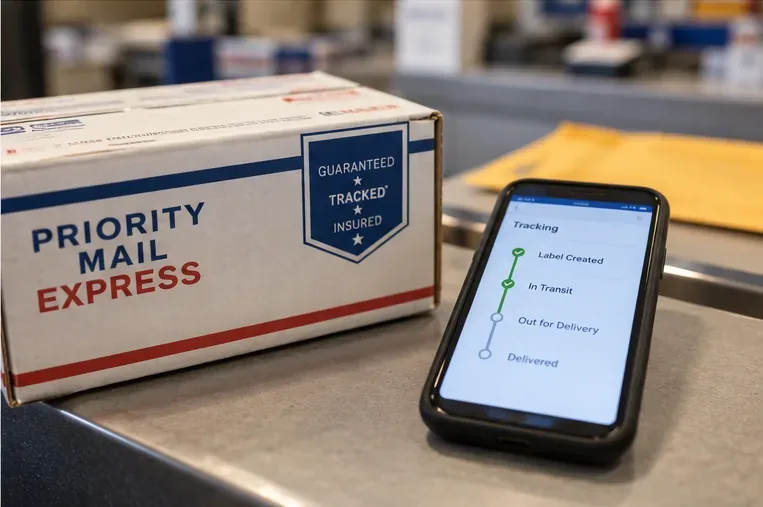
The payment is issued. The current FTC guidance says payment can arrive as a mailed check or electronically through PayPal or Venmo. An eligible recipient should follow the instructions that came with the payment and use the official settlement site if a payment issue needs attention.
You accept it before it expires. The FTC says payments expire 60 days after the issue date. Check the date printed on a check or shown in the payment notice; do not assume an unaccepted payment will be reissued.
Any additional round is conditional. A future supplement depends on the amount consumers have accepted by the court’s reconciliation point. It is not a second guaranteed $149 payment.
What should you do now?
Your situation
Practical next step
You may meet the criteria but have not received money
Check the official FTC refund page for schedule updates. The expanded 11–20 benefit group is scheduled to start October 1, 2026, and the broader process can continue into April 2027.
You received a notice or payment
Confirm it through the settlement site and accept the payment within 60 days of its issue date.
You filed a claim earlier but have no payment
Contact the settlement administrator to ask about the status. The revised order covers certain identified people who have not already been paid.
You never filed a claim before July 27, 2026
Do not assume a new claim can be submitted. The old claims window has closed, although the revised automatic process may cover some people identified in Amazon’s records.
For a payment question, the FTC directs consumers to Amazon’s settlement administrator at admin@SubscriptionMembershipSettlement.com or 1-888-999-8094. The administrator’s official site is SubscriptionMembershipSettlement.com. Keep the notice or claim reference available when you contact them, but avoid sending sensitive account or payment details in an unsolicited message.
How to spot a refund scam
The FTC says it is not contacting people about Amazon refunds. Neither the FTC nor Amazon should ask you to pay a fee, transfer money, buy gift cards, or provide passwords to receive settlement money. Treat unexpected calls, texts, or social messages offering guaranteed access to a refund as suspicious. Do not click a link from an unsolicited message; type the official FTC or settlement address into your browser instead. If you receive a suspicious contact, report it through ReportFraud.ftc.gov.
Bottom line
As of September 27, 2026, the practical rule is to check the updated FTC page, watch for an official payment notice, and accept any issued payment before it expires. The current qualifying ceiling is 20 Prime benefits in a 12-month period, alongside the U.S. customer, date-range, and challenged-enrollment or failed-cancellation requirements. The earlier $51 figure is not the current overall maximum: total redress may reach $200, but additional funds depend on the settlement’s payment phases and are not guaranteed to every customer. Eligibility and payment amounts are determined through the settlement process, not by this checklist alone.
Information checked September 27, 2026, against current FTC guidance and the court-approved distribution order.