Verified and updated: November 14, 2026, 4:05 a.m. UTC.
Influenza activity is climbing across Canada: federal surveillance recorded 4,221 influenza detections among 30,828 tests in the week ending November 7, 2026, a positivity rate of 13.7%. That is up from 10.8% the week before. With flu circulating more widely, vaccination, staying home when sick and improving indoor air can help reduce the chance of infection and protect people at higher risk.
Destaques
- Influenza test positivity rose to 13.7% in surveillance week 44.
- The 2026–27 National Advisory Committee on Immunization guidance recommends an annual flu vaccine for almost everyone aged six months and older.
- Stay home when sick; if you must be around others or seek care, wear a well-fitting mask and improve ventilation where possible.
- People at higher risk should contact a health professional early if flu symptoms develop.
What do the latest Canadian flu numbers show?
The Public Health Agency of Canada’s FluWatch+ report, updated November 13 with data through November 7, shows influenza detections increasing for several weeks. In week 44, 99% of subtyped influenza A detections were H1N1. People aged 65 and older accounted for 45% of detections with age information that week. These are surveillance findings, not a prediction of the season’s peak or an estimate of any one person’s risk. Testing practices and reporting coverage can vary, so local conditions may differ.
The federal influenza dashboard explains that its epidemic threshold is 5% positive tests when at least 15 weekly detections are reported. The 13.7% rate is well above that marker. For readers, the practical implication is to act on prevention now rather than wait for a forecast: vaccine protection takes about two weeks to develop, and infection can spread before symptoms are noticed.
Sources: PHAC FluWatch+ influenza surveillance and the Canadian respiratory virus surveillance snapshot.
How can you lower your chance of getting or spreading flu?
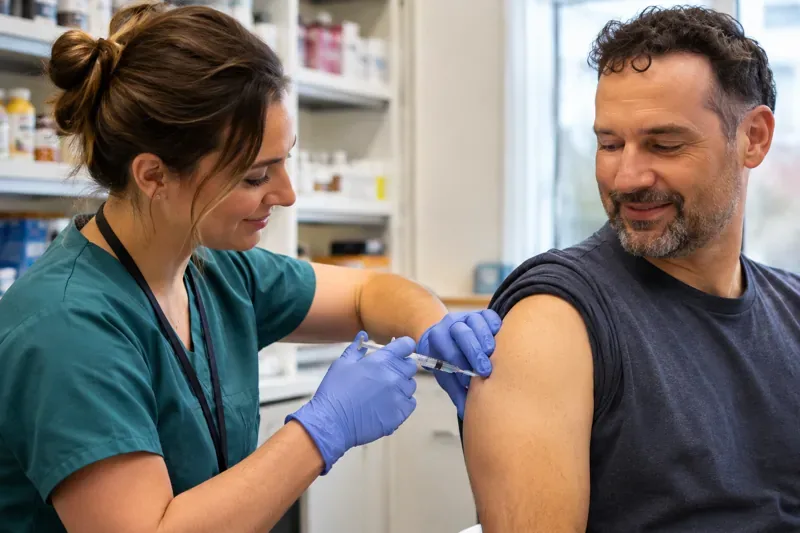
Vaccination remains the central preventive step. PHAC recommends an annual flu vaccine for almost everyone aged six months and older who has no contraindication. NACI’s 2026–27 guidance particularly prioritizes people more likely to experience serious complications, including adults 65 and older, pregnant people, young children, people with certain chronic conditions, residents of long-term care and members of First Nations, Inuit and Métis communities. Vaccination also helps reduce the chance of passing flu to someone vulnerable.
Vaccine availability and delivery vary by province and territory. Check your local public health unit, pharmacy or health-care provider for eligibility and appointment details. Children aged six months to under nine years receiving flu vaccine for the first time generally need two doses at least four weeks apart; those previously vaccinated need one dose this season. Ask a health professional to confirm what applies to your child. PHAC says flu vaccine can be given at the same time as other vaccines, including COVID-19 vaccines.
Pair vaccination with simple daily measures:
- Stay home and limit contact with others when you feel ill, even if symptoms are mild.
- If you must be around others, enter a public place or seek medical care while symptomatic, wear a well-fitting mask or respirator.
- Open windows or doors when practical to improve indoor ventilation.
- Wash hands with soap and water for at least 20 seconds; use sanitizer containing at least 60% alcohol when needed.
- Cover coughs and sneezes with a tissue or your elbow, and avoid touching your face with unclean hands.
These steps reduce opportunities for respiratory viruses to spread; none guarantees that you will avoid infection. PHAC’s current advice is available in its flu prevention and risk guidance and NACI 2026–27 vaccine statement.
When should you contact a healthcare professional?
Flu can be more serious for older adults, young children, pregnant people and those with chronic health conditions or weakened immune systems. If you or someone you care for is in a higher-risk group and develops flu symptoms, contact a doctor, nurse practitioner or pharmacist promptly to discuss next steps. A clinician can assess symptoms and whether treatment or testing is appropriate. Do not wait for the national trend to peak before seeking advice.
Seek urgent medical help for severe or rapidly worsening symptoms. If breathing is difficult, there is chest pain, confusion, dehydration or another immediate emergency, call 911 or go to an emergency department. For less urgent concerns, use your provincial or territorial health advice line or contact a local provider. Follow local public-health advice because services and pathways differ across Canada.
What might happen next in Canada’s flu season?
What is known: reported positivity and detections rose through the latest published weeks, and the current rate exceeds the federal epidemic threshold. What is uncertain: the November 7 report cannot establish when the season will peak, how high activity will go or how severe the season will be. FluWatch+ updates weekly, and the next report may revise the picture as additional data arrive. Check the dashboard for current national and regional trends rather than relying on a fixed calendar estimate.
As the season progresses, vaccination remains worthwhile even if flu is already circulating. PHAC notes that it generally takes about two weeks for the vaccine to provide its best protection. If you are unsure which vaccine is available or recommended for you, ask a pharmacist or health-care provider.
Frequently asked questions
Is it too late to get a flu shot in November?
No. Flu activity is rising, and vaccination can still provide protection during the season. It takes about two weeks to develop its best protection; check local availability.
Can you get the flu from the flu vaccine?
No. PHAC says the flu vaccine cannot give you influenza. A sore arm is common; other side effects are usually mild and short-lived.
What should I do if I feel sick but need medical care?
Call ahead when possible, wear a well-fitting mask or respirator, and follow the clinic’s instructions. If symptoms are severe or rapidly worsening, seek urgent help.