Podcasting Trends You Need to Know in 2026: A Beginner’s Roadmap

New to podcasting? Learn the 2026 trends shaping video, discovery, transcripts, AI, analytics, monetization, and a practical launch plan.
Hisense is an increasingly popular brand when it comes to Smart TV technology. They manufacture budget-friendly LED and ULED (Ultra LED) units that enhance contrast and definition for a better viewing experience.

Knowing how to install and update apps is immensely important to get the most out of your Hisense TV.
How to Install Apps on a Hisense TV
Hisense TVs, like any other Smart TV, come with several factory-installed apps. Some of these are crucial for any viewing experience on a Hisense TV, while others you may never use. Either way, factory-installed apps cannot be removed and are default on your Hisense TV.
Fortunately, other interesting Hisense apps may exist in your TV’s app store. Follow the procedures below to download certain apps from your Hisense Smart TV.
Updating Your Apps on a Hisense TV
Updating apps from Hisense’s native database isn’t user-associated. If such an app gets an update, it automatically installs on your device. Try removing and reinstalling it if there is a problem.
Option 1: Reinstalling an App on Your Hisense TV
Option 2: Updating Firmware on Your Hisense TV
Don’t forget that factory-installed Hisense TV apps cannot be deleted. Regardless, it may also not update to its latest version. Because you cannot remove the app, your best bet is to update your TV’s firmware. You must keep the firmware up-to-date to ensure your TV works properly. Outdated apps aren’t the only problem that old firmware causes.
Option 3: Updating Google Play on Your Hisense TV
Some Hisense TVs use the Android OS, which means you use the Google Play Store to download apps.
If a downloaded Android app isn’t working properly, find it on the Google Play Store, and you’ll see an “Update” button if it isn’t running on the current version.
Suppose you have an Android Hisense TV that doesn’t seem to have access to the Google Play Store. It’s always best to contact your retailer or manufacturer to solve the issue rather than sideloading the Google Play Store through a third-party app. Google Play almost always comes preinstalled on any Android device.
Option 4: Use Vewd
Vewd is an online storefront that offers apps specifically designed for smart TVs. The apps are all stored on the cloud and are accessed through Vewd directly. All app updates are done by Vewd, independently from your smart TV. Vewd is compatible with Android TVs only, but it is also installable on some non-Android Smart TV sets.
Note: You may have to manually update the Vewd app if your TV is not an Android version, which can be inconvenient.

While some Hisense TVs may be challenging to install, update, and manage apps, others make it easy. When automatic updates fail, you can update an app by removing and reinstalling it using the instructions above. Getting the latest firmware also helps make several new app versions compatible. Aside from having no access to manufacturer app databases, Google Play apps, or Vewd apps, avoid using third-party services to compensate. The majority of apps that you may need are available in the native App Store.
New to podcasting? Learn the 2026 trends shaping video, discovery, transcripts, AI, analytics, monetization, and a practical launch plan.
A practical UGC masterclass for sourcing, permissioning, briefing, publishing, and measuring customer and creator content without losing authenticity.
Community building can deepen trust, retention, feedback, and advocacy, but it is not a replacement for every marketing channel. Compare the tradeoffs and choose the right model.
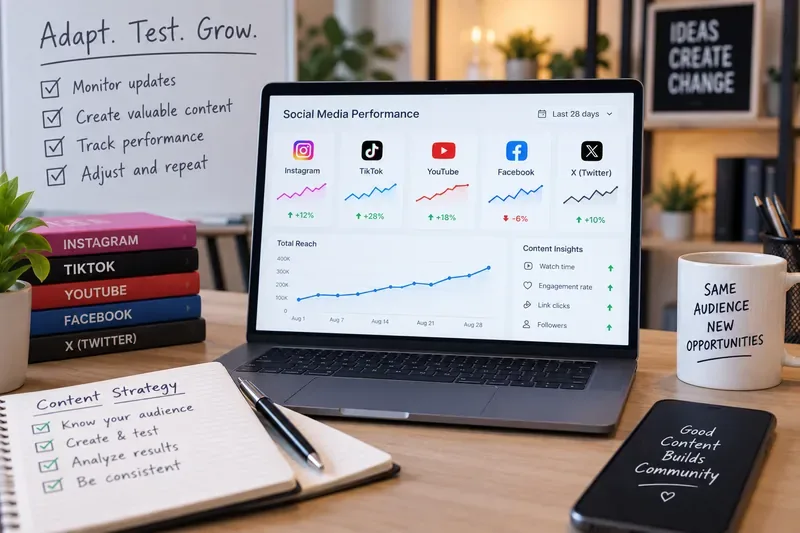
Learn what major social platforms have actually confirmed about ranking changes in 2026, what depends on context, and how to adapt without chasing myths.
Learn how to make brand storytelling feel credible, human, and specific—using proof, real tension, ethical customer stories, and a practical authenticity check.
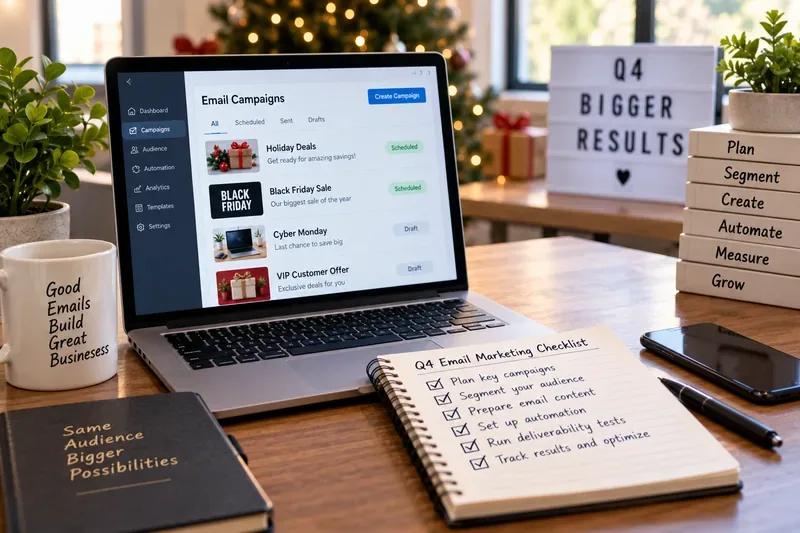
Build a smarter Q4 email strategy by balancing reach, frequency, discounts, automation, deliverability, and measurement for profitable holiday growth.
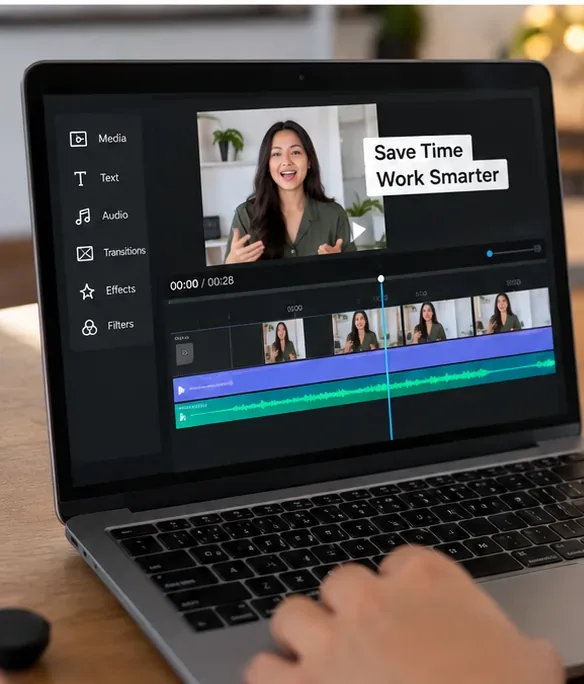
Learn how to create short-form video that converts by balancing hooks, format, authenticity, CTA, platform fit, and testing across TikTok, Reels, and Shorts.
Why are brands testing KOCs instead of relying only on influencers? Learn what KOCs are, why social commerce favors them, common myths, and how to run a measurable pilot.
Learn a practical TikTok SEO workflow for 2026: find real search demand, match search intent, optimize each video, and measure what improves visibility.
Prepare your e-commerce store for Black Friday with a practical checklist for offers, site speed, checkout, inventory, fulfillment, analytics, security, and support.