How to Update Google Chrome Browser

Learn how to update Google Chrome browser on Windows, Mac, and Android in minutes to enjoy better security, speed, and new features. Follow these clear steps.
The smartphone spec race isn't over yet - companies still brag about benchmarks, fast charging speeds, maximum brightness, and the number of megapixels in their smartphone cameras. While people love to talk about new features, there are some things that matter more than flashy specs.
6. Longer software support with timely updates
People aren’t upgrading their phones as often as they did a decade ago, in part because durability isn’t as important anymore. We’re at a point where upgrading every year or two no longer makes sense. You don’t have to spend a fortune to get premium hardware features that were previously reserved for flagship phones, like aluminum frames or glass backs.
Indeed, flagship phones have now moved to titanium, which, while more durable than aluminum, is reserved for the top Ultra models that cost over $1,000. And when it comes to glass protection, we’ve almost reached the pinnacle of what can be done with the material, with many mid-range phones now being almost as durable as flagships .
This means that while longevity is a matter of hardware degradation, these days it’s more about software obsolescence. The more years a manufacturer can provide software support for your phone, the longer you can keep it without needing to upgrade.
Google and Samsung are two of the best long-term upgrade providers, with both companies promising up to seven years of OS and security updates. That means the Galaxy S25, which launched with Android 15 out of the box, will continue to receive updates until 2032 — taking users all the way to Android 22.
You might think this is overkill for two reasons: One, the battery won't last that long, and two, you won't keep your phone that long anyway. Both are valid points. But extended support is useful even if you don't plan on keeping your phone that long.
Long-term support extends the overall lifespan of the phone, so when it comes time to sell the phone after about three years, the buyer won't be left with an outdated device. This gives them peace of mind that, even though they're buying a used phone, they'll still be able to enjoy the latest software - one of the main reasons why iPhones hold their value so well.
This whole thing works the other way around, too. If you’re on a tight budget but don’t want to buy a cheap phone, a used flagship phone with years of software support can be a great alternative. You’ll get premium hardware, a refined camera system, and great performance for a fraction of the original price.
If you're concerned about the battery, don't worry. You can usually get an official replacement from the manufacturer, especially if the phone is an iPhone or Samsung Galaxy. Both companies have replacement parts for phones that are several years old.
5. The prevalence of authorized repair shops
You should try to get the most value for your money when buying a new phone. However, many people have recently realized that “value” can mean different things to different people, depending on how you use your phone.
It used to mean getting the best specs for the lowest price, and many brands (especially Chinese ones) could live up to that expectation. Now, however, people are starting to associate “value” more with long-term reliability and quality customer support.
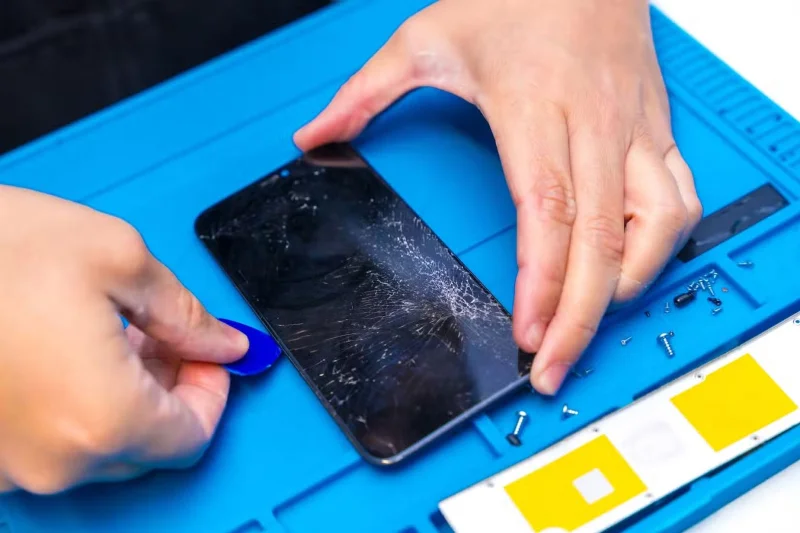
As we all keep our phones for longer, people are spending more time with a particular company and therefore relying on that company's support more than they did a few years ago when upgrades were more frequent. And one of the best ways for a company to provide that support is to set up local authorized repair centers.
The vast majority of people don’t care if their phone shoots 8K video, has reverse wireless charging, or has sky-high benchmark scores. They want to be able to walk into their local store, hand their phone to an authorized technician, explain the problem they’re having, and get it fixed as quickly as possible.
If the company spends every penny to provide the best possible specs for that price, they won't have the budget left to actually support you when your phone breaks down.
Setting up brick-and-mortar stores, maintaining a stock of spare parts for hundreds of phone models, and hiring skilled technicians are all expenses you’d expect companies to invest in. Of course, only established brands like Apple and Samsung can provide this level of support.
4. Reasonable resale and exchange value
Stop obsessing over specs doesn’t mean you have to stop looking for value in the literal sense. Look for value at the time of sale instead of at the time of purchase. In other words, you should prioritize resale and trade-in value much more than you used to.
The reason for this is simple. Flagships these days aren’t much different from mid-range options, so the only way to get people to buy a flagship is to be assured that they’ll get at least a fair amount of value out of it when it’s time to upgrade to a new phone. That way, the initial cost isn’t inflated in any way.
This is one of the big reasons why many people have yet to switch to a Google Pixel, despite wanting to try out its acclaimed camera for a while. Apple and Samsung have gone to great lengths to ensure their flagships retain their value for as long as possible, but Pixel phones depreciate faster than any other major brand.
iPhones and Galaxy flagships are often priced at nearly half their launch price after two years if you trade in your old phone for a new one, and can even be more if you sell them yourself on e-commerce platforms.
And the Pixel? Less than a quarter of its launch price. The $999 Pixel 8 Pro, which launched in October 2023, is now $185 on the official Google Store as of May 8, 2025. Imagine spending thousands of dollars on a phone and seeing it lose more than 80% of its value in just two years.
3. Ergonomics of the phone
People have started to prioritize ergonomics quite a bit lately. While not to the point where they would buy a super-thin phone like the Galaxy S25 Slim or iPhone 17 Air that would sacrifice quite a bit of features, people have definitely started to pay more attention to things like weight, thickness, feel in the hand, one-handed usability, and overall size.
This is especially true if you’re a heavy multitasker on your phone and benefit greatly from a larger screen. Things like launching apps in pop-up view, sharing files between two apps in split-screen mode, and streaming video in PiP mode while gaming are all important features that people use on a daily basis. The bigger the screen, the more content you can fit.
2. Many third-party accessories
Specs don’t help when you’re trying to stick your phone to the kitchen wall for a hands-free Zoom call while you cook. But accessories do. The iPhone in particular benefits from a huge ecosystem of niche add-ons like stands, MagSafe wallets, power banks, video rigs for content creation, and cases with built-in kickstands.
Wide accessory support means it’s easier to find solutions to your problems. For example, many people have become accustomed to using matte screen protectors (as opposed to tempered glass) because their slightly rough surface eliminates glare and makes it much easier to slide your fingers across the screen, which can improve the mobile gaming experience.
1. Well optimized software
Chipmakers like Qualcomm, Samsung, and MediaTek have made huge strides over the past decade. In fact, lack of raw power is hardly ever the reason your phone isn’t performing well anymore. Even mid-range phones these days have enough power to run many graphics-intensive games at sub-max settings.
Raw power is only part of the equation, however. Software optimization affects the fluidity of the user interface. Well-optimized software leads to smoother animations, faster app launches, fewer bugs and crashes, faster camera shutter speeds, and more stable network connections. Simply put, it makes your phone faster and more responsive to your input.
More importantly, software optimizations help extend battery life so you don't have to reach for the charger as often. In fact, you can see this when using a Samsung phone - the battery menu displays "Learning usage patterns..." for a few days after you first boot up your device.
Learn how to update Google Chrome browser on Windows, Mac, and Android in minutes to enjoy better security, speed, and new features. Follow these clear steps.
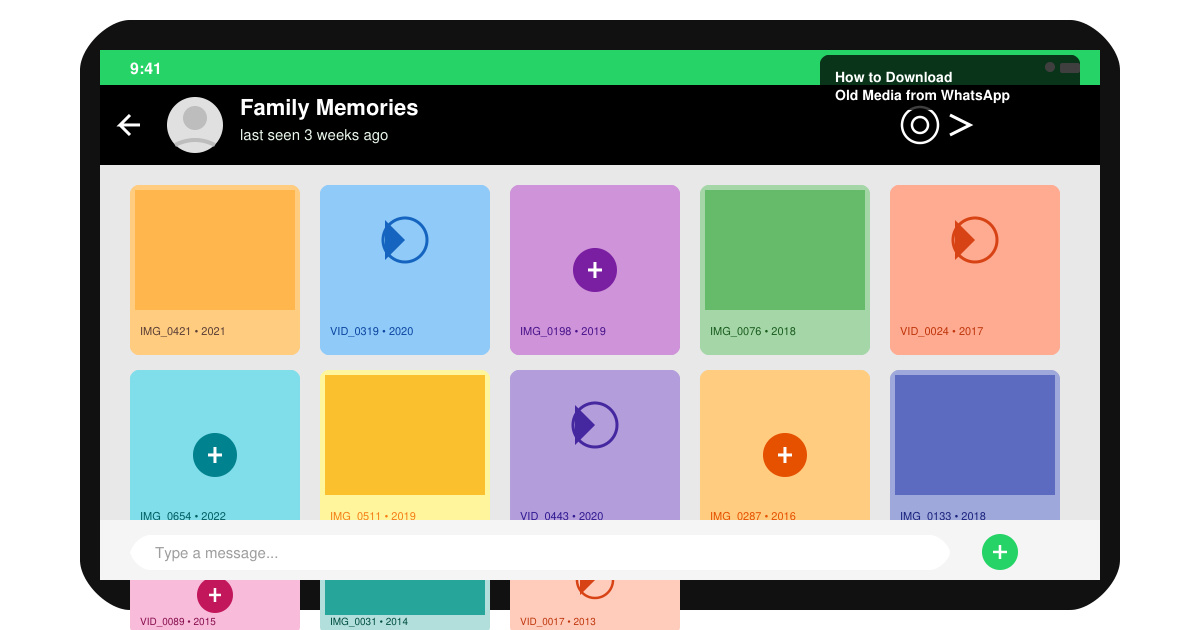
Learn how to download old media from WhatsApp and recover photos or videos from past chats. Follow these clear steps to save files that no longer appear in your gallery.
Facebook Messenger Isn T Working on your device? Use these exact troubleshooting steps to restore chats, calls, and notifications fast on Android, iOS, or desktop.
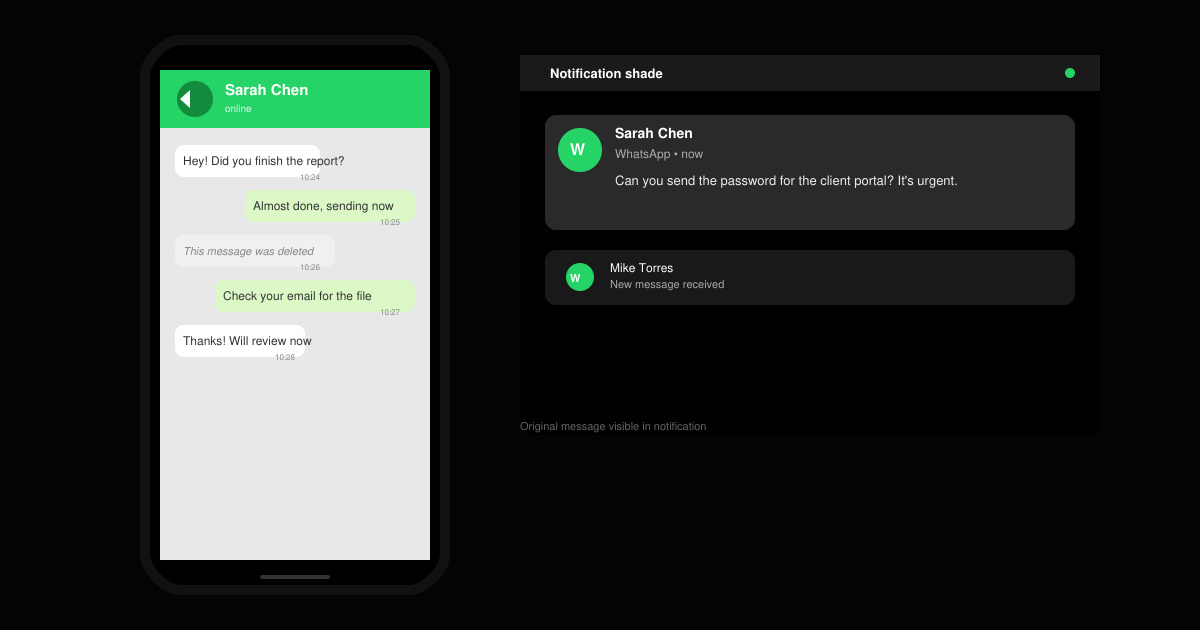
How to See Deleted WhatsApp Messages using your phone's built-in tools. Follow these exact steps to recover messages that contacts have deleted from chats.
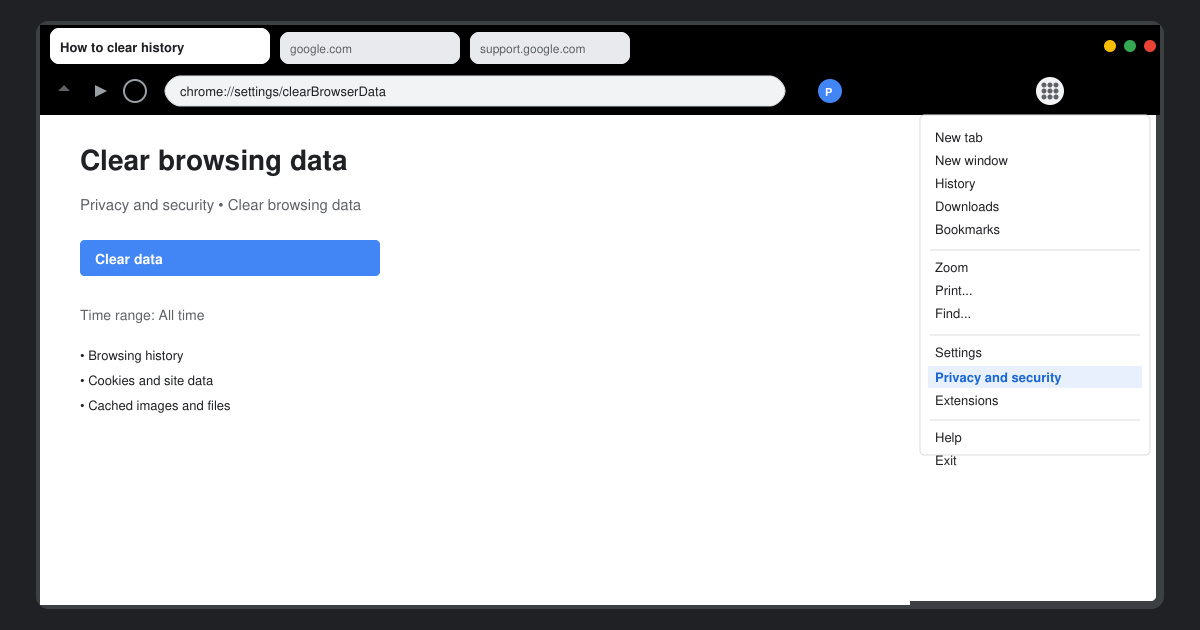
Learn how to clear browser history in Chrome on desktop and Android with this exact step-by-step process. Keep your browsing private and free up storage space quickly.
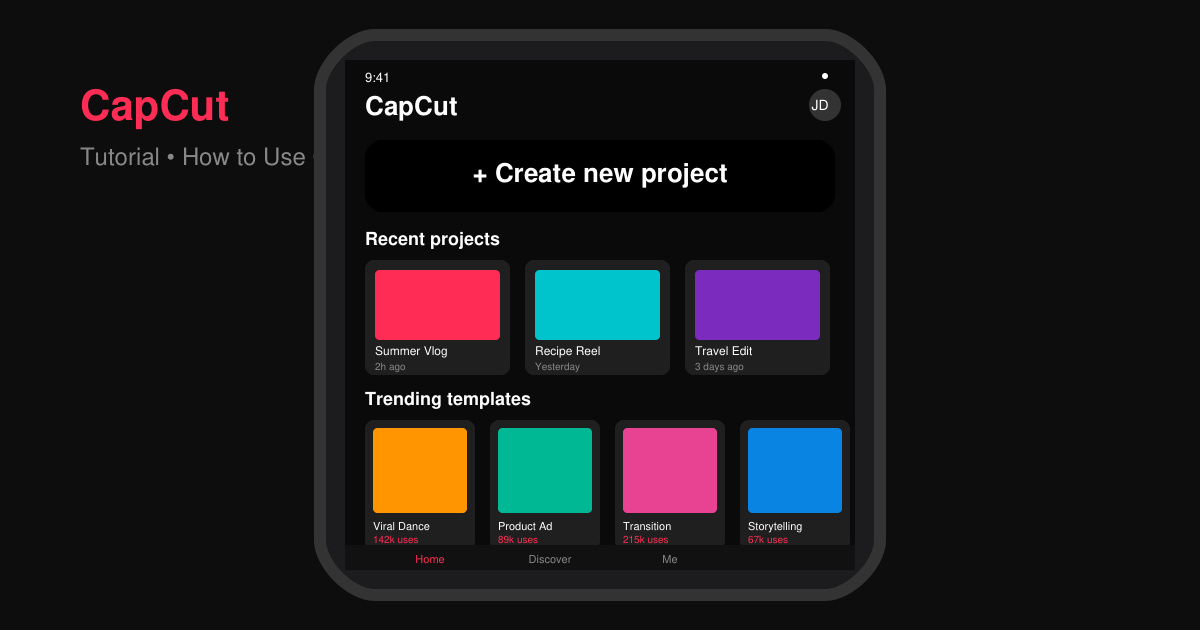
Master how to use CapCut with this practical walkthrough covering project setup, editing tools, effects, and export options for high-quality video results.
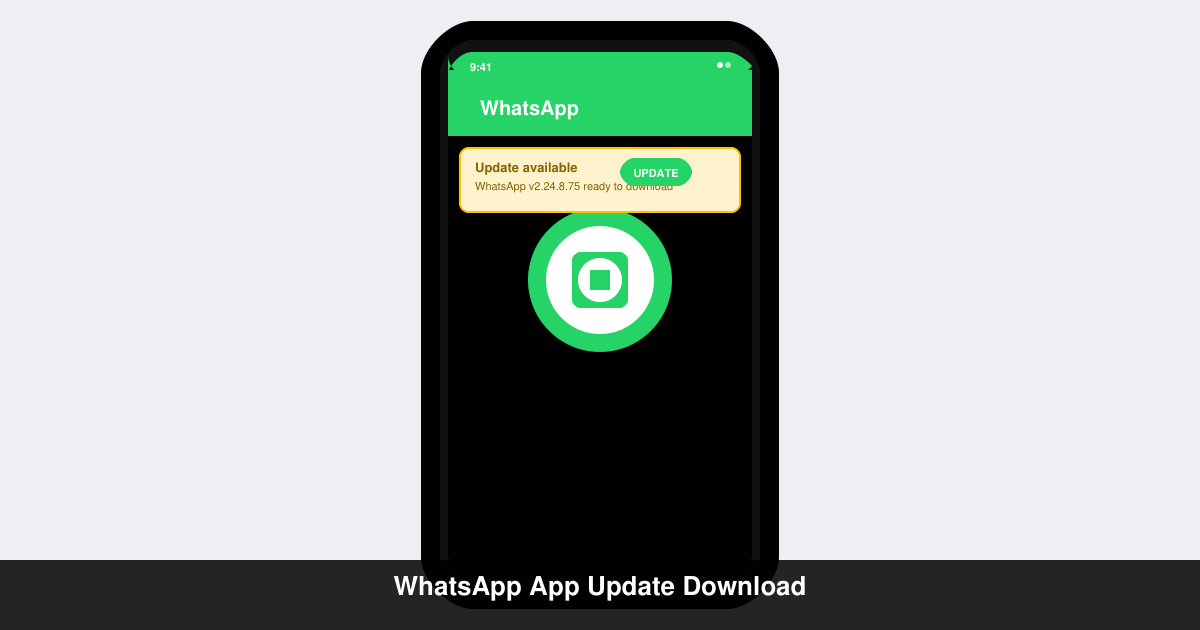
Get the latest WhatsApp App Update Download from official sources to access new features and security improvements. Follow these clear steps for Android and iOS devices.
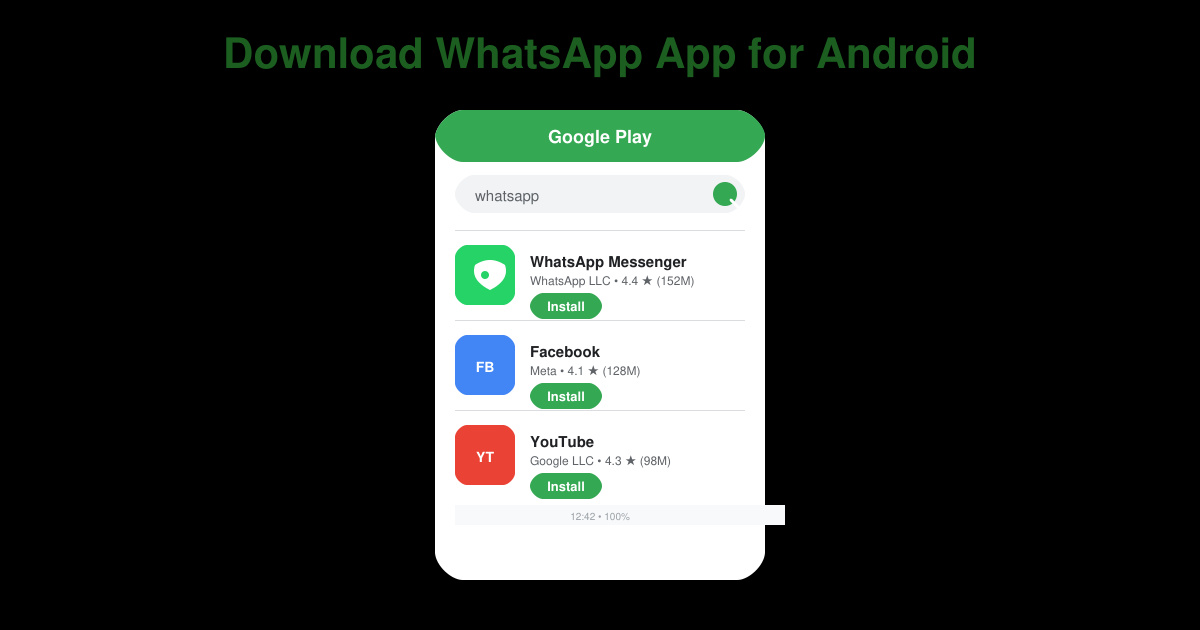
Learn how to safely Download WhatsApp App for Android from the official Google Play Store. Follow our clear step-by-step instructions to install the latest version quickly and securely.
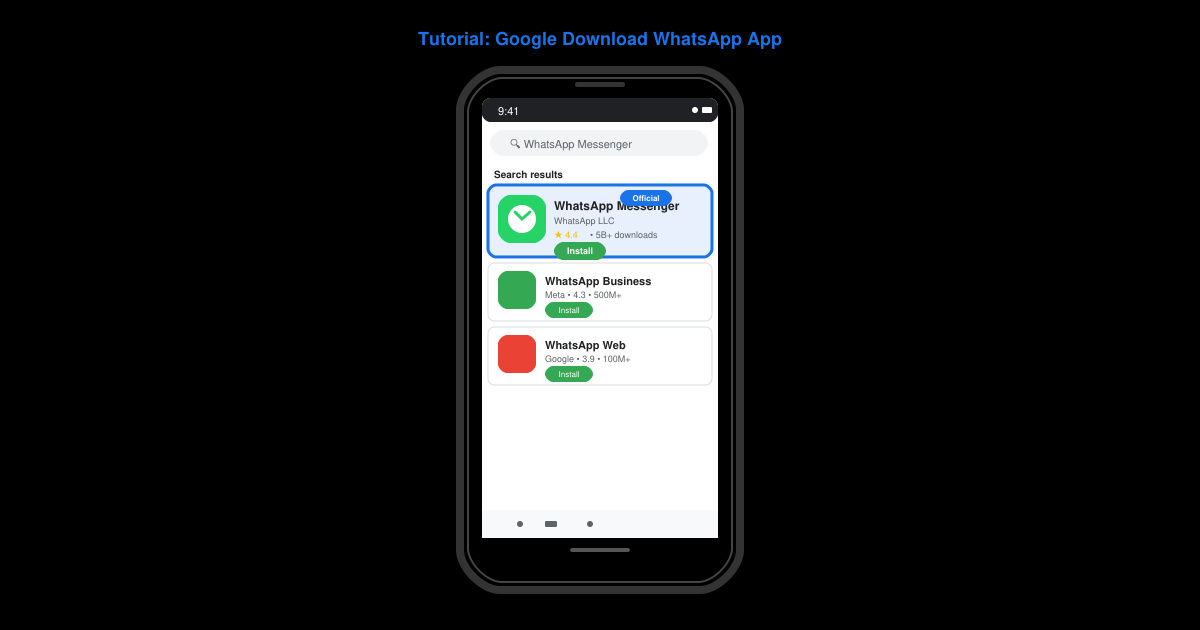
Google Download WhatsApp App safely through the Google Play Store with this clear guide. Get the official version on your Android device quickly and avoid fake downloads.
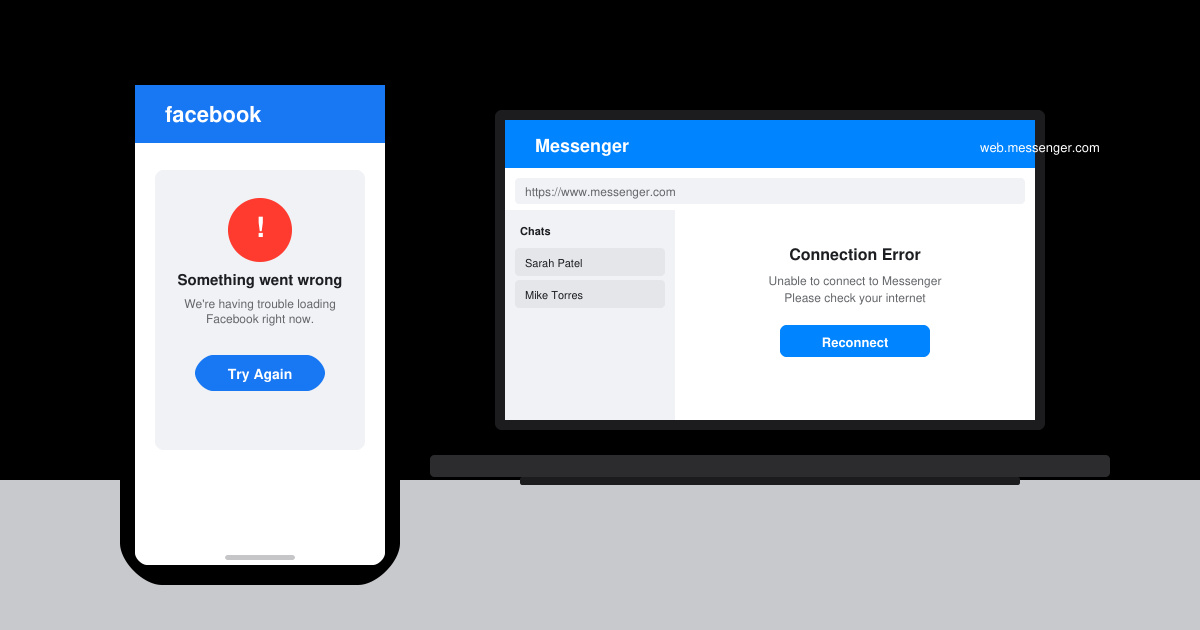
Facebook and Messenger not working can disrupt your day. Follow these targeted fixes to restore access quickly on mobile and desktop.