Podcasting Trends You Need to Know in 2026: A Beginner’s Roadmap

New to podcasting? Learn the 2026 trends shaping video, discovery, transcripts, AI, analytics, monetization, and a practical launch plan.
Every time you sign in to an untrusted device with two-factor verification turned on, you'll receive a security code in your email or on your phone to make sure you're the one signing in. If you've turned off two-step verification, you'll receive and resend security codes periodically and whenever there's a risk to the security of your account. If you don't want to use email, calls, or text messages, you can use the Microsoft Authenticator app to enhance the security of your account and sign in without a password. To enable or disable two-step verification:
Set up 2-factor verification
Proceed to sign in to your Microsoft Office account
Enter the phone number for verification and select “ Next ”
Enter the verification code sent to the phone text message and select “ Verify ”
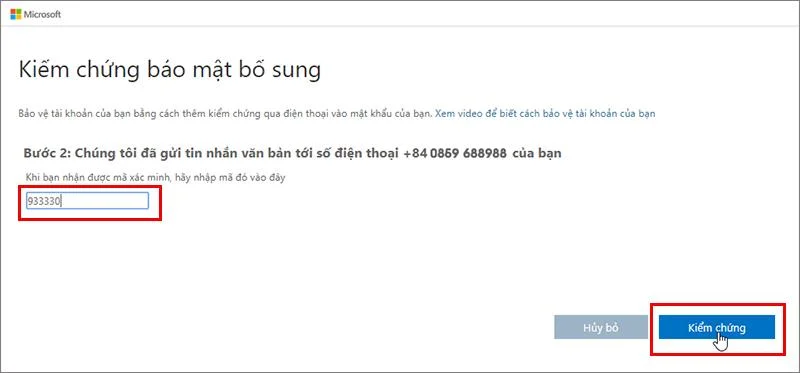
Authentication is successful, select “ Finish ”
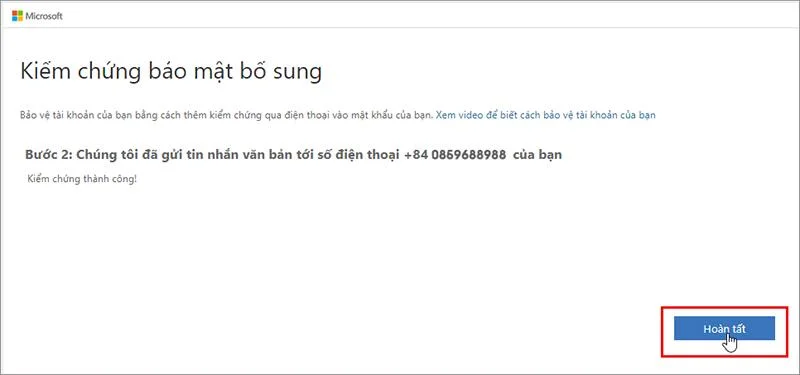
Every time we log in on a strange computer, in addition to the password, we will authenticate via an OTP message sent to the phone, we need to enter the OTP - One Time Password and select " Verify "
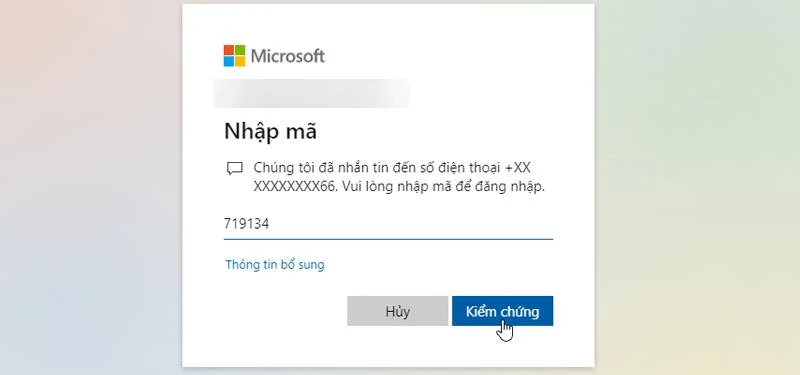
In case we regularly use Office 365 on one computer (not shared with others) we can choose “ Do not show this message again ” and confirm “ Yes ”
Turn off the "2-factor authentication" feature
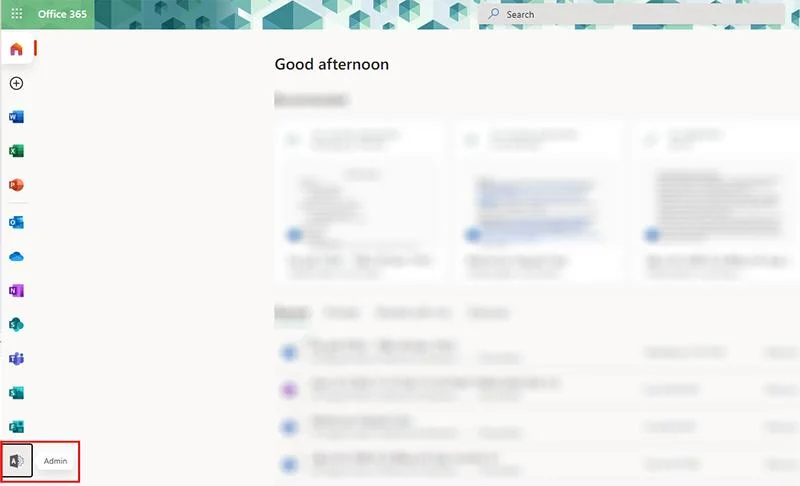
The 2-factor authentication feature brings absolute security to the organization, but it also causes a lot of trouble for ordinary users. To turn off this feature we need to log in with an Admin account and select Admin Center
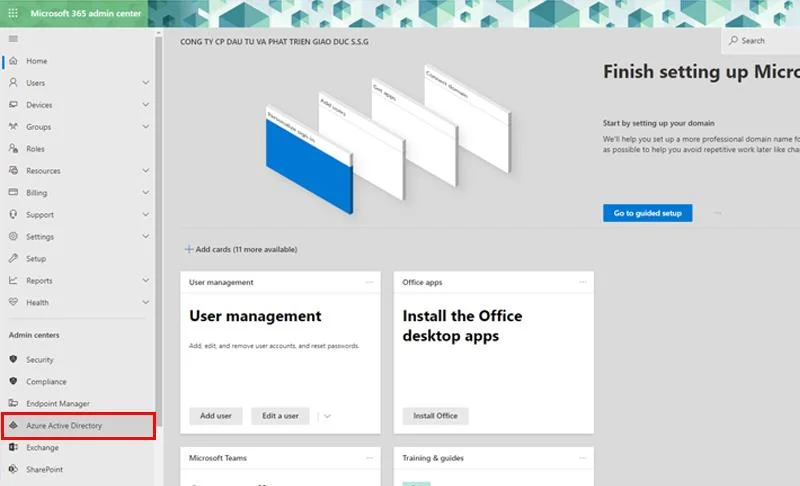
Next we choose “ Azure Active Directory ”
Continue to select Azure Active Directory >> Properties >> Manage Security Defaults

In the Enable Security defaults option box, click No
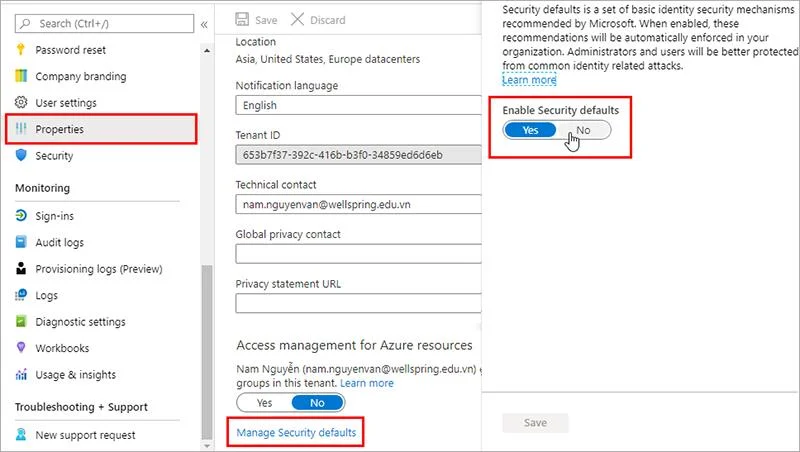
When turning off this function, we need to state the reason why it is turned off (For example, you can enter N/A) and choose " Save ".
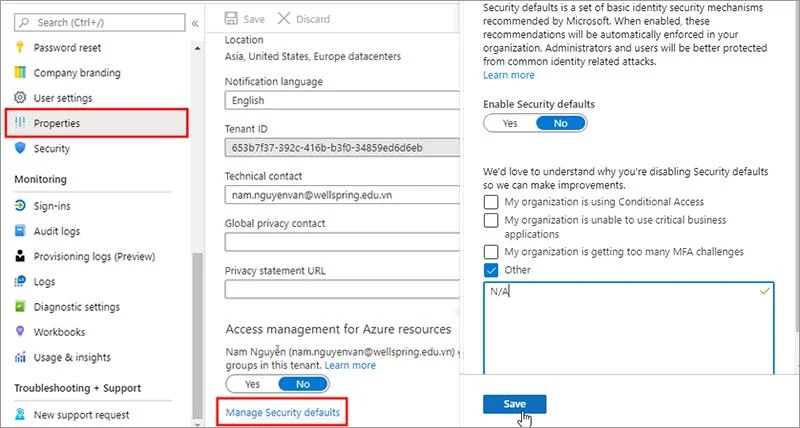
From now on, Office 365 accounts in the sign-in organization will no longer require two-factor authentication until the administrator turns it on.
New to podcasting? Learn the 2026 trends shaping video, discovery, transcripts, AI, analytics, monetization, and a practical launch plan.
A practical UGC masterclass for sourcing, permissioning, briefing, publishing, and measuring customer and creator content without losing authenticity.
Community building can deepen trust, retention, feedback, and advocacy, but it is not a replacement for every marketing channel. Compare the tradeoffs and choose the right model.
Learn what major social platforms have actually confirmed about ranking changes in 2026, what depends on context, and how to adapt without chasing myths.
Learn how to make brand storytelling feel credible, human, and specific—using proof, real tension, ethical customer stories, and a practical authenticity check.
Build a smarter Q4 email strategy by balancing reach, frequency, discounts, automation, deliverability, and measurement for profitable holiday growth.
Learn how to create short-form video that converts by balancing hooks, format, authenticity, CTA, platform fit, and testing across TikTok, Reels, and Shorts.
Why are brands testing KOCs instead of relying only on influencers? Learn what KOCs are, why social commerce favors them, common myths, and how to run a measurable pilot.
Learn a practical TikTok SEO workflow for 2026: find real search demand, match search intent, optimize each video, and measure what improves visibility.
Prepare your e-commerce store for Black Friday with a practical checklist for offers, site speed, checkout, inventory, fulfillment, analytics, security, and support.