Home
» Wiki
»
How to Add a Vintage Touch to Your Old Photos
How to Add a Vintage Touch to Your Old Photos
There’s a charm to old photos that modern digital photos often lack. Faded colors, slight grain, and unique imperfections give them a warm, nostalgic feel. With a few simple adjustments, you can recreate that vintage look with just your smartphone.
With conventional film set to ISO 200 and no ability to change the ISO mid-roll, people had to rely on flash to take photos at night. This resulted in the harsh lighting and heavy shadows often seen in older photos.
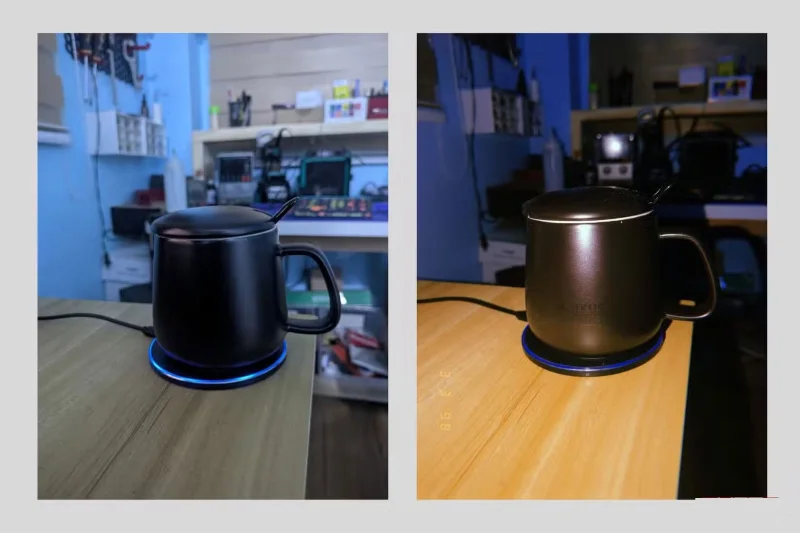
If you want to capture that classic overexposed look, try using your phone's flash on dim mode. Place your subject close to the camera for a sharp, high-contrast effect.
Use flash to take vintage photos
Tip : If you want to soften the harshness, try covering your phone's flash with a piece of thin paper to diffuse the light. This results in a strong light hitting the subject while leaving the background darker, much like a film snapshot from the 90s.
6. Shoot in 4:3 and add a Polaroid-style border
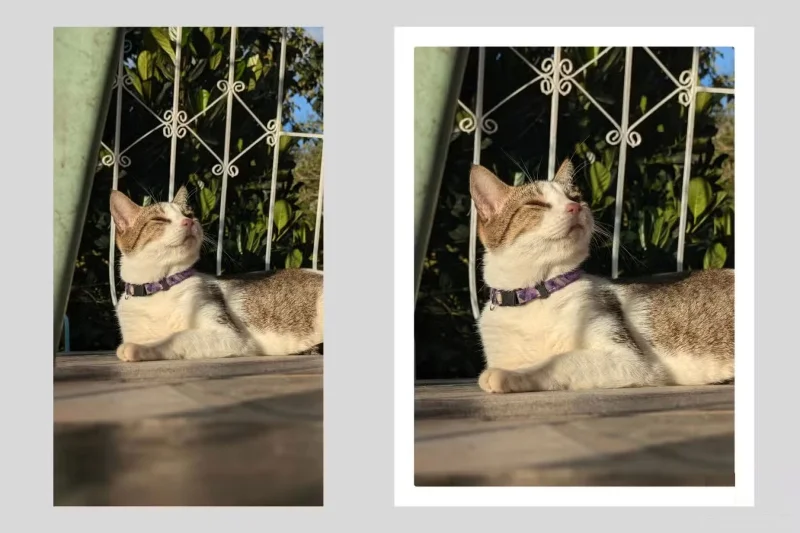
4:3 is the iconic aspect ratio commonly used in instant cameras like Polaroid. Instead of shooting in widescreen mode, switch to 4:3 in your camera settings. You can then use editing apps like Snapseed to add white borders and create that classic Polaroid feel.
Cut and add border
If you want to take the instant film aesthetic even further, try printing your photos on old glossy paper. You can also upgrade to an instant printer, such as a Fujifilm Instax or Polaroid Lab, for more convenient printing. This adds a tangible vintage feel that digital can’t replicate.
5. Adjust white balance and saturation
Different types of film used in old film cameras give different colour tones – some have a warm, yellowish cast, while others have a cooler, bluer cast. You can replicate this by adjusting the white balance and saturation in your camera settings.
If you want a filmy, hazy look, dial down the saturation and contrast a bit. Adjusting the color tone and temperature slightly can also help to match different film aesthetics. Choose cooler tones for a dreamy, cinematic look and warmer tones for a golden hour feel.
Adjust white balance and saturation for a vintage look
If you want to go beyond simple color correction, consider using film simulation presets. Apps like RNI Films simulate the color profiles of vintage film types. You can experiment with Kodak Gold for a warm, nostalgic look or Portra 400 for a softer, more muted look.
4. Simulate 35mm full-frame photography
A 35mm lens greatly elongates the subject, making the background appear farther away and not creating a bokeh effect. Older film cameras took their original images at a focal length of 35mm, creating an image closer to the field of view perceived by the human eye (43mm).
Smartphones today typically shoot at 24-28mm focal lengths (much less in selfie and ultra-wide modes). By comparison, subjects in smartphone photos appear elongated and have sharper backgrounds that appear much further away.
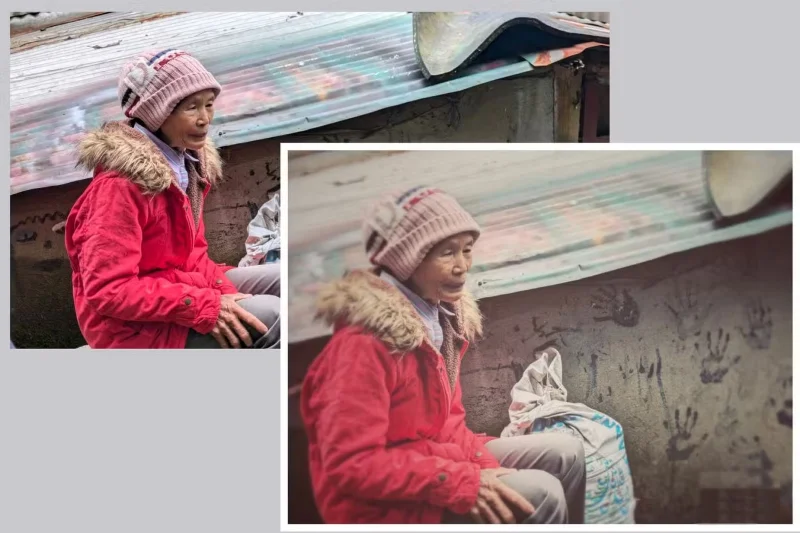
Simulate 35mm focal length with smartphone
To simulate a 35mm shot, set your smartphone camera's zoom to x1.5 or even x2, then back up until you get the frame you want. You can then go into a photo editor and add a slight blur to the background to simulate the bokeh effect from the original 35mm field of view.
3. Shoot in low light or add grain and blur effects
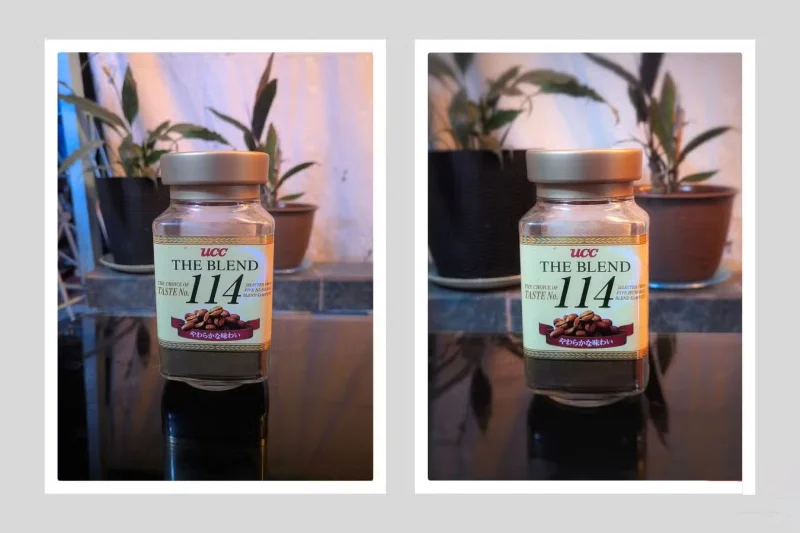
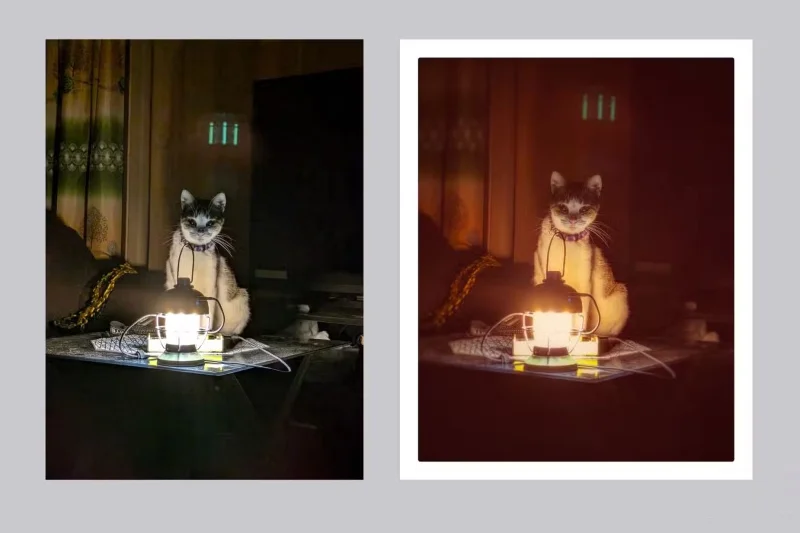
Older cameras struggle with low light conditions, resulting in grainy photos. You can recreate this effect by taking a photo in low light without artificial light sources. You can then increase the ISO to get that natural grainy effect. The darker the location, the higher the ISO you can set your phone camera to, and the more grain you’ll get.
Simulate grainy and blur effects with smartphone
For a more dramatic effect, try shooting under neon lights or candlelight. These lighting conditions highlight grain and add interesting color shifts, just like photos from the 80s and 90s. If your phone allows manual control, slowing down the shutter speed a bit can add a bit of motion blur, which adds to the nostalgic feel.
2. Simulate light rust effects and textures
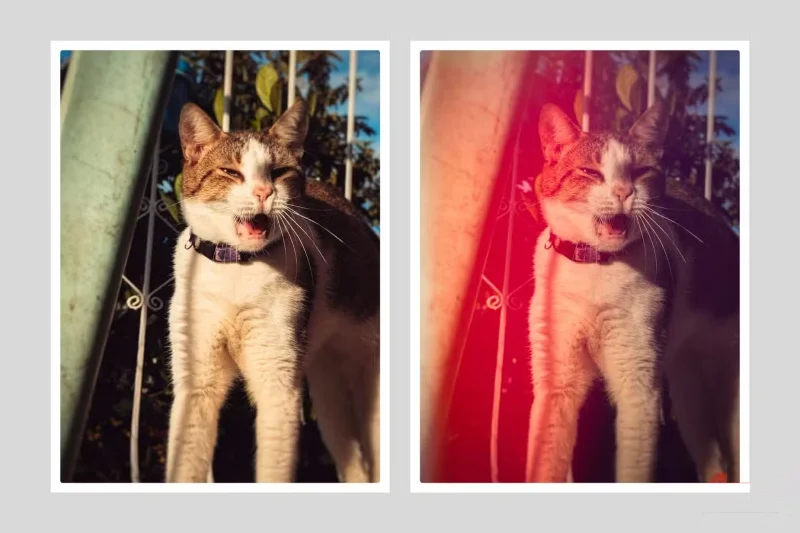
Film cameras sometimes suffer from light leaks, which create a warm, random glow in your photos. Light leaks often occur when older film cameras have small gaps in the backing that allow light to shine through onto the film. These leaks often appear as red or yellow streaks along the edges of your photos.
Add light rust and texture effects on smartphones
You can mimic this effect with apps like Afterlight, which add subtle light bleed effects. Vignette effects—where the edges of a photo are slightly darker—also add a nostalgic feel, drawing attention to the center of the photo.
Adding these effects to smartphone photos can help enhance the feel of film photography. Some apps even let you adjust the intensity and placement of these effects, making it easy to fine-tune the look.
1. Tips to make taking vintage photos easier
If you want to keep things even simpler, consider using vintage-inspired filters. Vintage photography apps like VSCO, Huji Cam, and RNI Films offer presets that mimic old film tones.
Printing photos on instant film, like the Fujifilm Instax Mini, can also add a touch of nostalgia. If you're really feeling creative, experiment with clip-on lenses like soft focus filters to recreate the unique look of old cameras.
Another trick to get an even more authentic vintage feel is to use an old smartphone. Some older phone cameras naturally produce softer, less-than-perfect images compared to modern flagship models. If you have an old iPhone or Android, try taking photos with that phone to see if it creates a more natural vintage feel.
By combining these techniques, you can give your photos a timeless feel without needing an actual film camera. The key to creating a vintage look is to embrace imperfections – soft focus, grain, color shifts, and unexpected lighting effects all contribute to the charm of vintage photography.