Home
» Today
»
How to Check a Coles, Costco, or IGA Product Recall and What to Do Next
How to Check a Coles, Costco, or IGA Product Recall and What to Do Next
If you think a product bought at Coles, Costco, or IGA may be recalled, check the live official notice and match its exact product details before deciding what to do. For food, start with Food Standards Australia New Zealand (FSANZ); for other consumer goods, search the ACCC Product Safety recall database. If a notice could match something in your home, pause use or consumption while you verify it, then follow the instructions in that notice.
Hypothetical example: Taylor sees a group-chat message saying a packaged snack sold at Costco was recalled. Taylor has a similar bag in the pantry. This example is illustrative only; it does not describe a real product or recall. The four steps below show how Taylor can check the warning without relying on a forwarded post or guessing from the package color.
1. Record the details on the package
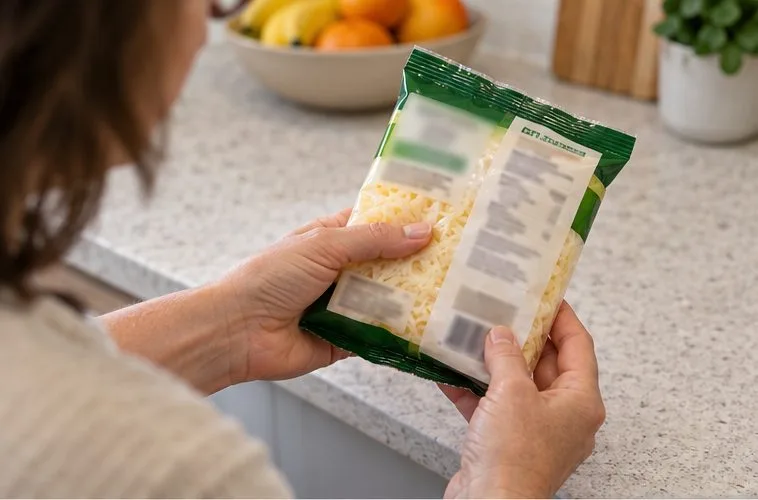
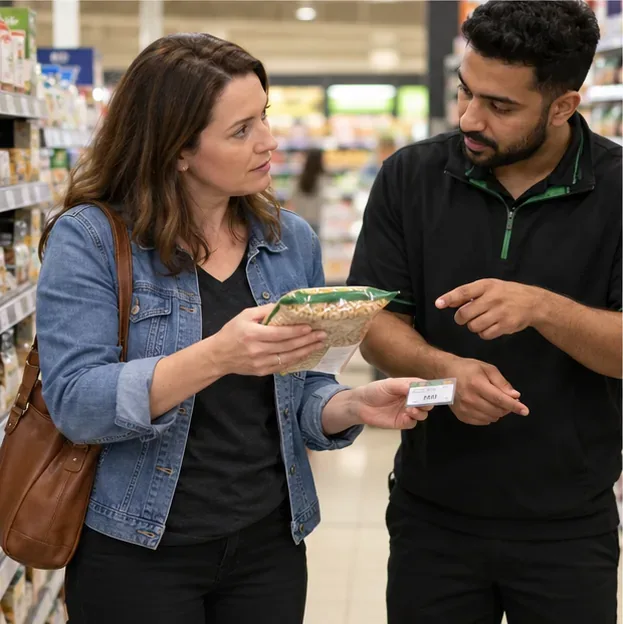
A shopper checks a package label; use the product details shown in your own official recall notice to make the match.
Before searching, note the product name, brand, size, package type, flavor or variety, and any item or model number. For food, look for the Use By or Best Before date and the batch or lot code, often printed near a seal or on the back. For a household item, record its model, serial, or item number if present. Take a clear photo of the whole package and the code if that helps you compare details.
In Taylor’s hypothetical case, “snack sold at Costco” is not enough to establish a match. A recall may apply to one size, date code, or batch while other versions remain unaffected. Keep the package closed and do not eat or use it while checking.
2. Verify the notice on an official source
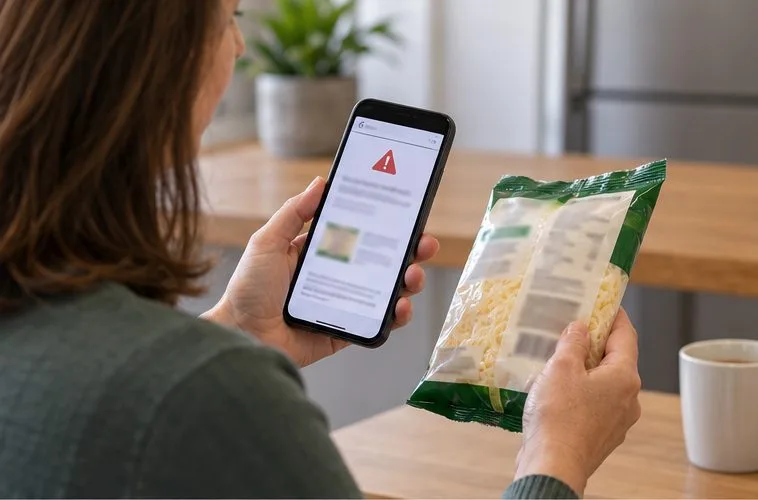
A shopper checks recall information on a phone; use the retailer or government notice rather than a social post alone.
Use the source that fits the product and its likely risk:
Coles: check Coles’ Product Recalls page for notices about food and other products sold by the retailer.
Costco Australia: check Product Recalls and Withdrawals. Costco notices may identify an item number or particular warehouse, so check those details as well as the product name.
Food sold at any of the three: search FSANZ’s Australian food recalls. A notice may name a manufacturer or distributor rather than the supermarket. Check its list of retailers, states, and online sales.
IGA stores are independently owned, and IGA directs shoppers to contact their local store. For an IGA purchase, check FSANZ for food recalls and then use the IGA contact page or store locator to reach the store where you bought it. A food recall notice may refer to “independent retailers” or list IGA’s distribution area without using the store’s name in the headline.
Taylor should search the product and brand, then open the notice and compare its exact batch, date, pack size, and sales region. A social post can alert you to a possible problem, but it may be old, incomplete, or missing the identifying codes.
3. Stop using a confirmed or possible match
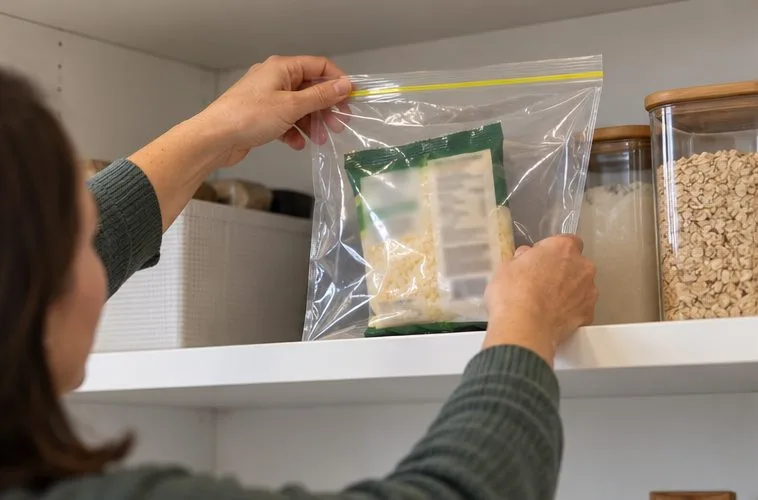
A sealed package is kept separate from other groceries while the shopper follows the recall instructions.
If the product matches the notice, follow its safety directions right away. For recalled food, do not eat or drink it, even if it looks and smells normal. Keep it sealed and separate from other food, and keep it away from children. If the package is open, leaking, or damaged, avoid touching the contents and use the contact details on the notice for safe handling or disposal advice.
For a recalled non-food product, stop using it and keep it away from other people. The ACCC advises consumers to stop using recalled consumer goods and contact the supplier for the stated repair, replacement, or refund. Do not dismantle, mail, recycle, or throw away a potentially hazardous item until the notice or supplier explains how to handle it.
If Taylor’s snack matches the batch and date in the notice, Taylor should not eat it. If only the brand matches but the date or batch differs, Taylor should not assume the package is affected; check all listed details or ask the company using the contact information in the notice.
4. Follow the return, refund, or disposal instructions
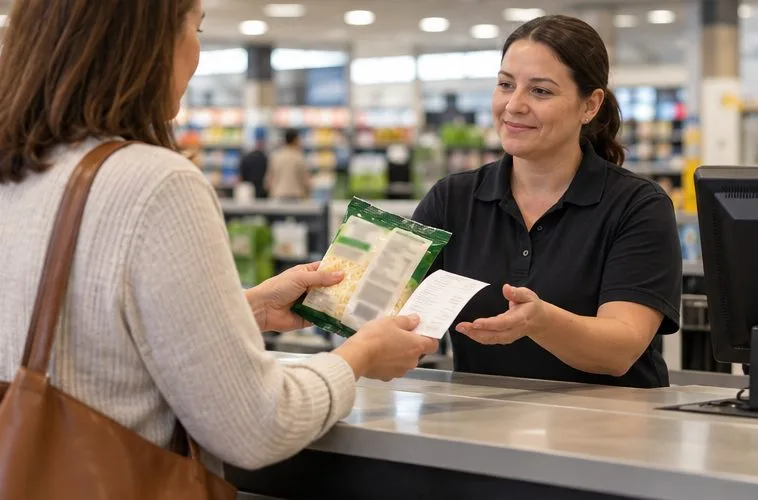
A shopper asks a store employee for help returning a package covered by a recall notice.
Read the notice’s “What to do” section. Many food recalls say to return the product to the place of purchase for a full refund or to dispose of it; follow the specific directions for that recall. If you return it, bring the package and receipt or online order details if available, and call the store first if the notice gives special instructions. Do not delay following a safety instruction just because you cannot find a receipt.
For a non-food item, the supplier’s notice may offer a repair, replacement, or refund. Unsafe products can also involve consumer-guarantee rights under Australian Consumer Law. Contact the seller first if the remedy is unclear. If an individual consumer problem remains unresolved, your state or territory consumer protection agency can explain options; the ACCC accepts reports but says it does not resolve individual complaints.
If someone has already eaten or used it
For food, FSANZ advises people who have consumed a recalled item and feel unwell to seek early medical attention and tell the clinician which product was involved. If symptoms are severe or urgent, call 000 in Australia. If there are no symptoms, read the notice for any product-specific advice and contact the company or a health professional if you are concerned. Do not wait for a social-media thread to confirm a health risk.
For a non-food product that caused an injury, stop using it, keep any remaining item away from others, and seek appropriate medical care. You can also report an unsafe consumer product through the ACCC’s product safety site. Keep photos, receipts, batch or model details, and copies of messages with the seller; they can make follow-up easier.
Quick check before you act
Is the product name, brand, size, and type an exact match?
Do the batch or model code, date marking, and sales location match?
Did you use a current retailer or government notice?
Have you stopped use or consumption and followed the stated remedy?
Recall pages change as new information arrives. Recheck the live notice before traveling to a store or disposing of an item, and use the contact details published by the retailer, supplier, or government agency.