Desk Decorating Ideas for a Spooky Office Cubicle
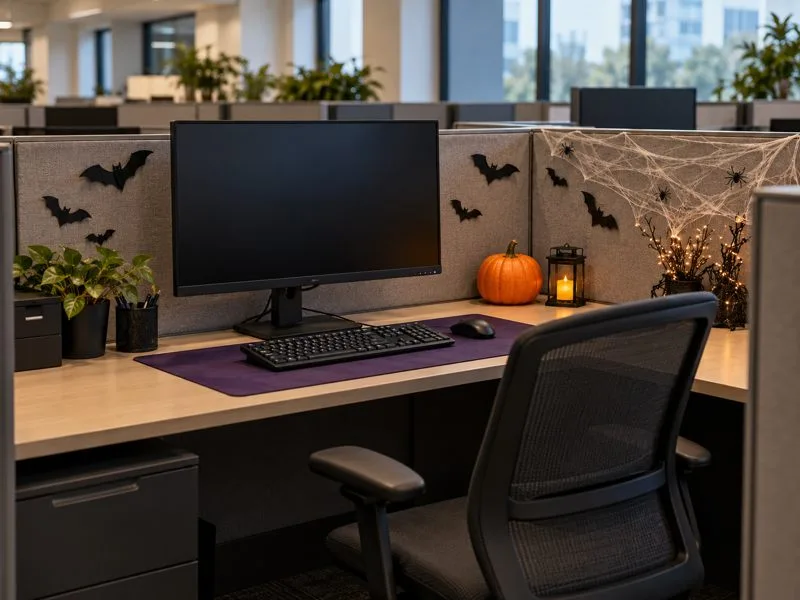
Create a spooky office cubicle with Halloween desk decor ideas that keep your workspace usable, tidy, and mindful of workplace safety.
A family tree is a chart of ranks and ranks among family members. You can manually create your own family tree in PowerPoint using one of Microsoft's hierarchical SmartArt graphic styles . Here's how to create a family tree in PowerPoint .
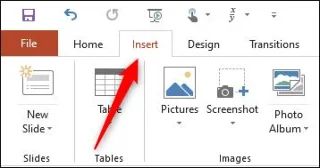
To get started, open PowerPoint and navigate to the Insert tab .
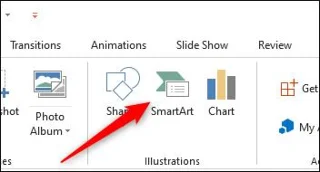
In the Illustrations group > click SmartArt .
The Choose a SmartArt Graphic window will appear. In the left hand panel, click the Hierarchy tab .
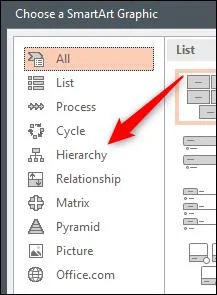
You should now see a small collection of hierarchical SmartArt graphics. For standard family trees, the “ Organizational Chart ” option is ideal. However, you can choose the SmartArt graphic that works best for you.
Select the chart you want to use by clicking on it.
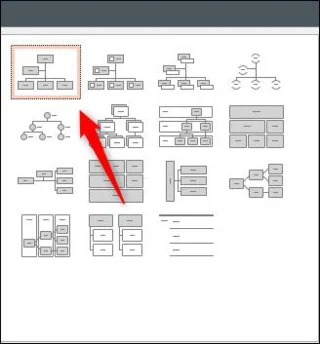
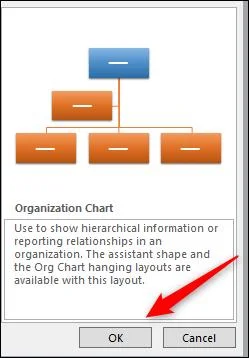
Once selected, a chart preview and description will appear in the right-hand panel. Click OK to insert the chart.
With the chart added to the presentation, you can start typing the names of family members in the respective boxes. Do this by clicking on the box and entering their name. This text will resize itself to automatically fit the boxes.
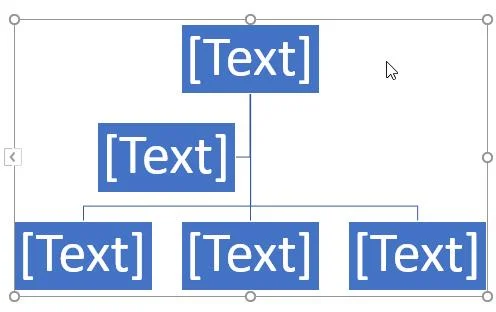
You can delete a text box you don't need by clicking on the box to select it, and then pressing the Delete key on your keyboard.
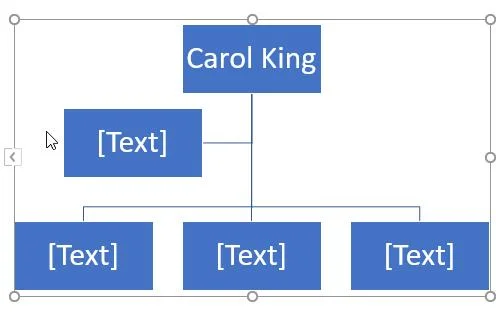
You can also add boxes below or above a certain position. To do this, highlight the box by clicking on it.
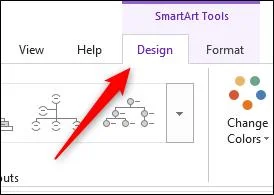
Next, click the Design tab in the SmartArt Tools group .
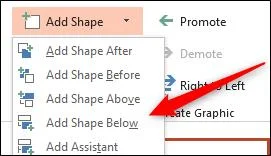
In the Create Graphic group , click the arrow next to the Add Shape option .
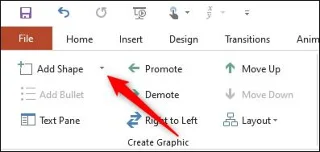
A menu will appear. The option you choose in the menu will depend on where you want to place the box relative to the currently selected box. Here's what each option means:
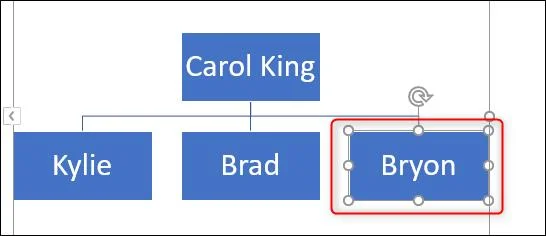
In this example, assuming the fictional character Bryon has a child, we will use the Add Shape Below option .
A box will appear below the selected box.
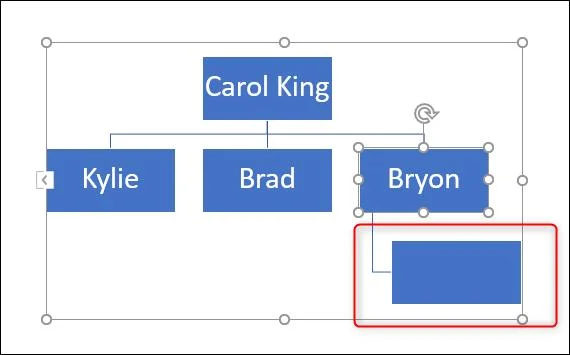
Once that box is set, enter the name of the respective family member. Repeat these steps until the family tree is complete.
You can also tweak the design or change the chart. Click that chart to select it, and then click the Design tab . In the SmartArt Styles group , you'll see a bunch of different styles to choose from, along with color-changing options.
Click Change Colors to bring up a drop-down menu, then choose the color you like best.
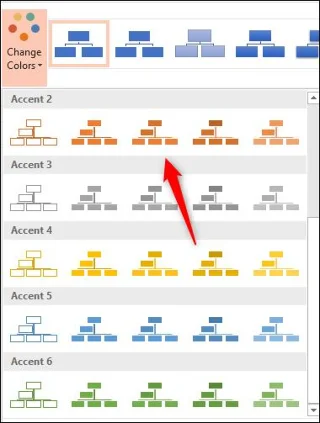
Next, select the style you want from the list in the SmartArt Styles group . We will use the Inset option .
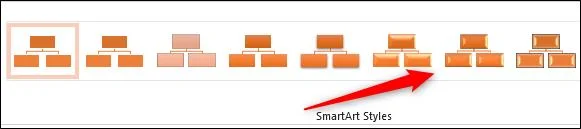
A family pedigree chart with the color and style of your choice in Microsoft PowerPoint looks like this:
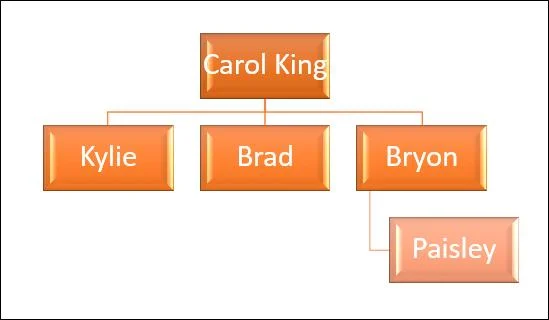
Above is how to draw a simple family genealogy diagram using PowerPoint . Hope the article is useful to you.
Create a spooky office cubicle with Halloween desk decor ideas that keep your workspace usable, tidy, and mindful of workplace safety.
Plan a recognizable Halloween 2026 look with pop culture costumes inspired by Spider-Man, Supergirl, Toy Story 5, Moana, Mario, and Wednesday.
Sort leftover Halloween candy safely, share or repurpose sealed treats, and choose food use or compost for pumpkins based on their condition.
Compare workplace Halloween costume choices by respect, dress code, mobility, and safety—and learn when a subtle accessory or a policy check is the better option.
Find a couples costume that fits your style, budget, and comfort level, from Addams Family classics to original inside-joke duos.
Need a last-minute high school Halloween costume? Compare 10 easy closet-based ideas by prep time, comfort, school-day practicality, and simple safety checks.
Use a simple 2026 Halloween decorating timeline for indoor décor, outdoor displays, and fresh pumpkins, with practical adjustments for weather and events.
Mix five vivid, approachable Halloween cocktails with measured recipes, simple prep tips, and an alcohol-free option for your party guests.
Find 15 office-friendly Halloween costume ideas for 2026, with practical checks for dress codes, respectful themes, comfort, and workplace safety.
Plan a fun elementary school Halloween party with easy crafts, games, inclusive treats, costume tips, and a sample 75-minute classroom schedule.