Get Element Android Notifications Without Google Services
Set up Element Android with UnifiedPush and ntfy, then check the self-hosted Matrix gateway and Android background settings when alerts fail.
You may have a key on your Windows keyboard that you never use, but sometimes you still press it by mistake. Or maybe the key is stuck and no longer works. An easy way to fix such key problems is to disable that particular key completely. Don’t worry, though, because it won’t be permanent. You can always re-enable it whenever you need it.
Below, the article will present the simplest methods to disable any specific key. Let's find out right after this!
1. Using KeyTweak application
KeyTweak is a free tool that allows you to disable any specific key on your Windows keyboard. All you have to do is select a specific key and then proceed to disable it. Follow the steps below to get started:
Step 1 : Download and launch KeyTweak.
Step 2 : Select the key you want to disable.
Step 3 : In the Keyboard Controls section , select Disable Key.
Step 4 : Click Apply.
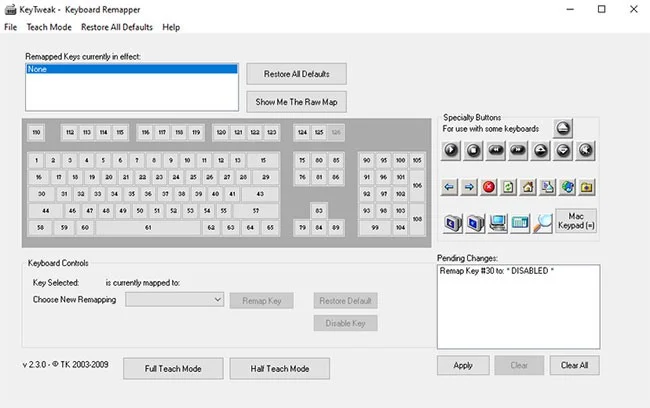
You will then be asked to restart your PC for the changes to take effect. And thus, the key you selected will be disabled after the restart.
Re-enable disabled key
However, if you later decide you want to re-enable all the disabled keys, all you have to do is open the application again and click Restore All Defaults . A quick reboot afterwards and your keyboard keys will be back to working.
2. Using AutoHotkey
AutoHotkey is a free scripting language used to automate repetitive tasks on Windows 10. You can also use it to disable a specific key in Windows.
First, let's take a look at the list of supported keys from the official AutoHotkey website:
https://www.autohotkey.com/docs/KeyList.htmIf the key you want to disable is supported, download AutoHotkey and follow the steps below:
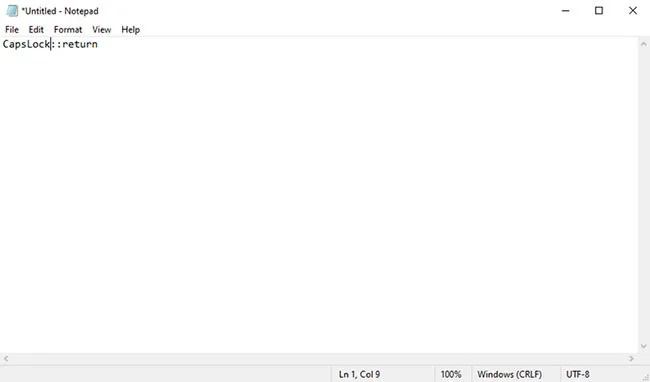
Step 1 : Open any text editor and type the key reference name followed by ::return . You will find the reference name from the above link. Here, for simplicity, the article will disable the Caps Lock key.
Step 2 : Save this script (using the .ahk extension) in a safe location where you can easily find it.
Step 3 : Double click on this newly created script.
This will launch the AutoHotKey script and that particular key will be disabled.
If you need to use this key again in the future, you will just have to stop the AutoHotkey script and the settings will return to normal. To do this, right-click on the H icon on your taskbar and select Suspend Hotkeys.
Good luck!
See more articles below:
Set up Element Android with UnifiedPush and ntfy, then check the self-hosted Matrix gateway and Android background settings when alerts fail.
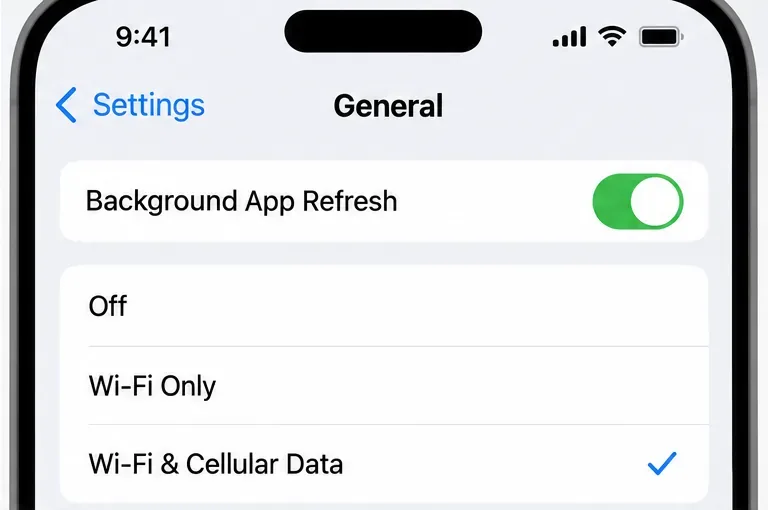
Restore background photo detection by checking Nextcloud upload settings, iOS permissions, battery mode, and the limits of iPhone background scheduling.
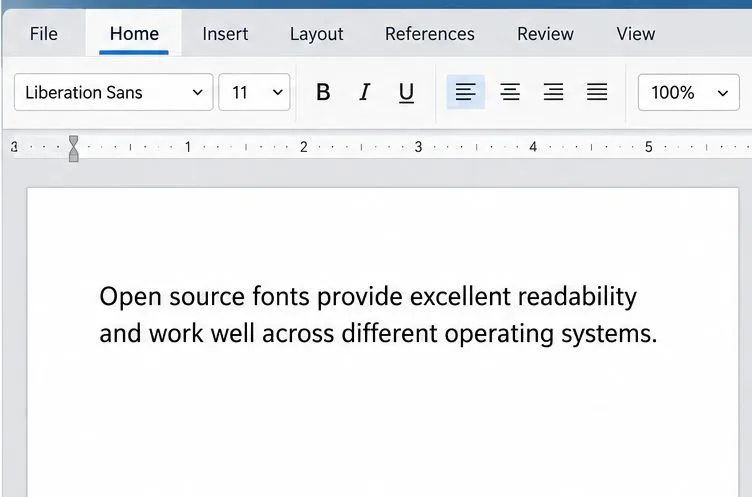
Compare ONLYOFFICE font hinting modes, check zoom and Linux font availability, and verify whether blur is limited to the editor or affects the whole desktop.
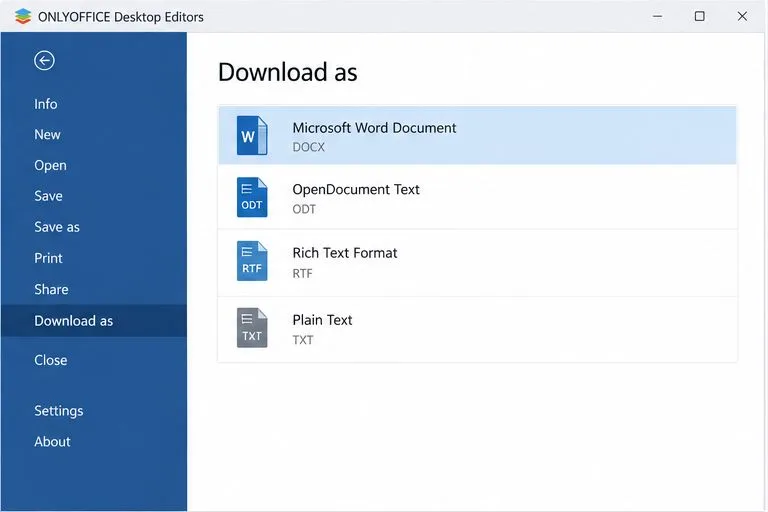
Convert a PDF locally in ONLYOFFICE Desktop Editors, then review the DOCX for layout changes, scanned pages, and text that needs correction.
Add your ownCloud account to ONLYOFFICE Desktop Editors, understand what the connection enables, and choose between direct access, sync, and browser editing.
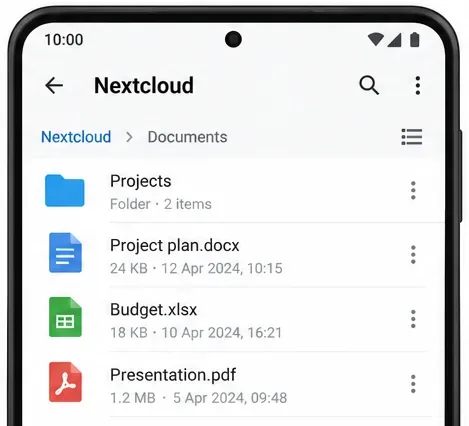
Use the right portal or WebDAV address, test HTTPS reachability from your phone, and distinguish private-network, TLS, and login problems.
Build and test a custom ONLYOFFICE Desktop Editors plugin, install its .plugin archive, and activate developer tools for debugging.
Make a Python function available in Calc, run it against the open spreadsheet, and troubleshoot missing macros or imports without mixing up LibreOffice and system Python.
Lock a specific passage against routine edits while keeping the rest of a Writer document usable, and learn when file encryption is the better choice.
Fix hard-to-see spreadsheet text by checking the theme, cell font color, fills, and conditional formatting in Calc.