Set Arabic and Hebrew Paragraphs to Right-to-Left in Writer
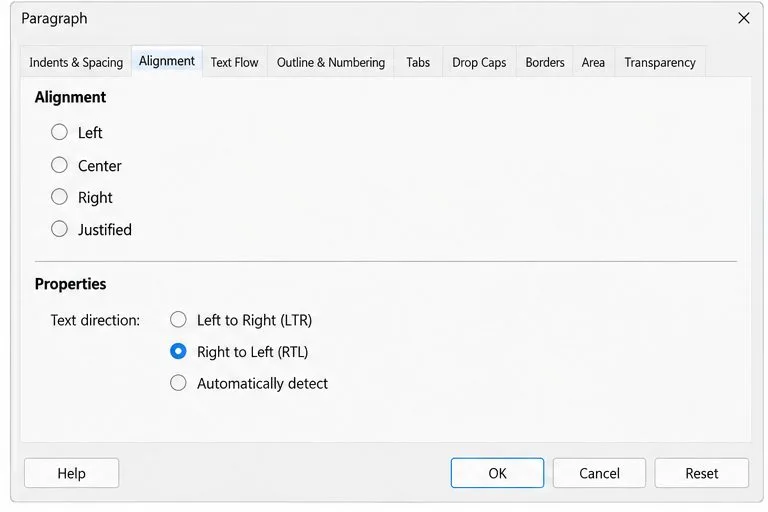
Enable Writer’s bidirectional controls, set RTL paragraph flow, and check mixed Arabic or Hebrew text without disrupting English words and numbers.
Are you tired of your Windows 11 PC wasting precious storage space on hibernation files? Or perhaps you're dealing with unexpected shutdowns that leave your system sluggish? Disabling hibernate in Windows 11 using Group Policy (GPO) is a game-changer for power users and IT admins alike. This method ensures a clean, efficient setup without the bloat of the hiberfil.sys file, which can gobble up gigabytes equal to your RAM. In this guide, we'll dive straight into the how-to, empowering you to take control of your system's power settings. Let's get your Windows 11 running smoother than ever! 🚀
Before we jump into the steps, let's quickly unpack why turning off hibernate matters. Hibernate mode saves your session to the hard drive and powers off completely, which is great for laptops on the go. But in Windows 11, it often creates more hassle than help—especially on desktops or SSD-equipped machines where resume times are lightning-fast anyway.
If you're nodding along, you're in the right place. This GPO approach is more robust than Command Prompt tweaks, as it survives updates and applies system-wide policies. Ready to proceed? Follow these steps carefully for a seamless experience.
To use Group Policy in Windows 11, your edition must support it—Home users, this means upgrading to Pro, Enterprise, or Education (a quick settings check will confirm). No admin rights? You'll need them to edit policies. Also, back up your system just in case—better safe than sorry! 👍
| Requirement | Details |
|---|---|
| Windows Edition | Pro, Enterprise, or Education (not Home) |
| Admin Access | Run as administrator |
| Tools Needed | Built-in Group Policy Editor (gpedit.msc) |
| Backup | Recommended: Use Windows Backup or File History |
Got everything? Great! Let's roll up our sleeves and disable hibernate the pro way.
We'll use the Local Group Policy Editor to configure power options. This method is straightforward, secure, and reversible. Follow along, and you'll have it done in under 5 minutes. Numbered steps make it foolproof—let's go!
gpedit.msc, and hit Enter. If prompted, confirm with admin rights. The editor window pops up—your control center for GPO tweaks. ✨
gpupdate /force to push changes immediately. Restart your PC to test—your system should now skip hibernate entirely.Voila! You've successfully disabled hibernate in Windows 11 using Group Policy. Feel that fresh performance boost? If issues arise, like policies not applying, ensure you're on the latest Windows 11 build via Settings > Update & Security.
Want to go further? For domain environments, apply this via Active Directory GPOs for fleet-wide control. Pro tip: Combine with sleep settings to set aggressive timeouts—your PC stays responsive without draining power.
powercfg /hibernate on in admin CMD.For deeper dives, check Microsoft's official docs on power settings—they're gold for Windows 11 customization.
Disabling hibernate via Group Policy isn't just a tweak—it's a step toward a leaner, faster Windows 11. You've reclaimed space, sharpened performance, and gained admin-level control. Whether for work or play, this simple GPO magic keeps things humming. Experiment with these settings, and if you hit snags, drop a comment below—we're all in this tech journey together. What's next for your PC optimization? Stay tuned for more guides! 👏
Enable Writer’s bidirectional controls, set RTL paragraph flow, and check mixed Arabic or Hebrew text without disrupting English words and numbers.
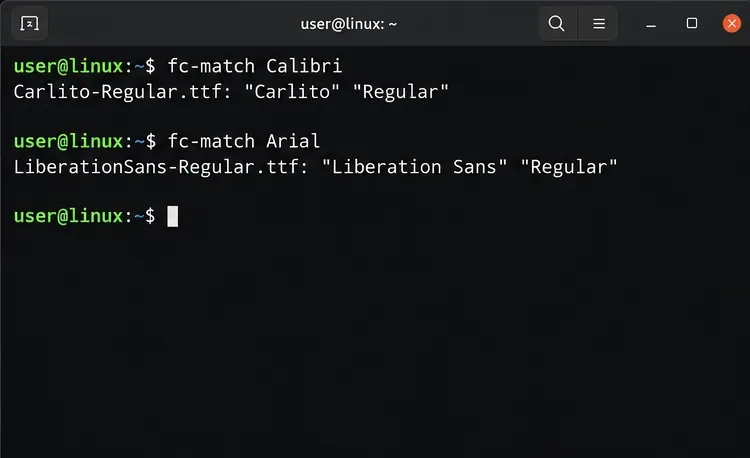
Install metric-compatible Linux fonts or map LibreOffice fallbacks, while keeping Microsoft font licensing and layout differences in view.
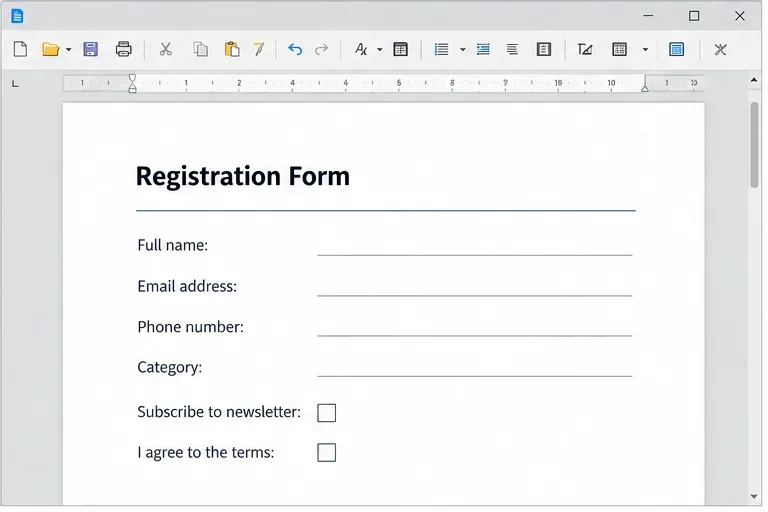
Add usable text fields, check boxes, and drop-downs in Writer, then export a PDF recipients can complete and save.
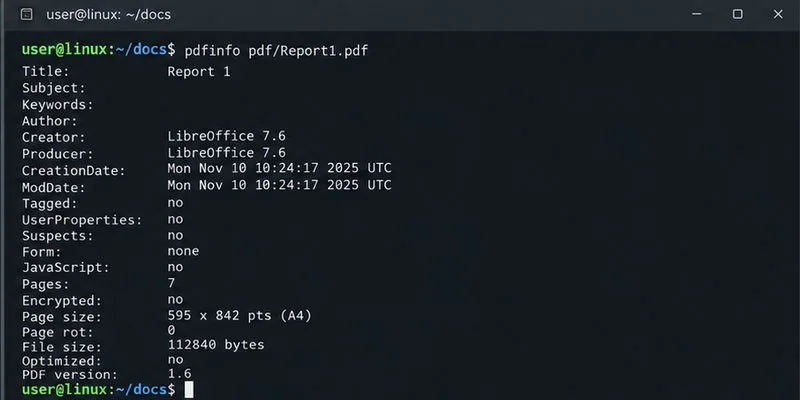
Fix missing or substituted fonts in LibreOffice Writer PDFs, choose the right export profile, and verify which fonts are embedded before sharing.
Convert a folder of Word documents to PDF with LibreOffice commands, handle nested folders safely, and verify the output before sharing.
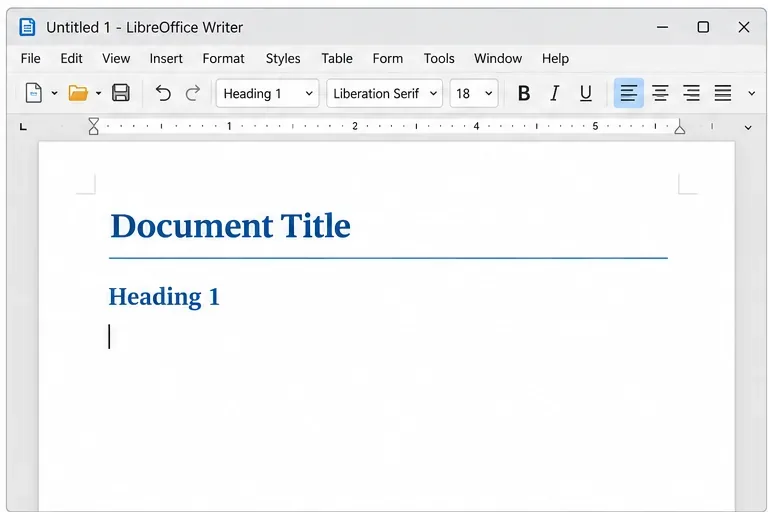
Set a custom LibreOffice Writer template as the default so new documents open with your preferred styles and page layout.
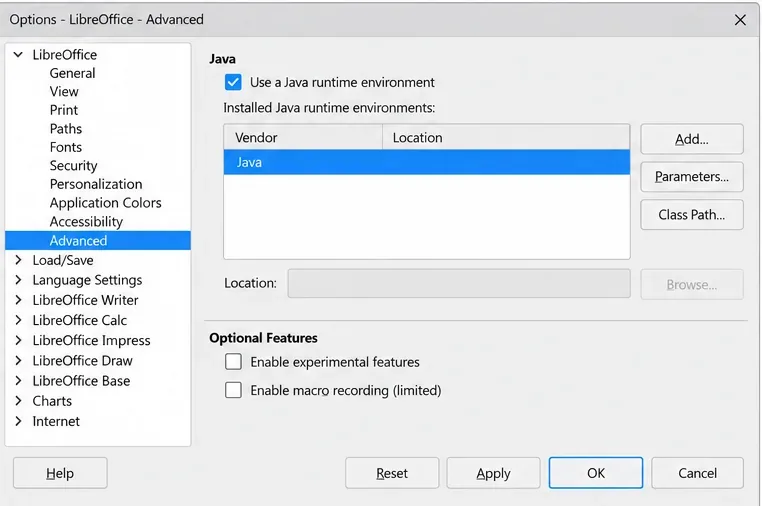
Install a compatible Java runtime, enable it in LibreOffice, and troubleshoot an empty JRE list without changing unrelated settings.
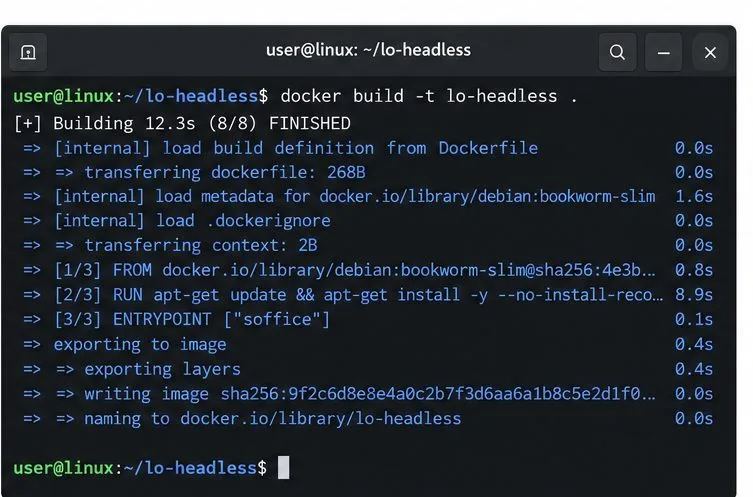
Build a small LibreOffice container, convert office documents without a GUI, and verify PDF output while limiting host-file access.
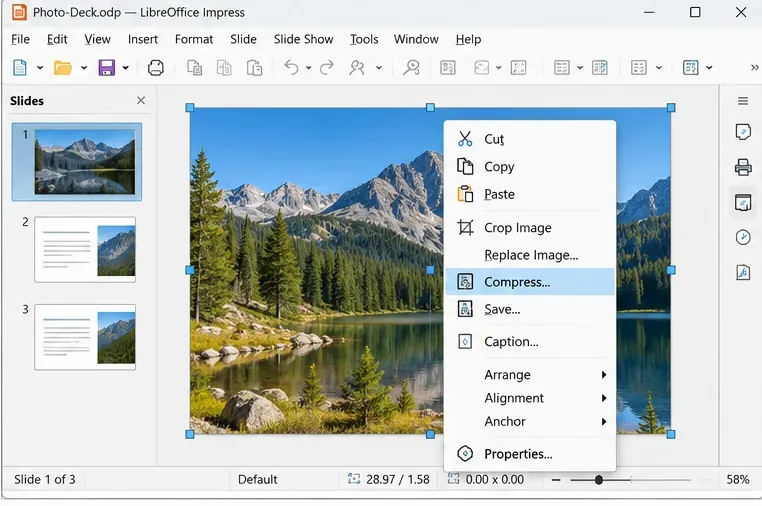
Reduce oversized LibreOffice presentation files by compressing embedded photos, choosing sensible image settings, and checking slide quality before sharing.
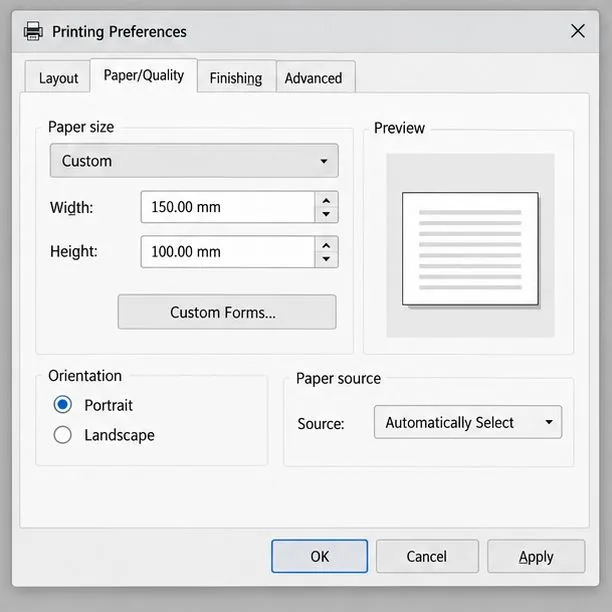
Match LibreOffice’s page dimensions to your printer, check printable margins, and correct scaling before printing a custom-size document.