Deploy Shared Pardus Wallpapers and Policies with Lider Ahenk
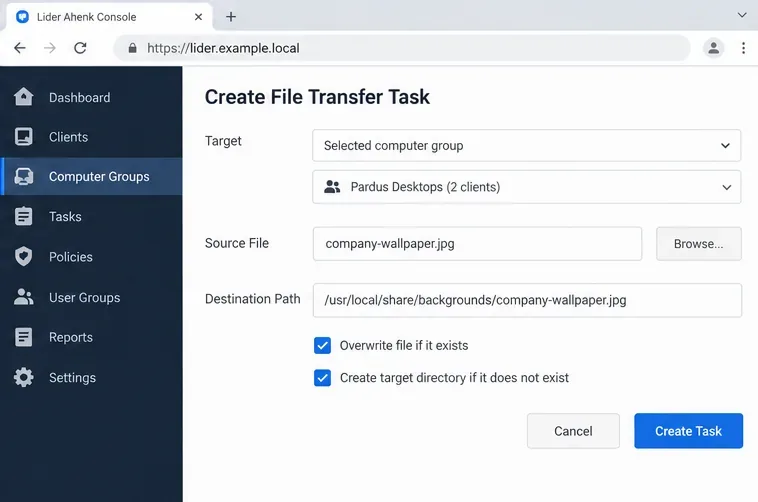
Distribute a custom wallpaper to Pardus clients, configure Xfce or GNOME desktops, and apply Lider Ahenk user policies with safe pilot checks.
Imagine powering down your Windows 11 PC at the end of a long day, only to find it draining battery life overnight or slowing down your boot times. Hibernate is a built-in power-saving feature designed to help, but is it always the best choice? In this guide, we'll break down should you disable Hibernate on Windows 11, weighing the pros and cons to help you decide what's right for your setup. Whether you're a laptop user chasing longer battery life or a desktop enthusiast prioritizing speed, stick around—we've got actionable insights to keep your system running smoothly. 😊
Before diving into the debate, let's clarify what Hibernate does. Unlike simple sleep mode, which keeps your RAM powered, Hibernate saves your current session—open apps, files, and all—to your hard drive (in a file called hiberfil.sys) and then fully shuts down the PC. When you restart, Windows reloads everything from that file, making it feel like you never left off.
In Windows 11, Hibernate is enabled by default on laptops and tablets but can be toggled in power settings. It's especially useful for conserving energy without losing work. But as with any feature, it's not one-size-fits-all. Now, let's explore the pros and cons of disabling Hibernate on Windows 11 to see if it's time to turn it off.
Turning off Hibernate can feel liberating, especially if you're tired of hidden storage hogs or sluggish startups. Here are the key advantages that might convince you to disable Hibernate on Windows 11:
These perks shine brightest for power users or those with ample RAM who prefer a clean slate each time. But what about the downsides? Let's not rush—keeping Hibernate has its merits too.
Disabling Hibernate isn't without trade-offs. If convenience is king for you, here's why you might want to keep it enabled:
| Con | Impact | Who It Affects Most |
|---|---|---|
| Losing Quick Resume | Your session vanishes on full shutdowns, forcing you to reopen everything manually. No more instant access to yesterday's work. | Multitaskers and professionals with long sessions. |
| Higher Power Use in Sleep | Sleep mode (without Hibernate) keeps RAM active, sipping battery—up to 1-2% per hour on laptops. Hibernate cuts this to zero by powering off completely. | Laptop users away from outlets for hours. |
| Risk of Data Loss | Without Hibernate, sudden power cuts during sleep could lose unsaved work. Hibernate safeguards your state on disk. | Those in unstable power environments. |
| Slower Initial Setup | First boot after disabling might feel slower as Windows optimizes without the Hibernate cache, though this evens out quickly. | New Windows 11 users tweaking settings. |
As you can see, the pros and cons of Hibernate on Windows 11 boil down to your habits. If you're often on the go with a laptop, Hibernate's energy efficiency could be a lifesaver. But for stationary setups, the storage and speed gains from disabling it are hard to ignore. Intrigued? Let's move to how you can make the switch safely.
Ready to experiment? Disabling Hibernate is straightforward and reversible. Follow these steps—no restarts required until the end:
powercfg -h off and hit Enter. This deletes the hiberfil.sys file and disables Hibernate instantly.powercfg -h on in admin mode. Windows recreates the file automatically.That's it! Monitor your system's behavior for a day or two. If boot times improve or storage frees up, you've made a winning choice. For more on Windows 11 power settings, check Microsoft's official guide: Power Modes in Windows.
Not everyone needs to disable Hibernate on Windows 11. It's a gem for:
Recent Windows 11 updates have even optimized Hibernate for hybrid sleep, blending it with fast startup for better balance. Test it yourself—your workflow might thank you.
If disabling Hibernate doesn't fit, consider these tweaks to enhance your experience:
Experimenting with these can unlock even more efficiency. For deeper dives, Microsoft's docs on Windows Power States are gold.
So, should you disable Hibernate on Windows 11? It depends on your needs—disable for speed and space if you're a desktop die-hard, or keep it for portable peace of mind. We've covered the pros and cons, from reclaiming gigabytes to preserving sessions, all to empower your choice. Whichever path you take, your Windows 11 setup will run smoother. Got questions or tweaks that worked for you? Drop a comment below—we'd love to hear! 👇
Stay powered up and productive. Your ideal config is just a setting away.
Distribute a custom wallpaper to Pardus clients, configure Xfce or GNOME desktops, and apply Lider Ahenk user policies with safe pilot checks.
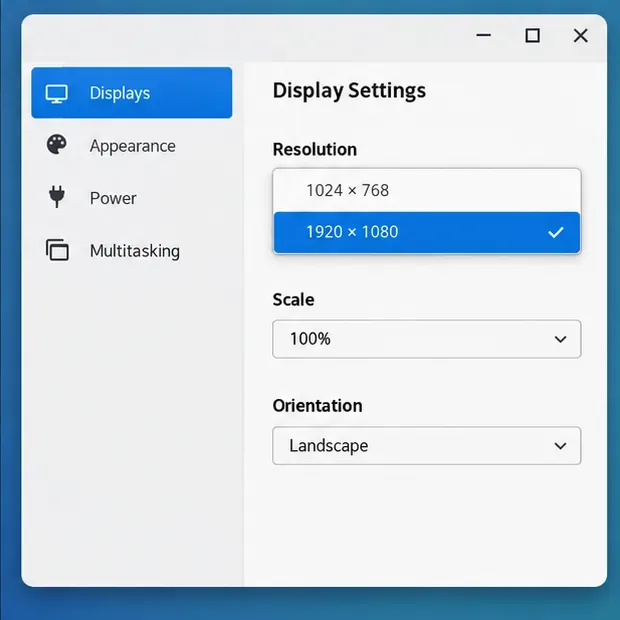
Fix a 1024 × 768 ceiling by checking SPICE, virtual video, the guest channel, and spice-vdagent—with safe checks when Pardus lacks a package candidate.
Set up the Lider server, configure its installer safely, register Ahenk endpoints, and verify a pilot before expanding central management.
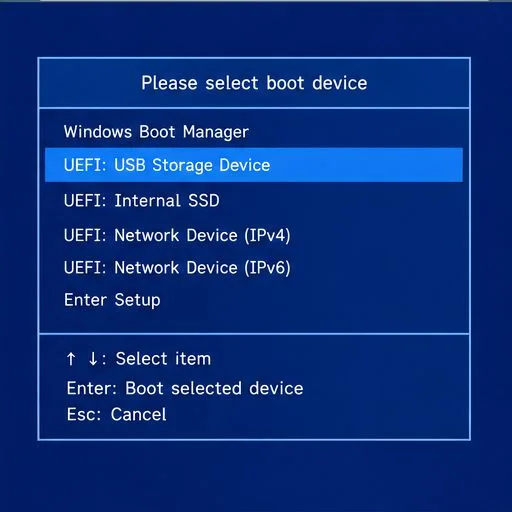
Download the official Pardus 23 desktop ISO, write it safely with Rufus, and boot a Windows PC into a temporary Live session.
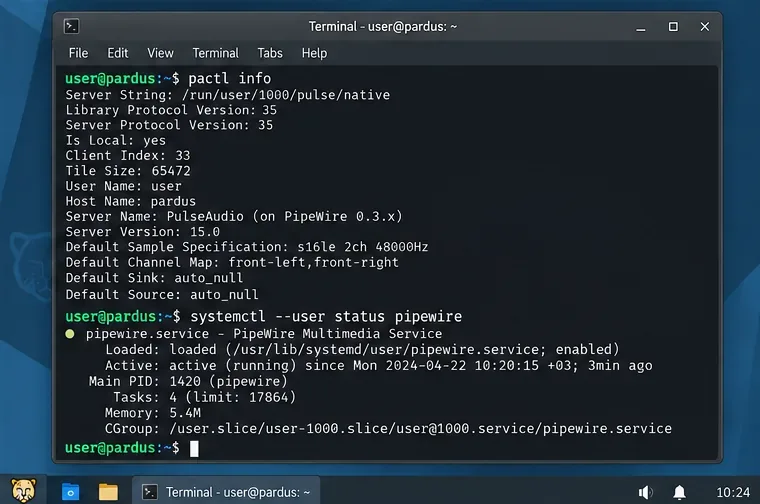
Find out why Pardus 23 cannot detect your sound card, then use targeted ALSA, firmware, and PipeWire or PulseAudio checks to restore playback.
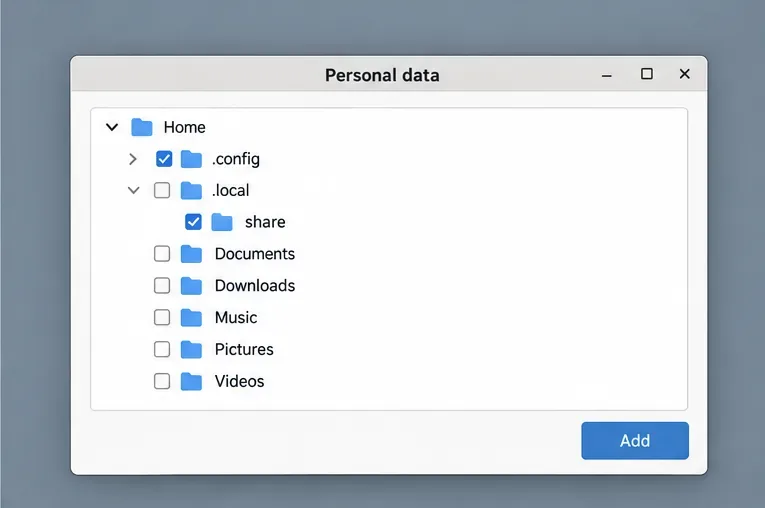
Save HamoniKR preferences to external storage, include hidden home folders, and choose a safe restore mode when moving to a fresh installation.
Install and configure xrdp on Pardus, choose the right Xfce session, restrict network access, and verify that remote login works.
Diagnose Pardus 23 APT connection failures, confirm the official yirmiuc sources, and restore apt update without bypassing package signature checks.
Configure printers on Harmonica OS using CUPS, compare driverless IPP with legacy drivers, and verify USB or network printing with a test page.
Use a recovery shell to set a new Harmonica OS root password, with checks for encrypted disks, read-only filesystems, and accounts that use sudo.