Pop Culture Costume Ideas That Will Dominate Halloween 2026

Plan a recognizable Halloween 2026 look with pop culture costumes inspired by Spider-Man, Supergirl, Toy Story 5, Moana, Mario, and Wednesday.
Windows Security monitors files added to your PC, especially those from the Internet . If a file looks harmful, you'll see a warning that says "These files might be harmful to your computer." While you can ignore this warning, frequent prompts can get annoying. Luckily, you can easily turn them off.
Why does Windows display the warning "These files might be harmful to your computer"?
You might see this warning when transferring files from another computer on your home network or moving files between drives on the same PC.
This may not be an issue if you occasionally deal with a few files. However, if you are trying to move tons of files from one drive to another, accepting the warning for all of them can become annoying.
The fix depends on the situation. For network drives, adding your DNS address to the Intranet Zone may disable the warning. For local drive transfers, you will need to try different solutions to see which one works best.
Add IP address to Intranet Zone
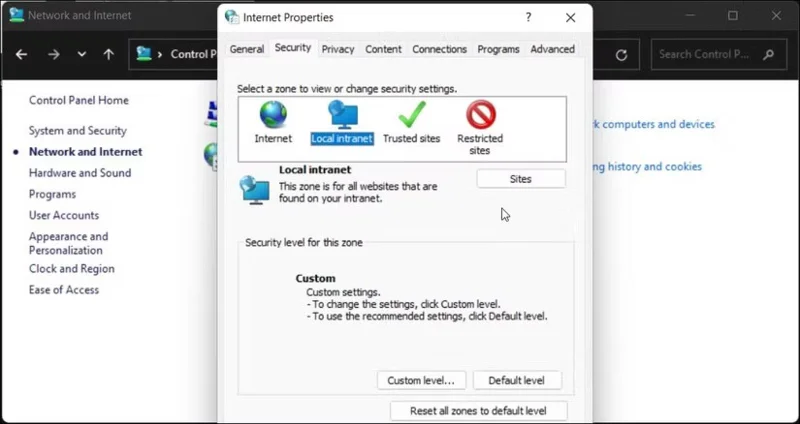
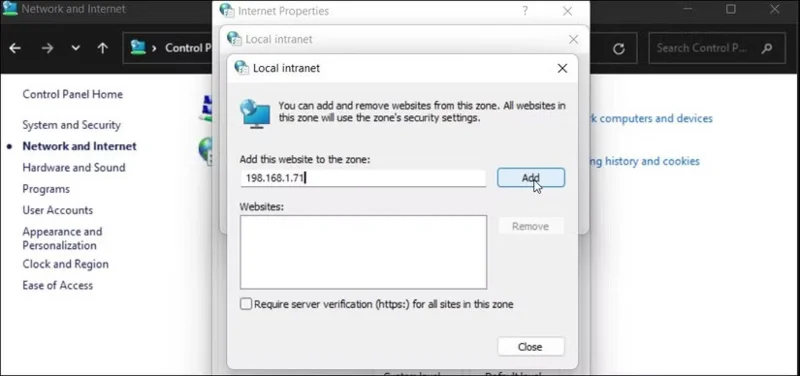
If you encounter this security warning when accessing files from a local network PC or Network Attached Storage (NAS), you can add the IP address or DNS name associated with the device to the local Intranet Zone.
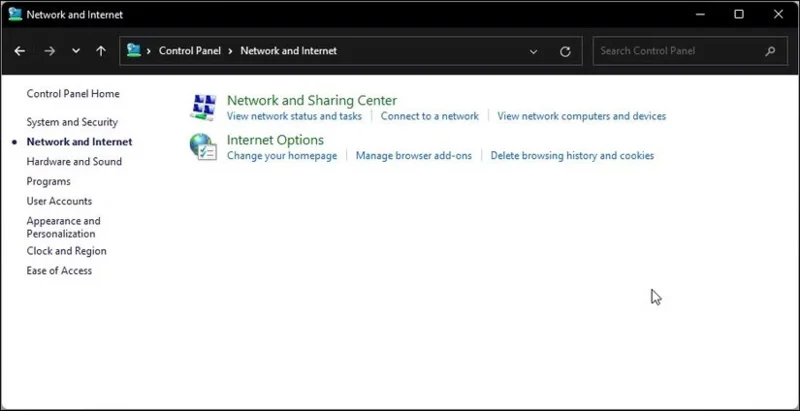
When you add a mapped IP address to the local Internet zone, Windows treats connections from this network as trusted and stops displaying security warnings.
Turn off warnings using Group Policy Editor
You can also disable this warning through Group Policy Editor (GPEdit), a straightforward way to manage security settings. However, GPEdit is only available by default on Windows Pro, Enterprise, and Education editions.
Press Win + R to open Run, type gpedit.msc and click OK to open Group Policy Editor. In the GPEdit application, navigate to the following location:
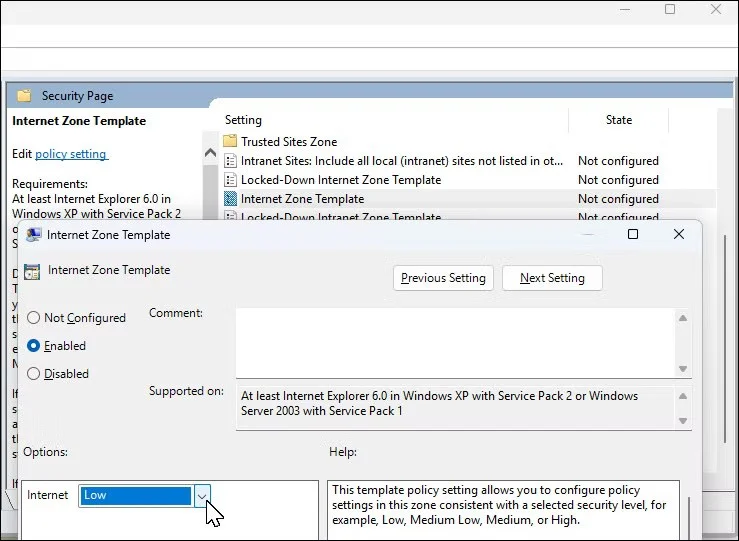
User Configuration > Administrative Templates > Windows Components > Internet Explorer > Internet Control Panel > Security Page
Double-click the Internet Zone Template policy and set it to Enabled . Then, click the drop-down menu under Options and select Low . Click OK > Apply to save the changes.
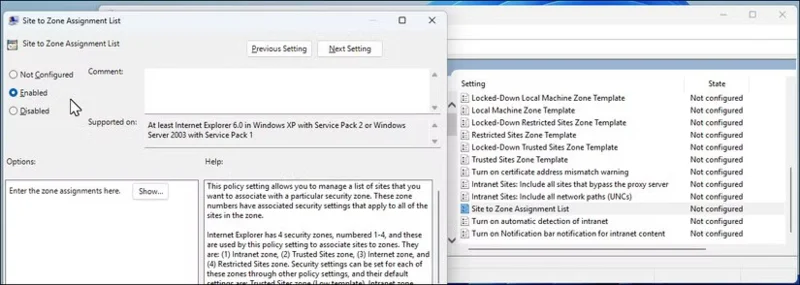
Next, double-click to open the Site to Zone Assignment List policy . Set it to Enabled . Then, under Options , select the Show button . Add the hostname, URL, or IP address to add them to the allow list and set the value to 1. Click OK , then click Apply > OK to save the changes.
The solution to stop this security warning depends on whether you're moving files from a network drive or a local drive. You can temporarily disable UAC settings to bypass the warning or, on older versions of Windows 11, remove Internet Explorer to resolve the issue.
Plan a recognizable Halloween 2026 look with pop culture costumes inspired by Spider-Man, Supergirl, Toy Story 5, Moana, Mario, and Wednesday.
Sort leftover Halloween candy safely, share or repurpose sealed treats, and choose food use or compost for pumpkins based on their condition.
Compare workplace Halloween costume choices by respect, dress code, mobility, and safety—and learn when a subtle accessory or a policy check is the better option.
Find a couples costume that fits your style, budget, and comfort level, from Addams Family classics to original inside-joke duos.
Need a last-minute high school Halloween costume? Compare 10 easy closet-based ideas by prep time, comfort, school-day practicality, and simple safety checks.
Use a simple 2026 Halloween decorating timeline for indoor décor, outdoor displays, and fresh pumpkins, with practical adjustments for weather and events.
Mix five vivid, approachable Halloween cocktails with measured recipes, simple prep tips, and an alcohol-free option for your party guests.
Find 15 office-friendly Halloween costume ideas for 2026, with practical checks for dress codes, respectful themes, comfort, and workplace safety.
Plan a fun elementary school Halloween party with easy crafts, games, inclusive treats, costume tips, and a sample 75-minute classroom schedule.
Compare realistic side hustles for 2026 by startup cost, fees, flexibility, and income control, with current tax and scam guidance from official sources.