How to Update Google Chrome Browser

Learn how to update Google Chrome browser on Windows, Mac, and Android in minutes to enjoy better security, speed, and new features. Follow these clear steps.
Google Play Services is a core part of Android, responsible for syncing data, notifications, and many other hidden tasks. But if it malfunctions, it can silently become a major cause of battery drain. WebTech360 has compiled a list of solutions that can help fix the battery problems you are experiencing on your Android device.
Table of Contents
Here's how you can check if Google Play Services is the culprit behind battery drain on your Android device.
Note : Google Play Services doesn't directly drain your battery, but its usage can spike when other apps are in use.
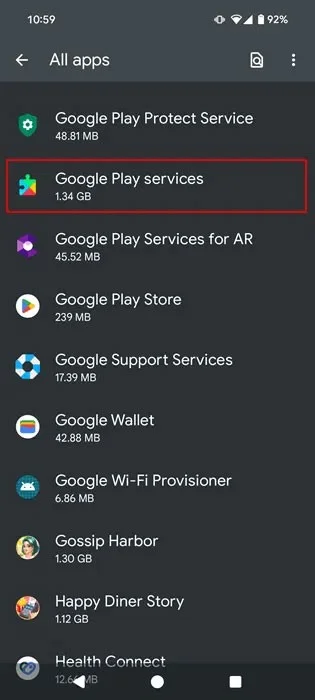
On your phone, go to Settings -> Apps . Depending on your model, this might be Apps & notifications or something similar. Tap See all apps .
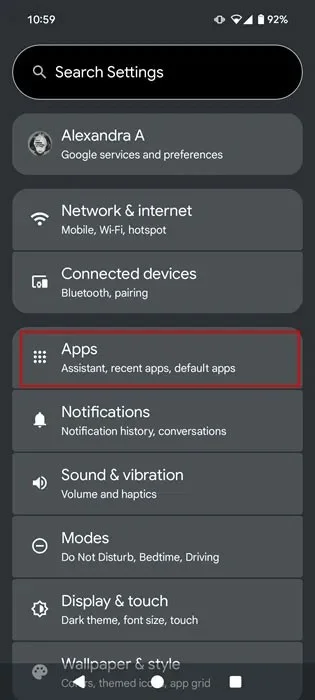
Scroll down to Google Play Services in the list of apps and tap on it.
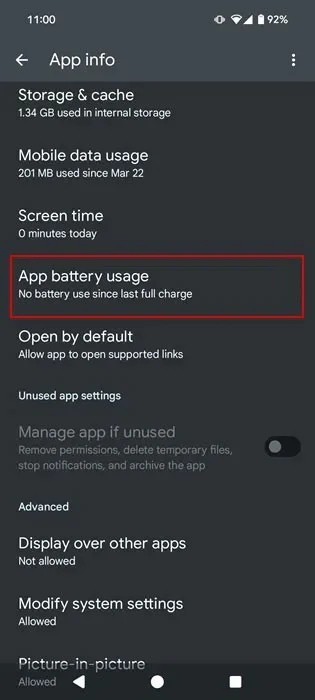
Find the App battery usage option and see the information below.
What percentage of the battery has been used since the last full charge? If the usage is more than a few percent of battery (i.e. double digits), then the usage is too high and you need to troubleshoot. Ideally, it should say "No battery use since last full charge".
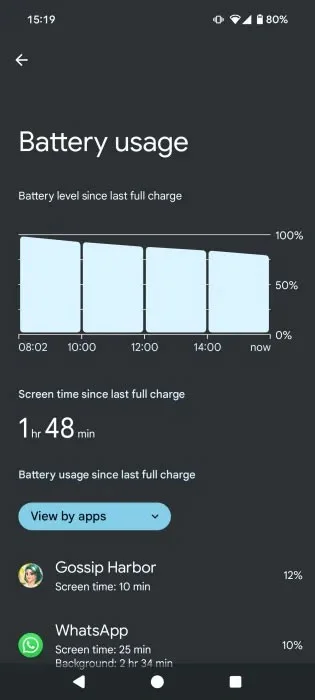
Or, go to Settings -> Battery -> Battery usage and check which apps are draining the most battery. See if Google Play Services is among them.
Since Google Play Services is not the real culprit here, but rather other apps that communicate with Google Play Services and their features, such as location access, Wi-Fi , data, or running in the background, it is important to evaluate whether you are constantly using the apps that are shown to be consuming the most.
If you're not sure whether you can trust the battery stats provided by your phone, you can also check out a third-party app like AccuBattery that's designed to show accurate battery usage information. Pay attention to the apps that appear in the list, as they're the ones that are using the most battery on your device.
Now, if the apps you rarely use are among the ones that consume the most battery, you should consider deleting them from your device. You can reinstall them after a while and the problem will not recur.
Go through the remaining apps on your phone and turn off background activities for those that aren't essential to your daily routine.
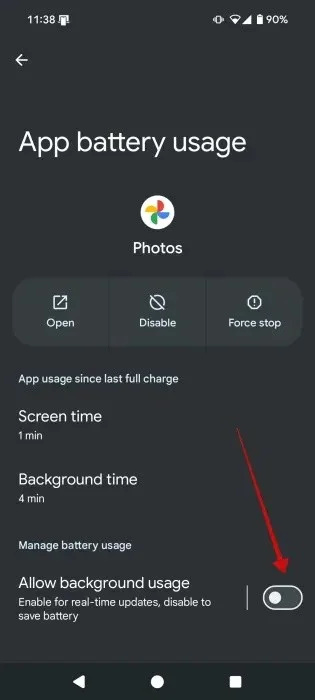
Navigate to Settings -> Battery -> Battery usage and select an app.
On the app screen, turn off Allow background usage at the bottom.
A simple thing to try is to clear the Google Play Services cache, which may have become overloaded with unnecessary information.
Go to Settings -> Apps -> See all apps -> Google Play Services .
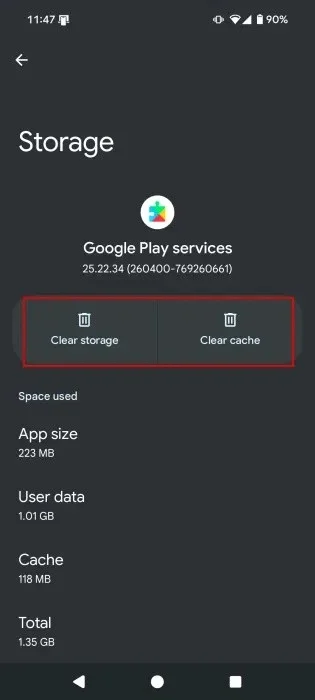
Find the Storage & cache option and tap on it.
Click the Clear cache button at the top.
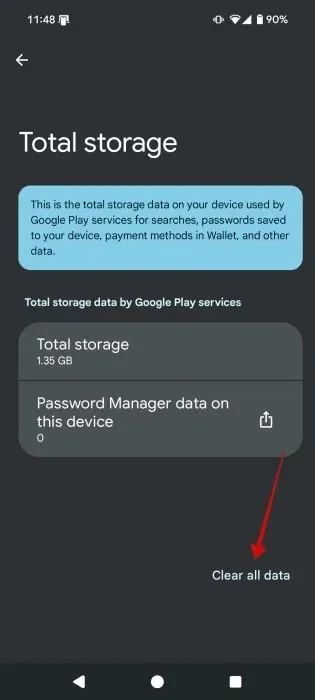
If you're still experiencing battery drain, a more drastic step is to clear the cache for Google Play Services. Tap the Clear all data button on the next screen to complete the process.
If you have more than one account connected to Google Play Services, that could explain the battery drain issue. Since Google Play Services is constantly checking for new emails, notifications, app security scans, etc., it is constantly running in the background. So it takes up even more memory.
Tip : Go to Settings -> Apps -> Google Play Services -> All services to check the full range of all Google Play Services on your phone.
You can fix this by turning off auto-sync for various accounts, such as your email as well as third-party apps like WhatsApp . Your Google account, in particular, manages sync for many apps.
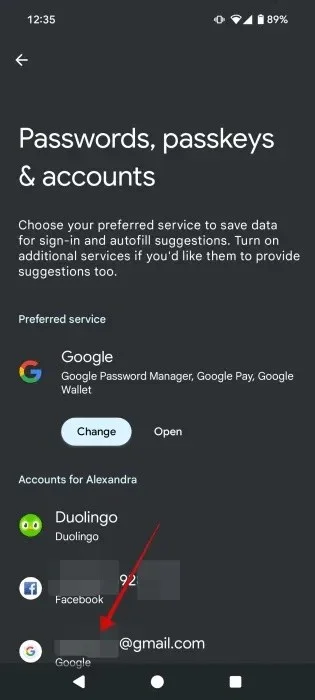
Go to Settings -> Passwords, passkeys & accounts , then tap each account to see if syncing is on or off. Depending on your phone model, the section you're looking for may just say Accounts . Tap a specific account.
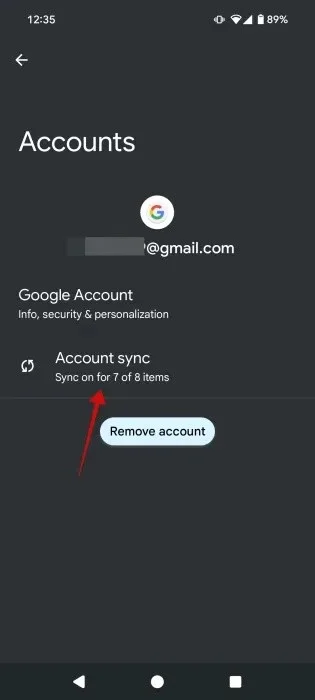
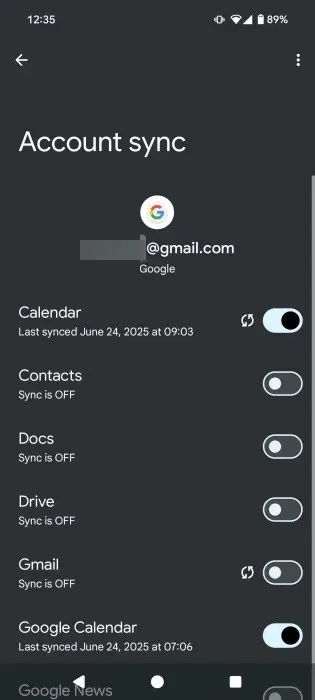
For Google accounts, you will see Account sync enabled by default. Tap on it.
Disable any services you don't want to sync on this account. For example, you can disable Gmail sync for a Google account that you don't really use much and just keep as a backup.
Whenever Google Play Services tries to sync data and can’t, you’ll get sync errors. These errors can also be the reason you’re charging your phone more often than usual. Take a look at your contacts, calendar, and Gmail account to see if you can spot any errors. Try removing any emojis you might have on any of your contacts, as Google doesn’t like that.
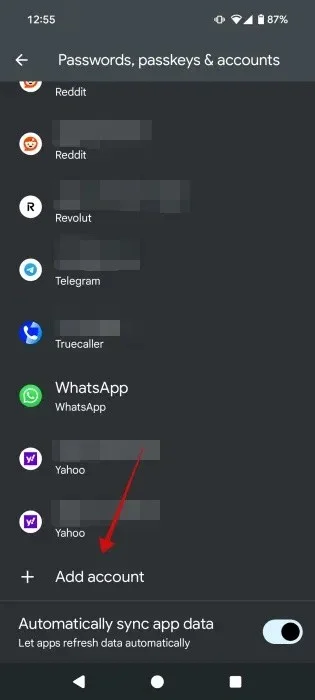
You can also try removing and re-adding the account to try and fix those sync errors. To do that, go to Settings -> Passwords, passkeys & accounts -> Add account (the option is at the very bottom).
Turning off mobile data in your device settings for more than 1 minute may also help, but remember to turn it back on.
There are a lot of apps that will request your location. The problem is that when they do, the request goes through Google Play Services, which then uses your GPS to relay that information. So you may want to turn off location sharing for certain apps.
Open the app that requests your location on your phone.
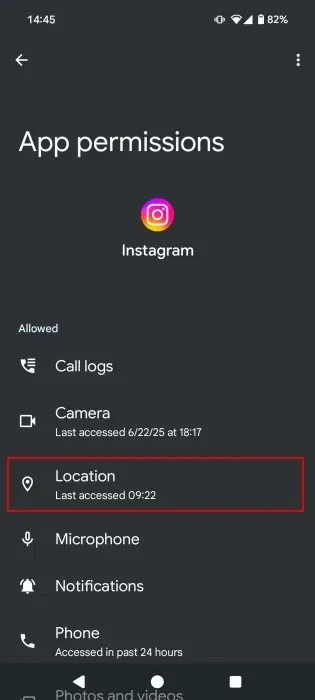
Then go to Settings -> Apps and find that app. Select Permissions .
Tap Location from the app permissions list.
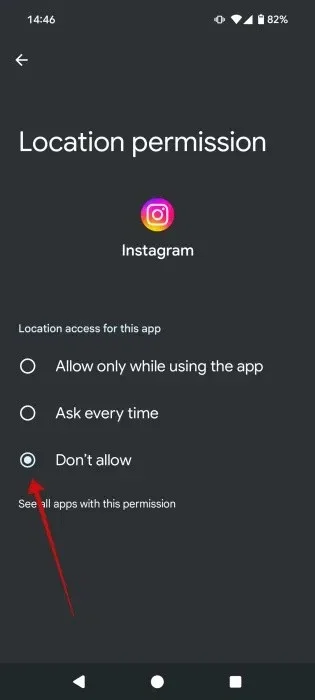
Switch the option to Don't allow to help you cut down on Play Services' battery usage.
This may sound a little strange, but sometimes updates cause bugs. For this reason, if you're experiencing battery drain due to Google Play Services, you can try uninstalling updates for the service.
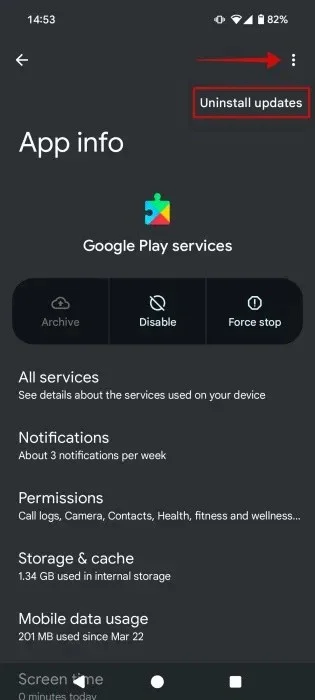
Go to Settings -> Apps -> Google Play Services .
Tap the three dots in the upper right corner. Select Uninstall updates .
Restart your phone to see if that makes a difference.
Sometimes, the latest version of Google Play Services can contain bugs. If you notice your battery draining faster after updating Google Play Services, you may need to roll back to a previous version of Google Play Services (at least until the latest version fixes the bug).
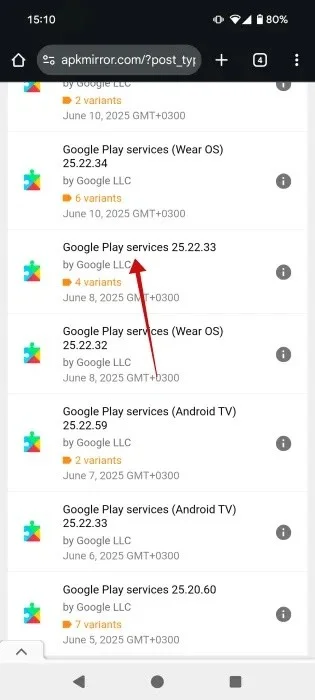
Follow the above tip to uninstall the update, then go to APK Mirror and search for Google Play Services. Alternatively, use any of these safe sites to download APKs .
Scroll down and tap on a Services version that's one or two versions ahead of the latest (ignore beta versions). Also, make sure you select the standard Google Play Services option, not Google Play Services for Android TV, AR, etc.
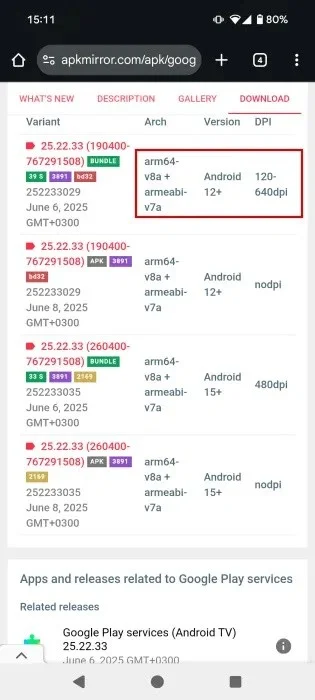
You'll see that there are dozens of variants to choose from. To download the right variant, you need to know three things: Your phone's SoC architecture, your phone's screen DPI, and your Android version.
You can find your Android version by going to Settings -> About phone .
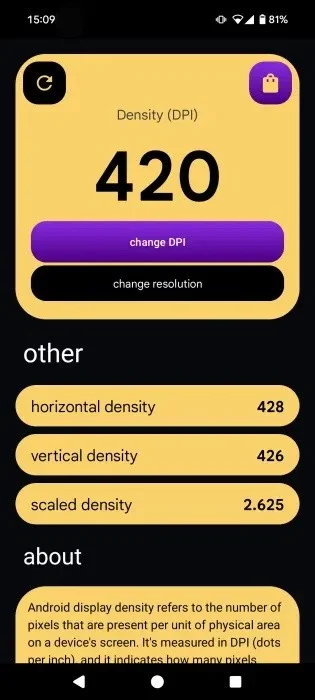
For the DPI of your phone screen, you will need to download a third-party app like DPI Checker .
Knowing these two details should be enough to get you the right version, but if you want to make sure you're getting the right one, open Google on your phone and type in "[phone model] specs" and check if the SoC is 64-bit (arm64) or 32-bit (armeabi). However, most APK versions are compatible with both.
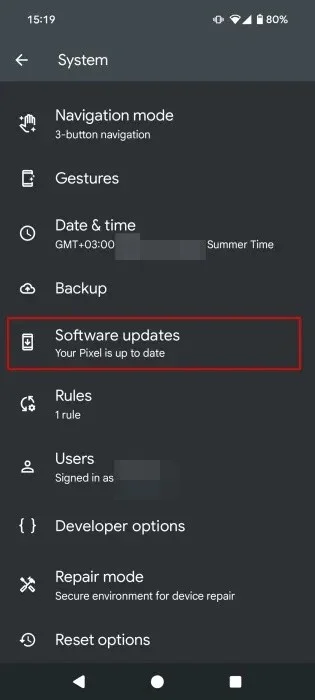
Finally, you may want to make sure you’ve updated to the latest version of Android available for your device. You’ll get a notification on your device when a software update is available for your phone, but you can also check manually by going to Settings -> System -> System updates .
If an update is available, install it. The update may contain bug fixes for Google Play Services.
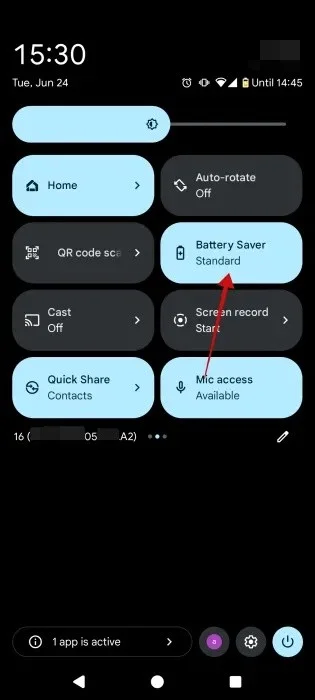
If your battery life is still not up to par, you may need to enable the built-in Battery Saver option on your phone (if available) and see if that helps.
On Pixel devices, there is a Battery Saver tile in the Quick Settings menu, which we can easily enable by tapping on it.
See also:
Learn how to update Google Chrome browser on Windows, Mac, and Android in minutes to enjoy better security, speed, and new features. Follow these clear steps.
Learn how to download old media from WhatsApp and recover photos or videos from past chats. Follow these clear steps to save files that no longer appear in your gallery.
Facebook Messenger Isn T Working on your device? Use these exact troubleshooting steps to restore chats, calls, and notifications fast on Android, iOS, or desktop.
How to See Deleted WhatsApp Messages using your phone's built-in tools. Follow these exact steps to recover messages that contacts have deleted from chats.
Learn how to clear browser history in Chrome on desktop and Android with this exact step-by-step process. Keep your browsing private and free up storage space quickly.
Master how to use CapCut with this practical walkthrough covering project setup, editing tools, effects, and export options for high-quality video results.
Get the latest WhatsApp App Update Download from official sources to access new features and security improvements. Follow these clear steps for Android and iOS devices.
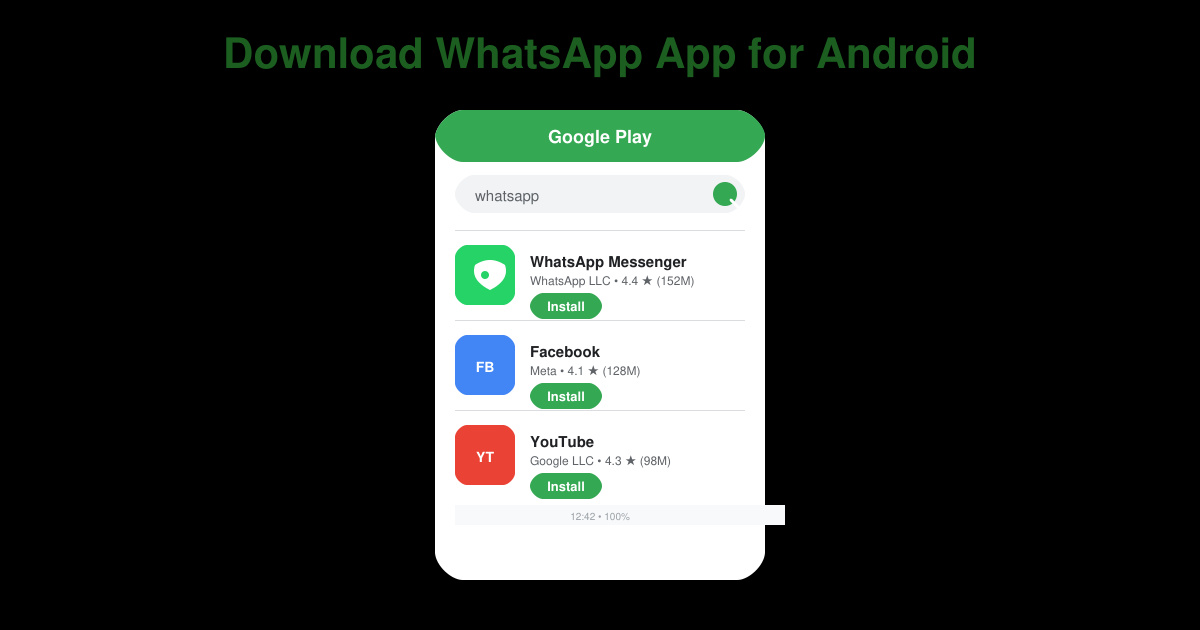
Learn how to safely Download WhatsApp App for Android from the official Google Play Store. Follow our clear step-by-step instructions to install the latest version quickly and securely.
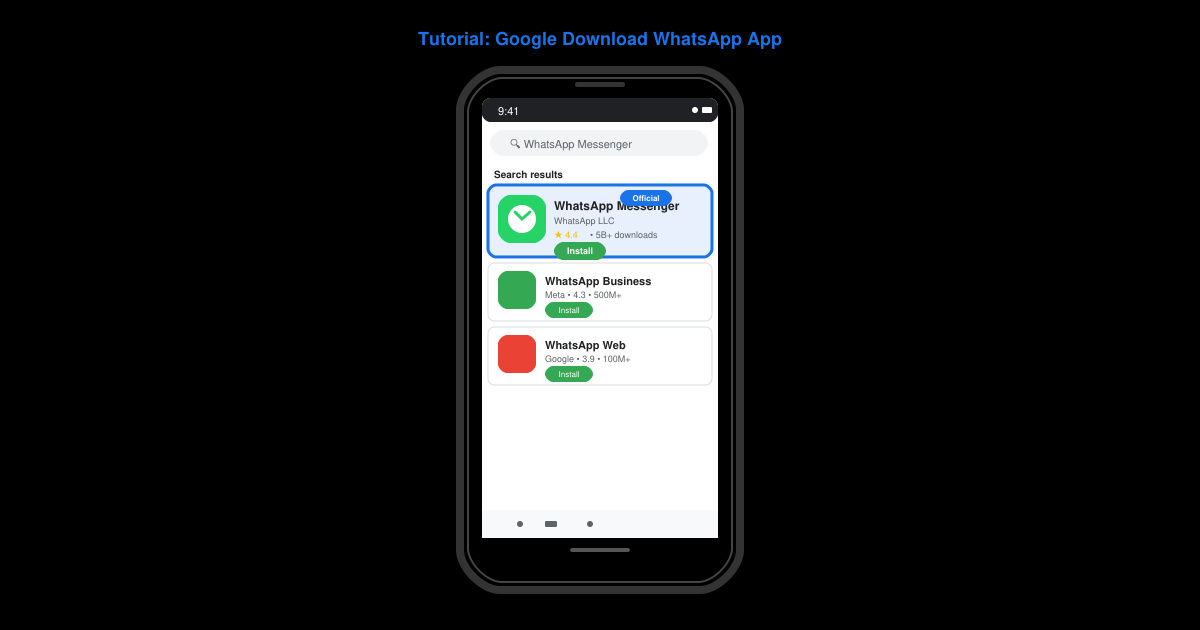
Google Download WhatsApp App safely through the Google Play Store with this clear guide. Get the official version on your Android device quickly and avoid fake downloads.
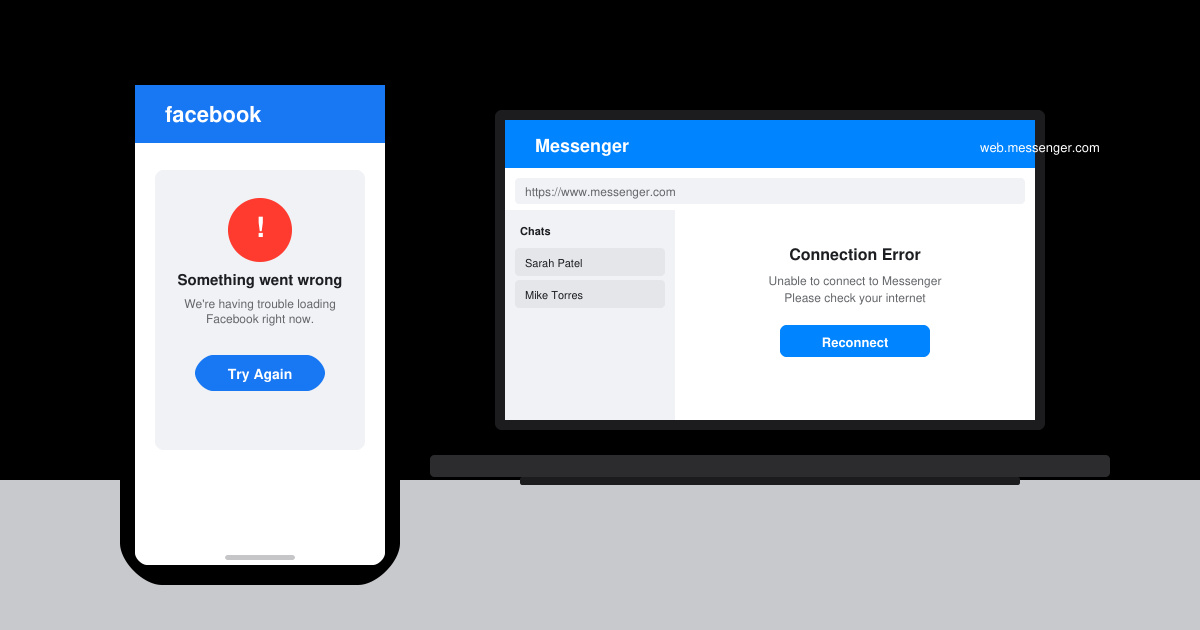
Facebook and Messenger not working can disrupt your day. Follow these targeted fixes to restore access quickly on mobile and desktop.