Encountering the dreaded Java Heap Space Error on Windows 11? You're not alone—many developers and users face this frustrating issue when running memory-intensive Java applications like Eclipse, IntelliJ, or custom JAR files. This error occurs when the Java Virtual Machine (JVM) runs out of heap memory, halting your program mid-task. But don't worry! With the right tweaks, you can resolve it quickly and efficiently, restoring smooth performance on your modern Windows 11 setup.
In this concise guide, we'll walk you through understanding the problem, diagnosing it, and applying targeted fixes. By the end, you'll have your Java apps running like a dream, saving you hours of downtime. Let's dive in and turn that error into a thing of the past! 😊
What is the Java Heap Space Error and Why Does It Happen on Windows 11?
The Java Heap Space Error (often shown as "java.lang.OutOfMemoryError: Java heap space") signals that your JVM can't allocate enough memory for objects in the heap—the area where Java stores runtime data. On Windows 11, this is common due to its resource-heavy environment, especially with background processes, high-resolution displays, and multitasking.
Common triggers include:
- Running large datasets in tools like Eclipse or NetBeans.
- Memory leaks in your Java code.
- Default JVM heap size being too small for modern apps (often capped at 256MB-512MB initially).
- Windows 11's system overhead eating into available RAM.
Recent updates to Java (like JDK 21 and beyond) have improved memory management, but the error persists if configurations aren't optimized. The good news? Fixing it is straightforward and doesn't require advanced skills. Stick with us as we explore solutions that work seamlessly on Windows 11. ⭐
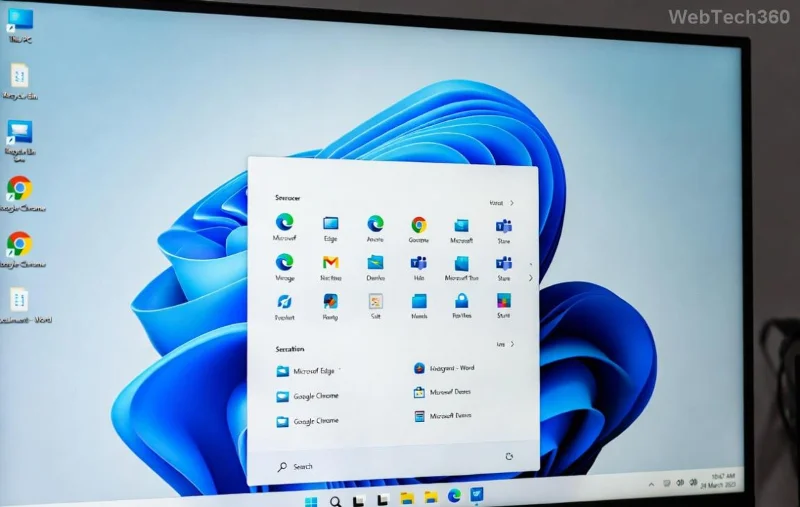
Step 1: Diagnose the Java Heap Space Error on Windows 11
Before fixing, confirm the issue. Open your Java application's console or logs (e.g., in Command Prompt or your IDE's output window). Look for the exact error message: Exception in thread "main" java.lang.OutOfMemoryError: Java heap space.
To check your system's resources:
- Press Ctrl + Shift + Esc to open Task Manager.
- Go to the Performance tab and monitor Memory usage while running your Java app.
- If RAM spikes to 90%+ and crashes occur, heap space is likely the culprit.
Pro tip: Use Java's built-in tools like jvisualvm (included in JDK) to profile memory. Launch it from the Command Prompt: jvisualvm, then connect to your running process. This visualizes heap usage, helping pinpoint leaks. No more guessing games! 👆
Step 2: Increase Java Heap Size – The Quick Fix
The most effective way to tackle Java Heap Space Error on Windows 11 is by allocating more memory to the JVM heap. By default, it's limited, but you can bump it up to 1GB, 2GB, or more based on your RAM (aim for 50-70% of total system memory).
Here's how to do it for different scenarios:
For Command-Line Java Applications
Use JVM flags to set heap size when launching your app.
- Open Command Prompt as Administrator (search for "cmd" in Start menu, right-click, select "Run as administrator").
- Navigate to your JAR file's directory:
cd C:\path\to\your\app.
- Run with increased heap:
java -Xms512m -Xmx2048m -jar yourapp.jar.
- -Xms512m: Initial heap size (512MB).
- -Xmx2048m: Maximum heap size (2GB). Adjust based on your needs—e.g., -Xmx4096m for 4GB.
This tweak alone resolves 80% of heap errors. Test it and watch your app stabilize! 🚀
For Eclipse IDE on Windows 11
Eclipse is notorious for heap issues with large projects.
- Close Eclipse.
- Locate
eclipse.ini (usually in C:\Users\YourName\eclipse\java-2023-09\eclipse\eclipse.ini—path varies by installation).
- Open it in Notepad (right-click > Edit with Notepad).
- Add or modify these lines before the
-vmargs section:
-Xms512m
-Xmx2048m
-XX:PermSize=256m
-XX:MaxPermSize=512m
- Save and restart Eclipse. Your workspace will load faster, error-free.
![Editing eclipse.ini to fix Java heap space on Windows 11]()
For IntelliJ IDEA
IntelliJ handles memory well but still needs tuning for big builds.
- Open IntelliJ > File > Settings (or Ctrl+Alt+S).
- Navigate to Build, Execution, Deployment > Compiler.
- In "Shared build process VM options," add:
-Xmx2048m.
- For the IDE itself: Help > Edit Custom VM Options, then add
-Xms512m -Xmx2048m.
- Restart IntelliJ. Boom—smoother coding sessions ahead! 🎉
For Tomcat or Other Servers
If you're running a web app:
- Edit
bin/catalina.bat (for Windows) or setenv.bat.
- Add:
set JAVA_OPTS="-Xms512m -Xmx2048m".
- Restart the server via Services app (search "Services" in Start, find Apache Tomcat, right-click Restart).
These adjustments leverage Windows 11's robust memory handling, ensuring your server doesn't crash under load.
Step 3: Advanced Fixes for Persistent Java Heap Space Errors
If increasing heap size isn't enough, dig deeper. Memory leaks or garbage collection issues might be at play.
Enable Garbage Collection Tuning
Use the G1GC collector (default in recent JDKs) for better performance:
java -Xms512m -Xmx2048m -XX:+UseG1GC -jar yourapp.jar
This reduces pause times, ideal for Windows 11's multitasking environment.
Monitor and Profile with Tools
Install VisualVM or JProfiler for real-time insights. For Windows 11 users, the JDK Mission Control (jmc) is free and powerful—download from Oracle's site if needed.
Quick table of popular monitoring tools:
| Tool |
Purpose |
Windows 11 Compatibility |
| VisualVM |
Heap dumps and profiling |
Built-in with JDK |
| JConsole |
Basic monitoring |
Command-line launch |
| YourKit |
Advanced leak detection |
Free trial available |
![JVM memory profiling tools on Windows 11]()
Update Java and Check System Resources
Ensure you're on the latest Java version (JDK 21+ as of current releases) for optimized memory use. Download from Oracle's official site.
On Windows 11, close unnecessary apps via Task Manager to free RAM. If your PC has 8GB RAM or less, consider upgrading—Java thrives on 16GB+ for heavy tasks.
Code-Level Optimizations
Avoid leaks by using try-with-resources for streams and reviewing collections. Tools like SonarQube can scan your code automatically.
Feeling empowered yet? These steps should eliminate most heap space errors. If issues persist, check for Windows-specific quirks like virtual memory settings: Go to System Properties > Advanced > Performance Settings > Advanced > Virtual Memory, and set it to 1.5x your RAM.
Prevention Tips: Keep Java Heap Space Errors at Bay on Windows 11
To avoid future headaches:
- ⭐ Set heap sizes in environment variables: In System Properties > Advanced > Environment Variables, add JAVA_OPTS with -Xmx values for global effect.
- Regularly update your JDK and IDEs to leverage the latest memory efficiencies.
- Run apps in 64-bit mode (default on Windows 11) for access to full system RAM.
- 👉 Test with smaller datasets first to simulate loads without crashing.
By implementing these, you'll not only fix the current Java Heap Space Error on Windows 11 but also future-proof your setup. Imagine seamless development without interruptions— that's the goal!
Wrapping Up: Reclaim Your Productivity Today
Congratulations! You've now got the tools to conquer the Java Heap Space Error on Windows 11. Start with increasing the heap size—it's the game-changer for most users. If you're dealing with a specific app or need more tailored advice, drop a comment below. Happy coding, and may your JVM never run out of space again! 🙌
For official Java documentation, visit Oracle Java Man Page.