How to Update Google Chrome Browser

Learn how to update Google Chrome browser on Windows, Mac, and Android in minutes to enjoy better security, speed, and new features. Follow these clear steps.
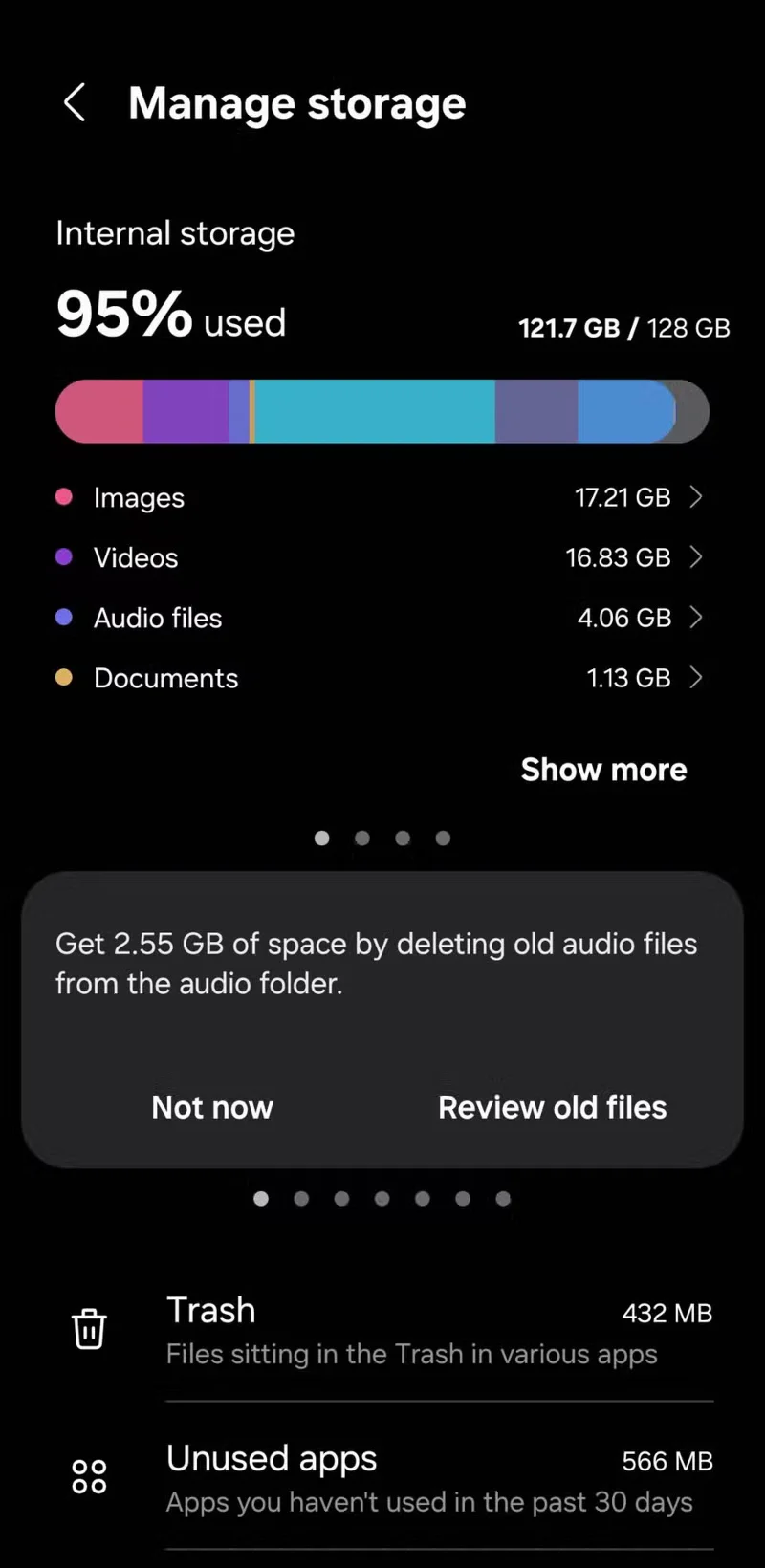
Unless you've spent a fortune on a 1TB phone, it's only a matter of time before your Samsung phone runs out of storage. The fix doesn't necessarily involve deleting your favorite photos or apps; One UI includes a few options that make it easy to reclaim space.
7. Empty the trash
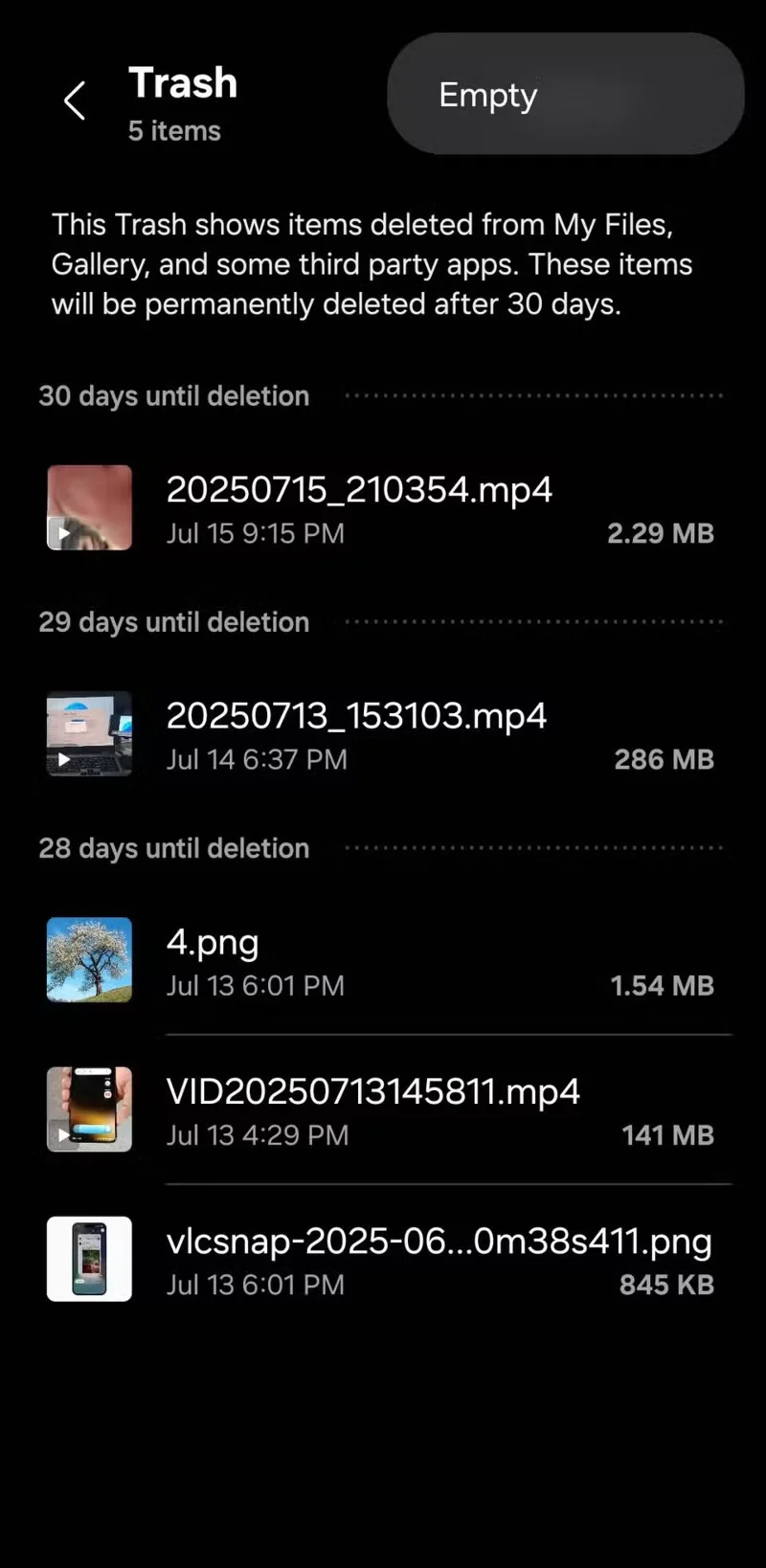
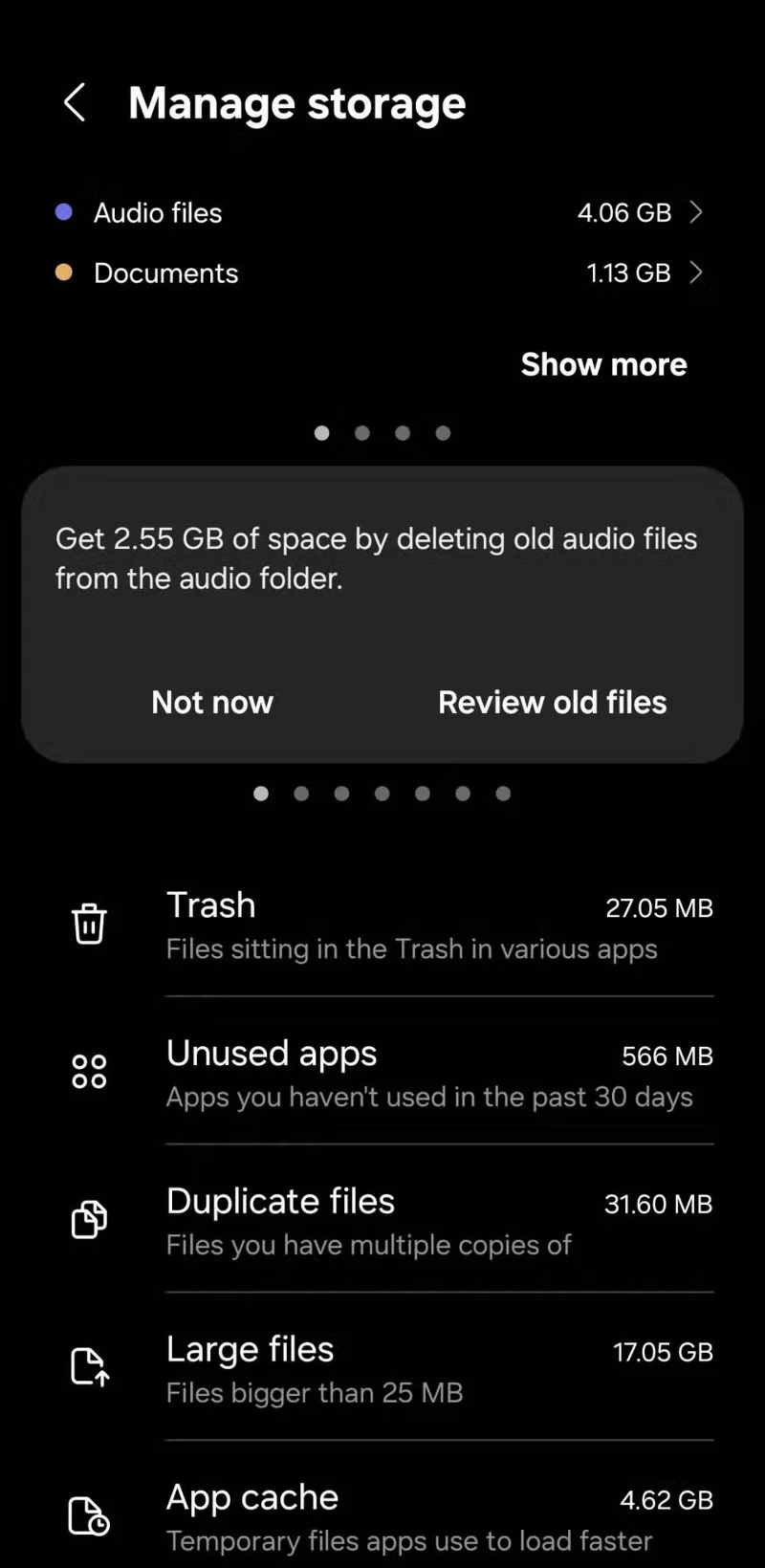
Deleted files remain in the Trash folder for 30 days before being permanently deleted. This is a useful feature in case you accidentally delete something. But if you're low on space and you're sure you don't want those deleted files, emptying the Trash folder on Android can make a big difference.
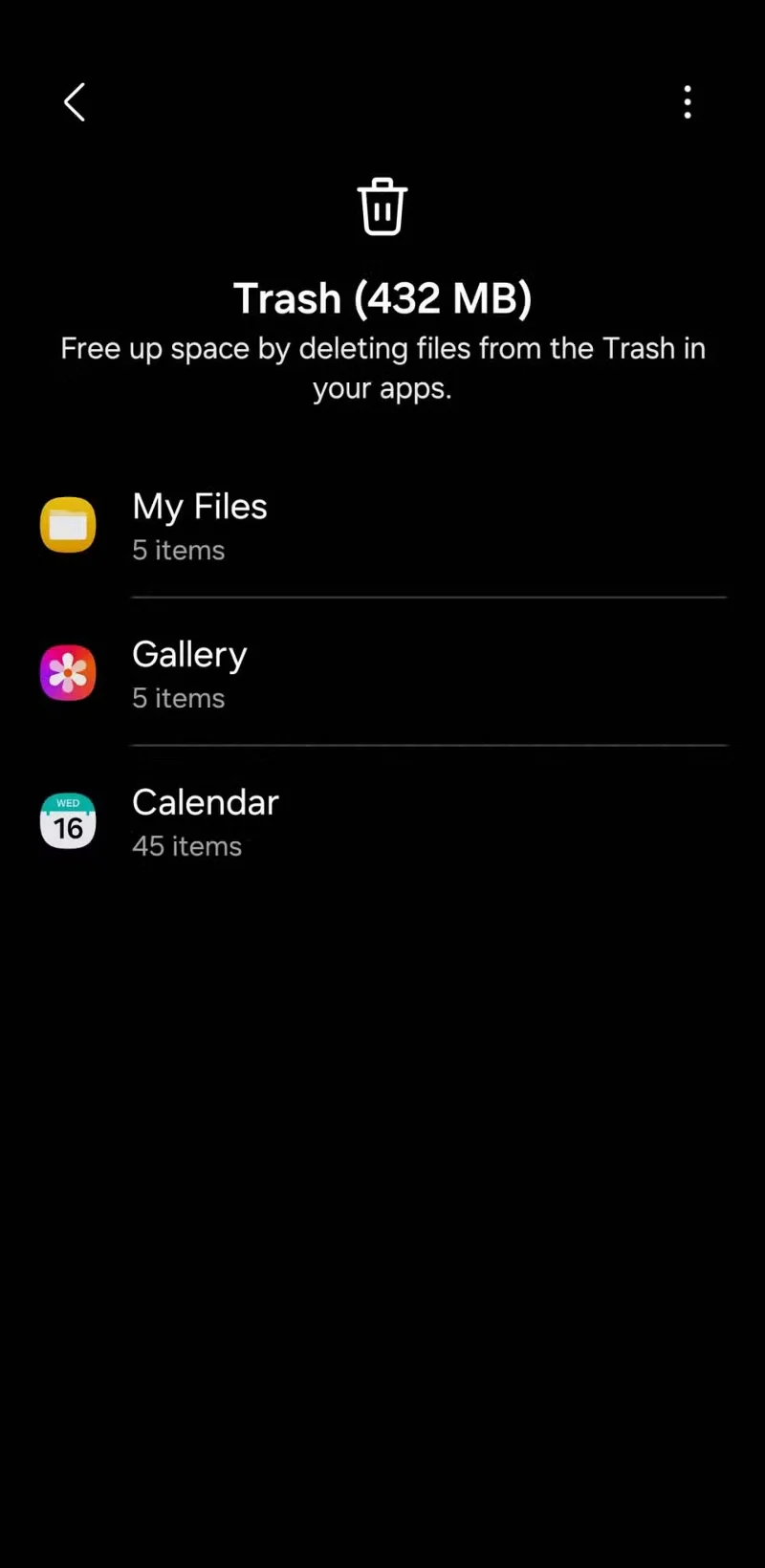
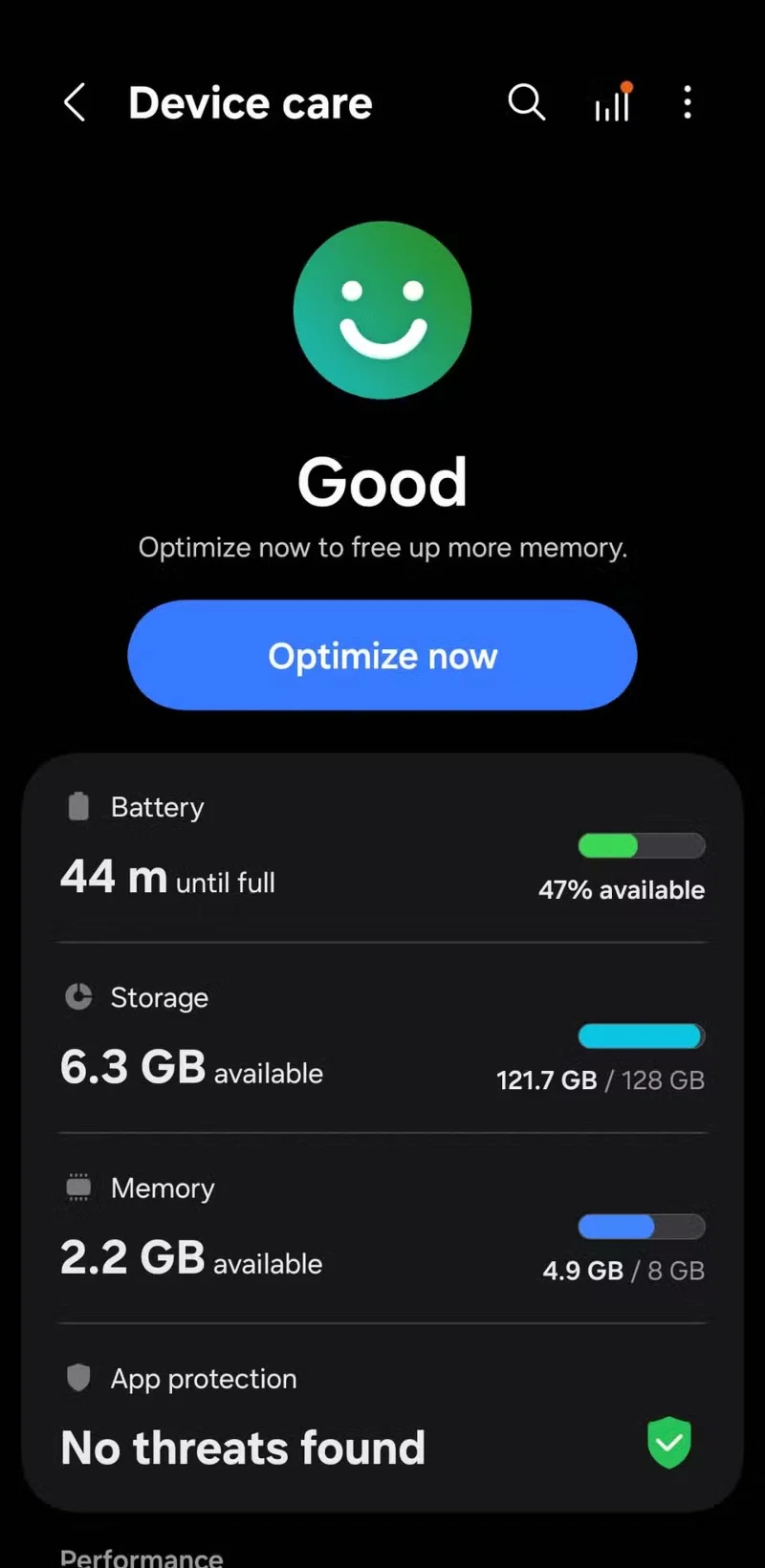
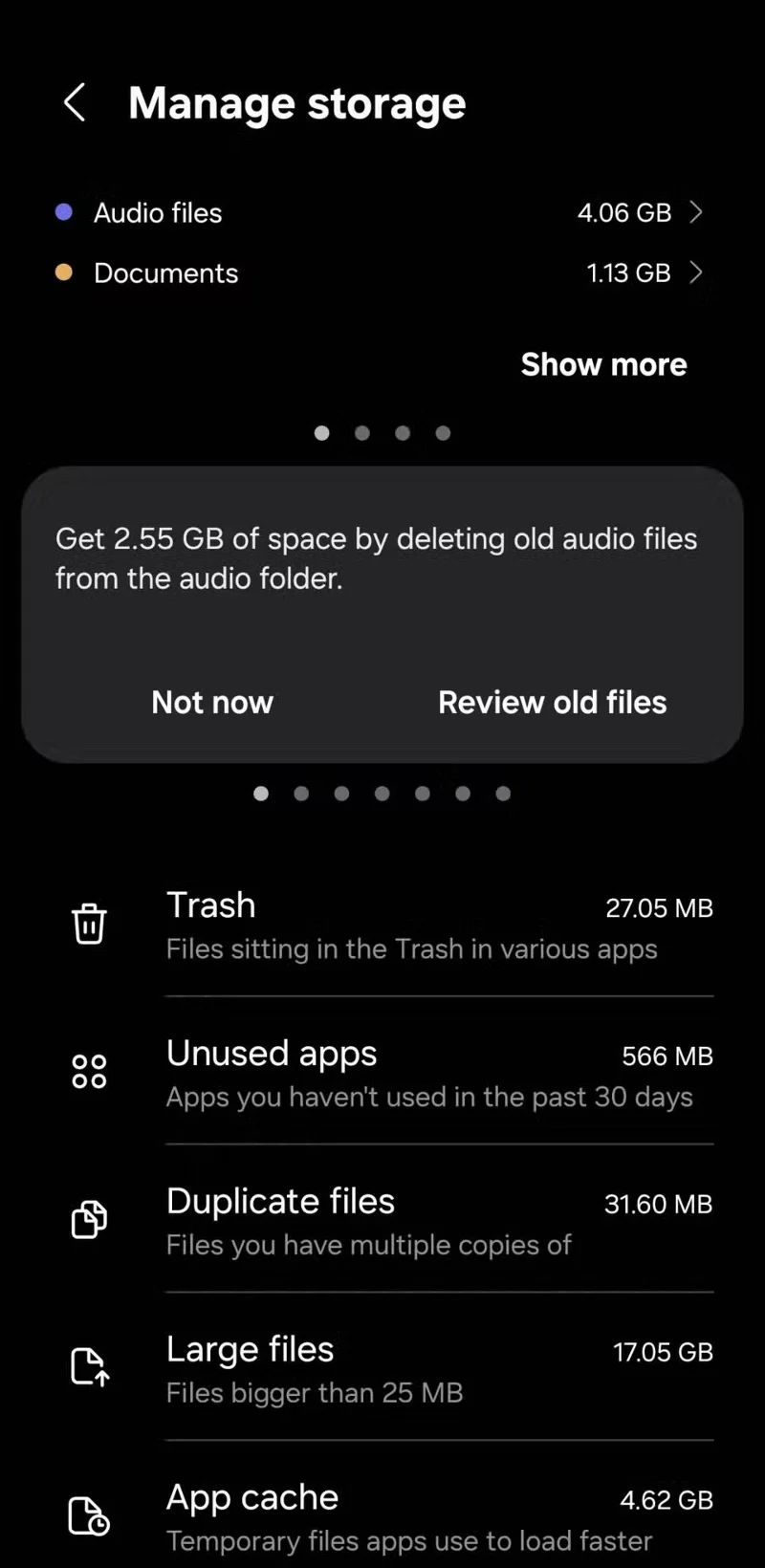
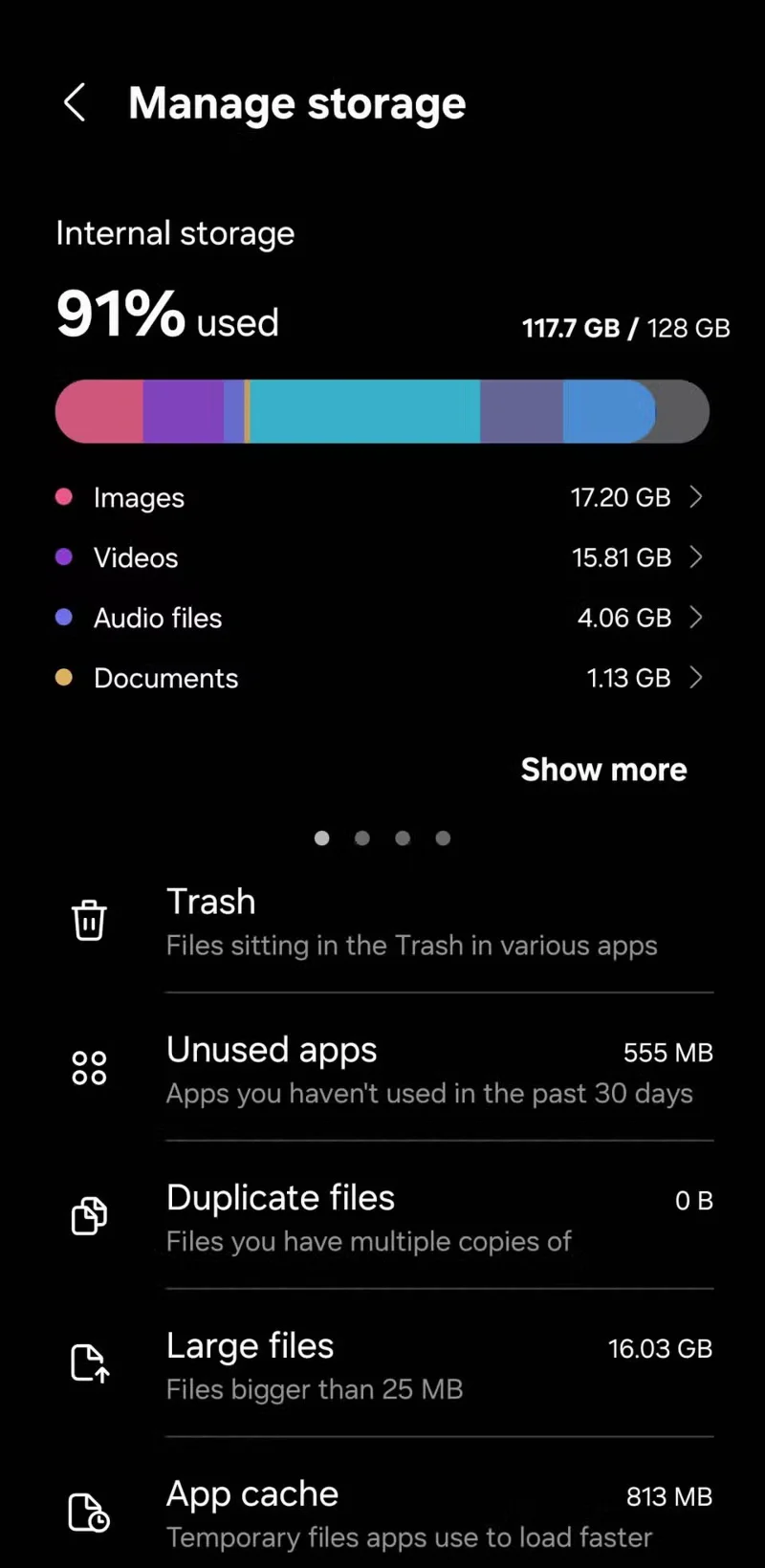
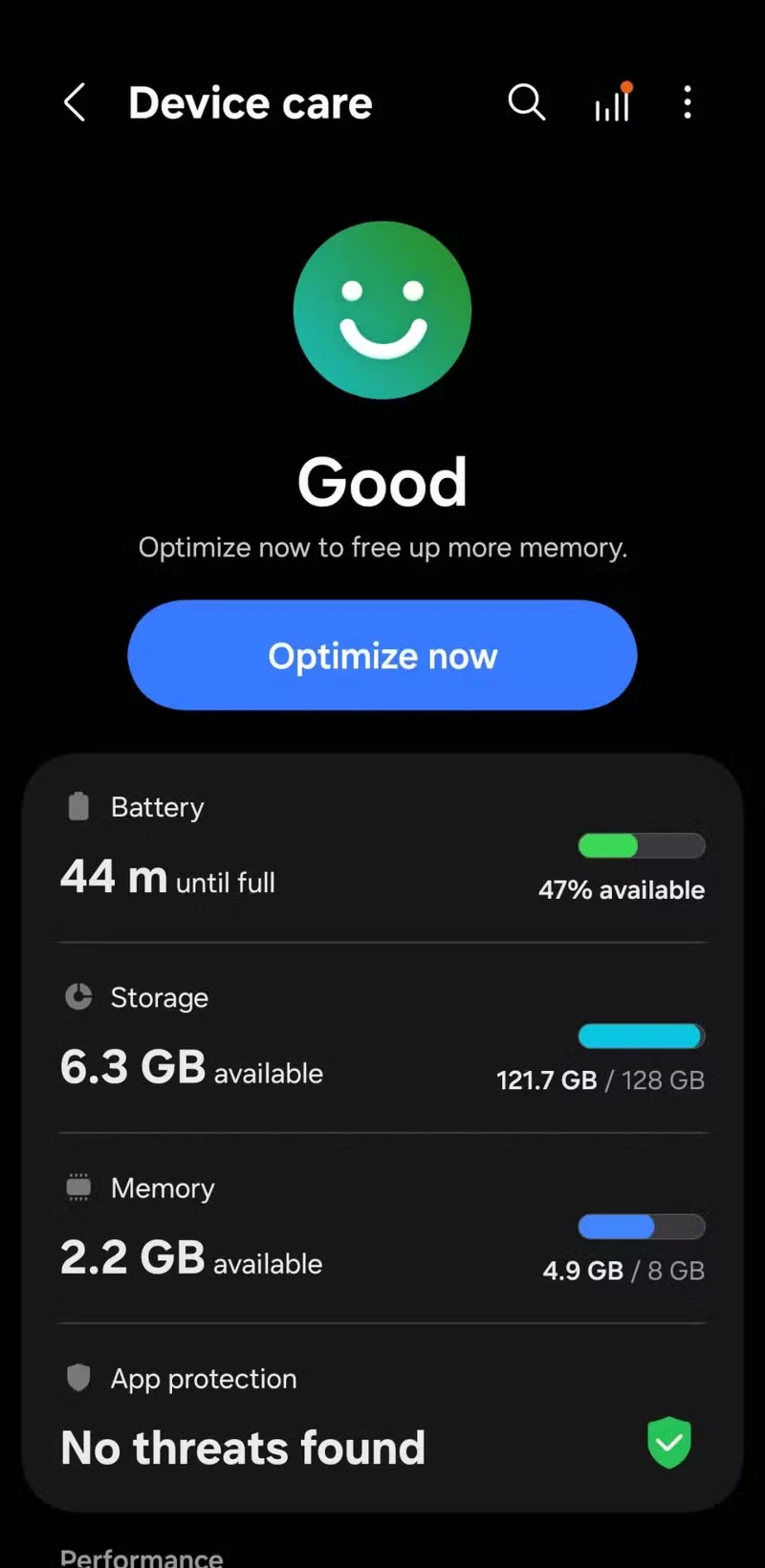
To delete, go to Settings > Device Care > Storage > Trash . Tap Gallery to see your deleted photos and videos. If there's anything worth saving, you can recover it from there. Otherwise, open the three-dot menu and select Empty to delete everything at once. Don't forget to do the same with Trash in the Files app; just make sure you don't need anything, as this will delete it permanently.
6. Delete duplicate files
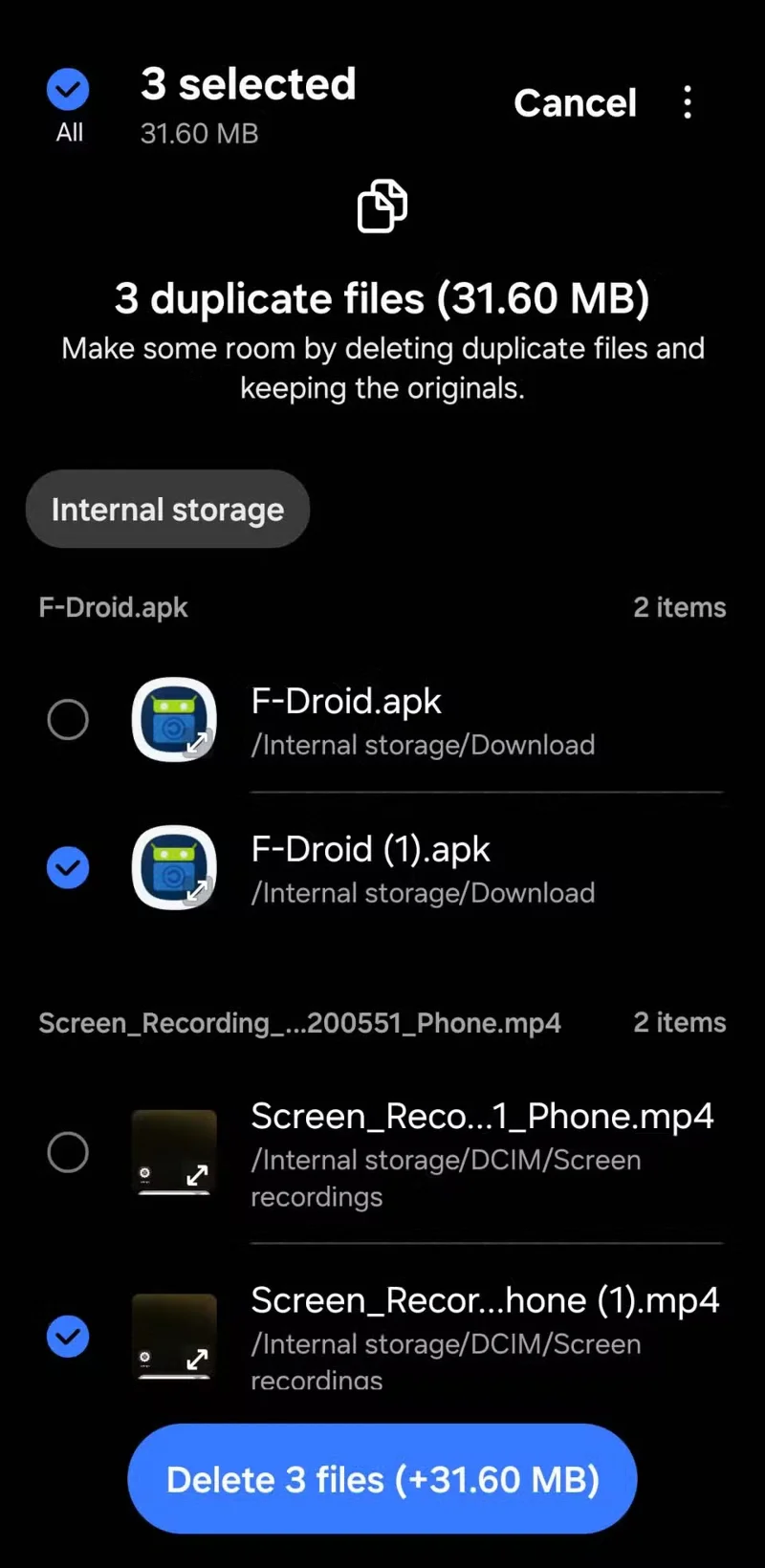
Each duplicate file may not take up much space individually, but together they can add up to a significant amount of space. Luckily, you don't need any third-party apps to remove duplicate files from your phone.
Go to Settings > Device Care > Storage > Duplicate files . Tap All in the upper left corner, and your Samsung phone will automatically select the duplicate versions of each file, leaving the originals intact. Once you're done, tap Delete to delete them. By default, those files will go to the Trash folder, so don't forget to empty it afterwards to free up space.
5. Archive or uninstall unused apps
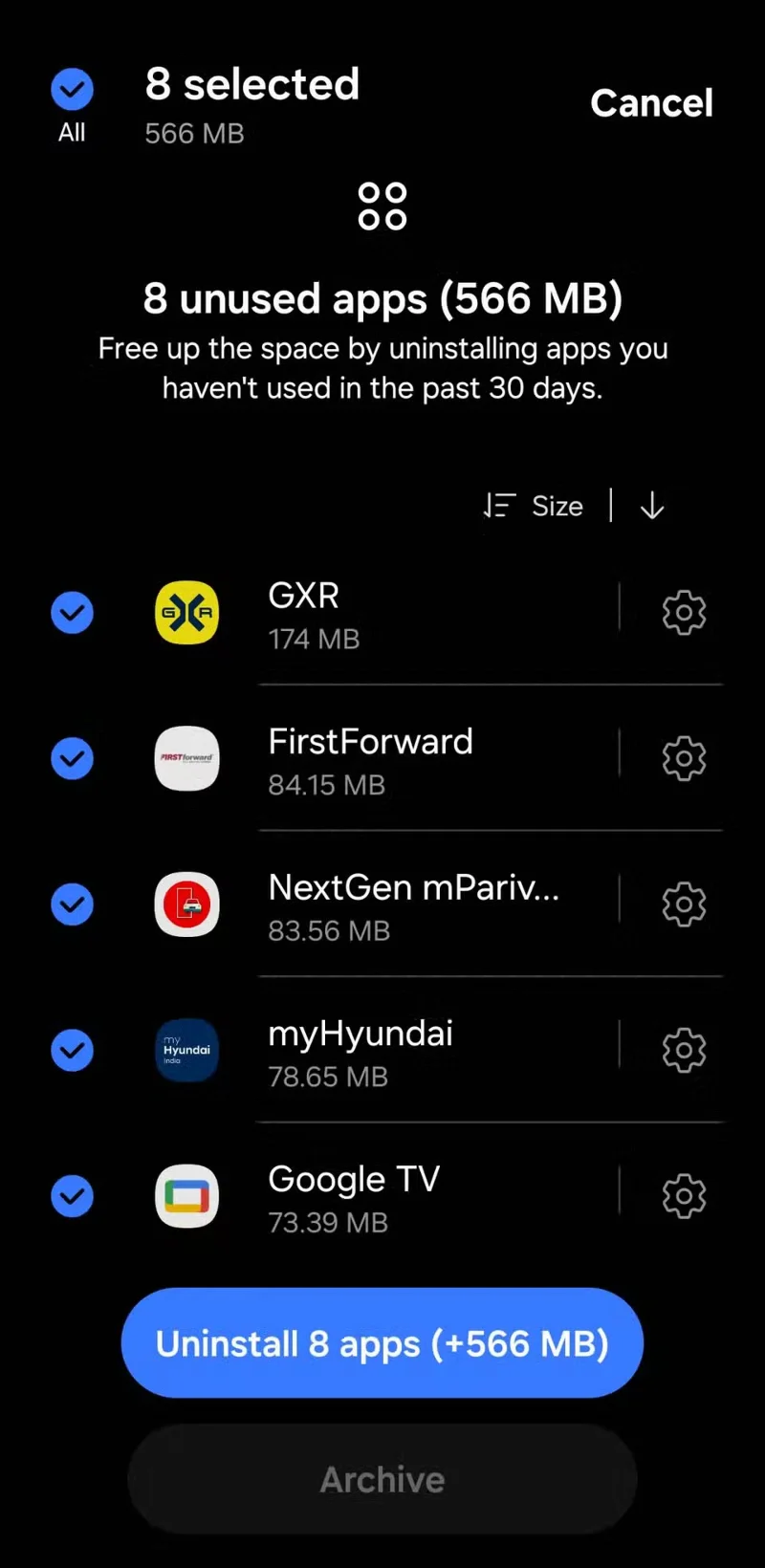
It's easy to overlook the number of apps and games you have on your phone, including ones you downloaded for a single need and haven't touched since. Deleting these unused apps or games can free up space faster than you think.
Samsung phones make this easy by highlighting apps you haven't opened in the last 30 days. To see them, go to Settings > Device Care > Storage > Unused apps . Then, scroll through the list to find and select the apps you don't need, then tap Uninstall to confirm.
4. Clear application cache
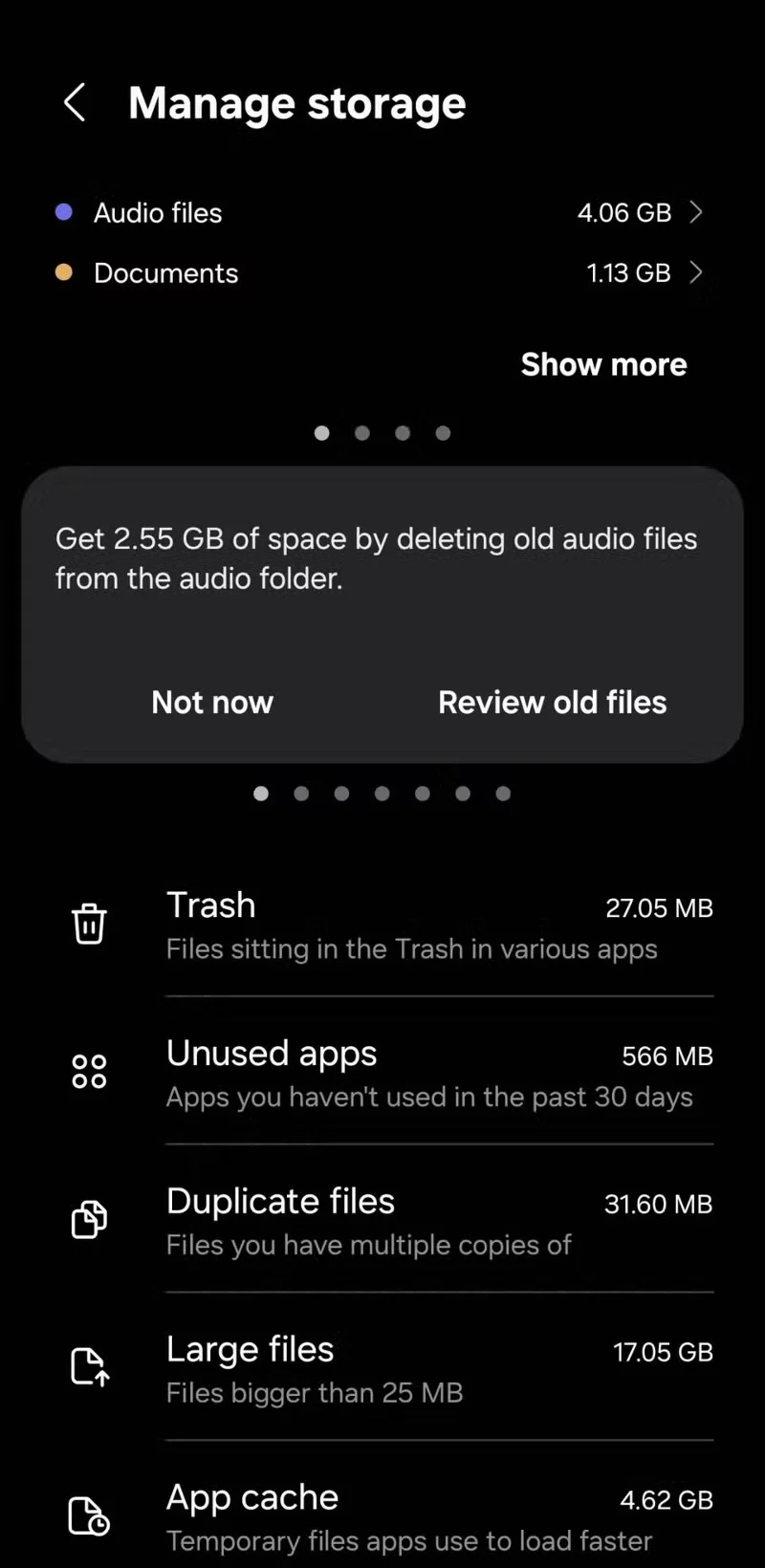
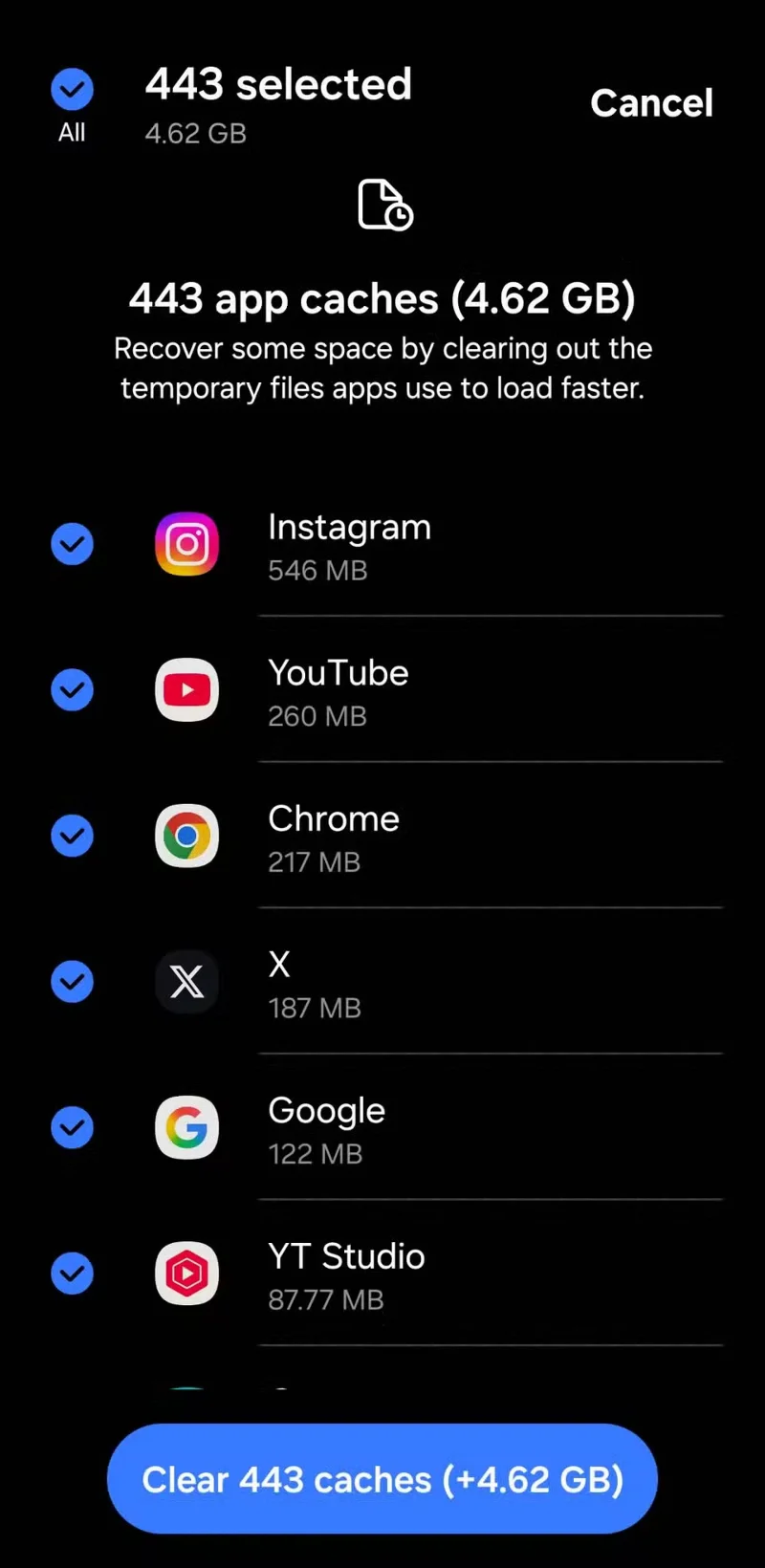
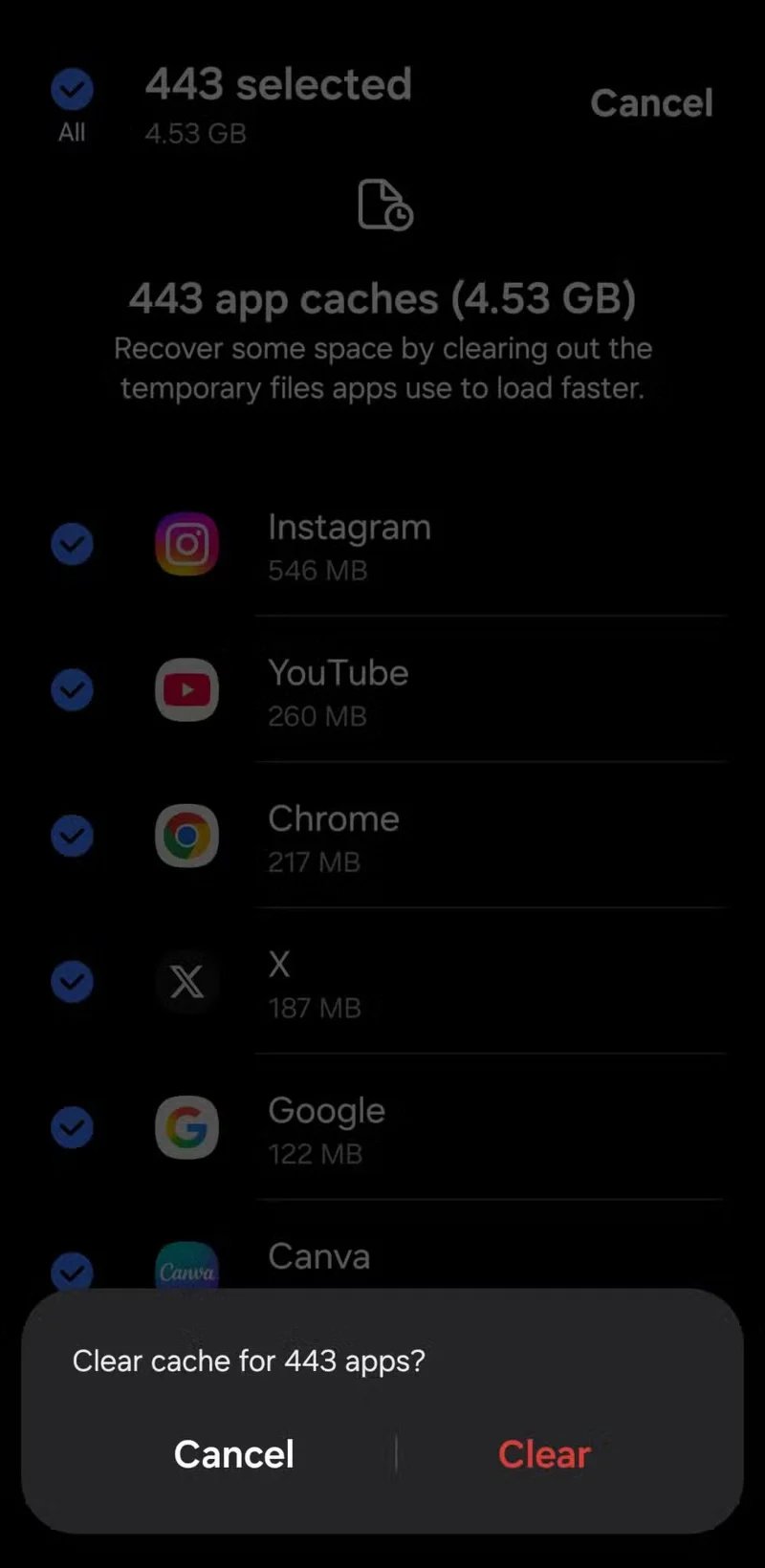
Over time, cached data can silently build up and take up a large portion of your storage space. While most Android phones let you clear caches for individual apps, Samsung's One UI interface offers a faster solution. Instead of deleting individual apps, you can clear all app caches at once.
Go to Settings > Device Care > Storage > App cache . Tap All in the top left corner to select all the apps, then tap Clear caches to delete the temporary files. If there are a few apps you want to keep—perhaps ones you use frequently—you can uncheck them before confirming.
3. Delete old unnecessary offline files
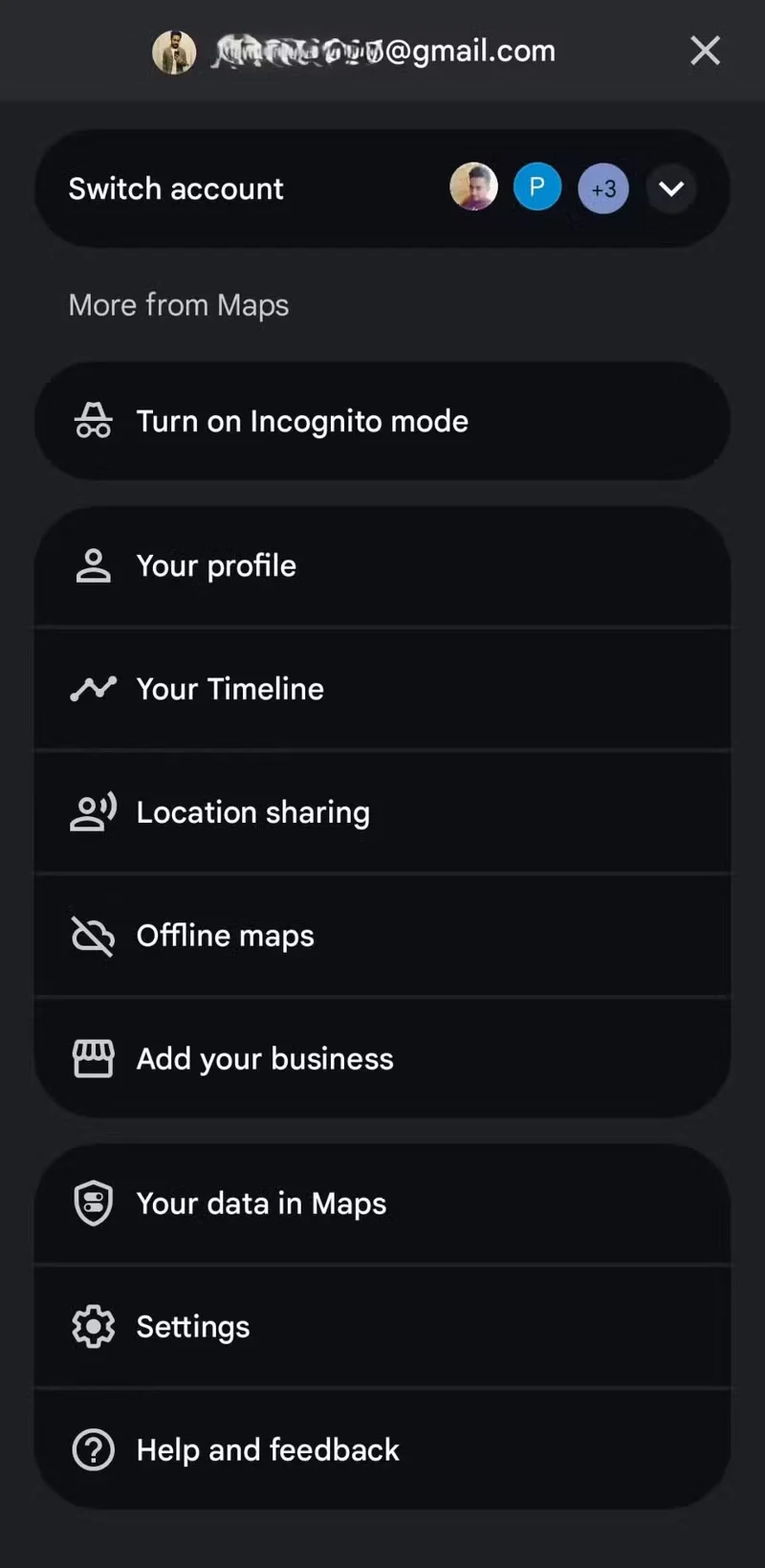
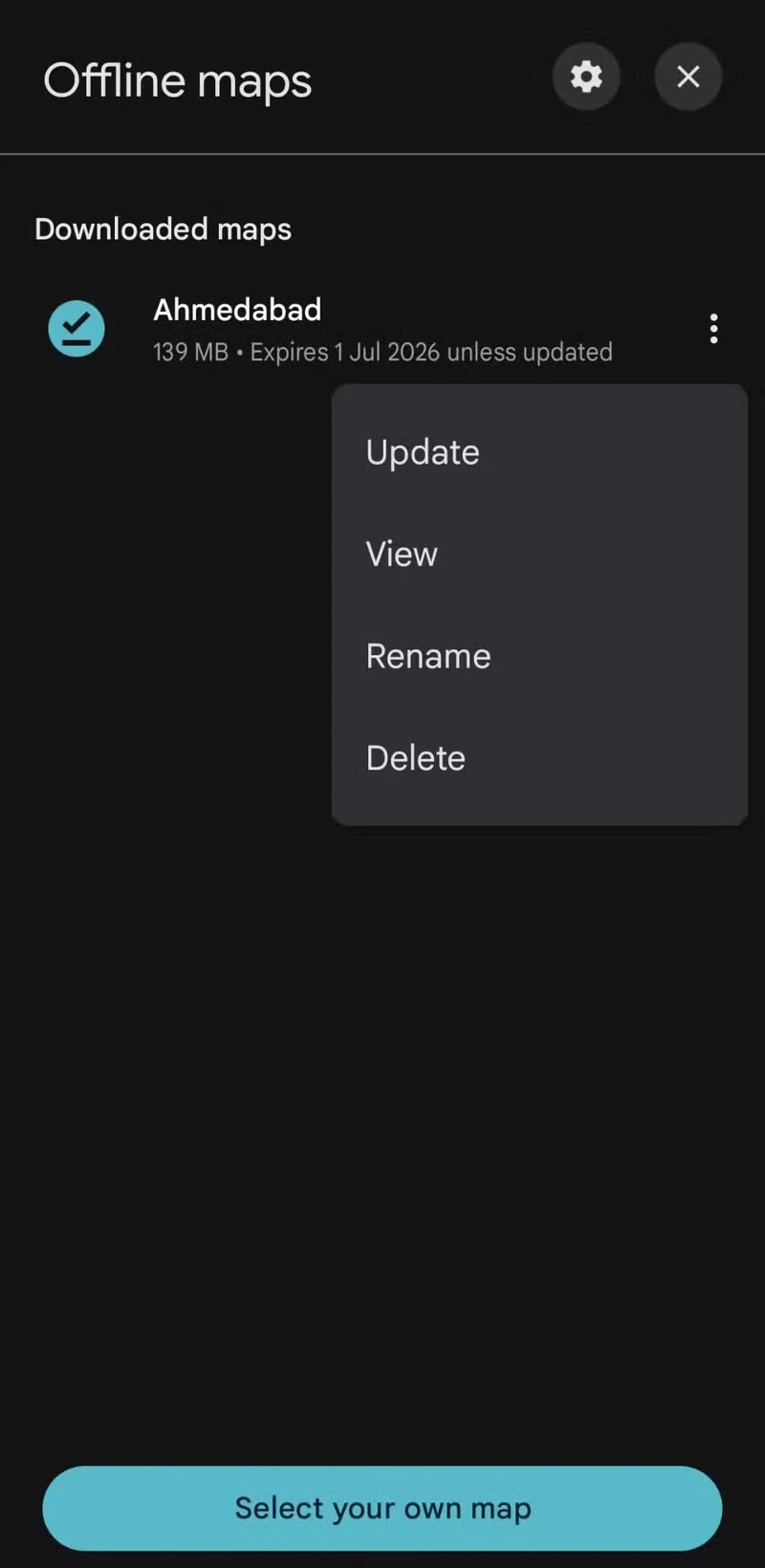
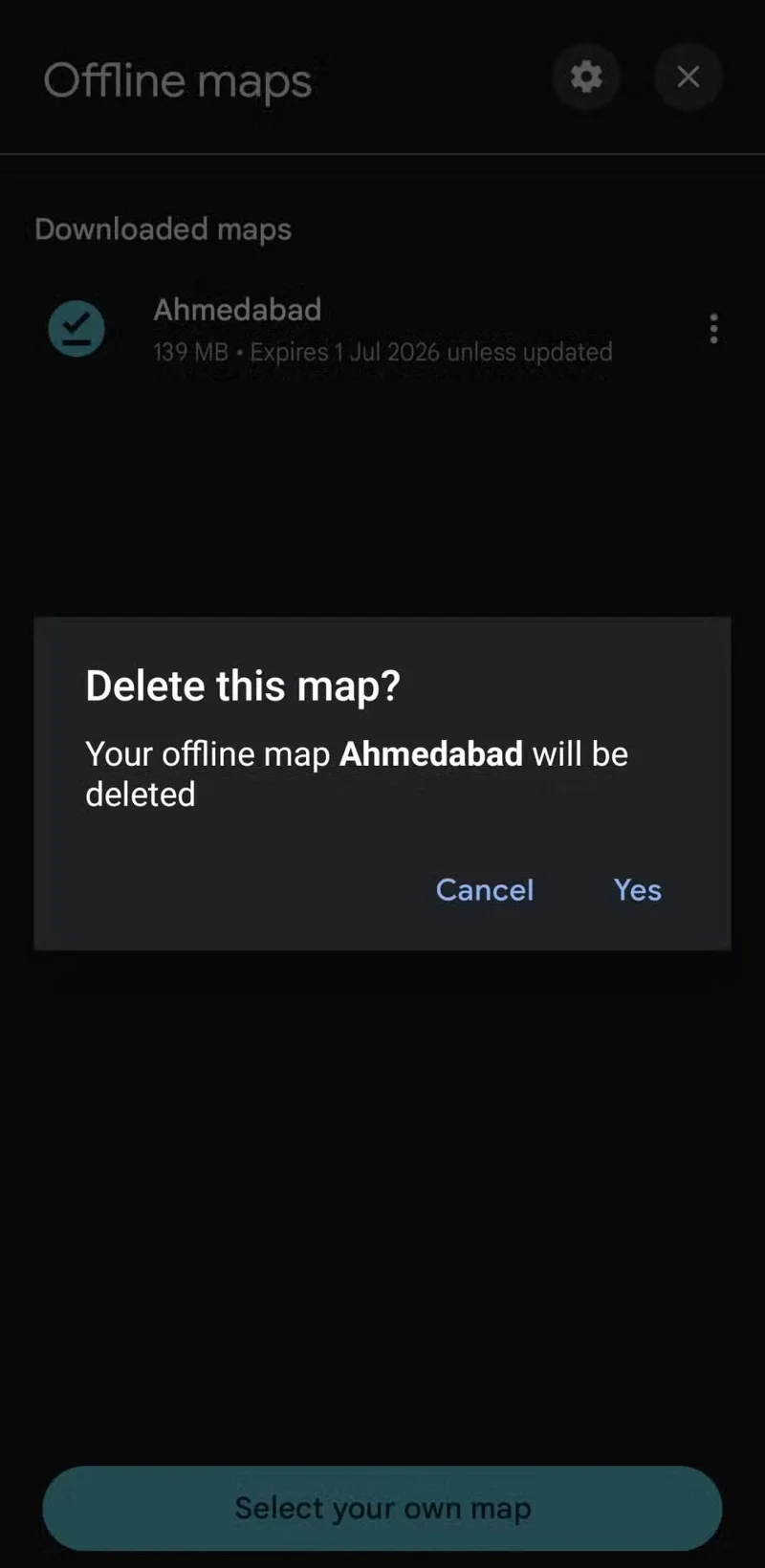
Apps like Google Maps , Spotify , Netflix , YouTube , and many others make it easy to download content for offline use. This way, you can listen, watch, or navigate even when you don't have an Internet connection. However, that convenience comes at a storage cost.
Start by checking the apps you might have downloaded content from. In Spotify, go to Library and delete any downloaded albums or playlists you no longer listen to. In YouTube, go to Settings > Downloads to delete old videos. Netflix has a Downloads tab , and Google Maps lets you manage offline maps in Settings > Offline maps .
2. Upload large videos to the cloud
Samsung phones' cameras are great for shooting 4K video, but all that sharp, high-quality video can quickly take up storage space. If you can't delete it, you can move some of your larger videos to the cloud to free up space on your phone.
The Samsung Gallery app integrates with OneDrive, making it easy to store large videos. OneDrive gives you 5GB of free storage, but you can upgrade to the Microsoft 365 Basic plan for 100GB of storage for $2/month.
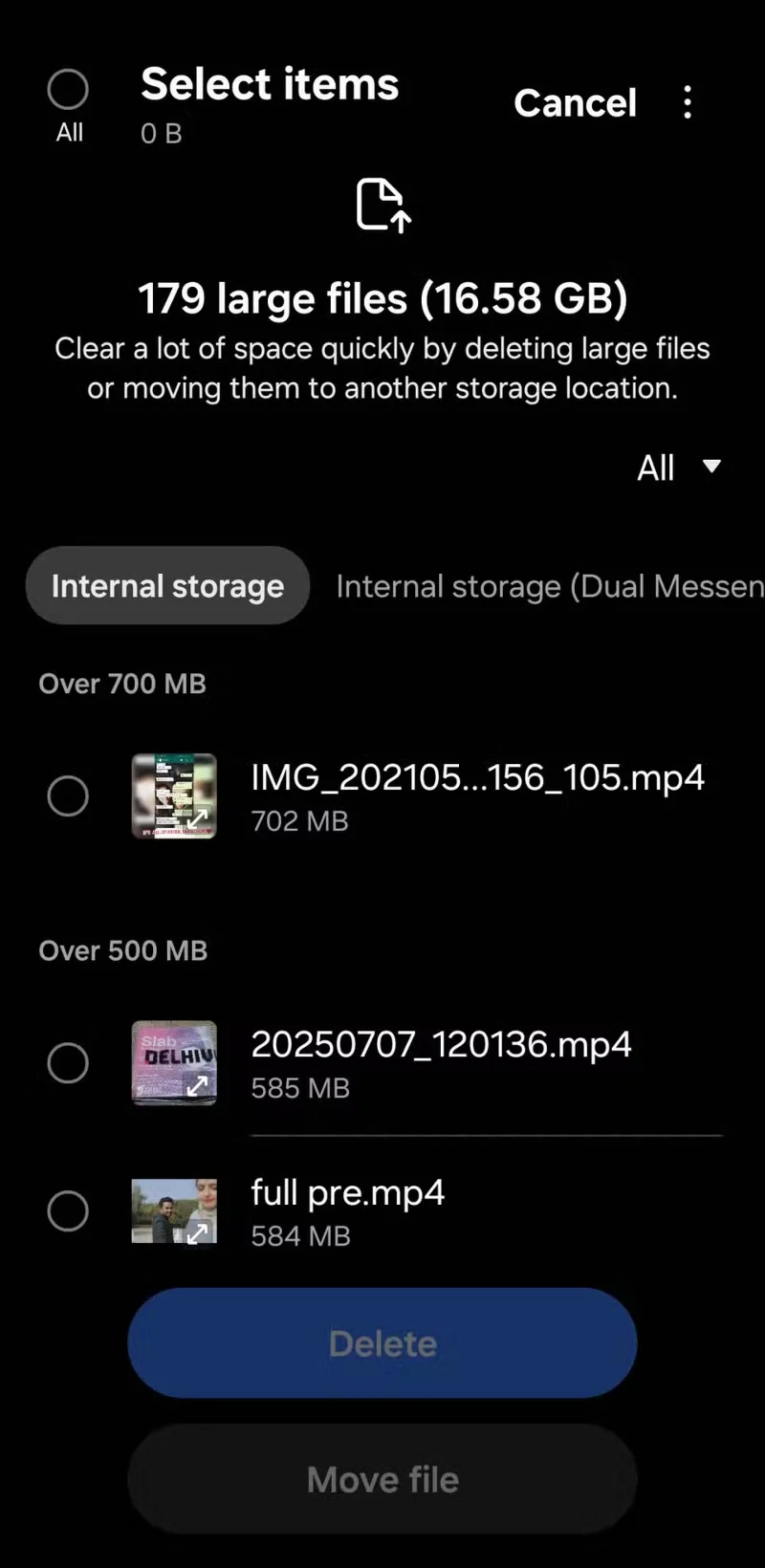
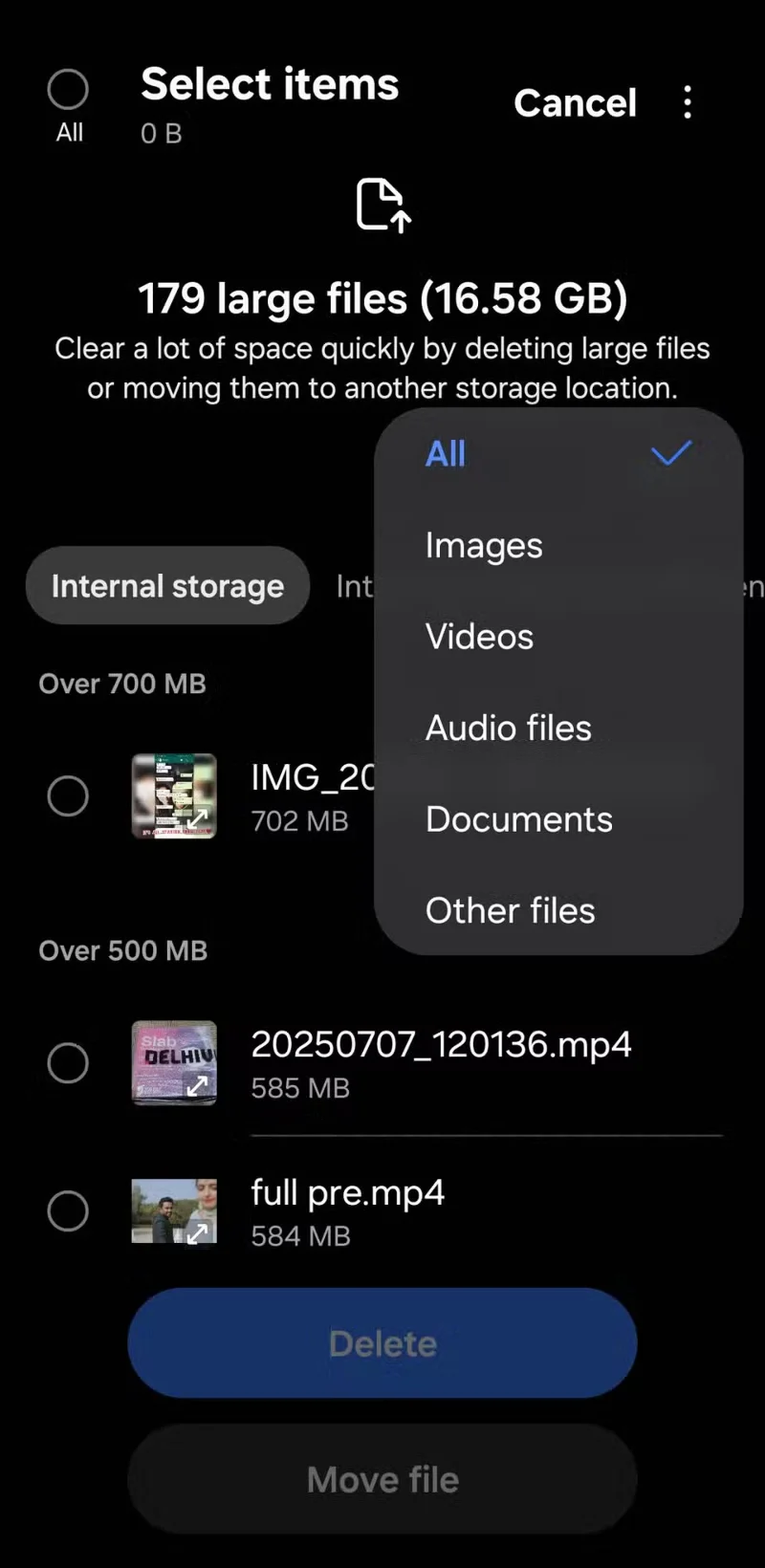
If you prefer Google's cloud services, the Google Photos app lets you back up large video files individually. To find them easily, open the Storage menu , tap Large files , and use the drop-down filter to select Videos .
1. Delete the "other files"
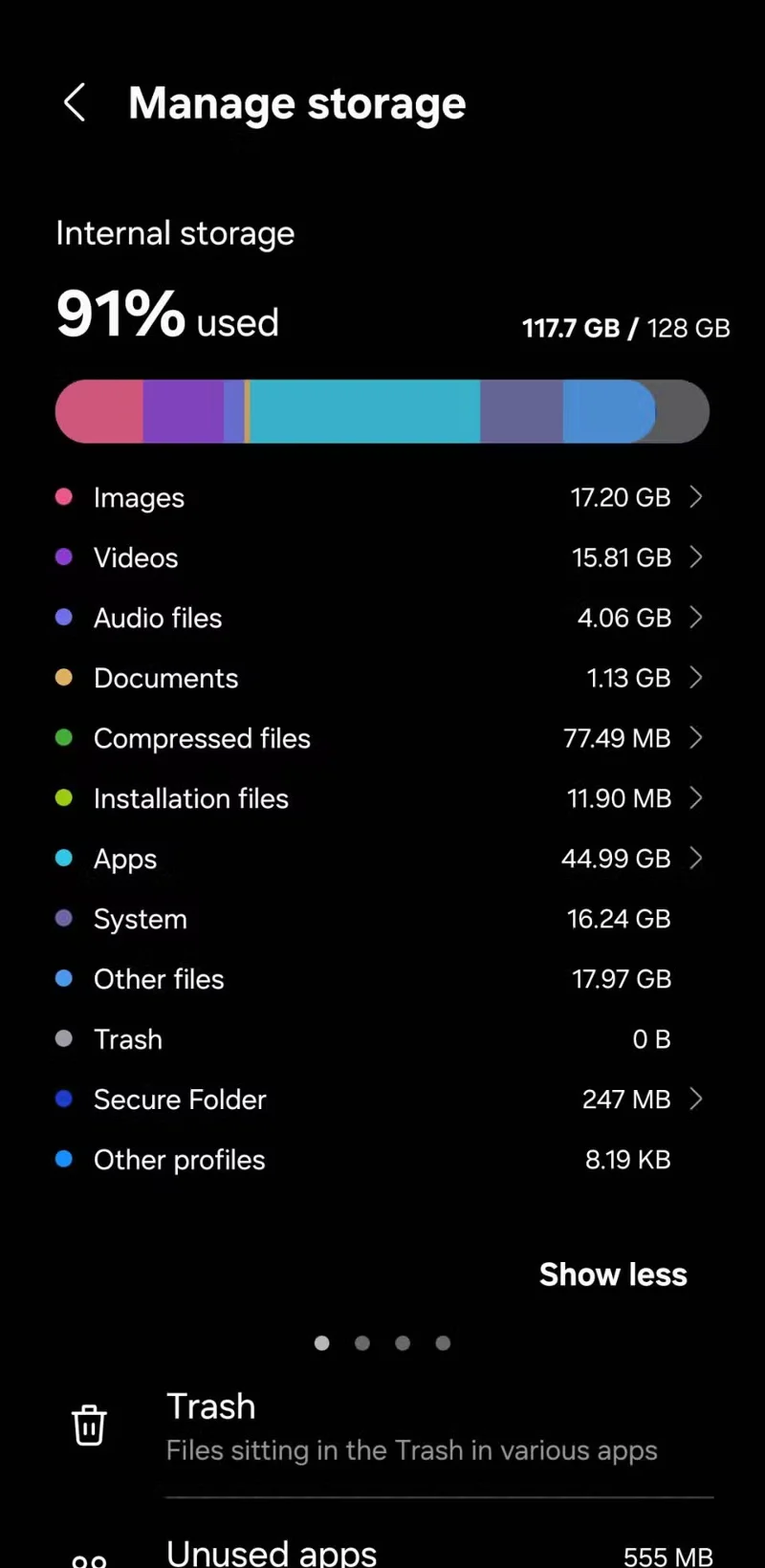
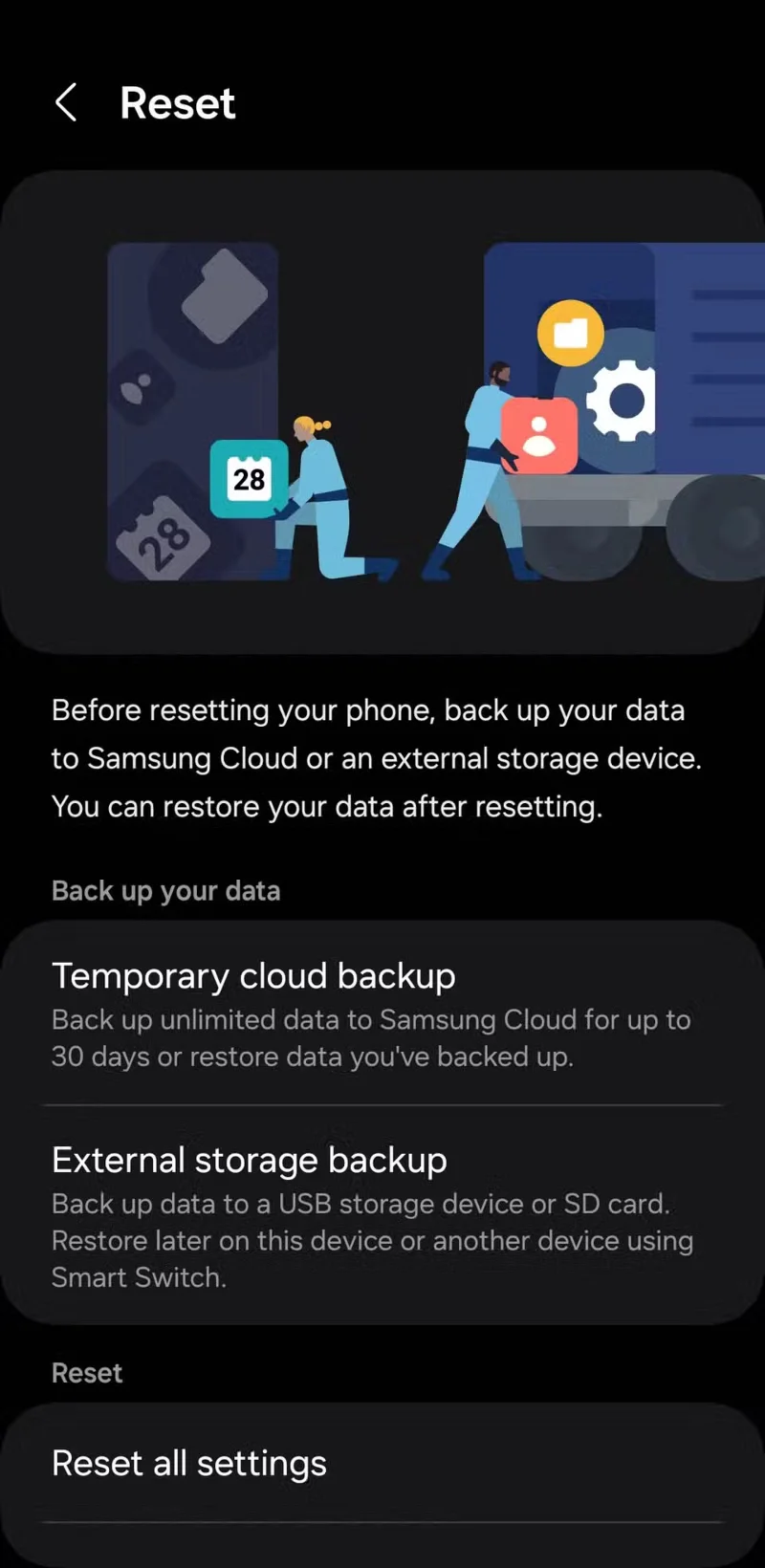
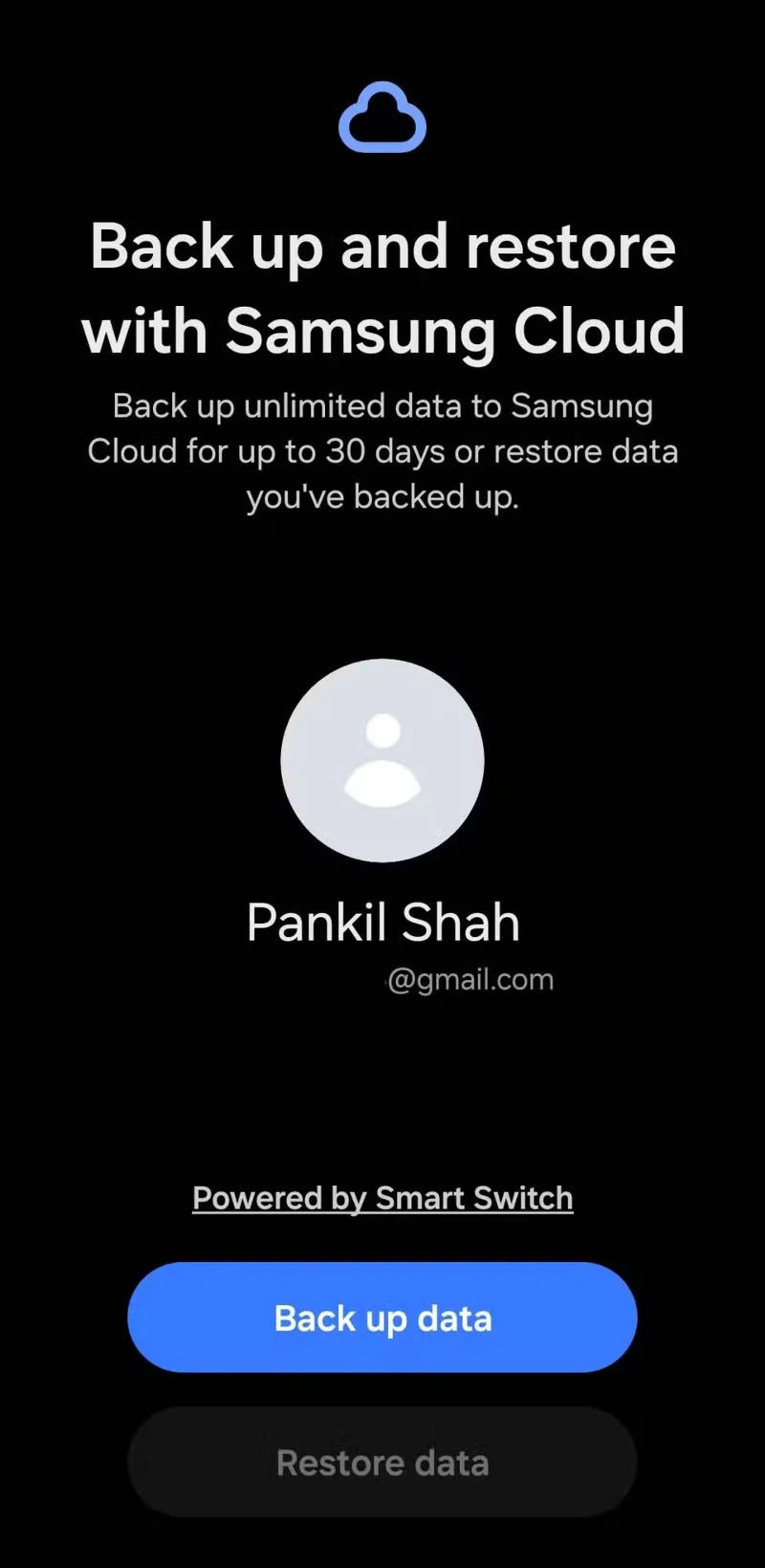
It’s normal for Other to use some storage . But if it’s taking up an unusually large amount of space, the most effective way to reclaim some space is to perform a factory reset. The good news is that Samsung offers a free temporary cloud backup feature that stores your phone’s data for up to 30 days. It backs up your apps, settings, messages, call history, and even your home screen layout.
You can use cloud backup to safely restore factory settings without losing any data. And once you do, you'll likely see a significant reduction in your Other storage category.
Learn how to update Google Chrome browser on Windows, Mac, and Android in minutes to enjoy better security, speed, and new features. Follow these clear steps.
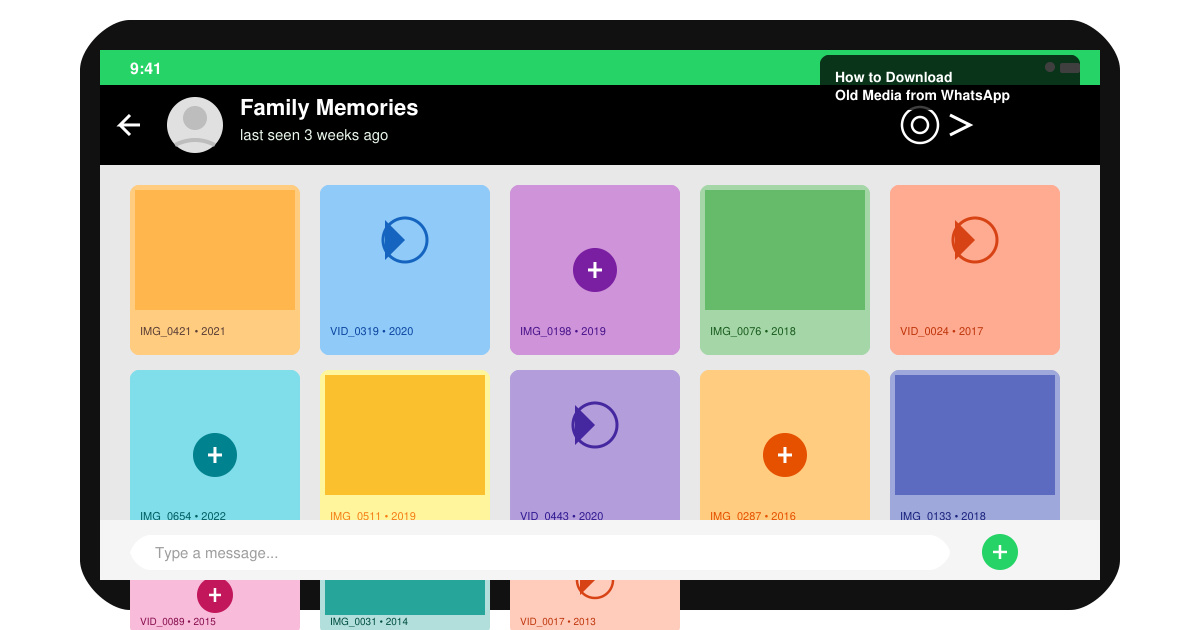
Learn how to download old media from WhatsApp and recover photos or videos from past chats. Follow these clear steps to save files that no longer appear in your gallery.
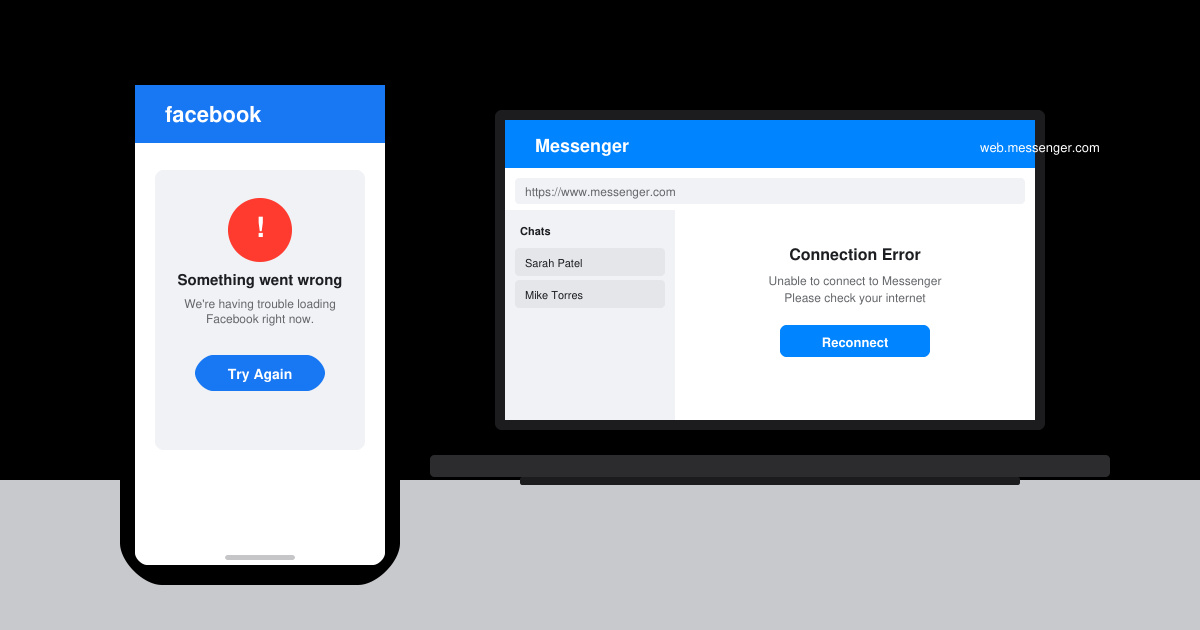
Facebook Messenger Isn T Working on your device? Use these exact troubleshooting steps to restore chats, calls, and notifications fast on Android, iOS, or desktop.
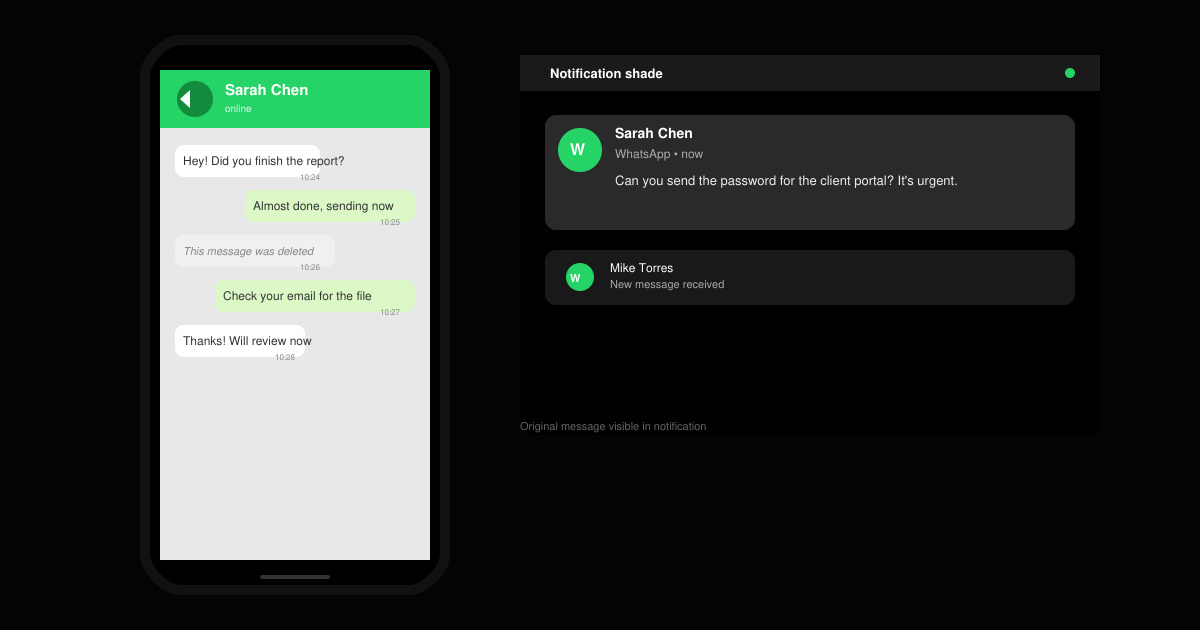
How to See Deleted WhatsApp Messages using your phone's built-in tools. Follow these exact steps to recover messages that contacts have deleted from chats.
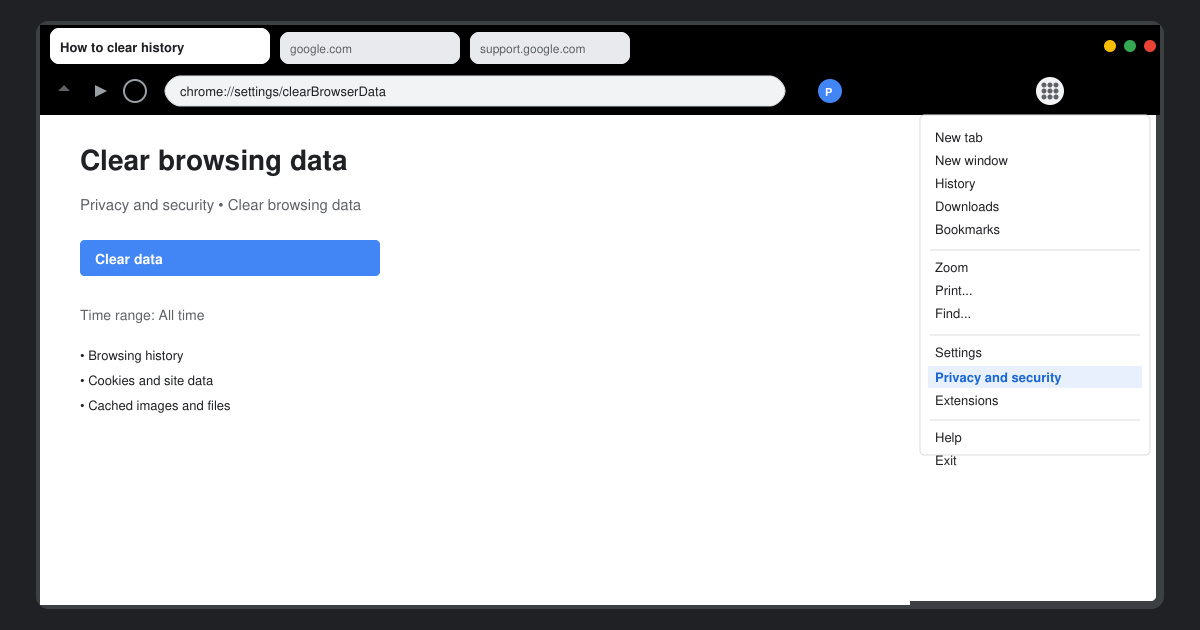
Learn how to clear browser history in Chrome on desktop and Android with this exact step-by-step process. Keep your browsing private and free up storage space quickly.
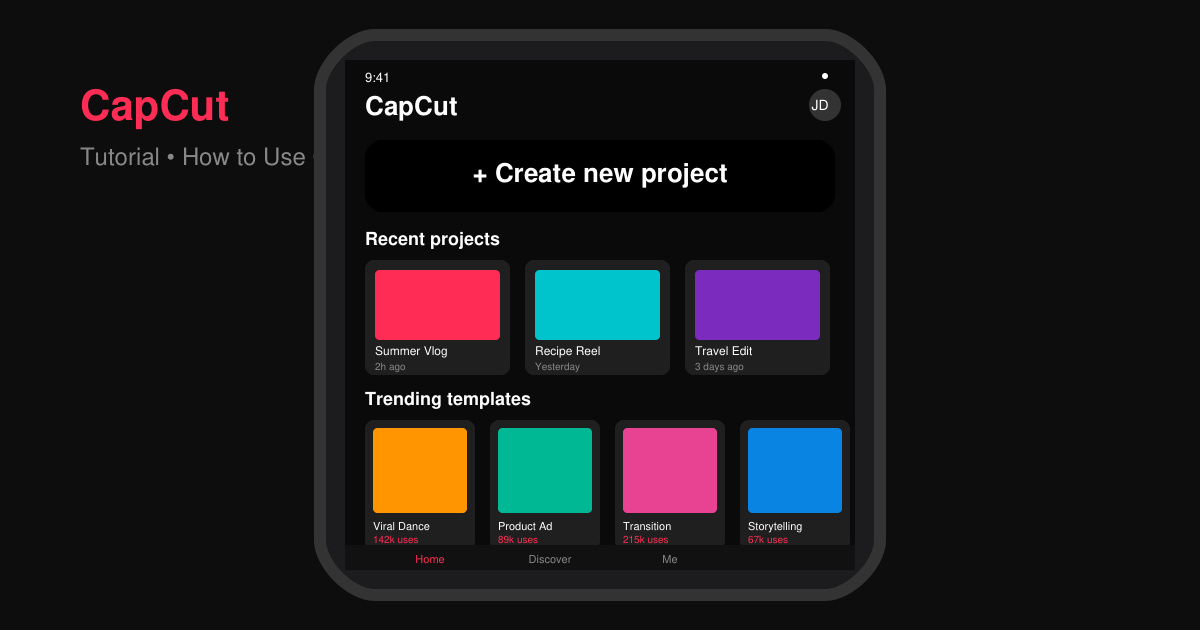
Master how to use CapCut with this practical walkthrough covering project setup, editing tools, effects, and export options for high-quality video results.
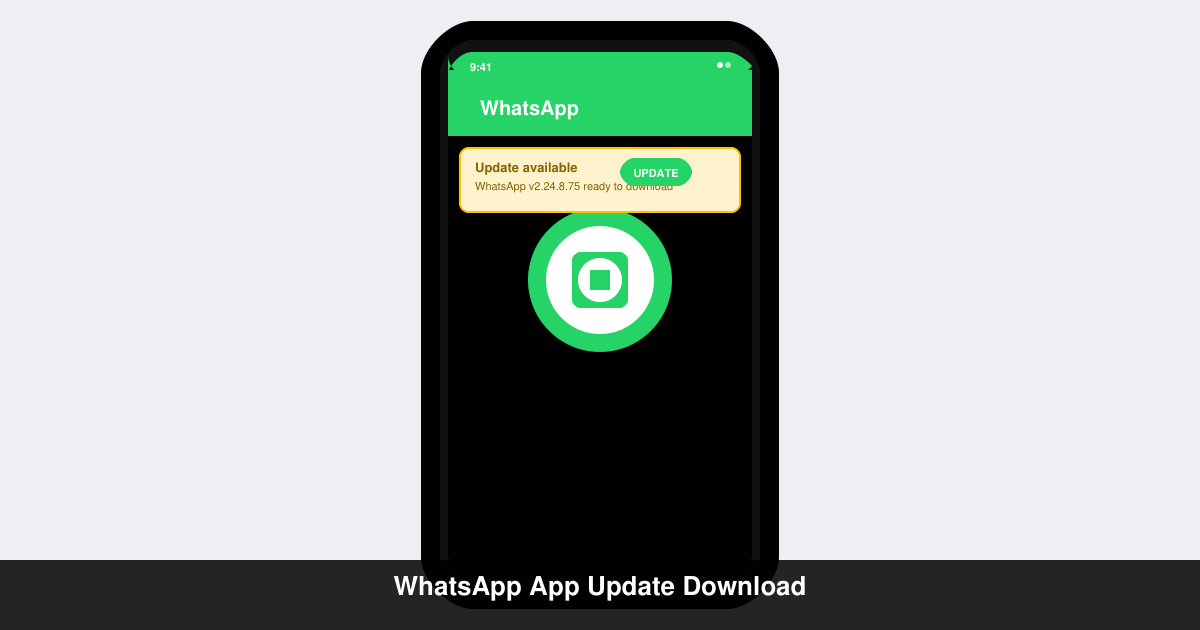
Get the latest WhatsApp App Update Download from official sources to access new features and security improvements. Follow these clear steps for Android and iOS devices.
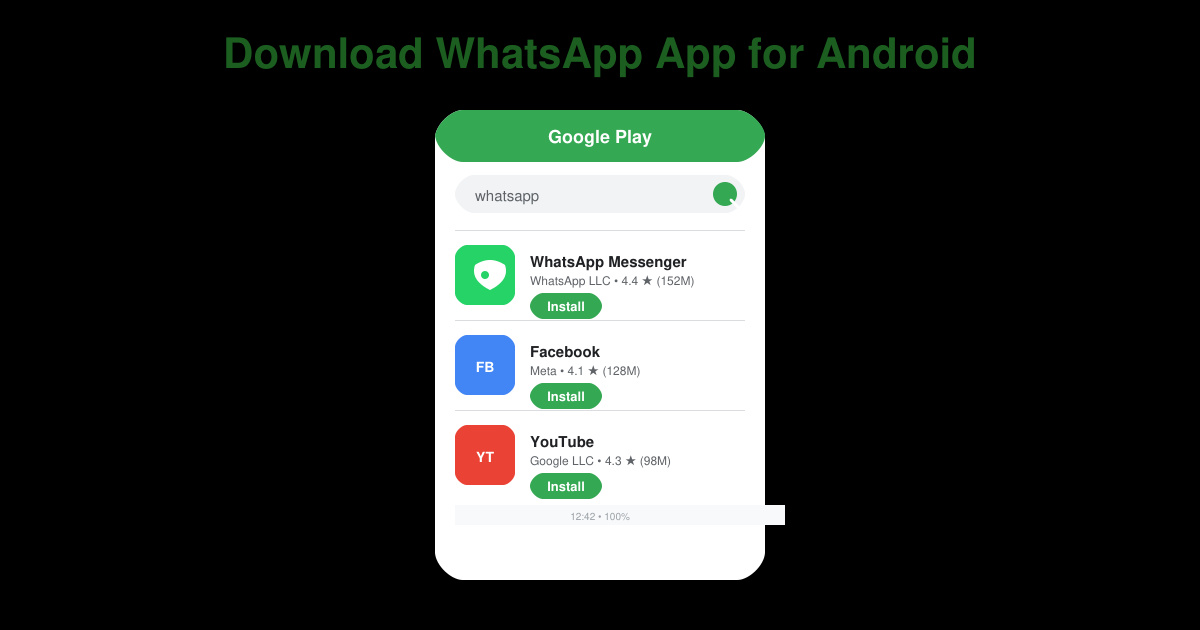
Learn how to safely Download WhatsApp App for Android from the official Google Play Store. Follow our clear step-by-step instructions to install the latest version quickly and securely.
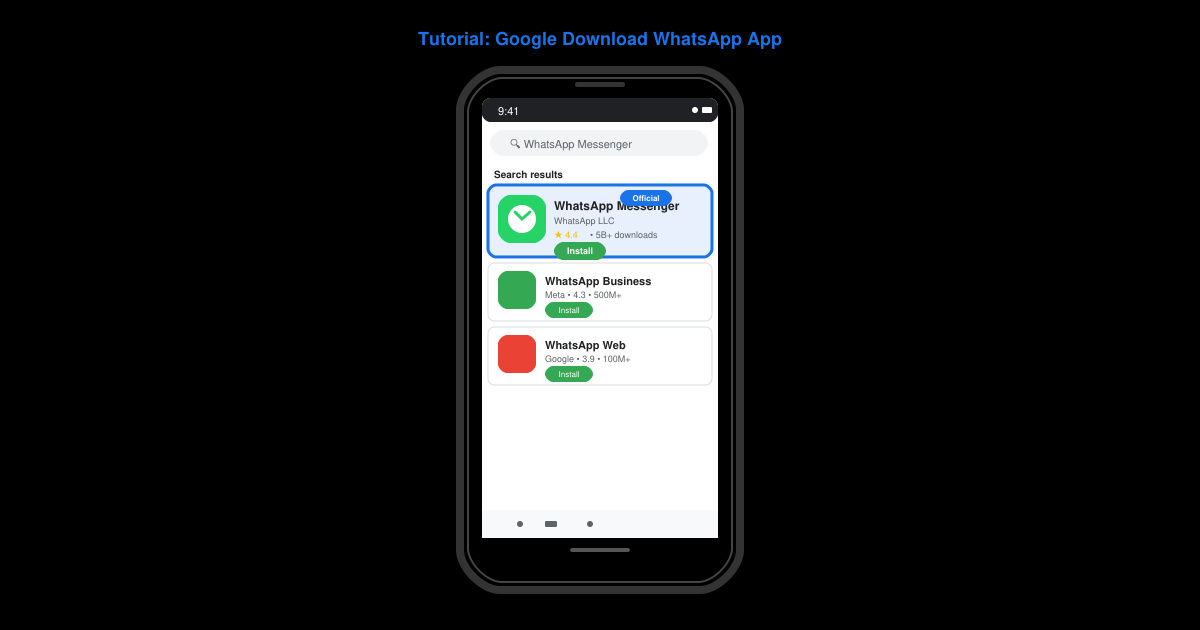
Google Download WhatsApp App safely through the Google Play Store with this clear guide. Get the official version on your Android device quickly and avoid fake downloads.
Facebook and Messenger not working can disrupt your day. Follow these targeted fixes to restore access quickly on mobile and desktop.