Trick-or-Treating in 2026: What’s Changing on Halloween Night
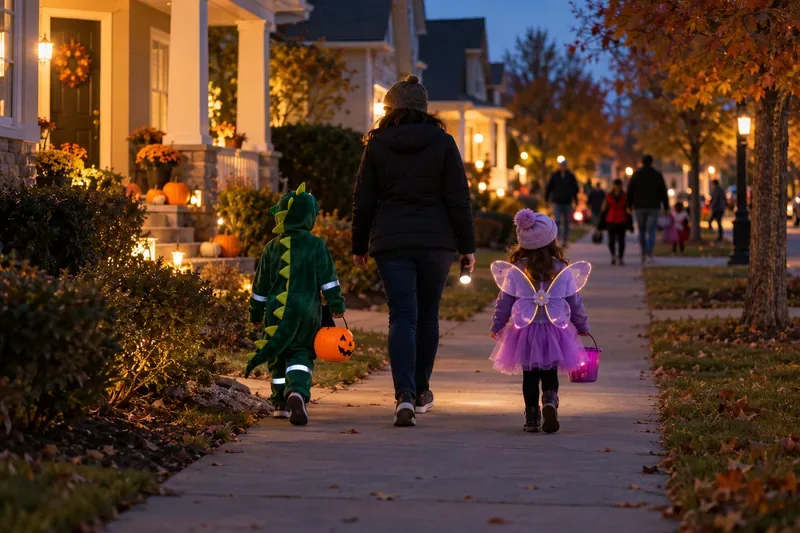
See what the latest 2026 Halloween survey says about trick-or-treating, community events, and practical ways to plan a safer neighborhood outing.
A “Starlight Spirituality” Halloween moon party can be a calm, imaginative gathering built around skywatching, reflection, seasonal food, and conversation. Treat “starlight spirituality” as a theme you define with your guests, not as one ancient or standardized practice. Keep factual astronomy separate from personal belief: the Moon’s phase and position can be checked, while the meaning guests attach to them is individual. No activity needs to promise healing, predict the future, or produce a supernatural result.
There is a timely skywatching option in 2026: NASA’s October guide says the Moon will pass near the Pleiades star cluster on the night of October 27–28. That is a verified astronomy note, not a guarantee that the cluster will be visible from every backyard; clouds, local horizon, light pollution, and your location matter. If seeing the Moon and stars is central, consider hosting on one of those evenings near Halloween, then check a local moonrise forecast and the weather. NASA’s guide was published October 1 and last updated October 2, 2026.
For this event, let it mean a thoughtful, star-themed Halloween gathering with room for personal reflection. There is no single official ritual everyone must follow. A guest might enjoy naming a hope for the coming season; another might prefer to look at the sky, make a paper constellation, or simply share cider. Ask guests about the tone they want before planning. State in the invitation that spiritual participation is optional and that the event is welcoming to people with different beliefs or none.

Do not assume so. NASA explains that Moon phases reflect how much of the sunlit half of the Moon is visible from Earth; “moonlight” is reflected sunlight. Its October 2026 skywatching guide highlights the Moon near the Pleiades on October 27–28, not a special lunar event on October 31. If you want to build the gathering around a visible Moon, use NASA’s October 2026 skywatching guide and local rise/set information to pick a suitable date. If the Halloween date matters most, keep the lunar theme in décor and activities even if the Moon is not in the phase you imagined.
Verified: the Moon’s phase and apparent position can be calculated and observed. Location-dependent: the time and direction to look, visibility, and whether the Moon clears buildings or trees. Personal or not established by astronomy: a claim that a particular phase guarantees a spiritual, emotional, or life outcome. Use the sky as a beautiful focus for reflection, not as proof of a prediction.
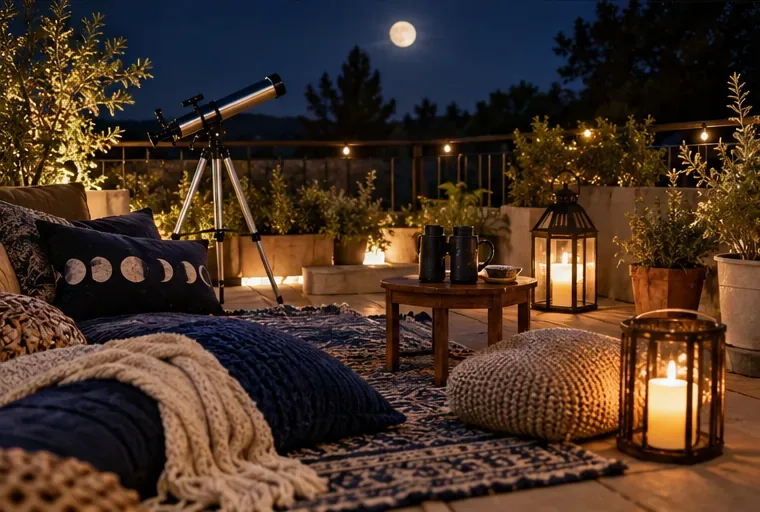
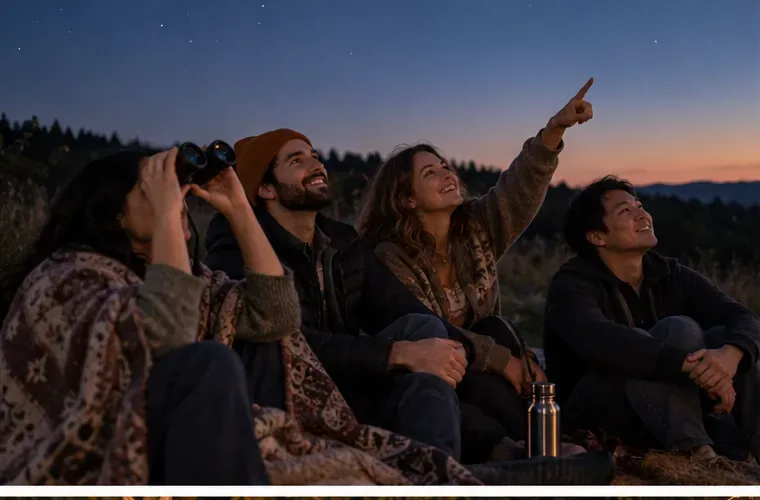
Choose a spot with a clear view of the eastern sky for the October 27–28 Pleiades viewing described by NASA. A balcony, yard, park, or window may work, but check access rules and lighting. Put out chairs or blankets, warm layers, water, and a flashlight. Binoculars are optional; the Pleiades can be visible to the unaided eye under suitable conditions, while binoculars can show more stars. Keep the event enjoyable if the sky is cloudy by preparing an indoor backup: a NASA sky chart, a planetarium app you have checked in advance, or a constellation craft.
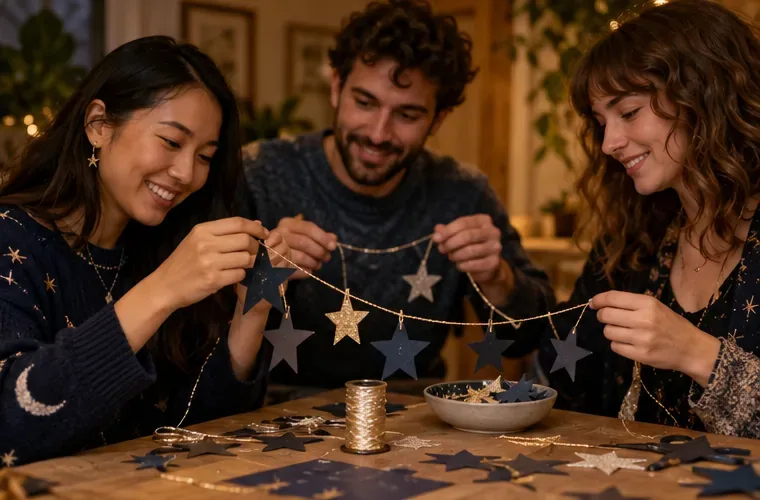
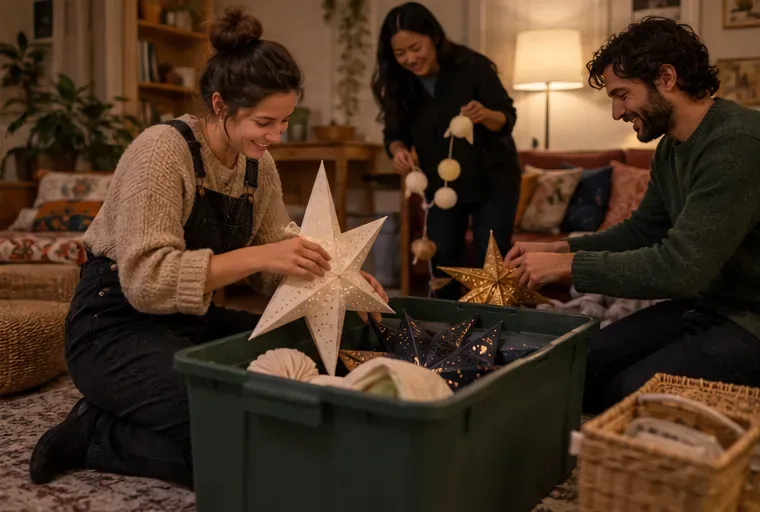
Use deep blue or black fabric, silver paper stars, a moon-phase garland, reflective accents, and a few pumpkins. A low-cost craft can be as simple as cutting star shapes from paper and hanging them at eye level. Keep the main table and paths clear so guests can move around. If you want a ritual-like moment, call it a reflection pause or seasonal intention activity and explain exactly what guests will be asked to do.
Be specific about the cultural references you use. “Moon party” is a broad aesthetic, not permission to borrow sacred symbols, ceremonies, or restricted practices from a culture you do not belong to. Avoid presenting a made-up activity as an authentic Indigenous, Wiccan, or other religious rite. If a guest shares a practice from their own tradition, let them decide whether and how to explain it; do not ask one person to represent an entire community.
Offer a menu of optional activities, not a required sequence of “correct” rituals. Guests can write a hope or something they want to leave behind on a card, share a favorite seasonal memory, sketch the Moon they can see, or name one thing they appreciate about the night sky. Make sharing optional; cards can remain private or be discarded afterward. A short group pause for quiet observation can be meaningful without asserting that it changes anyone’s energy or fortune.
For a more playful Halloween mood, add a “constellation story” round: each guest invents a short tale about a pattern of stars, clearly labeling it as imaginative storytelling. Another option is a moon-phase matching game using printed diagrams. Explain that cultural moon stories differ and that the group’s invented story is not astronomy or a traditional account. You can use NASA’s Moon phases explainer for a factual introduction before the creative activity.

Some guests may connect lunar phases with astrology or spiritual traditions. Respect that as personal or cultural meaning, while avoiding presenting an interpretation as a verified scientific effect. Astronomy describes observable positions, light, and motion; astrology assigns symbolic meanings that vary across traditions and practitioners. If you include a zodiac-themed prompt, describe it as optional entertainment or personal reflection, not a scientifically validated forecast. A useful host line is: “We’re sharing interpretations and stories, not making predictions or asking anyone to agree.”
That distinction also helps prevent a party activity from becoming pressure. Do not ask guests to disclose trauma, health concerns, relationship problems, or private spiritual practices. Keep prompts broad, allow people to pass, and avoid advice about medical, financial, or major life decisions based on a card, sign, or moon phase.
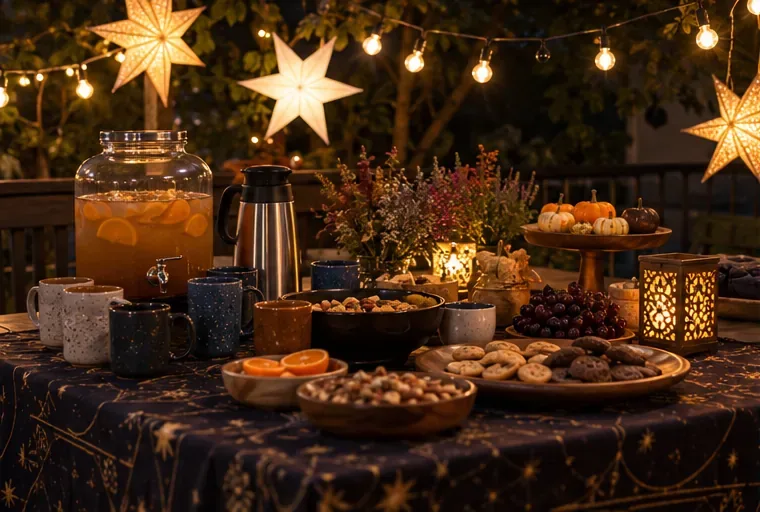
Serve easy finger foods and warm or cold drinks that suit the weather. Label common allergens where possible and offer a nonalcoholic choice. Keep hot drinks away from telescopes and crowded walkways. For lighting, choose battery-operated lanterns or LED candles when practical, especially near fabric, paper garlands, costumes, children, or pets. The U.S. Fire Administration recommends considering battery-operated flameless candles; its candle fire safety guidance says lit candles should be stable, kept at least 12 inches from burnable items, and extinguished when leaving the room. Never leave an open flame unattended.
For an outdoor party, check the forecast, use weather-appropriate layers, and make sure guests can safely reach the viewing area. Do not rely on darkness for atmosphere if it makes steps or uneven ground hard to see. Keep a brighter entry light and a clear path to the door. If you are at a park or shared property, check its hours and rules before inviting people.

Keep the evening intact by planning a weather-proof version. Move the reflection activity indoors, use a printed sky map, or play a short sky-identification game. If your group wants to try again, set a second optional date rather than treating poor visibility as a failed party. Moonrise times, horizons, and light pollution vary by location; check local conditions close to the event instead of promising a particular view.
Keep the schedule flexible. The purpose is a welcoming Halloween gathering with a celestial theme, not a test of anyone’s astronomy knowledge or spiritual beliefs.
End with thanks and let guests choose whether to share what they wrote or experienced. Avoid interpreting someone else’s reflections, making predictions, or posting photos without permission. Pack away decorations and switch off lights before leaving the space. If guests ask about the sky event, direct them to NASA’s current observing notes and remind them that the view depends on location and weather.
A thoughtful moon party can be atmospheric without promising mystical outcomes. Let the observable night sky provide the setting, let guests decide what it means to them, and make comfort, consent, and safety part of the plan.
See what the latest 2026 Halloween survey says about trick-or-treating, community events, and practical ways to plan a safer neighborhood outing.
Plan a thoughtful Halloween moon party with optional reflection, simple stargazing, accurate 2026 sky notes, respectful spiritual framing, and safe lighting.
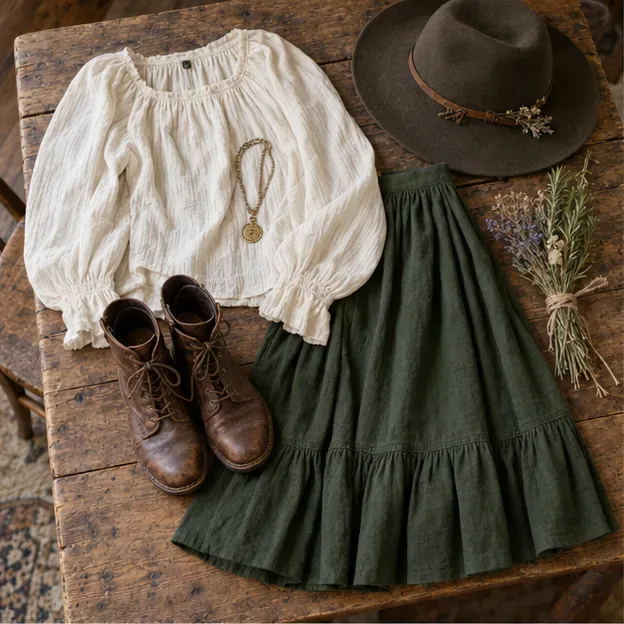
Build a comfortable cottagecore witch costume with beginner-friendly layers, thrifted pieces, simple makeup, practical accessories, and Halloween safety checks.
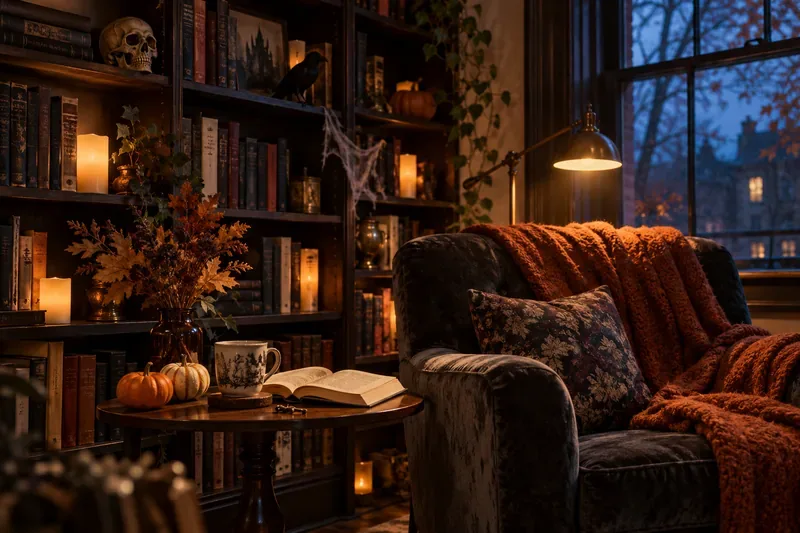
Explore BookTok-inspired horror books and Halloween decor, comparing gothic, cozy, and slasher styles with practical tips for a safe reading nook.
See the biggest Halloween 2026 trends in costumes, décor, shopping, pets, and party planning—with survey data, dates, and practical ways to choose.
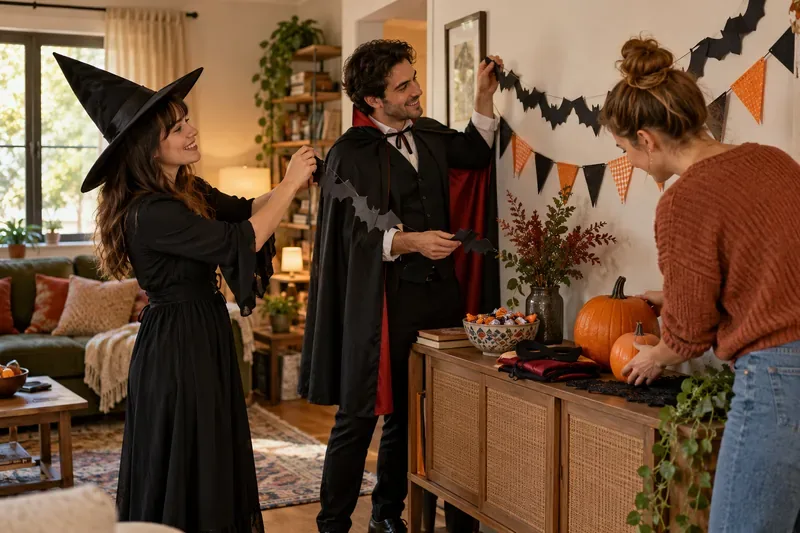
Host an affordable Halloween party with a clear spending cap, DIY decorations, simple food, free games, and practical safety tips.
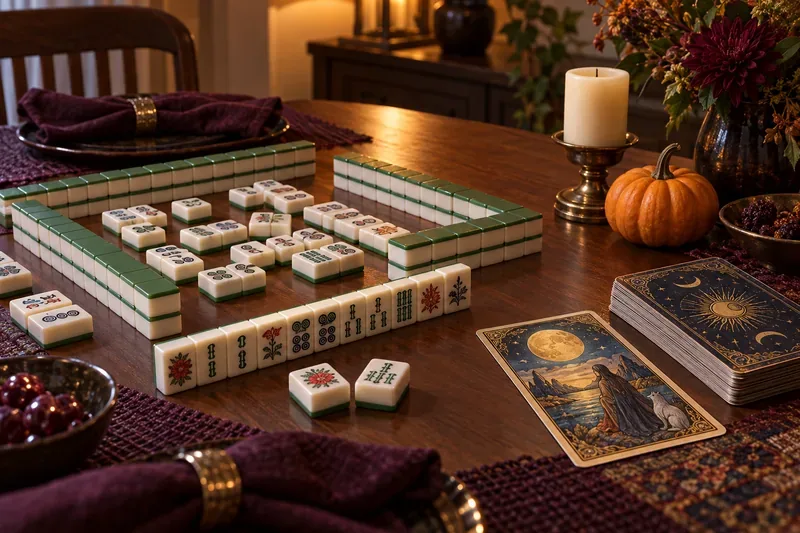
Choose Halloween party games by group size, experience, and mood, with simple ways to make tarot and mahjong welcoming for every guest.
Compare 2026 dog Halloween costume trends by search interest, fit, comfort, and mobility—from hot dog and shark looks to simple bandanas.
Learn how the Gravity Falls-inspired summer Halloween works, choose a date and celebration style, and plan a low-stress Summerween party.
Plan an inclusive virtual Halloween party for remote teams with time-zone-friendly scheduling, simple games, accessible options, and a practical hosting checklist.