Trick-or-Treating in 2026: What’s Changing on Halloween Night
See what the latest 2026 Halloween survey says about trick-or-treating, community events, and practical ways to plan a safer neighborhood outing.
Yes, trick-or-treating is changing at the edges, but the 2026 evidence does not show the tradition disappearing. A National Retail Federation (NRF) analysis published October 6 says planned door-to-door trick-or-treating has eased from its post-pandemic rebound, while themed events such as trunk-or-treats and pumpkin patches are attracting interest from families with young children. For your block, treat that as a reason to check local plans—not as proof fewer neighbors will open their doors.
Halloween remains widely celebrated. NRF’s September 22 survey release says 74% of respondents planned to celebrate in 2026, roughly level with 73% in 2025. In its October 6 trend analysis, NRF says plans to trick-or-treat and carve pumpkins have declined over the past couple of years after returning following the pandemic; families with young children are more likely than adults overall to plan a themed event beyond a party, including trunk-or-treat, a pumpkin patch, or another community celebration.
Those findings point to a wider menu of Halloween plans, not a universal move away from residential streets. The survey measures consumer plans, not the number of children who actually visit a particular neighborhood, and the published analysis does not give a specific 2026 percentage for trick-or-treating. It also does not explain why plans have shifted. Household schedules, traffic, weather, local events, and personal preferences can all shape an individual family’s choice, but the national survey cannot tell you which factor is driving your area.
NRF says its 2026 survey asked 7,889 consumers about shopping plans between September 1 and 9, with a margin of error of plus or minus 1.1 percentage points. The survey is useful for broad consumer context; it is not a local turnout forecast. See NRF’s October 6 analysis of changing Halloween celebrations and its September 22 survey release for the source details.
Start with the schedule where you live. Check your city or county website, school notices, neighborhood association, or community center for any announced hours, street closures, or organized events. A trunk-or-treat is an event where participating hosts distribute candy from parked vehicles in a designated area. It can offer families a planned location, but it is not automatically safer or more accessible in every setting; check the venue, lighting, walking surface, parking, and event rules before choosing it.
If your child prefers door-to-door visits, choose a short route on familiar streets and agree on a return time. Tell another adult the route, keep younger children with a responsible adult, and use a buddy arrangement for older children who are allowed to walk with peers. If your neighborhood’s participation is unclear, ask a local group or a nearby household before planning a long loop. Keep a community event or at-home celebration as a practical backup rather than assuming every block will be busy.
The National Highway Traffic Safety Administration (NHTSA) advises pedestrians to follow road signs and signals, use crosswalks or intersections when possible, and look for vehicles in every direction, including turning cars. These basics matter on Halloween because drivers may encounter children in places they do not expect. NHTSA tells drivers to slow down, scan the road, and watch for young trick-or-treaters who may dart into the street.
NHTSA’s Halloween safety guidance covers both pedestrians and drivers. The U.S. Consumer Product Safety Commission (CPSC) also recommends well-fitting, visible costumes, flashlights, and reflective trim in its costume and decoration guidance.
For households handing out treats, clear the route to the door before dusk. Remove hoses, decorations, toys, and other trip hazards from steps, lawns, and porches. Keep the entry visible, secure pets away from the doorway if they may startle visitors, and use battery-powered lights in pumpkins or decorations near children’s costumes. CPSC recommends keeping open flames away from doorways and landings where clothing could brush against them.
Keep treats in their original packaging and inspect them before children eat them. CPSC advises adults to look for signs of tampering and to check small toys or novelty items for choking hazards when they are given to children under three. If your home is not participating, you can make that clear with a simple note or by following the communication customs your neighborhood already uses; there is no single nationwide signal for whether a home is handing out candy.
A short residential route may suit a child who enjoys visiting familiar neighbors and can walk comfortably after dark. A scheduled community event may be a better fit when a family wants a fixed location or a shorter time window. A home-based activity can work when mobility, sensory needs, weather, or local traffic make walking inconvenient. These choices can coexist in one neighborhood, and a family can combine a short walk with a community event.
For 2026, the clearest takeaway is that Halloween participation remains high while families are adding or choosing more organized alternatives. Check local schedules early, pick a plan that matches your child and surroundings, and use the same visible-costume, crossing, and clear-path precautions whichever kind of celebration you choose.
See what the latest 2026 Halloween survey says about trick-or-treating, community events, and practical ways to plan a safer neighborhood outing.
Plan a thoughtful Halloween moon party with optional reflection, simple stargazing, accurate 2026 sky notes, respectful spiritual framing, and safe lighting.
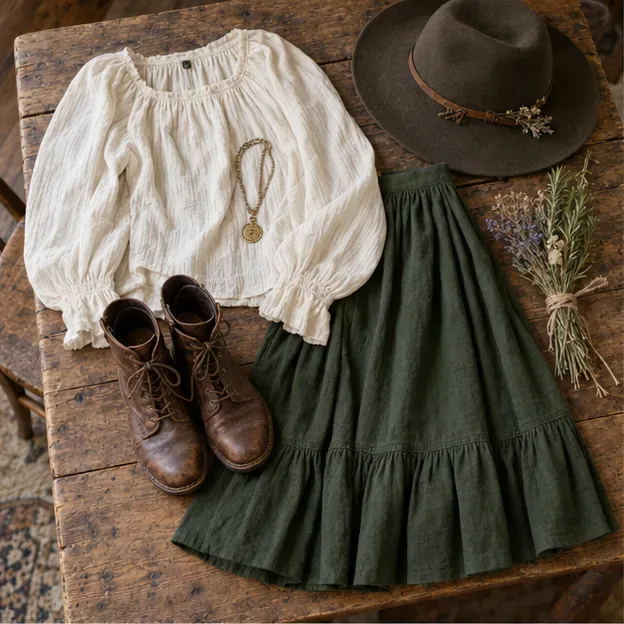
Build a comfortable cottagecore witch costume with beginner-friendly layers, thrifted pieces, simple makeup, practical accessories, and Halloween safety checks.
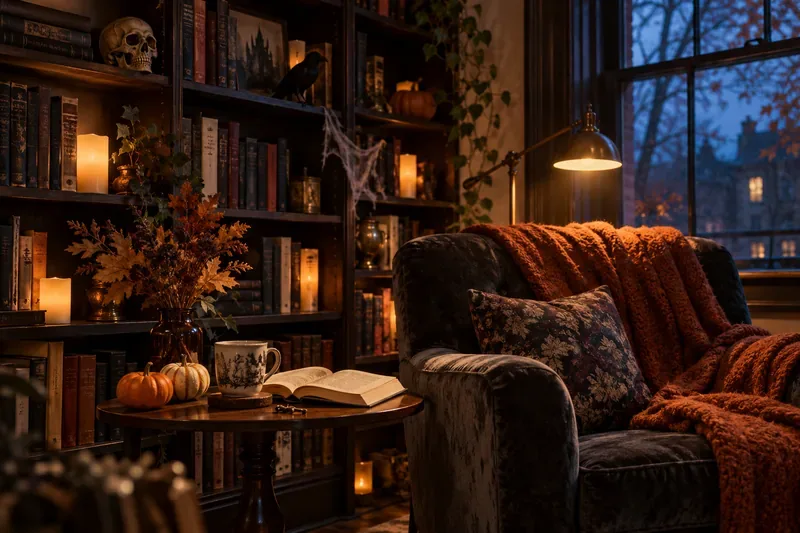
Explore BookTok-inspired horror books and Halloween decor, comparing gothic, cozy, and slasher styles with practical tips for a safe reading nook.
See the biggest Halloween 2026 trends in costumes, décor, shopping, pets, and party planning—with survey data, dates, and practical ways to choose.
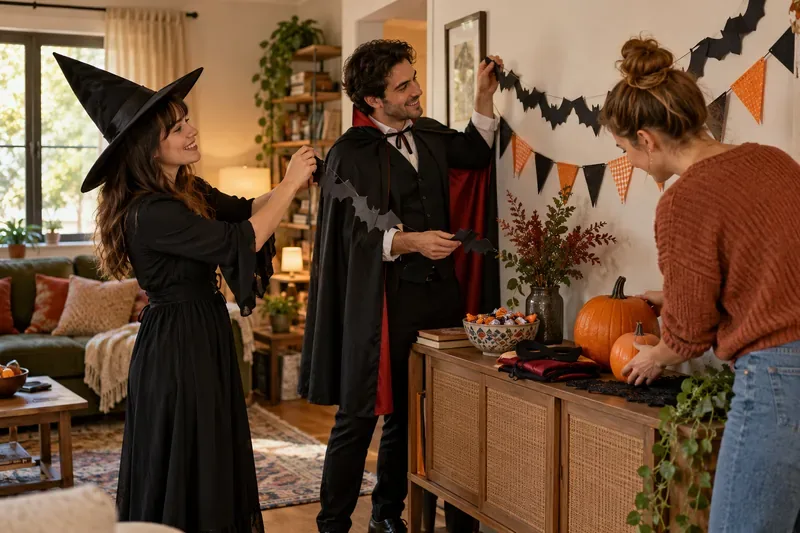
Host an affordable Halloween party with a clear spending cap, DIY decorations, simple food, free games, and practical safety tips.
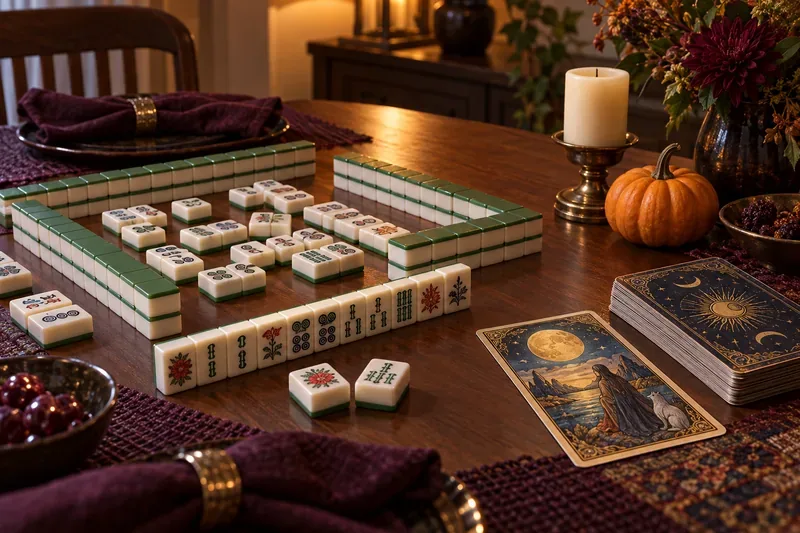
Choose Halloween party games by group size, experience, and mood, with simple ways to make tarot and mahjong welcoming for every guest.
Compare 2026 dog Halloween costume trends by search interest, fit, comfort, and mobility—from hot dog and shark looks to simple bandanas.
Learn how the Gravity Falls-inspired summer Halloween works, choose a date and celebration style, and plan a low-stress Summerween party.
Plan an inclusive virtual Halloween party for remote teams with time-zone-friendly scheduling, simple games, accessible options, and a practical hosting checklist.