Home
» Today
»
How to Vote in the 2026 U.S. Midterms: Registration, Deadlines, and Voting Options
How to Vote in the 2026 U.S. Midterms: Registration, Deadlines, and Voting Options
How to Vote in the 2026 U.S. Midterms
Election Day is Tuesday, November 3, 2026. As of October 17, Election Day is 17 days away. Registration cutoffs and ballot rules differ by state, and some deadlines may arrive before Election Day. Check your voter record and the rules for your address now. A federal election date does not create one nationwide registration deadline or a single voting method.
This guide is a practical starting point for U.S. voters. The state and local election office that serves your residence is the final authority on eligibility, registration status, deadlines, polling places, identification requirements, and accepted ballot-return methods. Use the U.S. Election Assistance Commission’s state-by-state voting directory or USAGov’s election office directory to reach official sources.
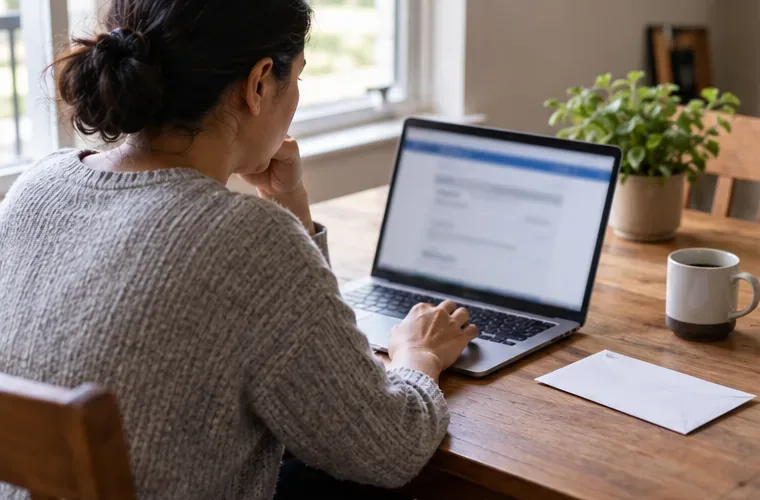
Check your voter registration through your state election office. This photo shows a generic, unreadable webpage rather than an official state portal.
1. Check your voter registration and address
Start by checking whether your registration is active for the address where you live. Use Vote.gov’s state registration tool to reach your state’s official system. The EAC directory also links to state pages for checking registration, updating a record, and finding local election offices.
Review your name and residential address carefully, especially if you moved, changed your name, or have not voted recently. A move across county or state lines can change your assigned polling place and may require an update or a new registration. Do not assume that a driver’s-license address change automatically updated your voter record; confirm the record directly.
There is no national voter registration deadline. Some states close registration weeks before Election Day, while some permit eligible voters to register during early voting or on Election Day. The rules can also differ for online, mail, and in-person registration. If a deadline seems to have passed, check the official state page anyway: same-day or conditional registration is available in some places, but it is not a nationwide option.
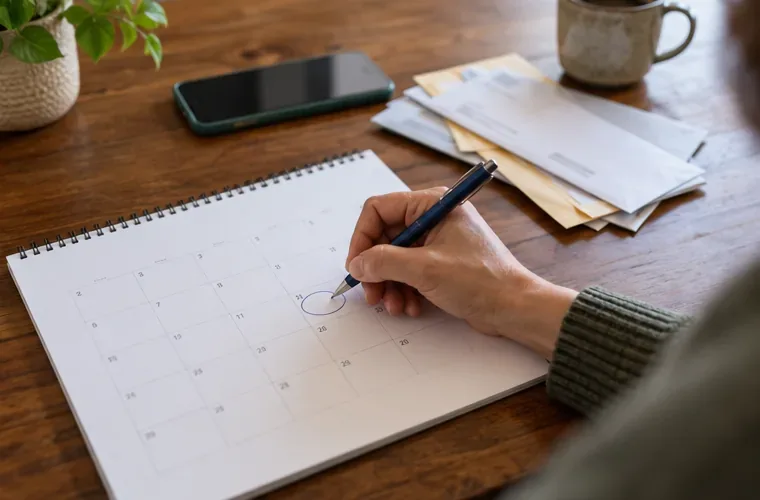
Write down your state’s registration, ballot-request, and ballot-return deadlines after confirming them with election officials.
2. Find the deadlines that apply to your state
Look up deadlines using your election office’s current information rather than a national calendar, social-media graphic, or another state’s rules. Record each date separately:
Registration or update deadline: when a new voter or a voter changing an address must submit information.
Absentee-ballot request deadline: when an application must arrive or be submitted, if your state requires a separate request.
Ballot-return deadline: when a completed ballot must be postmarked, delivered, or received. These are not necessarily the same cutoff.
Early-voting dates: when and where in-person early voting is available.
For a mailed ballot, verify whether your state counts a postmark or requires the election office to receive the ballot by a specified time. Confirm whether you may use a drop box, deliver the ballot in person, or have someone else return it. Follow the instructions printed with your ballot, including any signature, witness, envelope, or identification requirements. If the state site is unclear, call the local election office and ask about the exact deadline and return options for your ballot type.
3. Choose an available way to vote
Vote in person on Election Day
Election Day for the 2026 midterms is Tuesday, November 3, 2026. Your state or county assigns a polling place or voting center; it may not be the nearest one. Look up the address and opening hours on the official election site before leaving. Polling hours are set locally, so do not rely on a time copied from another city or state. Check your state’s voter ID rules too. The USAGov Election Day guide links to official information about polling places and ID requirements.
Vote early in person
Many states offer early in-person voting, but the start and end dates, locations, hours, and eligibility rules vary. Some states may list early voting under absentee voting, or require an absentee-ballot request for certain in-person options. Use the USAGov early-voting guide to locate your state’s official details, then confirm the specific site and dates with your county or state.
Request and return an absentee or mail ballot
States decide who may vote by mail, whether an excuse is required, whether a ballot is sent automatically, and whether voters must request a ballot for each election. Request one through your official state or local election office. Follow the ballot’s instructions exactly and use only a return method authorized for your jurisdiction. The USAGov absentee and mail-voting guide explains what to check, while the EAC’s 2026 mail-ballot return toolkit reinforces the need to verify local deadlines rather than assume that mailing by Election Day is enough.
Military voters and U.S. citizens living overseas should start with the Federal Voting Assistance Program (FVAP). FVAP explains how to use the Federal Post Card Application (FPCA) to register and request an absentee ballot. Allow time for your state’s request, delivery, and return procedures; they can differ from domestic mail voting.
Mail and absentee ballots have state-specific request, return, signature, and receipt rules; confirm the instructions before sending a ballot.
4. Submit your ballot correctly and check its status
Before returning a mail ballot, make sure you have completed every required field and followed the envelope instructions. A missing signature or other error can cause a ballot to be challenged or rejected under state law. Some jurisdictions provide ballot tracking or a process to correct certain errors, but availability and deadlines vary. Check your state or local election site for status updates and any notice about a problem.
If you requested or received a mail ballot and then decide to vote in person, ask your election office what to do with the unreturned ballot. Do not cast a second ballot or assume that you can simply discard the first one; states have different procedures for surrendering an unused ballot or voting provisionally.
If you arrive at a polling place and your name is not on the list, ask a poll worker to check your registration and explain your options before you leave. Depending on state law and the circumstances, you may be able to update information, vote at another assigned site, or cast a provisional ballot. A provisional ballot is reviewed under state rules before it is counted, so follow any instructions about providing additional information or checking its status.
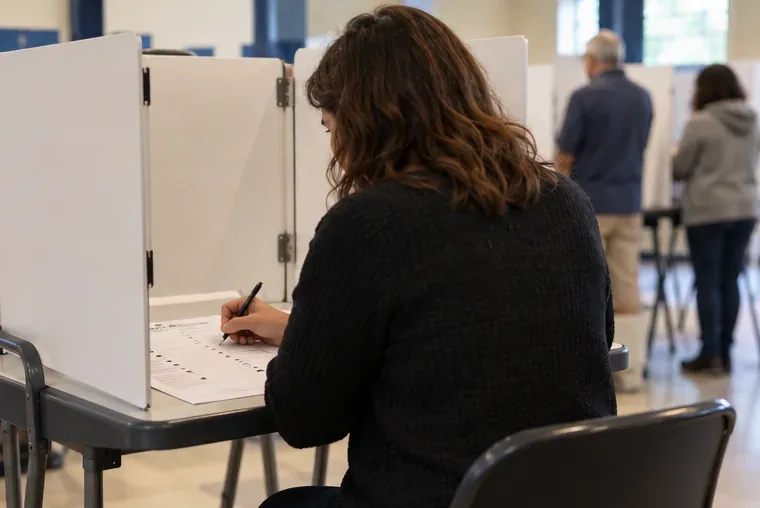
At an in-person voting site, use the location assigned to your address and follow the poll workers’ instructions.
Quick checklist before you vote
Confirm your registration status and current residential address.
Write down your state’s registration, ballot-request, and ballot-return deadlines.
Choose Election Day, early in-person, or absentee/mail voting only after confirming you are eligible for that option.
Verify the assigned polling place, operating hours, and voter ID rules if voting in person.
For a mail ballot, check whether it must be postmarked or received by the deadline and which return methods are allowed.
Use official state or local election pages for last-minute changes; recheck ballot status if tracking is available.
Get help with access or language needs
Voters with disabilities can ask their election office about accessible voting equipment, accommodations, and available assistance. The Vote.gov disability voting guide summarizes federal protections and points voters to local election officials. Contact the office ahead of time if you need to confirm that a location or voting method will meet your needs. Ask about language assistance as well, since the services offered depend on the jurisdiction.
For the 2026 U.S. midterms, the safest next step is to check the official election page for the address where you live. It can confirm whether you are registered, which deadlines still apply, and how to cast a ballot in your jurisdiction.