Move ownCloud Classic to oCIS with a Supported Migration
Plan an ownCloud 10 to oCIS migration with the supported app, ordered commands, identity checks, and a clear list of data that needs separate handling.
There are a lot of software for partitioning, formatting and managing hard drives. However, MiniTool Partition Wizard is still the most popular software because of its compactness, fast processing speed and friendly user interface. The latest version also provides extremely useful quick access. Download.vn will guide you how to install and use the MiniTool Partition Wizard in the following article.
First you need to download the software to your computer. Note this is a completely FREE version.
Download MiniTool Partition Wizard Free Edition
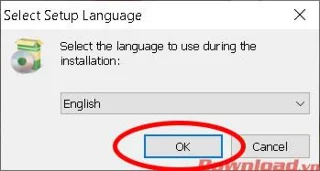
After downloading, we run the setup file to install. Select English language and click OK .
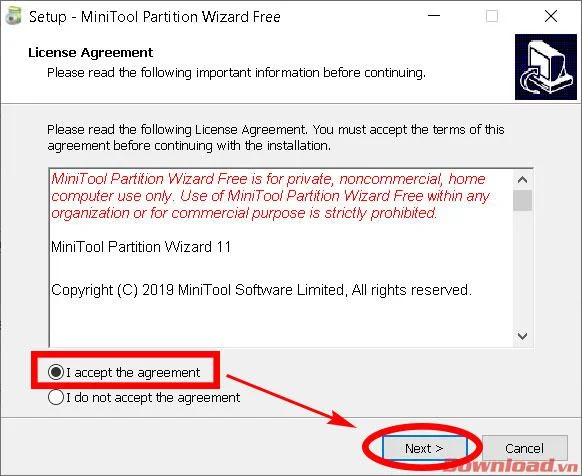
Click I accept the agreement and click Next .
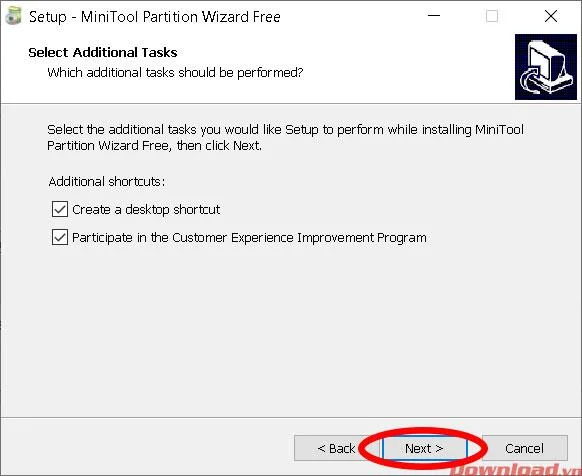
Check the 2 lines as shown below and continue to click Next to proceed with the installation.
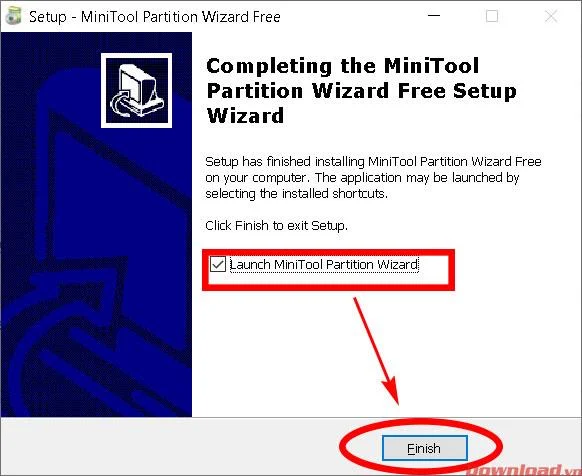
After installation is complete, we tick Launch Launch MiniTool Partition Wizard and click Finish button to finish the installation process.
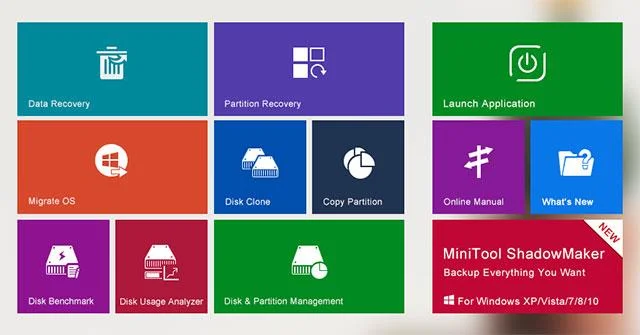
At the end of the installation process, the software will automatically run and display the interface as shown. This is an improvement over the previous versions, helping users to quickly access the utility they need to use instead of going to the main window. If you want to use something, just click on it and the software will automatically move users to the action window quickly.
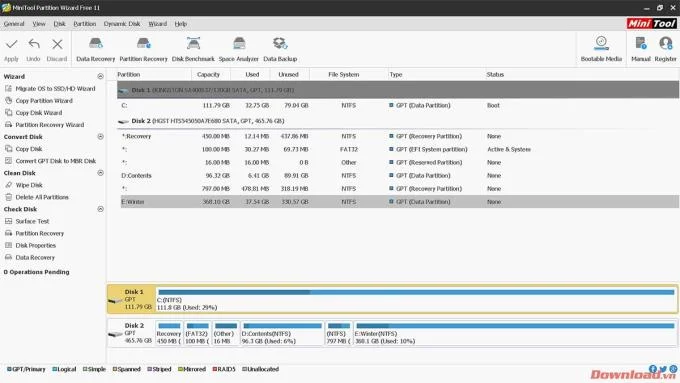
So with just a few simple steps, you can manage as well as format, partition ... your hard drive. I wish you successful implementation.
Plan an ownCloud 10 to oCIS migration with the supported app, ordered commands, identity checks, and a clear list of data that needs separate handling.
Replace ownCloud Classic 10 logos and tune web UI colors with a theme app, while avoiding upgrade and integrity-check pitfalls.
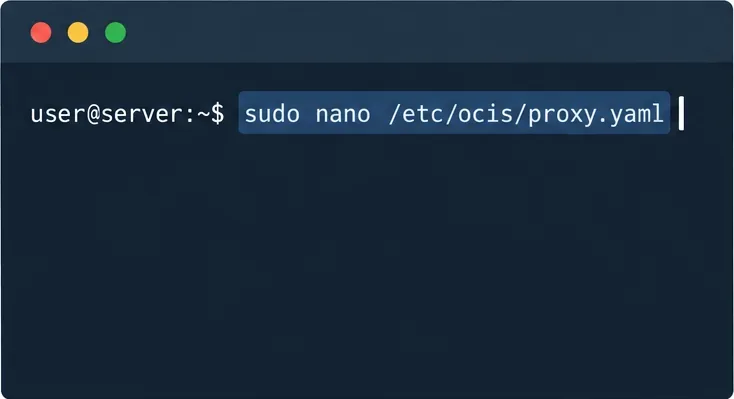
Assign byte-based storage limits to new ownCloud Infinite Scale users by role, with a proxy.yaml example and a safe verification checklist.
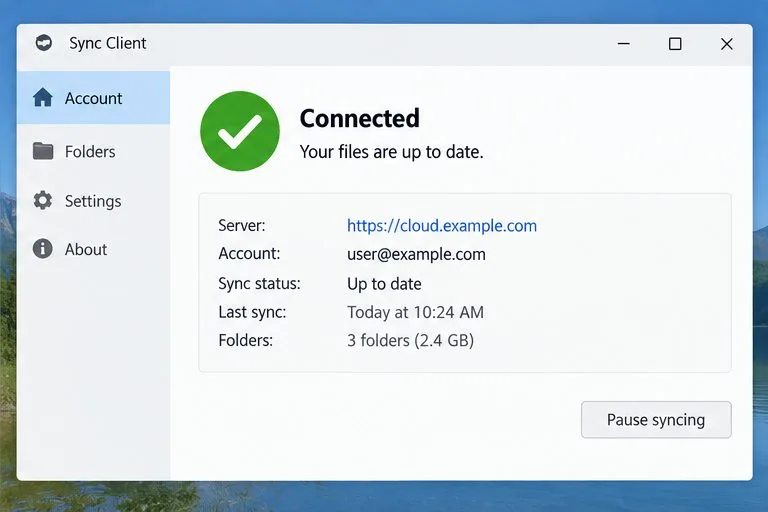
Restore ownCloud desktop syncing by checking the server hostname, certificate chain, private CA trust, and captive portal issues without disabling TLS verification.
Use the invalid-file report to identify mismatched core files or app signatures, restore the correct release files, and verify the integrity check safely.
Deploy ownCloud Infinite Scale from its official Compose example, configure domains and persistent storage, then verify TLS, containers, and first login.
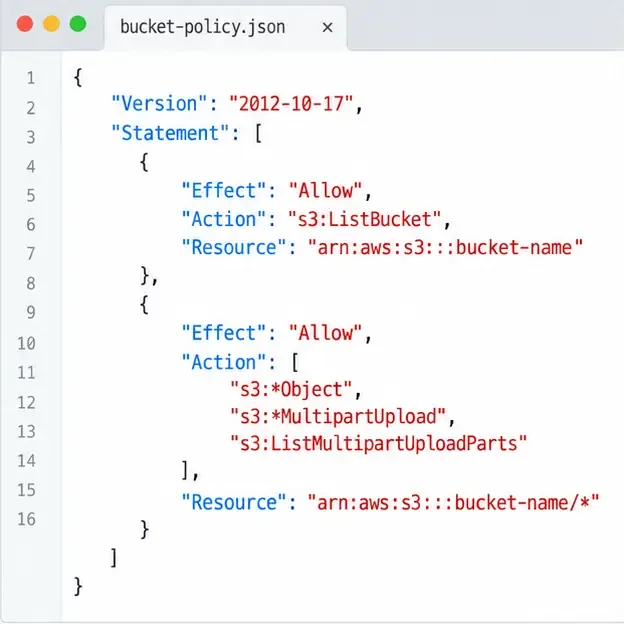
Set up the S3NG driver, bucket permissions, persistent metadata storage, and upload sizing so ownCloud Infinite Scale can store file contents reliably.
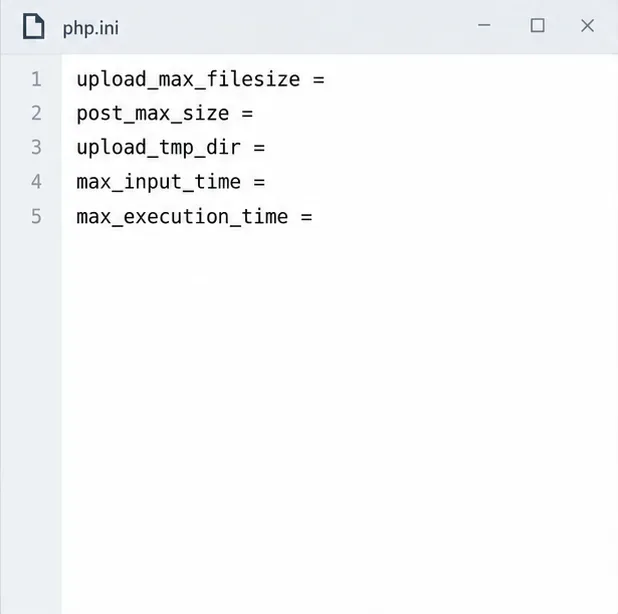
Find why an ownCloud Server upload stops near completion by checking file status, quota, temporary disk space, PHP limits, and proxy timeouts.
Set AllowOverride All only for ownCloud’s web root, validate the active Apache vhost, and reload safely to restore .htaccess rules.
Enable ownCloud’s Enterprise Auditing app, route admin_audit events to a protected log file, and confirm that real user actions are being recorded.