Note when using infrared cookers

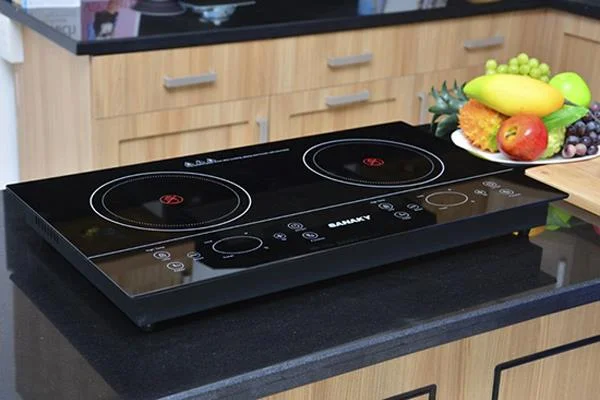
Infrared stove is one of the popular electric cookers , using electric power to make Halogen bulbs generate heat, thereby transferring heat through the glass, pot body and cook food. Infrared cookers have many advantages such as safety, no harm to health and the environment, and quick cooking. However, using the stove in contravention of safety rules will affect the user and reduce the life of the kitchen.

What is infrared stove?

Do not touch the stove during cooking and after cooking
Note when using infrared cookers

Do not touch the countertop while cooking is finished

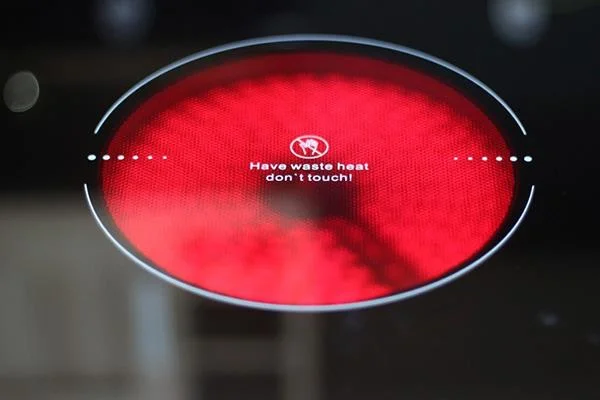
The infrared stove in operation will heat up the stove surface, not through the pot directly like an electromagnetic stove. The temperature on the stove top is even hotter than the pot temperature. After using, the stove cannot cool immediately. Therefore, do not touch the stove while cooking and when you are finished, even use a damp cloth to clean it. You must wait until the kitchen surface is completely cooled, unplugged before cleaning the kitchen. Many infrared cookers such as Sanaky , Iruka have symbols that warn not to touch when the stove is operating.

Do not leave the kitchen in water

Infrared cookers both when operating and when turned off are hydrophobic with water. Do not use towels with too much water to wipe, or splash water on the kitchen surface while cooking to avoid the risk of damage, electric shock and burns.

Do not drag objects on the countertop

Note when using infrared cookers

Do not drag and place heavy objects on the countertop

Infrared stove top, though made of Ceramic or tempered glass with high bearing capacity, such as Gali stove , Comet ... however dragging things on the kitchen surface will gradually peel off the transparent protective coating of the kitchen. glass. Do not leave heavy objects on the stove even when it is not in use. When the stove is working, avoid placing small metal objects such as spoons, knives and forks on the countertop because the stove will heat all of them, causing burns if not carefully touched.

Do not turn on the stove for long without food

If the cooker stays on for a long time without placing the pot or without food, it will not only waste electricity, but also reduce the life of the stove because the heat used for reheating focuses on heating the countertop. In addition, it can damage the pot when the temperature is too great, especially the pot made of poor heat-resistant materials like aluminum pots.

Do not disconnect the power supply immediately after use

Note when using infrared cookers

Fan still works when turned off with the Off button

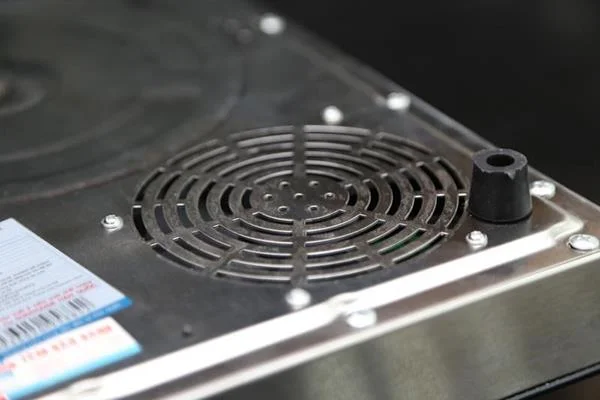
After using the infrared stove, only turn off with the Off button on the stove body, so the cooking power is turned off but the radiator fan is still active, reducing the kitchen temperature quickly. If you turn off the power by unplugging the cord, the stove will be hot for a long time, dangerous for people who accidentally touch the countertop.
WebTech360

Leave a Comment

Side Hustles That Actually Pay in 2026: 7 Realistic Options and the Tradeoffs to Know

Side Hustles That Actually Pay in 2026: 7 Realistic Options and the Tradeoffs to Know

Compare realistic side hustles for 2026 by startup cost, fees, flexibility, and income control, with current tax and scam guidance from official sources.

Remote Work Ergonomics in 2026: Upgrade Your Home Office Without Overbuying

Remote Work Ergonomics in 2026: Upgrade Your Home Office Without Overbuying

Upgrade your home office ergonomics with current OSHA and NIOSH guidance on chair fit, monitor height, laptop setup, lighting, and movement.

Why Emotional Intelligence Matters in Leadership—and How to Build It

Why Emotional Intelligence Matters in Leadership—and How to Build It

Learn why emotional intelligence matters in leadership, where it helps most, how to strengthen it, and how to tell whether your approach is working.

How to Transition to a Tech Career Without a Degree: A Results-First Roadmap for 2026

How to Transition to a Tech Career Without a Degree: A Results-First Roadmap for 2026

A practical roadmap for moving into tech without a degree: choose an accessible role, build job-ready skills, prove them with projects, and use hiring feedback to improve.

Building a Personal Brand on LinkedIn in 2026: What Still Works, What Changed, and What to Ignore

Building a Personal Brand on LinkedIn in 2026: What Still Works, What Changed, and What to Ignore

Build a credible LinkedIn personal brand in 2026 with current profile, content, newsletter, analytics, verification, and visibility guidance from LinkedIn.

Quiet Quitting vs. Quiet Firing in 2026: What’s Really Changing at Work

Quiet Quitting vs. Quiet Firing in 2026: What’s Really Changing at Work

Quiet quitting and quiet firing are catchy labels, not diagnoses. Learn what is verified, what depends on context, and what employees and managers can do next.

The Rise of the Fractional Executive: When Part-Time C-Suite Leadership Makes Sense

The Rise of the Fractional Executive: When Part-Time C-Suite Leadership Makes Sense

Fractional executives offer senior leadership without a full-time hire. Learn when the model works, what to ask, and the risks to manage.

How to Negotiate a Raise During Q4 Performance Reviews: A Practical 2026 Decision Guide

How to Negotiate a Raise During Q4 Performance Reviews: A Practical 2026 Decision Guide

Prepare a stronger Q4 raise request with current wage data, timing options, compensation tradeoffs, and scripts for yes, partial, or no outcomes.

6 High-Income Skills You Can Start Learning Before 2026 Ends

6 High-Income Skills You Can Start Learning Before 2026 Ends

Choose a high-income skill you can realistically start before 2026 ends, with current pay data, learning priorities, and a practical self-check.

Mastering the Hybrid Work Schedule: A Practical Framework That Actually Holds Up

Mastering the Hybrid Work Schedule: A Practical Framework That Actually Holds Up

Build a hybrid work schedule around tasks, team overlap, and measurable outcomes. See sample patterns, warning signs, and when to adjust your plan.