Skype Free Phone Calls

Skype Free Phone Calls let you connect with friends and family worldwide at no cost. Follow this guide to set up and start making free calls quickly and easily.

Work slows down when files sit in too many places, approval steps feel confusing, and people spend more time searching than actually finishing tasks. Strong document management can bring order back without making daily work feel complicated. Instead of treating files like static records, many teams now treat information as something that moves with their workflow. That shift helps reduce manual effort, improve data security, and support business continuity without adding extra stress.
Rethinking how documents move through your organization doesn’t mean rebuilding everything from scratch. Small adjustments to structure, access control, and workflow automation can make everyday tasks feel lighter and more organized.
The sections below break down practical ways to simplify document management, reduce delays, and make electronic documents easier to find, share, and protect.
Many workflow issues begin with how files enter the system. When digital documents arrive through email, scanners, or uploads without consistent content capture standards, confusion builds quickly. Establishing clear intake rules helps you reduce duplicates and improve version control before problems spread.
A growing number of teams combine scanning tools with optical character recognition so files become searchable from day one. Instead of relying on memory or manual sorting, you can use metadata tagging to organize content automatically. That makes information retrieval systems faster and reduces the time spent opening multiple folders just to locate one file.
This is also where managed print services fit naturally into a streamlined document management strategy. Instead of treating printing, scanning, and storage as separate steps, these services help connect creation, capture, and repository management into one consistent workflow. When printed files move directly into electronic documents with accurate indexing and clear document storage rules, teams spend less time correcting errors and more time focusing on collaboration and daily tasks.
Scattered files create delays that affect every department. Bringing everything into a consistent document repository helps reduce confusion and strengthens audit trails. Centralization gives you a single source of truth that supports structured and unstructured data across multiple media types.
A well-organized content management system makes it easier to track contracts and record lifecycles, manage employee lifecycle documents, and maintain regulatory compliance. When documents live in one place, it becomes easier to enforce security and compliance standards without slowing down work. You also gain clearer visibility through an audit log, which helps teams review changes and respond to compliance risks more effectively.
Many organizations rely on document management systems or enterprise content management systems to keep everything aligned. These platforms support collaboration platforms and customer relationship management tools while keeping document processing consistent across departments.

Security concerns often lead to complicated permissions that frustrate employees. Instead of limiting access broadly, focus on role-based access control that matches each employee’s responsibilities. Role-based access control allows teams to maintain strong data security while keeping workflows efficient.
Clear security and access control policies also reduce confusion around who can edit, approve, or archive files. With strong access control settings, sensitive documents remain protected while everyday work continues uninterrupted. Adding validation rules to approval workflows ensures the right people review content before it moves forward.
Modern document management software often includes audit trails and detailed reporting features that help you monitor activity across IT environments. These insights support business continuity by showing how information moves through the organization.
Time disappears quickly when employees handle repetitive document processing tasks. Workflow automation systems help automate work that doesn’t require constant human oversight. Instead of chasing approvals or manually renaming files, automation tools handle routine steps behind the scenes.
Automation works best when paired with clear content management rules. For example, automated routing can send contracts to the right department, while digital signature technology speeds up approvals without adding complexity. These digital processes also reduce delays during busy periods such as tax season or large project launches.
AI-powered document solutions and generative AI tools are starting to support intelligent information management by analyzing document patterns and suggesting better organization methods. While automation shouldn’t replace human oversight, it can reduce repetitive actions that slow down progress. Teams gain more time to focus on meaningful work rather than file handling.
Information loses value when employees can’t find it quickly. A strong search tool supported by metadata tagging and knowledge management systems makes it easier to locate files across departments. Instead of searching through multiple folders, employees can rely on advanced indexing that pulls relevant results from a single source.
Some organizations treat their document management system like a digital librarian that organizes and maintains records automatically. This approach helps customer service teams respond faster because they can access accurate information without delays. It also improves IT case resolution by giving support teams access to detailed documentation when troubleshooting problems.
Rethinking document management isn’t only about fixing today’s workflow issues. It also prepares your organization for digital innovation and future growth. As IT environments evolve, integrating document management with enterprise content management and intelligent information management tools helps maintain flexibility.
Organizations that invest in scalable systems can adapt to new digital landscape demands without rebuilding their entire infrastructure. AI-powered content management and advanced analytics support better decision-making while maintaining strong audit trails and records management standards. Over time, these improvements strengthen business continuity and support sustainable growth.
Rethinking document management helps you remove bottlenecks, strengthen security, and reduce manual effort across everyday tasks. By simplifying intake processes, centralizing files, improving access control, and using workflow automation, your team gains clarity and efficiency. When digital documents move smoothly through your organization, productivity improves, and employees spend less time searching and more time getting meaningful work done.
Skype Free Phone Calls let you connect with friends and family worldwide at no cost. Follow this guide to set up and start making free calls quickly and easily.
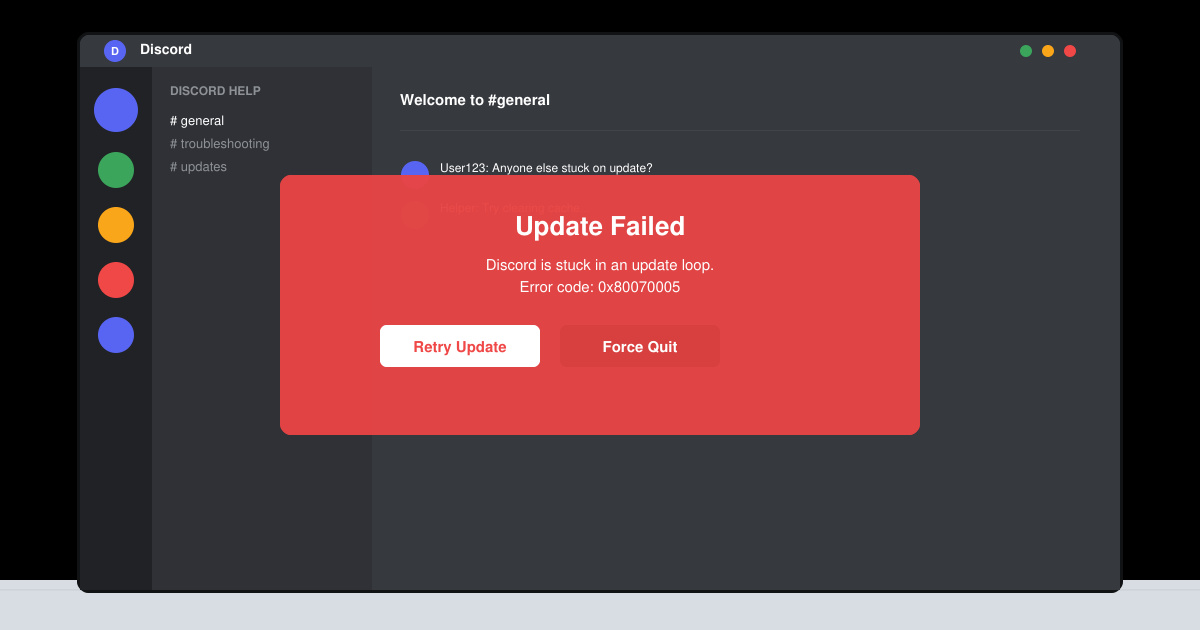
Stuck in the Discord Update Failed Loop? Follow these targeted fixes to break the cycle and complete the update without repeated failures or reinstalls.
Travel planning used to mean folders full of printed confirmations, handwritten notes, guidebooks, and a slightly terrifying number of browser tabs. Now, pretty much everything you need for a trip can live on the device already in your pocket.
Discover how Canva Free for Teachers gives educators full access to premium design tools at no cost. Verify your status and start creating classroom materials in minutes.
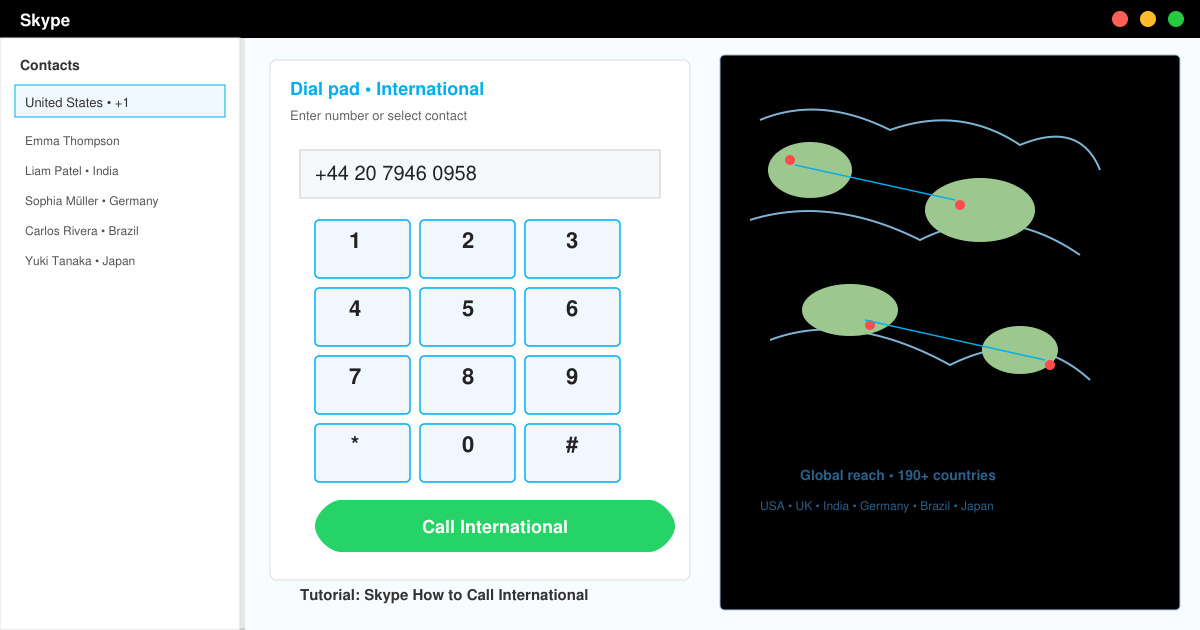
Skype How to Call International is simple and cost-effective once you set up credit and use the right country codes. Follow this guide to place clear calls from anywhere.
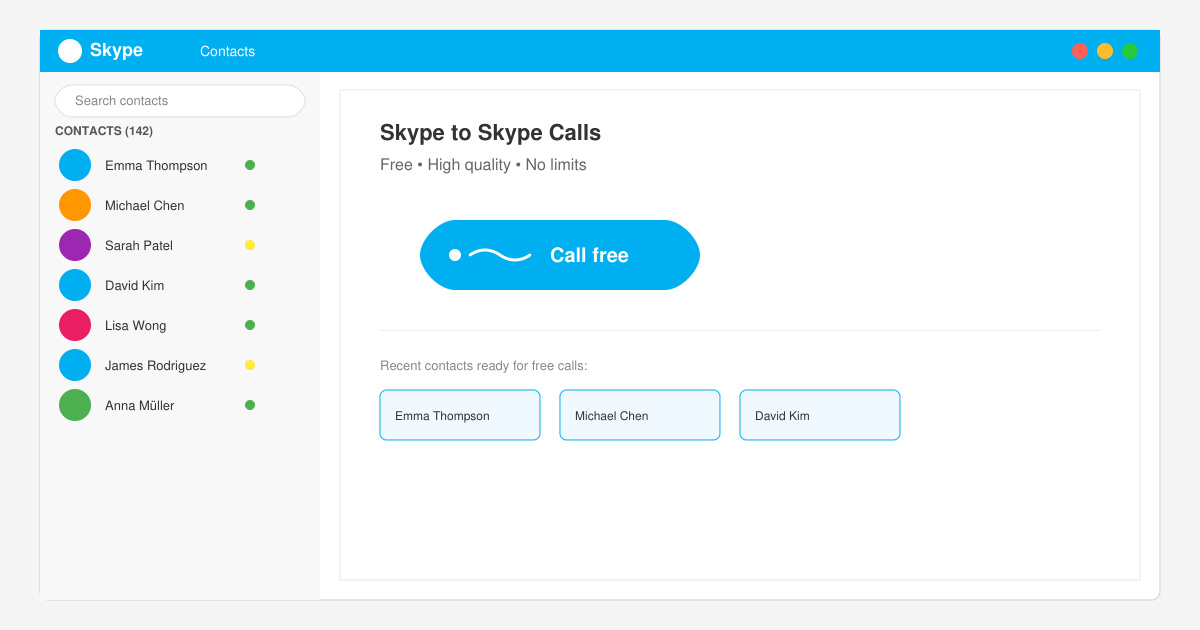
Make Skype to Skype Calls Free in minutes with this clear guide. Set up your account, add contacts, and start unlimited voice and video calls at no cost.
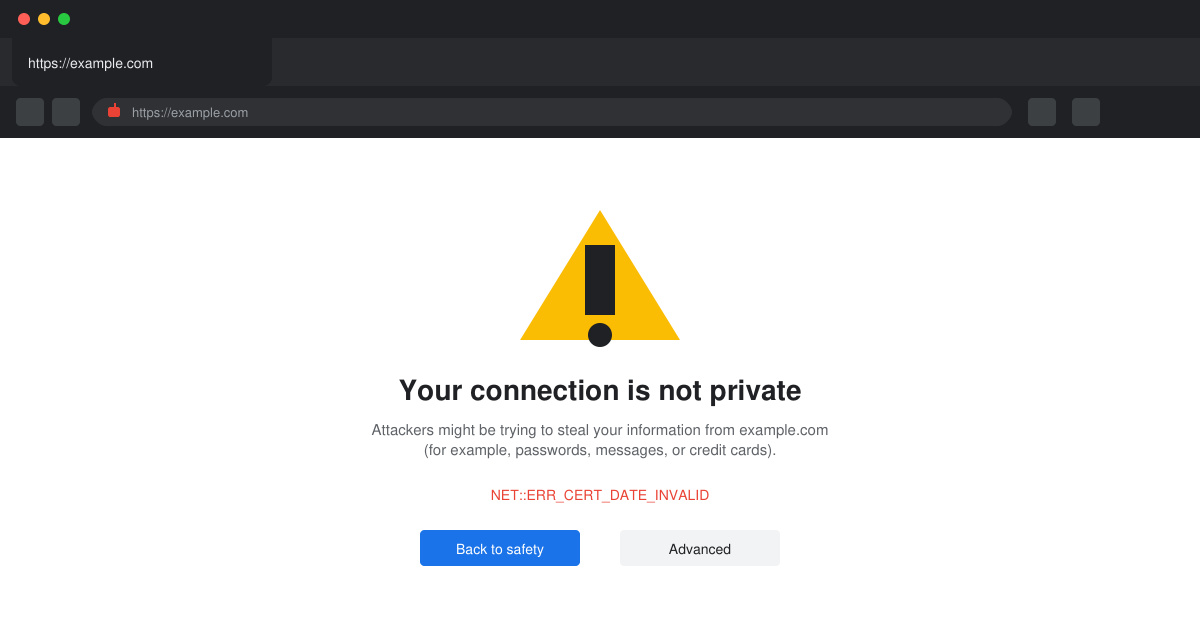
Fix the Your Connection is Not Private Chrome error quickly with these exact steps. Restore secure browsing by addressing certificate and settings issues in minutes.
Record heat has lifted air-conditioning demand while gas-market shocks have returned volatility to power prices. That creates a real risk of painful bills—but not a guaranteed, Europe-wide price explosion.
Large format printing has long faced criticism for its environmental impact. Traditional substrates, solvent-based inks, and short-lived promotional campaigns have all contributed to the perception that eye-catching graphics come at a high environmental cost.
Long-distance travel can involve heavy traffic, changing weather conditions, and rider fatigue. If you are also dealing with the responsibilities of moving home, such as packing belongings or coordinating accommodation, a long ride may add unnecessary pressure to an already busy schedule.