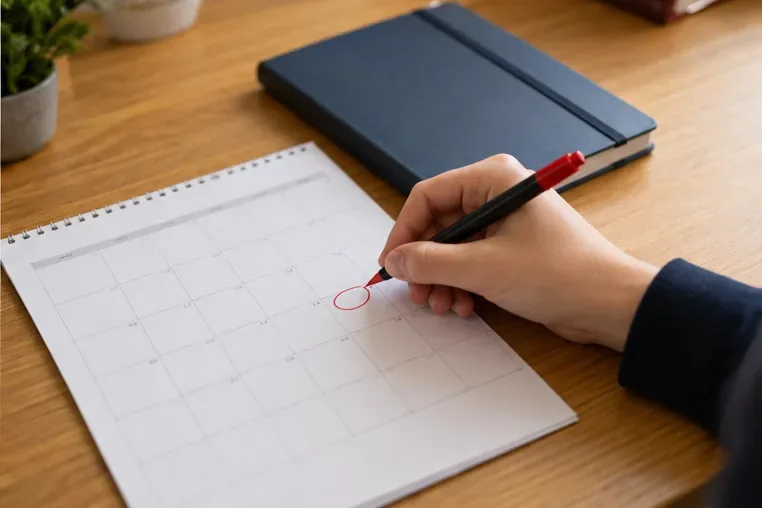
If you plan to take the TCF Canada in Vancouver on January 11, 2027, the immediate task is to prepare for online registration—not to arrive at the test center at 9:00 a.m. without an appointment. Alliance Française Vancouver lists registration from November 2 through November 9, 2026, and says candidates receive their individual exam times by email approximately one week before test day.
The January 11 listing is for an in-person session at 6161 Cambie Street, Vancouver, British Columbia. The center's published fee is CAD $390, subject to confirmation at checkout. The calendar is the authority for whether bookings are open or places remain, so check the official TCF Canada registration calendar before making arrangements.
TCF Canada in Vancouver: Key dates for January 11, 2027
| What to check | Officially listed information |
|---|
| Exam | TCF Canada, written and oral components, Monday, January 11, 2027 |
| Test center | Alliance Française Vancouver, 6161 Cambie Street, Vancouver, BC |
| Registration opens | Monday, November 2, 2026, at 3:00 p.m. Vancouver Pacific Time (UTC−07:00), equivalent to 22:00 UTC |
| Registration closes | Monday, November 9, 2026, at 4:00 p.m. Vancouver Pacific Time (UTC−07:00), equivalent to 23:00 UTC |
| Session window | Monday, January 11, 2027, from 9:00 a.m. to 4:00 p.m. Vancouver Pacific Time (UTC−07:00), equivalent to 16:00–23:00 UTC |
| Listed price | CAD $390; verify the current charge during booking |
| Your personal reporting time | Provided by the center in an email approximately one week before the exam |
Important: The seven-hour session window is not a seven-hour examination, and it is not a promise that every candidate starts at 9:00 a.m. The venue assigns individual schedules. Keep the day available until you receive your official invitation. The calendar also lists a separate January 11 session in New Westminster; make sure you select the Vancouver address rather than the similarly dated alternative.
Why Vancouver remains at UTC−07:00 in January
British Columbia adopted permanent year-round Pacific Time following its March 8, 2026 clock change. Vancouver does not turn clocks back on November 1, 2026, so both the November booking period and January 2027 session use UTC−07:00. This differs from the older assumption that Vancouver always uses UTC−08:00 in winter. The Government of British Columbia's time-zone guidance explains the change. If you live elsewhere, convert from the published UTC times using the rules for your own location on those specific dates.
What is TCF Canada, and who needs it?
TCF stands for Test de connaissance du français, a standardized test of French proficiency. The Canada version is intended for applicants who need recognized French-language results for eligible Canadian immigration or citizenship processes. Immigration, Refugees and Citizenship Canada (IRCC) lists TCF Canada and TEF Canada among its accepted French tests for relevant immigration programs. They are different examinations, so register for the one you intend to take.
Before paying, identify your immigration or citizenship pathway. For immigration, requirements can depend on your program and the Niveaux de compétence linguistique canadiens (NCLC), the Canadian language proficiency levels for French. The score you need is not automatically the same as someone else's. Check the IRCC list of accepted language tests and, for Express Entry applicants, the official test-score requirements and NCLC conversion tables. A test registration by itself does not establish eligibility for immigration.
How to register without losing your spot
- Confirm the precise listing. Open the official Alliance Française Vancouver calendar and look for TCF Canada on January 11, 2027, at 6161 Cambie Street. Verify both the location and the current booking status.
- Prepare your account and passport information. The center recommends logging in ahead of opening time and having your passport number ready, rather than filling in unfamiliar details while places are being booked.
- Register during the posted window. For this session, the scheduled opening is November 2 at 3:00 p.m. Vancouver Pacific Time (UTC−07:00). The posted closing date is November 9 at 4:00 p.m. in the same time zone, but available places may be taken sooner.
- Complete the online purchase. The center does not accept exam purchases by phone or in person. A displayed date or partially completed form is not a confirmed seat; follow the checkout instructions and retain the resulting confirmation.
- Check your email afterward. Save the confirmation and monitor your inbox, including spam folders, for the later invitation containing your assigned time.
The center warns that opening multiple browser tabs or repeatedly refreshing the registration page may cancel a reservation. Avoid that approach. Its booking policy also states that exam purchases are final: no refunds or credits, rescheduling, or transferring a booking to another person. Check your availability, identification, and selected site carefully before paying. Refer to the test center's official exam FAQ and policies for the latest details.
What to expect on test day
TCF Canada assesses four required skills: listening comprehension, reading comprehension, written expression, and oral expression. France Éducation international, the exam administrator, describes the assessment as follows:
- Listening: 39 multiple-choice questions, 35 minutes.
- Reading: 39 multiple-choice questions, 60 minutes.
- Writing: three tasks, 60 minutes.
- Speaking: three tasks in an individual interview, approximately 12 minutes, including two minutes of preparation.
The assessed sections total 2 hours and 47 minutes. Arrival, identity checks, seating, and the order of appointments can make your overall time at the center longer. The center says its computer-based sections use a QWERTY keyboard and headphones, with an on-screen keyboard for special French characters during writing. You do not need to bring your own computer or headphones.
Bring your passport. Alliance Française states that a passport is the only identification it accepts at exam check-in. Do not assume a driver's license or another photo ID is a substitute. Follow the individual invitation for your exact arrival instructions and contact the center before test day if you have a documentation question.
A beginner's preparation plan
First, learn the test format
Spend an initial study session reviewing the four task types and practicing under the official time limits. Being comfortable with conversational French is valuable, but a timed reading exercise or structured writing response may require different strategies. Use the TCF Canada information from France Éducation international to check the current format and candidate guidance.
Then practice the skill you most need to improve
Try a timed listening set without rewinding, summarize a short French article, write responses that directly address each prompt, and practice giving clear spoken answers within a short limit. Record your speaking practice if helpful, then review clarity, vocabulary, grammar, and pacing. If an immigration pathway requires a minimum NCLC level in each ability, balance preparation across all four skills rather than relying on one strong section to compensate for another.
Finally, rehearse the exam-day logistics
Locate 6161 Cambie Street, check your route and travel time, confirm the passport you will carry, and make sure the contact email supplied at registration is accessible. Do not book nonrefundable travel solely on the assumption that a displayed seat is still available. If you need an accommodation, contact the center before purchase to confirm what it can support for this test and what documentation or notice is required.
Results, validity, and the most common mistakes
The center says TCF results may take up to four weeks to arrive by email. France Éducation international also states that TCF Canada certificates are valid for two years from the results issue date. For immigration applications, IRCC requires results to be less than two years old when you apply. Plan your testing date with your application timeline in mind and follow the requirements of the program you are using.
Four errors are particularly avoidable: confusing the center's all-day session with your personal appointment; selecting New Westminster instead of Vancouver; applying an outdated winter UTC−08:00 conversion to Vancouver in January 2027; and paying before confirming that your passport and schedule will be suitable. A fifth is treating a score goal mentioned online as an official requirement without consulting IRCC's tables for your intended pathway.
If your preferred session fills up, return to the official calendar for other available dates instead of buying an unofficial certificate or relying on an unverified reseller. The test center cautions candidates about fraudulent certificate offers. It can answer exam questions at tef.tcf@alliancefrancaise.ca, but the purchase itself must be made through the official online booking system.
Quick answers before you book
Can I register for the January 11, 2027 Vancouver session now?
As of October 31, 2026, the published booking schedule shows an opening on November 2, 2026, at 3:00 p.m. Vancouver Pacific Time (UTC−07:00). The listing's status and available seats can change; verify them directly on the center's calendar.
Does the exam start at 9:00 a.m. for everyone?
No. The published 9:00 a.m.–4:00 p.m. period is the Vancouver session window. Your actual appointment is supplied in the invitation approximately one week beforehand.
Is TCF Canada taken online from home?
Not for this Vancouver session. The center holds the test in person at the address shown in the booking listing, even though some components use computers at the venue.
Bottom line: Verify the January 11 Vancouver listing, prepare your passport details, register during the November 2–9 window, and reserve the full examination day until your individual schedule arrives. For any change in dates, price, availability, or check-in instructions, the official calendar and your test-center emails take precedence over a general guide.