VW Recall 2026: Check Affected Models and Take Action

Check your Volkswagen VIN for open 2026 recalls, understand affected model examples, follow safety instructions, and arrange the correct free repair.
To find out whether a Volkswagen is affected by a 2026 recall, check its 17-character VIN in both Volkswagen’s recall lookup and NHTSA’s vehicle recall search, then follow the instructions attached to that exact result. A model-year list is only a starting point: many campaigns apply to selected vehicles within a model year, and production date, equipment, or VIN range can determine eligibility.
As of September 26, 2026, official 2026 recall filings include certain 2023–2025 ID.4 vehicles, 2025 Jetta and Taos vehicles, and certain 2025–2026 Taos vehicles. Those examples are not a complete list, and they do not mean every vehicle of those years is included. A VIN-specific result is the practical way to confirm whether a recall remains open for your vehicle.
These examples from NHTSA’s 2026 manufacturer filings show why checking the VIN matters. They describe campaigns reported during 2026, not every Volkswagen recall that may still be open this year.
| Campaign | Models/model years named in filing | What the filing says |
|---|---|---|
| 26V030 (VW campaign 93EA) | Certain 2023–2025 ID.4 vehicles | The high-voltage battery may overheat. The stated remedy is a free software update and battery replacement if needed. |
| 26V185 (VW campaign 90Z5) | Certain 2025 Taos and Jetta vehicles | A software error may prevent required information from appearing on the instrument cluster at startup. The filing lists “Do Not Drive” and “Park Outside” advisories; affected owners should follow the current VIN-specific instructions. |
| 26V258 (VW campaign 97TH) | Certain 2025–2026 Taos vehicles | A fuel-pressure-sensor wiring harness may be too short. The filing lists “Do Not Drive” and “Park Outside” advisories and describes a free harness-extension repair. |
The exact affected population, remedy status, and any interim safety guidance can change as a campaign progresses. See the original NHTSA notice for recall 26V030, manufacturer report for 26V185, and manufacturer report for 26V258 for the filings summarized above.
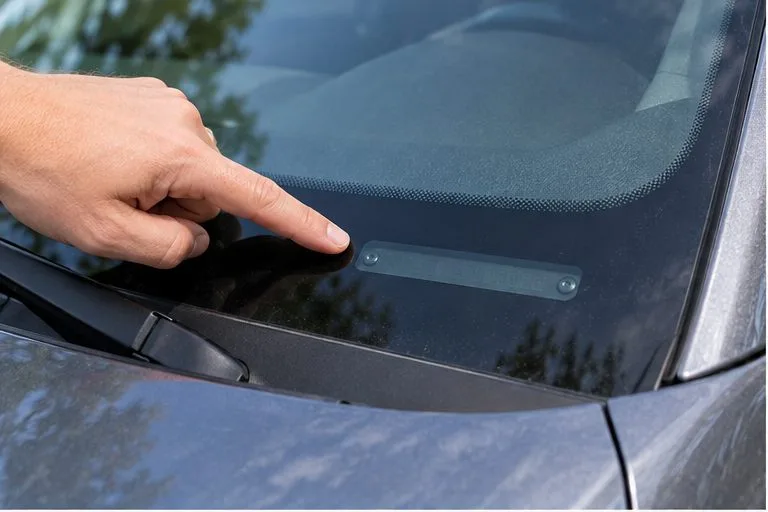
A vehicle identification number, or VIN, is a unique 17-character code. Look through the windshield at the lower driver-side corner, check the label inside the driver-side doorjamb, or use the vehicle registration. Volkswagen also says the VIN appears in several vehicle locations. Compare the characters carefully, especially letters and numbers that can be confused, and use the VIN from the vehicle you are checking rather than an old document for another car.
Open Volkswagen’s Recalls and Service Campaigns lookup and enter the full VIN. Volkswagen says its tool returns applicable recalls and service campaigns with customer notifications made during the previous 15 years. Read every result, including the campaign number, repair status, and any safety instruction. A service campaign is not necessarily a safety recall: Volkswagen describes campaigns as addressing technical issues that are not directly related to safety or compliance, though they should still be addressed promptly.

Search the VIN at NHTSA’s Recalls page. NHTSA explains that a VIN or license-plate search is meant to show unrepaired recalls for a specific vehicle; a year/make/model search produces general recall information and cannot confirm that an individual car is included. If a campaign number appears, use it to open the official recall details and read the defect, consequence, remedy, and owner instructions.
Compare the two results rather than relying on a headline, social post, or a list of affected model years. If Volkswagen and NHTSA show different information, or the lookup cannot identify your VIN, call an authorized Volkswagen dealer and ask the service department to check the VIN and explain the current remedy status. You can also contact Volkswagen through its official support page.
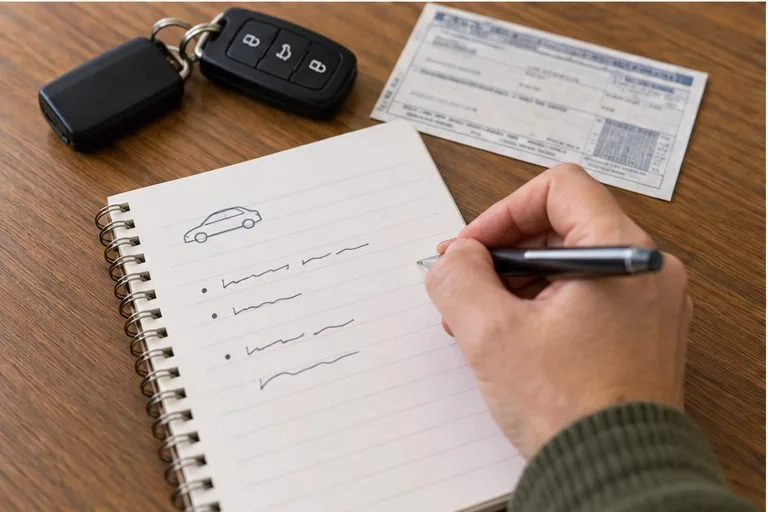
Contact an authorized Volkswagen dealer to arrange the recall repair. Give the service department the VIN and recall or campaign number, and ask whether the remedy is available now, how long the appointment may take, and whether the vehicle should be driven or parked before service. NHTSA says manufacturers must provide an appropriate remedy for a safety recall, and Volkswagen’s recall page says an applicable recall should be completed without delay. Do not assume the car is safe to drive simply because it feels normal or has no warning light.
A result showing zero unrepaired recalls is useful, but it is not a lifetime guarantee. NHTSA says some recently announced recalls may not yet have every VIN identified, and its VIN search does not show recalls that have already been repaired, certain campaigns that are not safety recalls, or safety recalls more than 15 years old (unless the manufacturer offers broader coverage). Volkswagen’s lookup also describes a 15-year window for applicable notifications. A clean search therefore means no matching open recall appeared in that database at the time of the check; it does not prove that no future recall will be issued.
If a recall was just announced, set a reminder to search again after a short interval and check any mailed notice. If you recently bought the car, do not assume the previous owner’s address or records are current: update ownership and contact details with Volkswagen, and ask a dealer to confirm completed repairs against the VIN. NHTSA’s SaferCar app can send alerts for a vehicle entered with its VIN; adding an alert is a supplement to checking, not a replacement for obeying a current recall notice.
You have a useful result when the VIN was entered accurately, both official lookups have been reviewed, each listed campaign has a clear status, and any open recall has a dealer appointment or an explicit safety plan. Recheck if a recent announcement is still identifying VINs, the two databases disagree, the vehicle changes owners, or you receive a new notice. For urgent directions, use the latest recall letter or official campaign information and contact Volkswagen or the dealer; a general model list cannot settle whether your individual car is affected.
Information checked against Volkswagen and NHTSA materials on September 26, 2026. Recall details and VIN eligibility may be updated after publication.
Check your Volkswagen VIN for open 2026 recalls, understand affected model examples, follow safety instructions, and arrange the correct free repair.
Australia’s 2026 daylight saving change starts October 4 in participating states. Learn what happens to clocks, phones, alarms, calendars and interstate schedules.
Compare PlayStation Plus Essential, Extra, and Premium in the U.S., including current prices, benefits, trade-offs, and steps to change or cancel a plan.
Learn how to view your NHS GP health record online, check test results and documents, request older records, correct errors, and use family or carer access.
Santander app or online banking not working? Learn how to check for an outage, fix common login issues, avoid phishing, and secure your account safely.
From October 1, 2026, major Australian card networks will prohibit card-payment surcharges. Here’s what changes, what fees can remain, and what consumers should check.
GTA VI launches November 19, 2026. Here’s what Rockstar has confirmed about Vice City, Leonida, editions, pre-orders and the new $399.99 collector’s box.
TalkTalk customers: what to check now amid insolvency concerns, including service status, contracts, switching, Direct Debits, bills, and backup options.
Rockstar currently lists Standard and Ultimate editions, not a separate GTA 6 Collector’s Edition. Compare the boxed code, digital extras, preorder bonuses, and what remains unconfirmed.
Learn how dengue spreads, which symptoms and warning signs matter, how to prevent mosquito bites, and when suspected dengue needs urgent medical care.